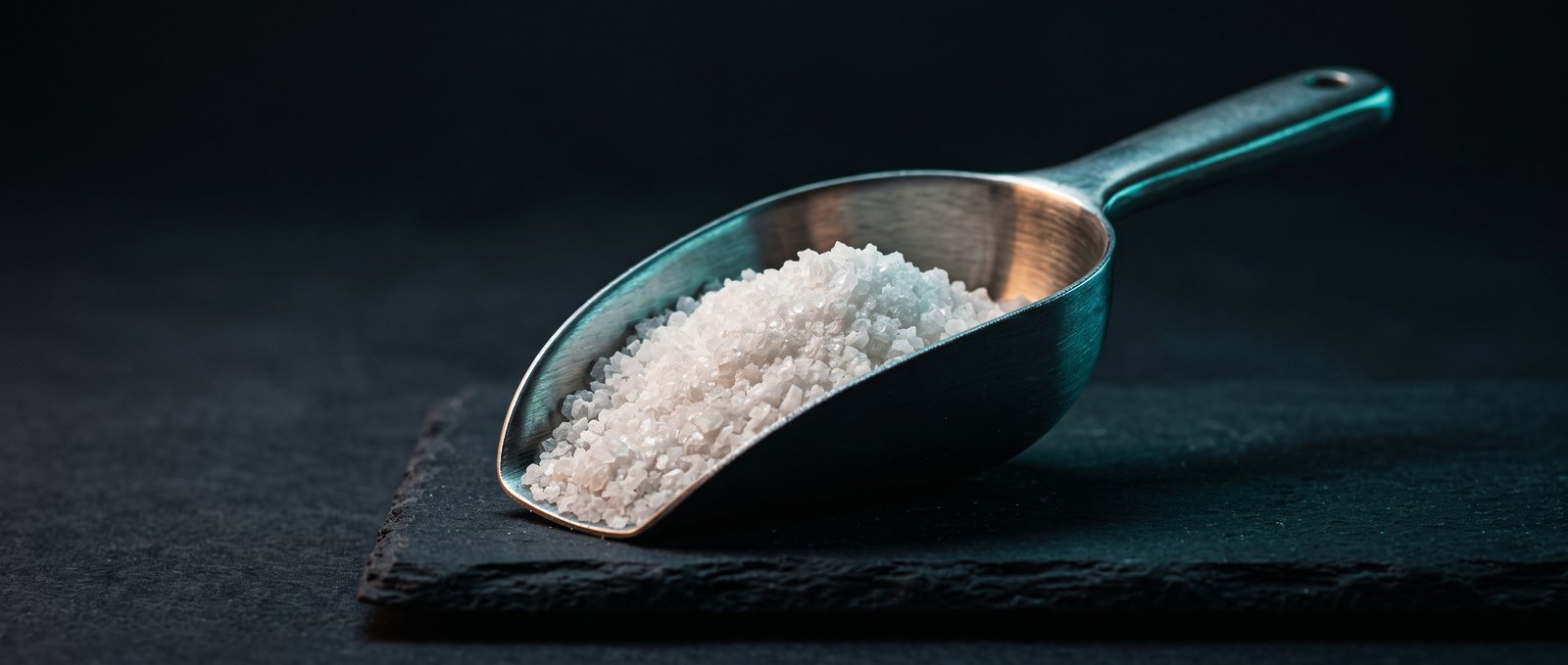
Creatine Monohydrate — across meta-analyses and randomized trials, creatine monohydrate combined with resistance training modestly increases lean/muscle mass (about +1.4 kg in older-adult trials) and upper- and lower-body strength, including in older adults. Bone effects are otherwise inconsistent, with several long-term trials showing no benefit, and gains are generally smaller when creatine is taken without exercise.
Source: Bone 2022, PMID 35688360 ↗ · Evidence-graded supplements · Research map · Study write-up · evidence confidence: high
Creatine monohydrate is one of the most-researched supplements on Earth — and increasingly studied for muscle preservation and cognition in aging. Here is the evidence.
Browse creatine & muscle support →Creatine monohydrate buffers cellular energy (ATP). Beyond strength, randomized trials show it helps older adults preserve muscle mass and may support cognition under stress. It is cheap, safe, and exceptionally well studied — a rare combination in the longevity space.
Linked to mechanism and PubMed citations.
Across meta-analyses and randomized trials, creatine monohydrate combined with resistance training modestly increases lean/muscle mass (about +1.4…
Yes — trials show creatine plus resistance training helps older adults preserve muscle and strength, and it is being studied for brain aging.
A common protocol is 3–5 g/day of creatine monohydrate, with or without an optional loading phase.
Creatine monohydrate is one of the most-studied supplements and is well tolerated in healthy adults; check with your physician if you have kidney disease.
Some trials show cognitive benefits, especially under sleep deprivation or in vegetarians; evidence is promising but still developing.
Muscle, strength, and cognition in aging.
Browse creatine & muscle support →