Garmin Forerunner 265: What the Evidence Shows About Tracking Longevity Signals
A look at what consumer wearables like the Garmin Forerunner 265 can and can’t tell us about healthspan.
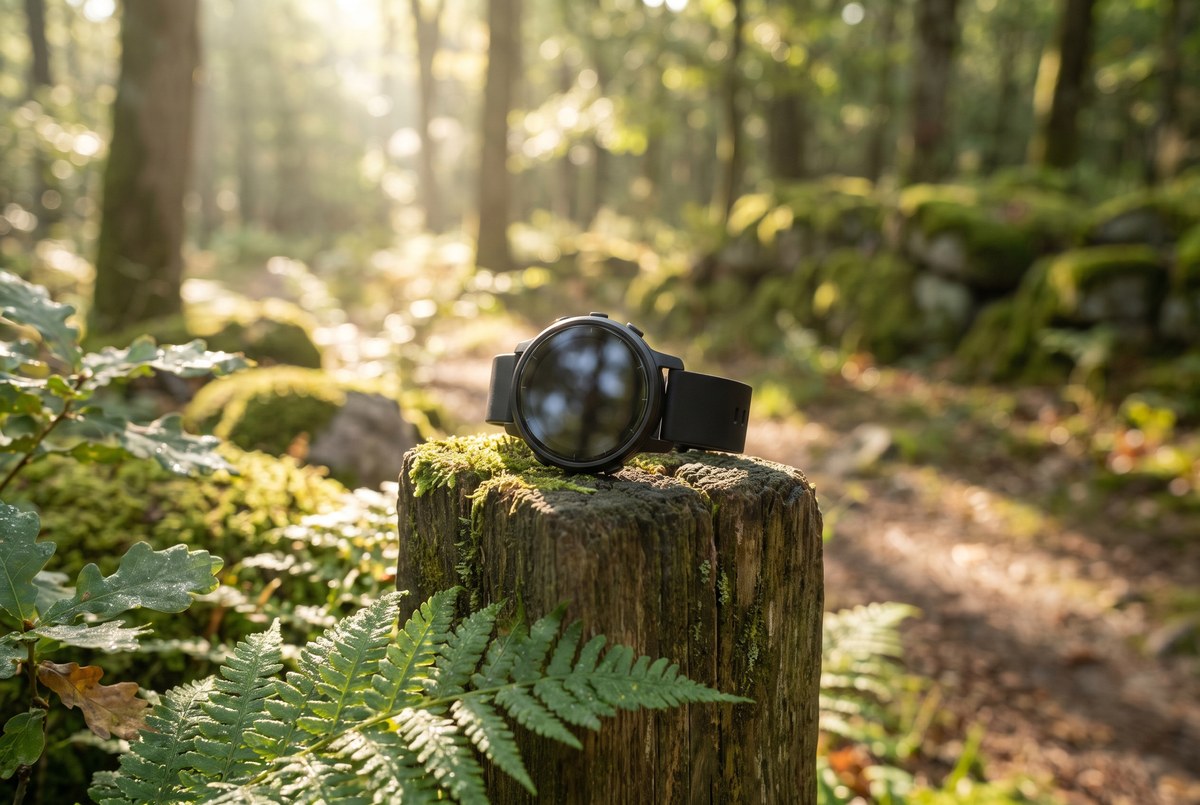
Inside a sleep laboratory, a technician carefully adjusts leads for an overnight polysomnography study. The gold-standard test records brain waves, eye movements, muscle tone, and heart rhythm to stage sleep precisely. Nearby, a participant wears a consumer wrist device like a Garmin Forerunner 265. Its optical sensors shine light through the skin, attempting to estimate the same sleep stages and vital signs.
Devices like the Garmin Forerunner 265 use photoplethysmography and accelerometry to continuously estimate sleep stages, resting heart rate, heart-rate variability (HRV), and daily activity. These signals are physiological markers that large epidemiological studies link to long-term health. But do they actually work for tracking longevity signals?
The Signals That Matter
Several markers estimated by wearables like the Garmin Forerunner 265 correlate with health outcomes in large studies:
- Heart rate variability (HRV): Previous studies show a positive correlation between HRV and clinical outcomes, including all-cause mortality. Lower HRV has been associated with a higher risk of all-cause death and cardiovascular events in patients with cardiovascular disease, according to a 2019 meta-analysis in Biological Research for Nursing.
- Sleep duration: Both short and long sleep duration were associated with an increased risk of all-cause mortality in a 2018 systematic review and meta-analysis in Epidemiology and Psychiatric Sciences.
Tracking Accuracy: Mixed Evidence
While the signals themselves matter, the accuracy of consumer wearables in measuring them is mixed. For sleep tracking, some devices show promise. A 2024 study in Sensors found that the Oura ring was not different from gold-standard polysomnography in terms of wake, light sleep, deep sleep, or REM sleep estimation. Another 2024 validation study in Sleep Medicine confirmed that the Oura Ring Gen3 with its sleep staging algorithm shows good agreement with polysomnography for global sleep measures and time spent in light and deep sleep.
However, these studies specifically tested the Oura ring. No supplied studies directly validated the Garmin Forerunner 265 against gold-standard measures. Wearable technology varies significantly between brands and models.
What to Realistically Expect
For users of devices like the Garmin Forerunner 265, the evidence suggests cautious optimism. The physiological signals these devices attempt to measure—sleep duration, resting heart rate, HRV, step count—are indeed linked to long-term health outcomes in large epidemiological studies. Tracking them may provide useful feedback for lifestyle adjustments.
However, the accuracy of any specific device model, including the Garmin Forerunner 265, requires direct validation against gold-standard measures. Without this, users should view the data as estimates rather than precise medical measurements. Trends over time may be more informative than single readings.
Educational, not medical advice.
The takeaway
Consumer wearables like the Garmin Forerunner 265 estimate physiological signals linked to longevity, but accuracy varies between devices and requires direct validation.
Discussed here: Garmin Forerunner 265
Measurement toolWhat that grade means: A test or sensor. Graded on what the marker predicts and how reliably it measures it.
Typical listed price $449.99 — check the live price before buying.
References
5 peer-reviewed sources, published 2018–2024, across 5 journals. 3 of them have a full Magellan study write-up linked below.
- Annals of Noninvasive Electrocardiology · 2024 · PMID 38288511 · DOI 10.1111/anec.13094Both very low and very high heart rate variability between doctor visits are linked to a higher risk of death in people with atrial fibrillation. Read our full write-up →
- Epidemiology and Psychiatric Sciences · 2018 · PMID 30058510 · DOI 10.1017/S2045796018000379Sleeping more than 9 hours per night is associated with an increased risk of all-cause mortality, but this might be due to underlying health issues. Read our full write-up →
- Biol Res Nurs · 2019 · PMID 31558032 · DOI 10.1177/1099800419877442Lower heart rate variability is linked to a higher risk of death and cardiovascular problems in people with heart disease. Read our full write-up →
- Sensors (Basel) · 2024 · PMID 39460013 · DOI 10.3390/s24206532
- Sleep Med · 2024 · PMID 38382312 · DOI 10.1016/j.sleep.2024.01.020
Mechanisms and molecules in this article
Each links to its Magellan monograph — what it is, what it does, and the studies behind it.
Related reading
Consumer wearables now measure sleep, heart rate and HRV well enough to survive comparison with laboratory…
A body-composition scale tracks biomarkers genuinely linked to cardiovascular risk and mortality, but…
With roughly 15% of 'gluten-free' foods contaminated in meta-analysis and accidental exposures running near…
All Magellan articles → · More on Biometric Wearables & Sensors →
Prefer the interactive version? Open this article inside the Magellan app →