NAD and NMN Supplements: What the Trials Show
Oral NMN and nicotinamide riboside reliably raise blood NAD+ — nicotinamide riboside by 22% to 142% depending on dose. Across randomized trials, grip strength, gait speed, insulin sensitivity and cognition mostly did not follow. What the human evidence actually shows on doses, side effects, NMN vs NR, and IV drips.
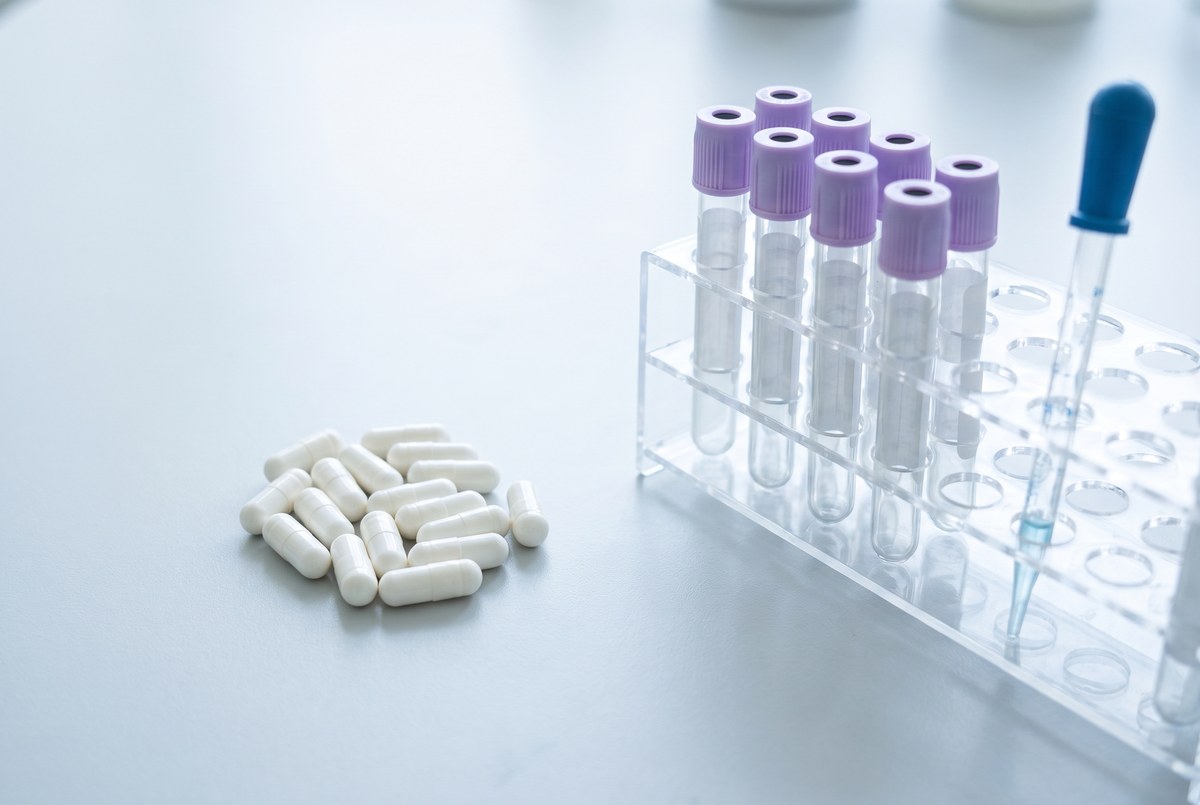
A partial inventory of what has actually been put into human beings, and what was measured afterwards. Two tablets, each containing 500 mg of microcrystalline β-nicotinamide mononucleotide, swallowed twice daily for 28 days by two-thirds of thirty overweight or obese adults aged 45 and up, the rest on placebo. One capsule of 125 mg NMN, twice a day, for twelve weeks, by half of thirty-six healthy middle-aged volunteers. Nicotinamide riboside titrated from 250 mg to 1000 mg twice daily over nine days in eight healthy people, who then sat through a twenty-four-hour pharmacokinetic study. NR at 1500 mg twice daily — three grams a day, a dose nobody had tested before — given to ten people with Parkinson's disease in Bergen, Norway. Five hundred milligrams of plain nicotinamide, twice daily for a year, taken by half of 386 Australians who had each had at least two non-melanoma skin cancers in the preceding five years and who returned to a dermatologist every three months to be counted over.
And the measurements. A hyperinsulinemic-euglycemic clamp with tritiated glucose and labelled palmitate. A stepping test. The time to walk four metres. Grip strength, with a cutoff of 26 kilograms. Heel pad thickness. The cardio-ankle vascular index. Skin ulcer area. The Pittsburgh Sleep Quality Index and its subscale for daytime dysfunction. A Japanese fatigue questionnaire called the Jikaku-sho shirabe. The Aging.Ai 3.0 calculator, a "blood biological age" score. Plasma N1-methyl-2-pyridone-5-carboxamide, a nicotinamide clearance product. Somebody decided each of these was the thing worth counting, and in most cases the thing they counted did not move.
That is the story of NAD supplements as of 2026, and it is stranger than either the marketing or the backlash suggests. The target engagement is real and reproducible: swallow enough of the right precursor and the NAD+ circulating in your blood goes up, sometimes a lot, within days to weeks, across many independent trials. What has not happened is the next step. Across randomized trials in healthy middle-aged adults, older adults, obese men, prediabetic women, people with Parkinson's disease, people with mild cognitive impairment and people hospitalised with COVID-19, the biomarker rises and the outcomes people actually buy these products for — strength, walking speed, insulin sensitivity, cognition, blood pressure — mostly do not. A 2026 PRISMA-guided systematic review of 113 preclinical and clinical studies put it about as plainly as a systematic review can: oral NR and NMN "consistently demonstrated biochemical target engagement" and were generally well tolerated, while effects on functional, metabolic and vascular outcomes were "heterogeneous and often null or endpoint-specific." The gap between those two clauses is the entire subject of this article.
NMN vs NAD: they are not the same thing
This is the single most common confusion in the category, and it is worth being pedantic about, because the labelling in the supplement aisle is not.
NAD+ (nicotinamide adenine dinucleotide) is the molecule that does the work: a coenzyme that shuttles electrons in energy metabolism and serves as a substrate for enzymes involved in DNA repair, gene expression and stress signalling. Your cells make it continuously.
NMN (β-nicotinamide mononucleotide) and NR (nicotinamide riboside) are precursors: inputs to the salvage pathway your cells use to build NAD+. NMN sits one step closer to NAD+ than NR in the textbook diagram, a fact supplement marketing leans on heavily and that human trials have never been designed to test. Nicotinamide — plain vitamin B3, the form in most multivitamins and in the skin-cancer trials below — is another precursor entirely, with its own older clinical literature. Nicotinic acid (niacin) is a fourth.
So "NMN vs NAD" is not a comparison of two products. It is a comparison between a raw material and the thing it is supposed to become. A bottle labelled "NAD+ booster" almost always contains NMN or NR. A clinic offering "NAD" usually means an intravenous infusion of NAD+ itself, a genuinely different proposition with a much thinner evidence base.
One more distinction that the trials force on us. Almost everything measured in humans is blood NAD+ — whole blood, plasma, or peripheral blood mononuclear cells. Blood is not muscle, and it is certainly not brain. The few studies that sampled tissue directly tell a messier story than the blood assays do.
What actually happens to NAD in the body as we age
Be careful here, because this is where the category's founding claim lives and it is weaker than it sounds.
"NAD declines with age" appears as background in nearly every paper in this field, and what is usually being cited is rodent work. A 2019 study in Cell Reports that supplemented twelve aged men with 1 g of NR daily for 21 days was unusually candid in its opening line: NAD+ "has been reported to decline with aging in preclinical models, but human data are sparse." That was written by investigators who took muscle biopsies. It is not a fringe caveat.
What human data exist tend to be cross-sectional, small, and confined to blood. A 2026 post hoc analysis of an 80-person NMN trial reported a baseline blood NAD level of 7.21 nM (interquartile range 5.5 to 10.6) in healthy middle-aged participants averaging 49.4 ± 6.8 years old — a useful number, but a single snapshot in one cohort that says nothing about trajectory. The same analysis found higher baseline NAD associated with modestly higher lymphocyte percentages, lower neutrophils, higher triglycerides, lower HDL and slightly higher liver transaminases. Note the direction of some of those: if you had assumed "more NAD is straightforwardly better," a correlation with higher triglycerides and lower HDL is not what you were expecting. These are associations in one cohort, not effects.
Tissue-level human evidence for decline, and for whether supplementation reverses it, is thinner still. NAD depletion has been reported in patients with Werner syndrome, a rare hereditary progeroid disorder caused by WRN mutations, which is part of why that population was chosen for a trial. The honest summary: the age-related decline is well established in animal models, plausible in humans, and directly demonstrated in human tissue far less often than the marketing implies.
Does NMN actually raise NAD? The one thing repeatedly demonstrated
Yes. This part is not in serious dispute, and it is the reason the field has not simply collapsed.
The dose-response is clearest for NR. In an eight-week randomized, double-blind, placebo-controlled trial in overweight but otherwise healthy adults, daily doses of 100, 300 and 1000 mg of nicotinamide riboside chloride raised whole blood NAD+ by 22%, 51% and 142% within two weeks, and the increases held. An open-label pharmacokinetic study in eight volunteers titrating to 1000 mg twice daily saw whole-blood NAD+ roughly double (p = 0.001), with NR and NAD+ changes tightly correlated (R² = 0.72, p = 0.008). At the top end, four weeks at 1500 mg twice daily in Parkinson's disease produced up to a five-fold increase. In older adults with mild cognitive impairment, 1 g/day for ten weeks produced a 2.6-fold increase (p < 0.001); a 12-week trial in amnestic MCI reported blood NAD+ roughly doubling.
NMN does the same thing. In an 80-person, multicentre, double-blind dose-ranging trial, 60 days of 300, 600 or 900 mg NMN daily raised blood NAD significantly versus both placebo and baseline at day 30 and day 60 (all p ≤ 0.001), highest in the 600 and 900 mg arms. In hospitalised patients with COVID-19 and acute kidney injury, pharmaceutical-grade NMN (MIB-626) at 1.0 g twice daily moved blood NAD+ from 16.0 ± 6.9 µg/mL at baseline to 25.5 ± 12.6 at day 5 and 42.6 ± 25.6 at day 14. The same compound at 1 g twice daily for 28 days "substantially increased" circulating NAD and its metabolites in overweight and obese adults. Even 250 mg/day — one 125 mg capsule twice daily — raised serum nicotinamide significantly over twelve weeks.
Now the caveat that never makes it onto a product page. Blood is easy to sample; muscle is not, and where investigators went and looked the picture fractured. In 40 obese, insulin-resistant men given 1000 mg NR twice daily for twelve weeks, steady-state NAD+ levels in skeletal muscle did not change, while NAMPT, an essential NAD+ biosynthetic enzyme in muscle, fell by 14%. A six-week crossover trial of 1000 mg/day NR in thirteen overweight or obese volunteers did find elevated markers of NAD+ synthesis in muscle, and the 21-day study in twelve aged men found an elevated muscle NAD+ metabolome. So oral NR reaches muscle in some hands and does not shift the steady-state pool in others. Blood NAD+ rising is not the same claim as tissue NAD+ rising.
For brain, the closest anyone has come is indirect: in 22 healthy older adults, six weeks of NR at 500 mg twice daily raised NAD+ inside plasma extracellular vesicles enriched for neuronal origin and lowered vesicle levels of Aβ42 and the kinases pJNK and pERK1/2. A clever workaround for the fact that you cannot biopsy a living brain, and also a biomarker inside a biomarker.
NMN vs NR: what has been compared, and what hasn't
Here is the short version: in the human literature assembled here, nobody has randomized people to NMN versus NR head-to-head. Every comparison you have read is indirect — NMN versus placebo in one trial, NR versus placebo in another, run in different populations, at different doses, for different durations, with different assays measuring NAD in different blood fractions.
The nearest approach is a 2025 meta-analysis in Journal of Cachexia, Sarcopenia and Muscle pooling randomized trials of NR or NMN against placebo for muscle outcomes in adults with mean ages from 60.9 to 83. It analysed them side by side without comparing them to each other, and its conclusion covered both: current evidence does not support NMN or NR for preserving muscle mass and function in this age group.
What can be said directly: NR has been pushed to higher absolute doses (3000 mg/day for four weeks, 2000 mg/day for twelve) than NMN has, and carries more disease-population data. NMN has more of the recent Japanese work on sleep and walking speed. Neither is a comparative efficacy finding. Anyone telling you NMN is superior because it is "one step closer" is reasoning from a pathway diagram, not a trial.
| Compound | What it is | Raises blood NAD in humans? | Clinical outcomes tested in RCTs | What the trials found |
|---|---|---|---|---|
| NMN (β-nicotinamide mononucleotide) | NAD+ precursor, oral | Yes — repeatedly, dose-dependently up to 900 mg/day | Walking speed, stepping test, grip strength, sit-to-stand, sleep quality, insulin sensitivity, HOMA-IR, arterial stiffness, body weight, lipids, AKI markers | Mixed; several outright nulls on the primary endpoint (stepping test, grip strength, walking speed, HOMA-IR, AKI and inflammatory markers). Positive signals on 6-minute walk, 4-metre walk, sleep, weight, LDL and diastolic BP in individual trials. |
| NR (nicotinamide riboside) | NAD+ precursor, oral | Yes — 22% to 142% depending on dose; up to 5-fold at 3000 mg/day | Insulin sensitivity (clamp), mitochondrial respiration, body composition, cognition, cerebral blood flow, arterial stiffness, Parkinson's severity, muscle function, skin ulcers | Null on insulin sensitivity and muscle mitochondrial function in obese men; null on cognition in two MCI trials; small changes in fat-free mass and acetylcarnitine; improved arterial stiffness index in Werner syndrome. |
| Nicotinamide (plain vitamin B3) | NAD+ precursor, oral, long-established vitamin | Not the endpoint of the large trials; a meta-analysis of NAD+ precursors overall found smaller glucose effects for nicotinamide than for nicotinic acid | Non-melanoma skin cancer incidence, actinic keratoses, cognition, quality of life — in phase 3 trials with hundreds of participants | 23% lower rate of new non-melanoma skin cancers in high-risk immunocompetent patients; no effect in organ-transplant recipients; no effect on cognition or quality of life. |
| Nicotinic acid (niacin) | NAD+ precursor, oral | Not directly assessed in the trials here | Included within pooled analyses of NAD+ precursor supplementation | In a 45-study meta-regression, nicotinic acid raised glucose and HbA1c more than nicotinamide did. NR trials specifically reported no flushing, in contrast to niacin's known profile. |
| IV NAD+ (drips) | NAD+ itself, parenteral | A pharmacokinetic pilot exists; it was treated as contextual evidence only in the 2026 systematic review | None qualifying | "No eligible outcomes trials evaluated intravenous or intramuscular NAD+ itself for anti-aging or wellness indications." |
From a higher number to a better outcome — the gap
This is the section that matters, and the honest way to write it is to go outcome by outcome and give the negative trials the same wordcount as the positive ones. They earned it.
Muscle mass and strength. The 2025 meta-analysis is the cleanest statement available. For NMN: no significant effect on skeletal muscle index (3 studies; mean difference −0.42, 95% CI −0.99 to 0.14, I² = 63%, p = 0.14), none on handgrip strength (left grip MD 0.61, 95% CI −0.89 to 2.10, p = 0.42; right grip MD 0.45, 95% CI −1.06 to 1.96, p = 0.56), none on gait speed (MD −0.01, 95% CI −0.08 to 0.06, p = 0.79), none on the five-time chair stand test (MD −0.21, 95% CI −0.70 to 0.29, p = 0.41). The narrative synthesis added that NMN did not improve knee extension strength, the short physical performance battery, or thigh muscle mass. For NR the picture was split: longer six-minute walking distance in people with peripheral artery disease, but lower SPPB scores and slower chair-stand times in people with mild cognitive impairment. The authors' conclusion was unambiguous: current evidence does not support NMN or NR for preserving muscle mass and function in adults over 60.
One trial underneath that pooling is worth seeing. Fourteen older men with diabetes and either weak grip (< 26 kg) or slow walking (< 1.0 m/s), average age 81.1 ± 6.4, took 250 mg NMN daily for 24 weeks. Grip strength changed by 1.25 kg (95% CI −2.31 to 4.81) on NMN versus −0.44 kg (−4.15 to 3.26) on placebo; walking speed by 0.033 m/s versus 0.014 m/s. Those intervals are enormous, which is what a 14-person trial buys you, and they comfortably contain zero. Frailty prevalence improved at p = 0.066 and central retinal thickness differed at p = 0.051 — numbers that get described as "trends" and should be read as "too small to know."
The most cited positive result in the field is a 2021 Science report: a ten-week randomized, placebo-controlled, double-blind trial in overweight or obese postmenopausal women with prediabetes, in which insulin-stimulated glucose disposal measured by hyperinsulinemic-euglycemic clamp increased after NMN and did not change after placebo, alongside increased skeletal muscle AKT and mTOR phosphorylation. Rigorous method, real finding. It also drew a published technical comment in the same journal noting that the thirteen women who received NMN had hepatic lipid content of 6.3 ± 1.2% while the twelve on placebo had 14.8 ± 2.0% (P = 0.003) — a large baseline imbalance in exactly the tissue NMN is supposed to act on. The commenters argued this was not an effectively randomized trial. Hold both facts.
Against that stands a run of nulls. Forty obese, insulin-resistant men aged 40 to 70 on NR 1000 mg twice daily for twelve weeks: insulin sensitivity by clamp, endogenous glucose production, glucose disposal and oxidation all unimproved, as were resting energy expenditure, lipolysis, lipid oxidation and body composition. Thirteen healthy overweight or obese adults on 1000 mg/day NR for six weeks: no effect on insulin sensitivity, mitochondrial function, hepatic or intramyocellular lipid, cardiac energy status, ejection fraction, ambulatory blood pressure or inflammatory markers — though fat-free mass rose slightly (62.65 ± 2.49% versus 61.32 ± 2.58%, P = 0.02) and muscle acetylcarnitine rose substantially (4558 ± 749 versus 3025 ± 316 pmol/mg dry weight, P = 0.04). Thirty overweight or obese adults on 2 g/day pharmaceutical NMN for 28 days: insulin sensitivity unchanged, hepatic and intra-abdominal fat unchanged. In the 80-person NMN trial, HOMA-IR showed no significant difference from placebo at day 60 at any dose.
There is also a signal running the wrong way. A meta-regression of 45 controlled trials covering 9256 participants found that NAD+ precursor supplementation was associated with a small but significant increase in glucose (weighted mean difference 2.17 mg/dL, 95% CI 0.68 to 3.66, P = 0.004) and in HbA1c (WMD 0.11, 95% CI 0.06 to 0.16, P < 0.001), with no significant change in insulin or HOMA-IR, alongside a significant fall in CRP (WMD −0.93 mg/L, 95% CI −1.47 to −0.40, P < 0.001). Interventions longer than twelve weeks showed the larger glucose increase, and nicotinic acid drove more of it than nicotinamide. That pooling spans the whole precursor family rather than NMN specifically, and the absolute magnitudes are small. It is still not the direction anyone selling "metabolic optimisation" expects.
Physical performance. The 80-person NMN trial found significantly greater increases in six-minute walking distance for the 300, 600 and 900 mg groups versus placebo at both day 30 and day 60 (all p < 0.01), with the longest distances at 600 and 900 mg. A 60-person trial of 250 mg/day NMN for twelve weeks in older adults missed its primary endpoint — no significant difference in a stepping test at either 4 or 12 weeks — but found a significantly shorter four-metre walking time as a secondary outcome, with a significant negative correlation between the change in walking time and changes in blood NAD+, 2-PY and 4-PY. That is the closest thing to a dose-to-function association in this literature, and it is a correlation within a trial that missed its primary endpoint. Meanwhile, the 28-day MIB-626 trial found no significant between-group differences in muscle strength, muscle fatigability, aerobic capacity or stair-climbing power.
Blood pressure and arterial stiffness. A 2×6-week crossover trial of NR in healthy middle-aged and older adults concluded that future trials "should further assess the potential benefits of NR for reducing blood pressure and arterial stiffness" — the language of a hypothesis generated, not a result established. Twelve weeks of 250 mg/day NMN produced pulse wave velocity values that "tended to decrease" with no significant between-group difference. The 12-week NR trial in amnestic MCI found no change in blood pressure. The exception is a rare-disease population: in a 52-week double-blind crossover trial in Werner syndrome, 1000 mg NR daily significantly improved the cardio-ankle vascular index and decreased skin ulcer area, with a declining trend in heel pad thinning and a fall in blood creatinine on exploratory metabolomic analysis. Those first two are the most convincing clinical improvements in this body of work, and they come from a hereditary progeroid syndrome with documented NAD+ depletion; whether it generalises to a 52-year-old without one is not something that trial can tell you. The clearest cardiometabolic finding in a general population is the 28-day MIB-626 study: body weight fell 1.9 kg (95% CI −3.3 to −0.5, P = .008), diastolic blood pressure 7.01 mmHg (−13.44 to −0.59, P = .034), total cholesterol 26.89 mg/dL (P = .004) and LDL 18.73 mg/dL (P = .007) more than placebo — four of roughly ten outcome domains assessed, in a physiologic study with no prespecified primary endpoint. Thirty people, four weeks; the authors framed it as rationale for larger trials.
Sleep and fatigue. Two trials, one in older Japanese adults. In the 12-week 250 mg/day trial, the NMN group had lower "daytime dysfunction" and lower global PSQI scores than placebo. In a 108-person study splitting participants by time of dosing, five-time sit-to-stand improved in all four groups, and drowsiness improved in both afternoon groups — NMN and placebo alike — with the largest effect sizes in the afternoon NMN group (d = 0.72 and d = 0.64). Read that carefully: the placebo arms improved too.
Cognition. Two randomized trials in mild cognitive impairment, both null on the thing that matters. In twenty older adults with MCI, ten weeks of NR to 1 g/day raised blood NAD+ 2.6-fold and left MoCA and other neurocognitive measures stable; it also reduced cerebral blood flow in the default mode network (p = 0.013) and left inferior parietal lobe (p = 0.009), which the authors noted would not survive correction for multiple comparisons, and produced a modest reduction in epigenetic age by PhenoAge and GrimAge. A larger 2026 phase-II pilot in amnestic MCI, 42 completers, doubled blood NAD+ and found no improvement in cognitive function (the primary outcome), total cerebral blood flow or blood pressure over twelve weeks, with only exploratory hints of regional flow change in the hippocampus.
Inflammation and acute illness. The 21-day NR study in aged men found downregulated energy metabolism and mitochondrial gene expression in muscle with no change in mitochondrial bioenergetics, plus depressed circulating inflammatory cytokines. The cleanest test of whether raising NAD changes an acute clinical course came in 42 people hospitalised with COVID-19 and acute kidney injury: MIB-626 raised blood NAD+ nearly threefold over fourteen days, and serum creatinine, cystatin-C, other AKI markers, CRP, IL-6, TNFα and disease severity did not differ from placebo. The authors suggested the NAD rise may have been too slow. Reasonable, and also the exact shape of the problem: the biomarker moved, the patients did not.
One more result deserves flagging because it is genuinely odd. In the 80-person NMN trial, "blood biological age" from the Aging.Ai 3.0 calculator rose significantly in the placebo group and stayed unchanged in every NMN group; SF-36 self-reported health also improved more on treatment. Both are soft endpoints — an algorithm applied to routine labs, and a questionnaire — analysed per protocol. Not nothing, and not the same category of evidence as a clamp or a counted skin cancer.
NMN side effects and safety, at the doses trials used
On short-to-medium-term tolerability, the record is reassuring on serious harms and reasonably consistent, though a systematic review of NAD supplementation notes commonly reported non-serious effects including muscle pain, fatigue, sleep disturbance and headaches.
All 80 participants in the 60-day dose-ranging NMN trial completed without protocol violation, with no safety issues from adverse event monitoring, laboratory or clinical measures at doses up to 900 mg daily. The 12-week 250 mg/day trials reported no adverse events attributable to the test substance. The 24-week trial in frail older men with diabetes found NMN tolerable with no severe adverse events. Pharmaceutical NMN at 2 g/day produced adverse events similar to placebo over 28 days in healthy volunteers and over 14 days in acutely ill hospitalised patients.
For NR the doses go higher. Three grams a day for four weeks in Parkinson's disease produced no moderate or severe adverse events and no significant difference in mild ones; the authors supported extending phase II to 3000 mg/day with safety monitoring. Two grams a day for twelve weeks in obese men produced no serious adverse events and normal safety bloods. Eight weeks at up to 1000 mg/day produced no flushing, no excess adverse events, no LDL elevation and no dysregulation of one-carbon metabolism.
Three qualifications belong here rather than in a footnote. The high-dose Parkinson's trial noted a slight initial rise in serum homocysteine in NR recipients, though the integrity of the methyl donor pool was preserved — a sensible thing to watch when you flood a methylation-dependent clearance pathway. The meta-regression finding of small increases in glucose and HbA1c across NAD+ precursor trials, larger beyond twelve weeks, is a safety observation as much as an efficacy one, even if nicotinic acid drives much of it. And the longest randomized trial duration in this evidence base is 52 weeks — 26 weeks of exposure per arm — in a rare-disease crossover trial with a handful of patients; everything else is weeks to a few months. "Well tolerated for twelve weeks" is a real finding and not a statement about daily use for a decade.
Is NAD IV worth it? What the drips have and haven't been tested for
Intravenous NAD+ infusions are sold in wellness clinics on the implication of a substantial evidence base. There isn't one.
The 2026 PRISMA-guided systematic review searched human and rodent intervention studies from January 2010 through October 2025 and identified 113 eligible studies — 33 human (28 randomized) and 80 rodent. Its finding on parenteral administration is worth quoting because paraphrase softens it: "No eligible outcomes trials evaluated intravenous or intramuscular NAD⁺ itself for anti-aging or wellness indications." One non-randomized intravenous NMN study met inclusion criteria and contributed short-term safety and biomarker information; an intravenous NAD+ pharmacokinetic pilot lacking eligible clinical outcomes was included as contextual evidence only.
That is a review that looked specifically for such trials, across fifteen years and two species, and found none. So the honest answer to "is NAD IV worth it" is that the question has not been asked in a form that can be answered. The infusions may be safe; they may raise something measurable. Whether they produce clinical benefit in healthy people is untested, and the argument that bypassing digestion must be better is a pharmacokinetic intuition, not a result. Note too that the thing IV is marketed as doing better — raising blood NAD+ — is exactly the step oral precursors already clear, and exactly the step the oral trials show is not sufficient on its own.
Nicotinamide is a different molecule with a different evidence base
Search results blur nicotinamide, nicotinamide riboside and nicotinamide mononucleotide into one another. Nicotinamide has something the others do not: large phase 3 trials with hard clinical endpoints.
The ONTRAC trial randomized 386 people with at least two non-melanoma skin cancers in the previous five years to 500 mg nicotinamide twice daily or placebo for twelve months, with dermatologist examinations every three months for eighteen. At twelve months the rate of new non-melanoma skin cancers was 23% lower on nicotinamide (95% CI 4 to 38, P = 0.02); basal-cell carcinomas 20% lower (95% CI −6 to 39, P = 0.12), squamous-cell 30% lower (95% CI 0 to 51, P = 0.05). Actinic keratosis counts were 11% lower at 3 months, 14% at 6, 20% at 9 and 13% at 12. Adverse events did not differ, and there was no evidence of benefit once nicotinamide was stopped.
The companion trial failed. ONTRANS randomized 158 organ-transplant recipients — 79 per arm — with at least two keratinocyte cancers in the past five years to the same regimen for twelve months. There were 207 new keratinocyte cancers on nicotinamide and 210 on placebo: rate ratio 1.0, 95% CI 0.8 to 1.3, P = 0.96, with no difference in carcinoma counts, actinic keratoses or quality of life. It stopped early for poor recruitment, which limits precision, but nothing in it points toward benefit in immunosuppressed patients.
Within ONTRAC itself, investigators also tested the brain. Among 310 participants who completed neurocognitive testing at baseline and twelve months, they could not detect any significant effect of oral nicotinamide on cognitive function or quality of life.
Say this plainly, because it is the most common bait-and-switch in NAD marketing: none of it transfers. The skin-cancer result is a photoprotection and DNA-repair story about one vitamin in high-risk skin, at a dose and duration chosen for that purpose. It is not evidence that raising NAD+ slows ageing, and not evidence for NMN or NR, which were not the molecules tested. A trial showing nicotinamide prevents skin cancers in sun-damaged Australians and a trial showing NMN raises blood NAD+ in healthy 49-year-olds are unrelated facts that happen to share a syllable.
The concerns worth knowing about
There is a persistent worry in this category that NAD+ boosting could fuel the growth or spread of existing cancers, on the reasoning that dividing cells are metabolically hungry and NAD+ is central to that metabolism.
Here is the evidence level, stated explicitly: the human trial literature reviewed here contains no cancer-incidence or cancer-progression outcome data for NMN or NR at all. Not positive, not negative. No trial in this evidence base was designed, powered or long enough to detect such an effect; typical exposures are four to twelve weeks. The 2026 systematic review of 113 studies characterised the human evidence as target engagement and general tolerability over "weeks to months," with clinical effectiveness inconclusive. That is the ceiling of what can be claimed in either direction.
The specific preclinical signalling work on NAD+ metabolism and metastasis sits outside the source base for this article, and we will not characterise findings we have not read. What we can report is what the surrounding human literature contains. The nearest thing to a cancer-outcome test of a B3 vitamin is the nicotinamide chemoprevention programme above. Neither trial used NMN or NR, and neither ran long enough to speak to cancers arising years later.
The practical consequence is narrow. If you have an active malignancy or a history of one, this is a question for your oncologist, and the honest framing to bring them is that there is no human outcome evidence in either direction — neither a reassuring safety record nor a demonstrated hazard. For everyone else the more mundane unknowns are the ones the trials actually surface: what daily use does over years, and what the small glucose and HbA1c signal means.
How much NMN should I take? Doses trials have used, and what "before and after" can establish
Trials are not prescriptions, and none of the following is a recommendation. It is a record of what was administered.
| Population | Compound and dose | Duration | Main reported results |
|---|---|---|---|
| 80 healthy middle-aged adults | NMN 300, 600 or 900 mg/day vs placebo | 60 days | Blood NAD up at all doses (p ≤ 0.001); 6-min walk up (p < 0.01); HOMA-IR unchanged |
| 60 older adults | NMN 250 mg/day vs placebo | 12 weeks | Stepping test (primary): no difference. Secondary: 4-m walk faster, NAD+ up, PSQI improved |
| 36 healthy middle-aged adults | NMN 125 mg twice daily vs placebo | 12 weeks | Serum nicotinamide up; pulse wave velocity "tended to decrease", not significant; no adverse events |
| 108 older Japanese adults, AM vs PM dosing | NMN 250 mg/day vs placebo | 12 weeks | Sit-to-stand improved in all four groups; largest effect sizes in afternoon NMN (d = 0.72; drowsiness d = 0.64) |
| 14 older men with diabetes and impaired performance | NMN 250 mg/day vs placebo | 24 weeks | Safe; no difference in grip strength or walking speed |
| Postmenopausal women with prediabetes, overweight/obese (13 NMN, 12 placebo) | NMN vs placebo | 10 weeks | Insulin-stimulated glucose disposal increased on NMN; baseline hepatic fat imbalance disputed in a published comment |
| 30 overweight/obese adults ≥ 45 | MIB-626 (NMN) 1 g twice daily vs placebo, 2:1 | 28 days | NAD up; weight −1.9 kg, diastolic BP −7.01 mmHg, LDL −18.73 mg/dL; strength, aerobic capacity, insulin sensitivity unchanged |
| 42 hospitalised patients, COVID-19 with acute kidney injury | MIB-626 (NMN) 1 g twice daily vs placebo, 3:2 | 14 days | NAD+ 16.0 → 42.6 µg/mL; creatinine, cystatin-C, CRP, IL-6, TNFα and severity unchanged |
| Overweight healthy adults | NR 100, 300 or 1000 mg/day vs placebo | 8 weeks | Whole blood NAD+ up 22%, 51%, 142%; no flushing; LDL not elevated |
| 8 healthy volunteers (open-label) | NR titrated to 1000 mg twice daily | 9 days | NAD+ up 100% (p = 0.001); NR and NAD+ changes correlated (R² = 0.72) |
| 40 obese, insulin-resistant men | NR 1000 mg twice daily vs placebo | 12 weeks | No improvement in insulin sensitivity, glucose metabolism, energy expenditure or body composition |
| Same trial, muscle sub-study (n = 40) | NR 1000 mg twice daily vs placebo | 12 weeks | Muscle NAD+ unchanged; NAMPT protein −14%; mitochondrial respiration, content and morphology unchanged |
| 13 healthy overweight/obese adults (crossover) | NR 1000 mg/day vs placebo | 6 weeks | Fat-free mass +1.34%; muscle acetylcarnitine up; no effect on insulin sensitivity, mitochondrial function, ambulatory BP, ejection fraction |
| 12 aged men (crossover) | NR 1 g/day vs placebo | 21 days | Muscle NAD+ metabolome elevated; mitochondrial bioenergetics unchanged; circulating inflammatory cytokines depressed |
| 22 healthy older adults (crossover) | NR 500 mg twice daily vs placebo | 6 weeks | NAD+ up in neuron-enriched plasma vesicles; Aβ42, pJNK, pERK1/2 down in those vesicles |
| 20 adults with mild cognitive impairment | NR escalated to 1 g/day vs placebo | 10 weeks | NAD+ up 2.6-fold; MoCA and cognition unchanged; default-mode cerebral blood flow reduced (uncorrected) |
| 42 adults with amnestic MCI | NR vs placebo | 12 weeks | NAD+ doubled; no improvement in cognition, total cerebral blood flow or blood pressure |
| 20 patients with Parkinson's disease | NR 1500 mg twice daily vs placebo | 4 weeks | Safety primary: no moderate or severe adverse events; blood NAD+ up to 5-fold; slight initial homocysteine rise |
| Patients with Werner syndrome (crossover) | NR 1000 mg/day vs placebo | 26 weeks per arm | Cardio-ankle vascular index improved; skin ulcer area decreased; blood creatinine fell; no serious adverse events |
| 386 adults with prior non-melanoma skin cancers | Nicotinamide 500 mg twice daily vs placebo | 12 months | 23% lower rate of new non-melanoma skin cancers (95% CI 4–38, P = 0.02); benefit did not persist after stopping |
| 158 organ-transplant recipients with prior keratinocyte cancers | Nicotinamide 500 mg twice daily vs placebo | 12 months | 207 vs 210 new cancers; rate ratio 1.0 (95% CI 0.8–1.3), P = 0.96 |
| 310 ONTRAC participants (cognitive sub-study) | Nicotinamide 500 mg twice daily vs placebo | 12 months | No detectable effect on cognitive function or quality of life |
The doses cluster tightly. For NMN, 250 mg/day is the most-studied dose by trial count, 300 to 900 mg/day is where the dose-ranging work sits, and 2 g/day is the pharmaceutical-grade ceiling tested for 14 to 28 days. For NR, 1000 mg/day is the workhorse, 2000 mg/day has twelve-week data, and 3000 mg/day has four weeks of phase I safety data. Higher doses reliably produce higher blood NAD+. They do not reliably produce better outcomes: in the 60-day NMN trial the authors concluded efficacy on their measures peaked at 600 mg rather than 900 mg.
Which brings us to the "NAD supplement before and after" genre: the photo pairs, the energy diaries, the six-week self-experiments. Such a comparison can establish that you feel different, which is worth something to you and is not evidence about the compound. It cannot establish causation, and the trials show why, three times over.
First, placebo arms improve: in the 108-person sit-to-stand study, performance improved in every group, placebo included. Second, repeated testing improves scores by itself. In the MCI trial, walking speed improved significantly in the placebo group over ten weeks (p = 0.0402) and did not change in the NR group (p = 0.4698); the investigators attributed the placebo improvement to a practice effect from doing the test repeatedly. An uncontrolled before-and-after would have reported that as an effect of something. Third, an unblinded single arm produces positive-sounding results almost by construction. That is the posture your own before-and-after deserves.
Where this stands in 2026
The category has succeeded completely at one thing and has not yet succeeded at the thing it is sold for.
The 2026 systematic review is the best summary of the state of play: 113 eligible intervention studies over fifteen years, 80 in rodents and 33 in humans. In rodents, NAD+ augmentation was frequently associated with metabolic, mitochondrial, inflammatory and functional improvements, varying by model and endpoint. In humans, target engagement was consistent and tolerability good over weeks to months, while healthspan-relevant outcomes were heterogeneous and often null. Its summary sentence — "NAD⁺ augmentation shows clear biological activity, but clinical effectiveness for anti-aging or wellness outcomes remains inconclusive" — is not a hedge. It accurately describes a literature in which the mechanism works and the benefit has not been demonstrated.
What would change this? Longer trials with prespecified, clinically meaningful endpoints and enough participants to detect modest effects. Trials that stratify by baseline NAD status, since precursors may help people who are actually depleted and do nothing for those who are not — the Werner syndrome result is consistent with that, and the muscle meta-analysis explicitly called for work on baseline NAD deficiency. Head-to-head comparisons of NMN and NR, which do not exist. And any randomized outcome trial of intravenous NAD+ for anti-aging or wellness indications, which also does not exist.
The regulatory picture changed recently. On 29 September 2025 the US Food and Drug Administration reversed its earlier position and concluded that NMN is not excluded from the definition of a dietary supplement, having found enough evidence that NMN was marketed as a supplement in the United States before it was authorised for drug investigation. NMN is still treated as a new dietary ingredient, so a manufacturer generally needs a new dietary ingredient notification on file unless it sources from a supplier that already has one. This is a regulatory status, not a finding about whether the molecule works — the FDA decision says nothing about efficacy, and nothing above changes because of it.
The honest consumer summary is short. If you take NMN or NR at the doses trials have used, your blood NAD+ will very likely go up; over the weeks-to-months horizons studied, you will probably tolerate it fine. Whether anything else happens is unresolved, with genuine positive signals on sleep quality, four-metre walking time, six-minute walking distance, lipids and diastolic blood pressure — all secondary or non-primary endpoints — sitting alongside genuine nulls on grip strength, gait speed, muscle mass, insulin sensitivity, cognition, cerebral blood flow, mitochondrial respiration and acute kidney injury. Buying a supplement because a biomarker moves is a bet that the biomarker lies on the causal path to something you care about. That bet is not unreasonable. It is also, so far, unwon.
Questions people actually ask
What's better, NMN or NAD? They are not two versions of the same product. NMN is a precursor you swallow; NAD+ is the coenzyme your cells build from it, and a bottle labelled "NAD+ booster" almost always contains NMN or NR. Nobody has randomized people to NMN versus NR head-to-head, so there is no comparative efficacy finding to report.
What NAD supplement is the best? This cannot be answered from the trials, because no head-to-head product comparison exists in this literature. What can be said is structural: NR has been pushed to higher absolute doses and carries more disease-population data, NMN has more of the recent work on sleep and walking speed, and neither has been shown to beat the other.
What NAD supplements actually work? They work at the biochemical step they claim. Oral NMN and NR reliably raise blood NAD+, dose-dependently, within days to weeks, across many independent trials. Across randomized trials the outcomes people buy them for — strength, walking speed, insulin sensitivity, cognition — mostly did not follow.
Is NMN good for you? Over the weeks-to-months horizons studied it has been well tolerated at the doses trials used, and it does raise blood NAD+. Whether anything else happens is unresolved: the 2026 systematic review of 113 studies concluded that clinical effectiveness for anti-aging or wellness outcomes remains inconclusive.
What are NMN supplement benefits? In individual trials: higher blood NAD+, longer six-minute walking distance, a shorter four-metre walking time, better sleep-quality scores, and lower body weight, LDL and diastolic blood pressure. Those were secondary or non-primary endpoints, and a 2025 meta-analysis found no NMN effect on skeletal muscle index, grip strength, gait speed or chair-stand time.
What are NAD supplement benefits for women? One trial in this evidence base enrolled women only: overweight or obese postmenopausal women with prediabetes, in whom insulin-stimulated glucose disposal increased over ten weeks of NMN and did not change on placebo. A published technical comment in the same journal argued that the arms differed so much in baseline liver fat that this was not an effectively randomized trial. That is 25 participants, and it is not a product comparison.
What's the best NAD supplement for women over 40 or over 50? Nothing here supports an answer. The only women-only trial enrolled postmenopausal women with prediabetes who were overweight or obese, and it tested one compound against placebo rather than one product against another. No trial in this evidence base ranks products, for women of any age or for anyone else.
What are NAD supplement side effects? In the trials, adverse events were generally similar to placebo: 900 mg/day NMN for 60 days, 2 g/day for 28 days, and NR up to 3000 mg/day for four weeks all passed without serious harms. A systematic review of NAD supplementation notes commonly reported non-serious effects including muscle pain, fatigue, sleep disturbance and headaches. The high-dose Parkinson's trial also saw a slight initial rise in serum homocysteine, and a meta-regression across precursor trials found small increases in glucose and HbA1c.
NAD supplement vs injection: is a drip better than a capsule? The 2026 systematic review searched fifteen years of human and rodent studies and found no eligible outcomes trial of intravenous or intramuscular NAD+ for anti-aging or wellness indications. Oral precursors already raise blood NAD+ reliably, and that is the step the trials show is not sufficient on its own, so the case for bypassing digestion is a pharmacokinetic intuition rather than a result.
NMN before and after: what do those show? Such a comparison can establish that you feel different; it cannot establish that the compound caused it. Placebo arms improved too — in the 108-person sit-to-stand study, every group improved — and in the MCI trial walking speed improved significantly in the placebo group and not in the NR group, which the investigators attributed to a practice effect from repeated testing.
NAD supplement review: what does the overall evidence say? The broadest review available is a 2026 PRISMA-guided systematic review of 113 intervention studies, 33 of them in humans. Its summary sentence is that NAD+ augmentation shows clear biological activity, but clinical effectiveness for anti-aging or wellness outcomes remains inconclusive.
Related on Magellan: NMN vs. NR in human trials · NAD IV vs. oral · IV NAD clinics and the evidence.
Educational, not medical advice.
The takeaway
NAD precursors do the biochemical thing they claim. Nicotinamide riboside raised whole blood NAD+ by 22%, 51% and 142% at 100, 300 and 1000 mg/day over eight weeks; NMN raised blood NAD significantly at 300, 600 and 900 mg/day over 60 days in 80 adults; pharmaceutical NMN moved NAD+ from 16.0 to 42.6 µg/mL in 14 days. Clinical outcomes are another matter. A 2025 meta-analysis found no NMN effect on skeletal muscle index (MD −0.42, p=0.14), gait speed (MD −0.01, p=0.79) or chair-stand time. NR did not improve clamp-measured insulin sensitivity in 40 obese men, or cognition in two MCI trials that doubled or 2.6-folded blood NAD+. Raising NAD+ nearly threefold in 42 hospitalised COVID-19 patients left creatinine, CRP, IL-6 and TNFα unchanged. Positives exist — sleep quality and four-metre walk time as secondary endpoints in a trial whose primary was null, LDL and diastolic blood pressure in a 30-person 28-day study. Doses studied: 250 mg–2 g/day NMN, 1000–3000 mg/day NR. No trial has compared NMN with NR head-to-head, and no outcomes trial of IV NAD+ for anti-aging or wellness indications exists.
References
29 peer-reviewed sources, published 2015–2026, across 20 journals. 2 of them have a full Magellan study write-up linked below.
- Geroscience · 2023 · PMID 36482258 · DOI 10.1007/s11357-022-00705-1Daily NMN supplementation up to 900 mg is safe and increases NAD levels, physical performance, and subjective health in middle-aged adults, with 600 mg showing the highest efficacy. Read our full write-up →
- Geroscience · 2024 · PMID 38789831 · DOI 10.1007/s11357-024-01204-1
- Science · 2021 · PMID 33888596 · DOI 10.1126/science.abe9985
- Science · 2021 · PMID 34326206 · DOI 10.1126/science.abj1696
- FASEB Bioadv · 2025 · PMID 40746868 · DOI 10.1096/fba.2025-00014
- J Clin Endocrinol Metab · 2023 · PMID 36740954 · DOI 10.1210/clinem/dgad027
- Geroscience · 2026 · PMID 41162813 · DOI 10.1007/s11357-025-01968-0
- Sci Rep · 2019 · PMID 31278280 · DOI 10.1038/s41598-019-46120-z
- Nat Commun · 2023 · PMID 38016950 · DOI 10.1038/s41467-023-43514-6
- Geroscience · 2024 · PMID 37994989 · DOI 10.1007/s11357-023-00999-9
- Aging Cell · 2025 · PMID 40459998 · DOI 10.1111/acel.70093
- Alzheimers Dement · 2026 · PMID 42478598 · DOI 10.1002/alz.71605
- Am J Clin Nutr · 2018 · PMID 29992272 · DOI 10.1093/ajcn/nqy132
- J Cachexia Sarcopenia Muscle · 2025 · PMID 40275690 · DOI 10.1002/jcsm.13799
- J Physiol · 2020 · PMID 31710095 · DOI 10.1113/JP278752
- PLoS One · 2017 · PMID 29211728 · DOI 10.1371/journal.pone.0186459
- Nutrients · 2022 · PMID 35215405 · DOI 10.3390/nu14040755
- Geriatr Gerontol Int · 2023 · PMID 36443648 · DOI 10.1111/ggi.14513
- N Engl J Med · 2015 · PMID 26488693 · DOI 10.1056/NEJMoa1506197
- Geriatrics (Basel) · 2019 · PMID 30934630 · DOI 10.3390/geriatrics4010031
- N Engl J Med · 2023 · PMID 36856616 · DOI 10.1056/NEJMoa2203086
- Ageing Res Rev · 2026 · PMID 41655607 · DOI 10.1016/j.arr.2026.103057
- Am J Clin Nutr · 2020 · PMID 32320006 · DOI 10.1093/ajcn/nqaa072
- Aging Cell · 2023 · PMID 36515353 · DOI 10.1111/acel.13754
- Nutr Metab (Lond) · 2024 · PMID 38915015 · DOI 10.1186/s12986-024-00812-0
- Nat Commun · 2018 · PMID 29599478 · DOI 10.1038/s41467-018-03421-7
- Cell Rep · 2019 · PMID 31412242 · DOI 10.1016/j.celrep.2019.07.043
- Sci Rep · 2023 · PMID 36797393 · DOI 10.1038/s41598-023-29787-3NMN supplementation safely increased NAD metabolism in healthy middle-aged adults and showed a non-significant trend towards reducing arterial stiffness. Read our full write-up →
- Am J Physiol Endocrinol Metab · 2024 · PMID 37971292 · DOI 10.1152/ajpendo.00242.2023
Mechanisms and molecules in this article
Each links to its Magellan monograph — what it is, what it does, and the studies behind it.
Related reading
IV NAD sells immediacy; NR and NMN pills have more human data. Both can move biomarkers, but neither has…
Both raise blood NAD+ in randomized trials, but the clinical payoff remains modest and unproven, and one of…
Randomized trials and meta-analyses support alpha-lipoic acid for relieving diabetic-neuropathy symptoms,…
All Magellan articles → · More on Nutraceuticals & Cellular Energizers →
Prefer the interactive version? Open this article inside the Magellan app →