Cocoa Flavanol Chia Pudding
The vascular effect of cocoa was traced to a single flavanol — epicatechin — working through nitric oxide. This pudding is built to deliver it without the sugar.
- Mechanism
- Blood pressure
- Yield
- serves 2
- Ingredients
- 8
- Steps
- 4
- Cited studies
- 4
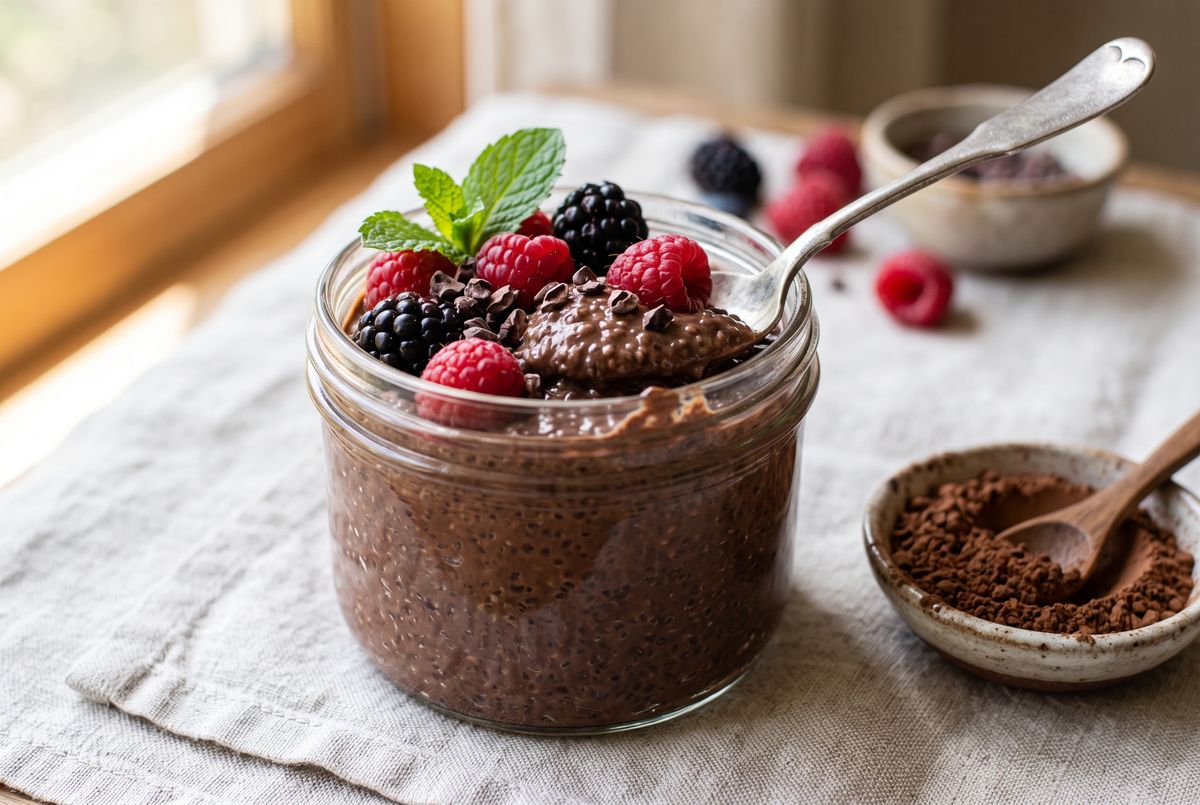
Cocoa is one of the few sweet things with a serious vascular literature behind it. The active compounds are flavanols, and a study in humans traced the benefit of flavanol-rich cocoa to one of them in particular, (-)-epicatechin, working through nitric oxide — the signal that tells blood vessels to relax (Proceedings of the National Academy of Sciences, 2006).
Meta-analyses of cocoa and of flavonoid-rich foods more broadly report favorable effects on cardiovascular risk factors, blood pressure among them. The amounts used in dark chocolate trials are modest, on the order of 25 g a day, which is a small daily habit rather than a bar a night. This pudding is built to deliver that cocoa without the sugar it usually arrives with, and chia adds viscous soluble fiber and plant omega-3 along the way.
Why this works
The engine of this recipe is unsweetened cocoa powder, which carries the flavanols without the sugar and milk solids of a chocolate bar. The cacao nibs and shaved 85 percent chocolate on top are there for texture and for a little more of the same compound. Chia seeds do the structural work: they absorb the milk and set the pudding, and the viscous soluble fiber responsible for that texture comes packaged with plant omega-3. Raspberries and blackberries add their own polyphenols and enough tartness to keep the cocoa from tasting austere, which matters if you want to eat this more than once.
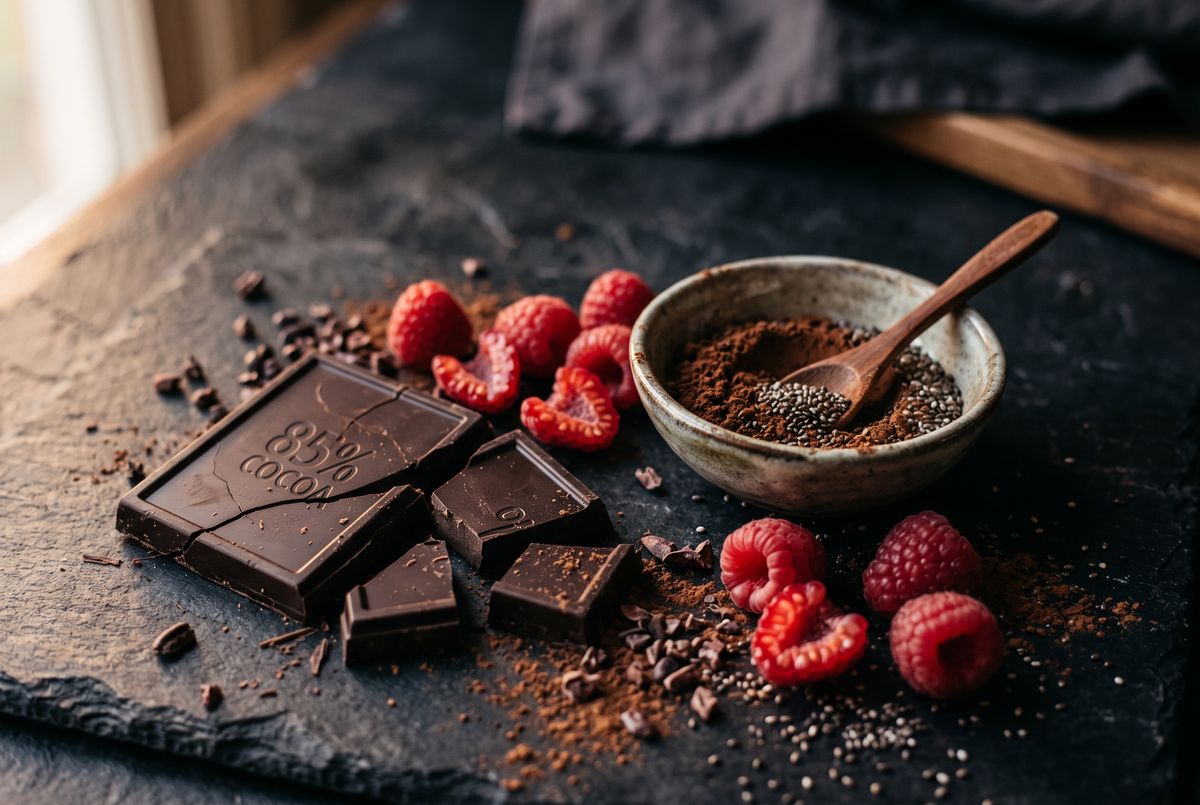
Ingredients · serves 2
- 3 tbsp unsweetened cocoa powder (non-alkalized if you can find it)
- ¼ cup chia seeds
- 1¼ cups milk of choice, unsweetened
- 1 tsp vanilla
- 1–2 tsp maple syrup or honey — optional, keep it light
- ½ cup raspberries and blackberries
- 1 tbsp cacao nibs
- A square of 85% dark chocolate, shaved
Method
- Whisk the cocoa into the milk first, until no lumps remain — this is the step people skip and regret.
- Stir in the chia, vanilla and sweetener if using.
- Refrigerate at least 4 hours or overnight, stirring once after 20 minutes to stop clumping.
- Top with berries, cacao nibs and shaved dark chocolate.
Getting the most from it
Read the cocoa label. Natural, non-alkalized cocoa keeps more of its flavanols than heavily Dutch-processed powder, and milk chocolate loses most of them to sugar and milk solids — the bitterness you taste is the signal that the active compounds are still there. Whisk the cocoa into the milk before the chia goes in, or you will spend the morning picking out lumps, and let it set overnight. Keep any sweetener to a teaspoon or two.
Nutrition Facts
Calculated for one serving from USDA FoodData Central values for the ingredients above. An estimate, not a lab analysis.
How this was calculated. Each ingredient was converted to grams, matched to a food in USDA FoodData Central (SR Legacy, April 2018), summed, and divided by 2 servings. Cooking losses, draining and the real size of a handful all move these numbers, so treat them as a good estimate rather than a measurement. Added sugars count honey, maple syrup and table sugar only; sugar from whole fruit is not an added sugar.
- Cocoa, dry powder, unsweetened
- Seeds, chia seeds, dried
- Milk, whole, 3.25% milkfat, with added vitamin D
- Vanilla extract
- Syrups, maple
- Raspberries, raw
- Blackberries, raw
- Chocolate, dark, 70-85% cacao solids
21 PubMed citations
In the large COSMOS randomized trial of older adults, daily cocoa extract did not significantly reduce the primary…
19 PubMed citations
In small randomized trials, magnesium-L-threonate improved composite cognition versus placebo in older adults with…
21 PubMed citations
Randomized trials and meta-analyses indicate that grape seed extract can modestly lower blood pressure — pooled…
The research behind this recipe
Primary sources for the claims above. Effects reported in these papers describe the compound or the dietary pattern studied — not this specific dish.
More blood pressure & the potassium-forward plate recipes
 Blood pressure
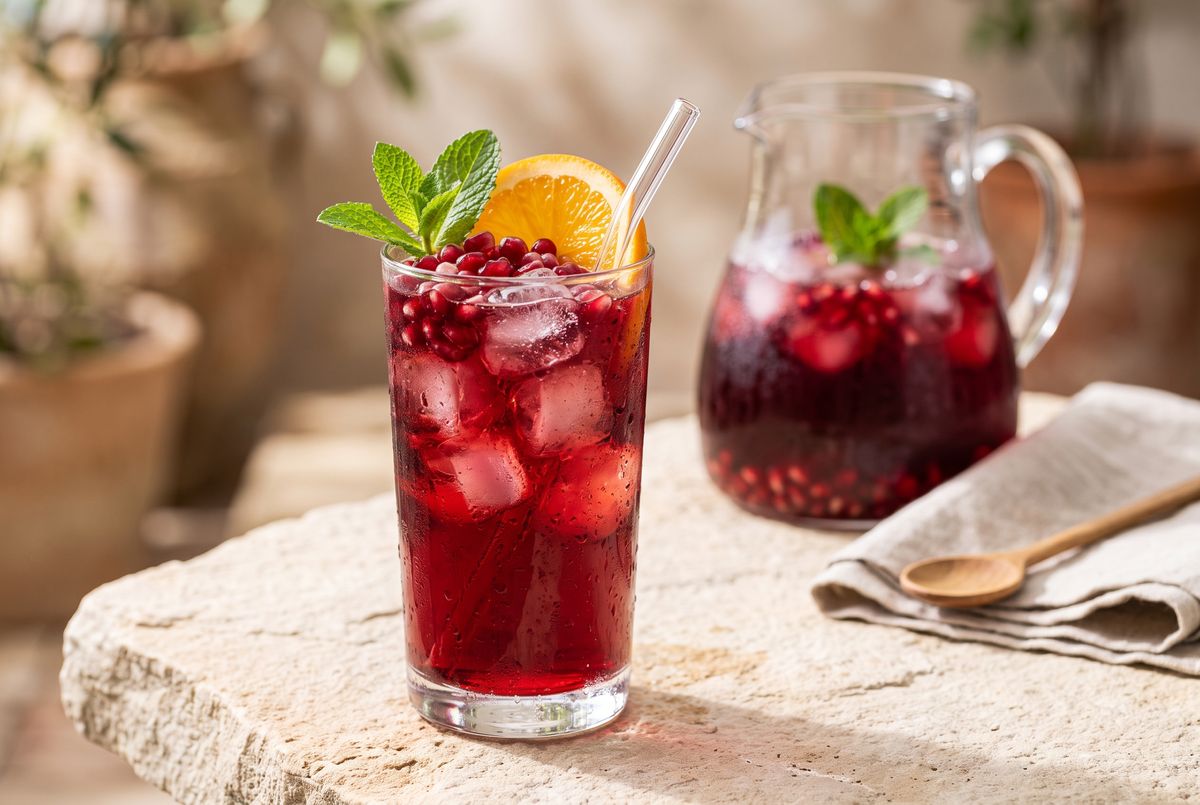
In randomized trials, hibiscus (sour tea) produced small but real drops in blood pressure. This tart, caffeine-free cooler pairs…
 Blood pressure
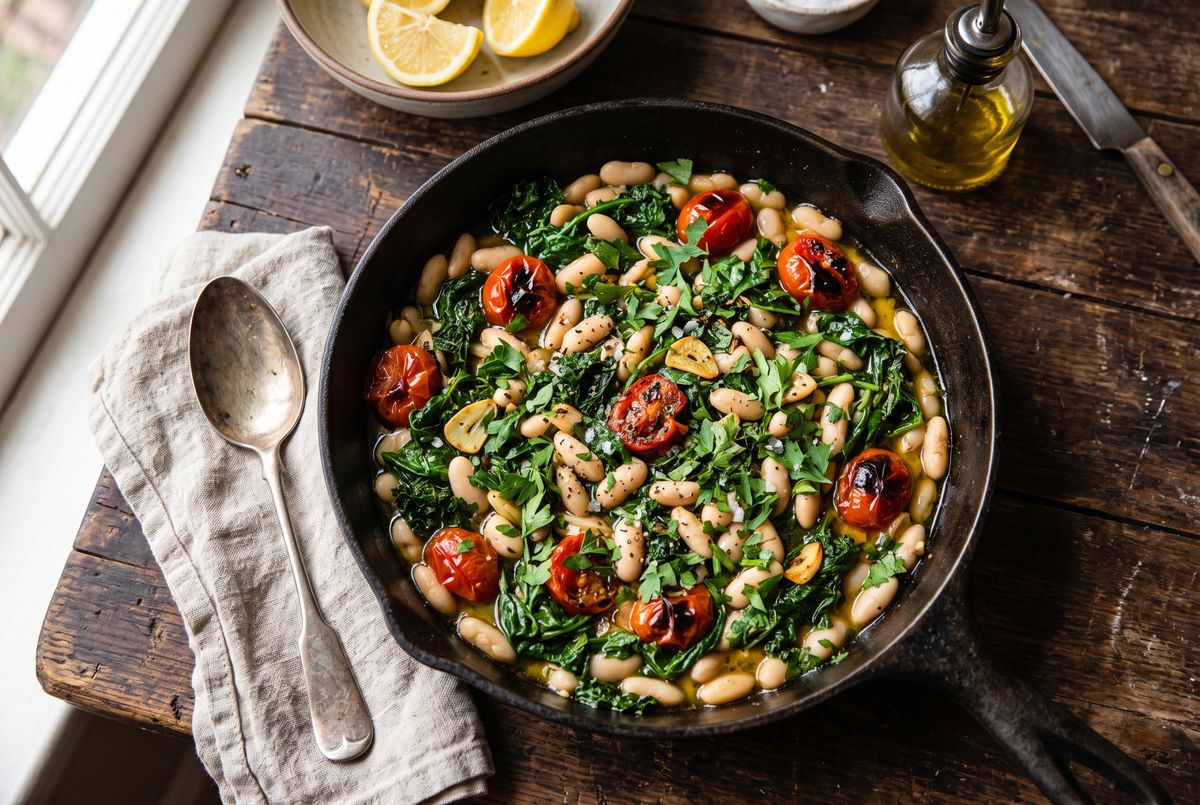
Raw-crushed garlic plus potassium-rich beans and leafy greens — a savory, 20-minute skillet aimed squarely at healthy blood…
 Blood pressure
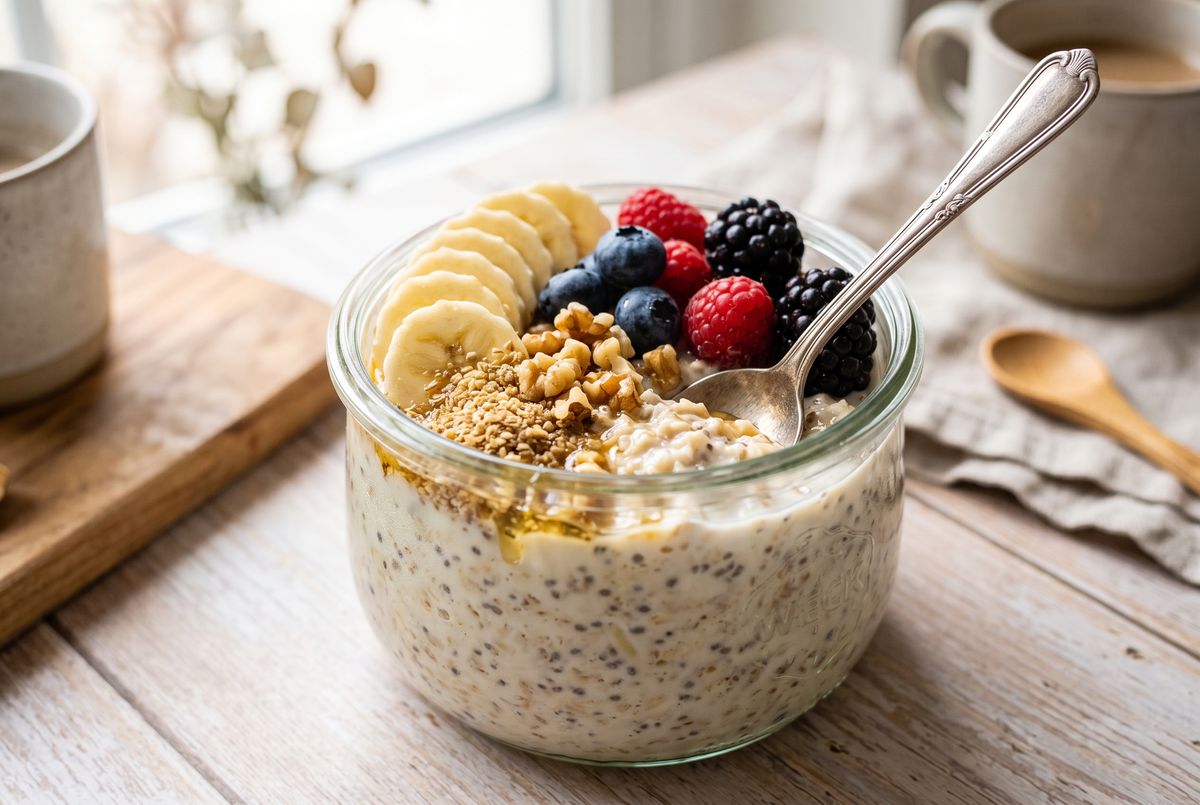
Oat beta-glucan, potassium from banana, and ground flaxseed — three foods with randomized-trial support for lower blood…
Keep reading
Nitric oxideBlood pressureOmega-3Dietary fiberOmega-3: the evidenceOmega-3 and AgingThe supplement guideResearch mapPathway universe