Ruby Borscht with Kefir Swirl
Beets are the most-studied dietary nitrate source, with meta-analytic evidence of modest blood-pressure lowering. This borscht pairs them with fiber-rich beans and cabbage, plus a live-culture kefir swirl added off heat.
- Mechanism
- Nitric oxide
- Cited studies
- 4
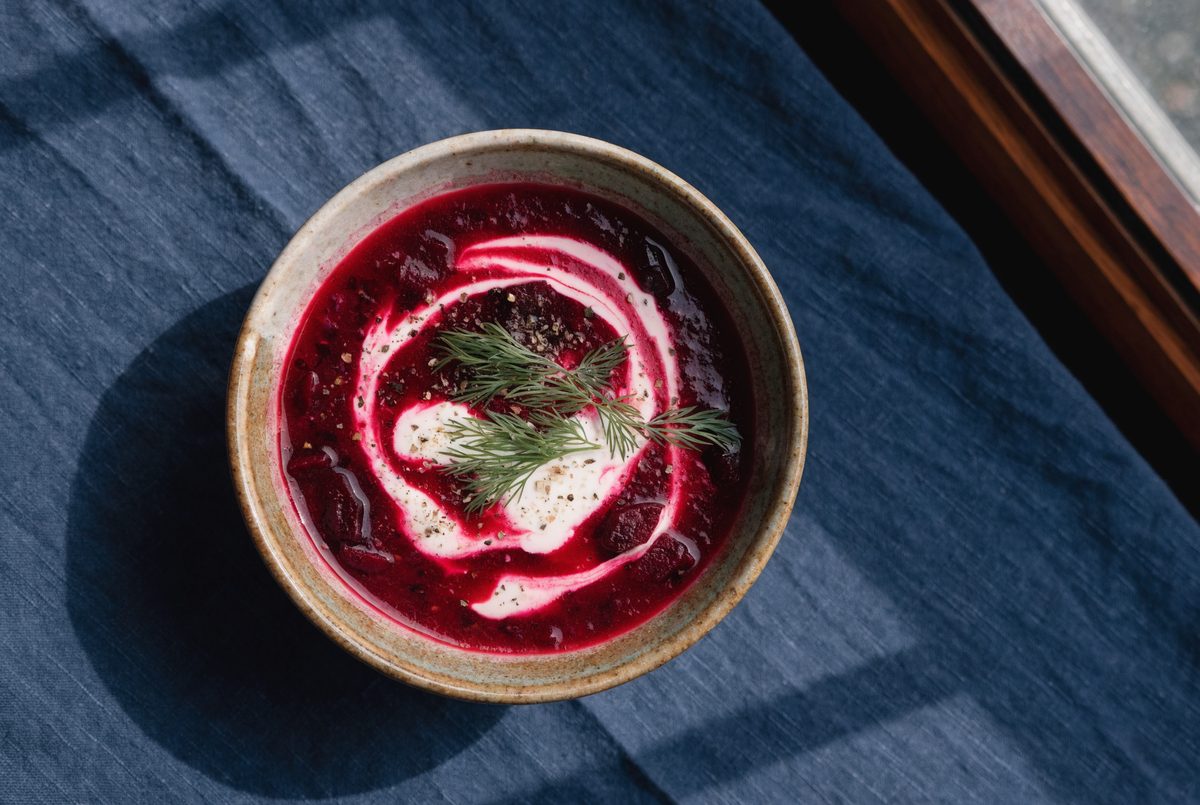
Beets are the most-studied food in the dietary-nitrate literature, and the evidence is genuinely decent by nutrition-science standards. A systematic review and meta-analysis of sixteen randomized trials (The Journal of Nutrition, 2013) found that inorganic nitrate and beetroot juice lowered systolic blood pressure by roughly 4 mmHg — a real effect, though most trials were short and used concentrated juice rather than a bowl of soup. The mechanism is unusually well mapped for a food: bacteria on the tongue reduce nitrate to nitrite, which the body converts to nitric oxide, and an early crossover study (Hypertension, 2008) showed the blood-pressure dip tracking plasma nitrite almost hour by hour. Beets also happen to be one of the richest food sources of betaine, which lowers homocysteine in feeding studies but has never been shown to change hard outcomes on its own.
The kefir swirl stands on thinner ice. A meta-analysis of nine randomized trials (Hypertension, 2014) found probiotic consumption lowered systolic pressure by about 3 mmHg, but mainly with multiple strains and at least eight weeks of use — an encouraging signal, not a promise. The white beans and cabbage are the quiet workhorses: large evidence syntheses (The Lancet, 2019) tie higher fiber intake to 15–30 percent lower cardiovascular mortality, though that association is built mostly on observational cohorts. Supportive of eating this way; curative of nothing.
Why this works
Beets carry both dietary nitrate and betaine into the pot, and simmering keeps nitrate largely in the broth you eat. Green cabbage adds a second, milder nitrate source plus fermentable fiber. White beans bring resistant starch and soluble fiber that colonic bacteria ferment into short-chain fatty acids. Garlic, crushed and rested, contributes allicin as a bonus. The kefir goes in off the heat for a reason: its live cultures — the whole point of a probiotic ferment — do not survive a simmer. Dill is there because borscht without dill is just beet soup.
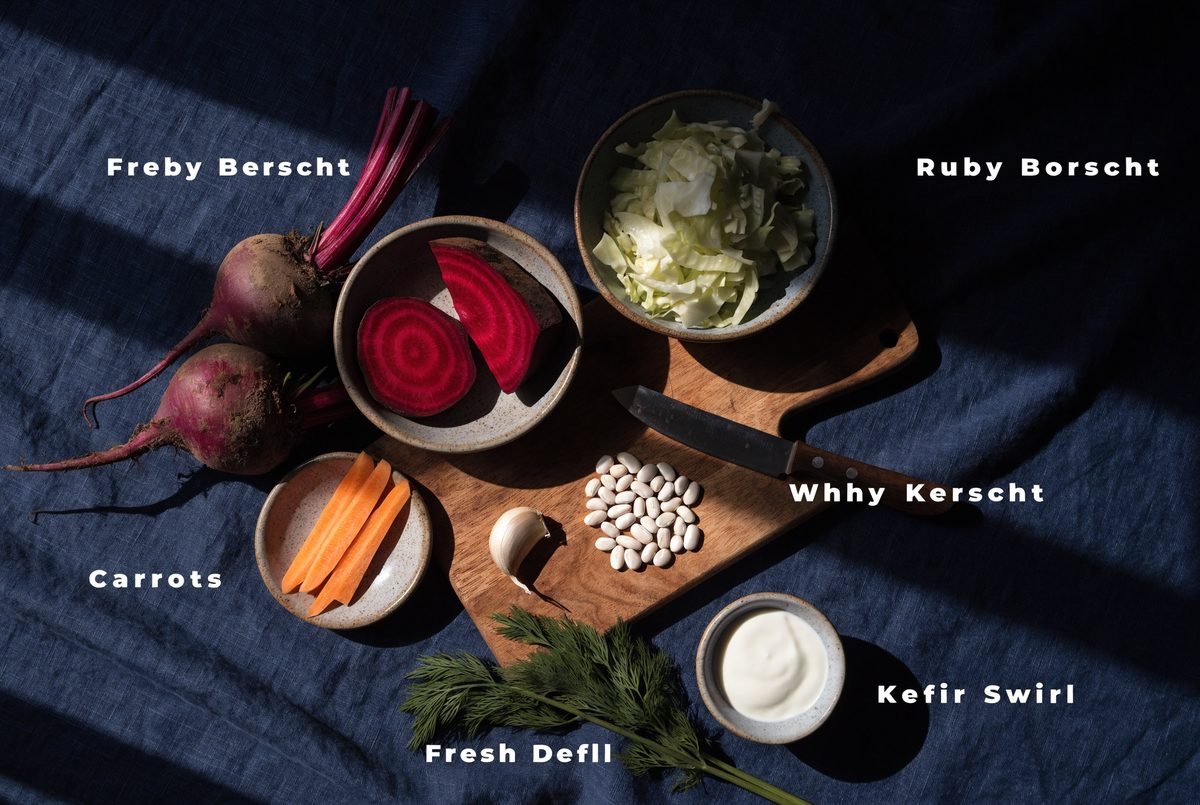
How to make it
- Warm 2 tbsp olive oil in a soup pot and soften 1 diced onion and 2 diced carrots, about 8 minutes.
- Add 4 crushed garlic cloves (crush them 10 minutes ahead) and cook 1 minute until fragrant.
- Stir in 3 medium beets, peeled and coarsely grated, plus half a small green cabbage, shredded. Add 6 cups vegetable broth and simmer 25 minutes until tender.
- Add 1½ cups cooked white beans and a splash of red-wine vinegar or lemon juice; warm through 5 minutes and season with salt and pepper.
- Rest the pot off the heat for a few minutes so it is hot but not scalding.
- Ladle into bowls and swirl 2–3 tbsp cold plain kefir into each serving — never into the pot — then shower with chopped fresh dill.
Serves 4. The soup improves overnight; store it kefir-less and add the swirl fresh at each serving so the cultures arrive alive.
24 PubMed citations
Meta-analyses of randomized trials show that beetroot juice and dietary nitrate lower blood pressure—about 5 mmHg…
23 PubMed citations
Human trials and meta-analyses consistently show that oral betaine lowers fasting and post-methionine-load plasma…
21 PubMed citations
Randomized trials and meta-analyses indicate that inulin-type fructans reliably increase stool frequency and improve…
The research behind this recipe
Primary sources for the claims above. Effects reported in these papers describe the compound or the dietary pattern studied — not this specific dish.
More nitric oxide & blood flow recipes
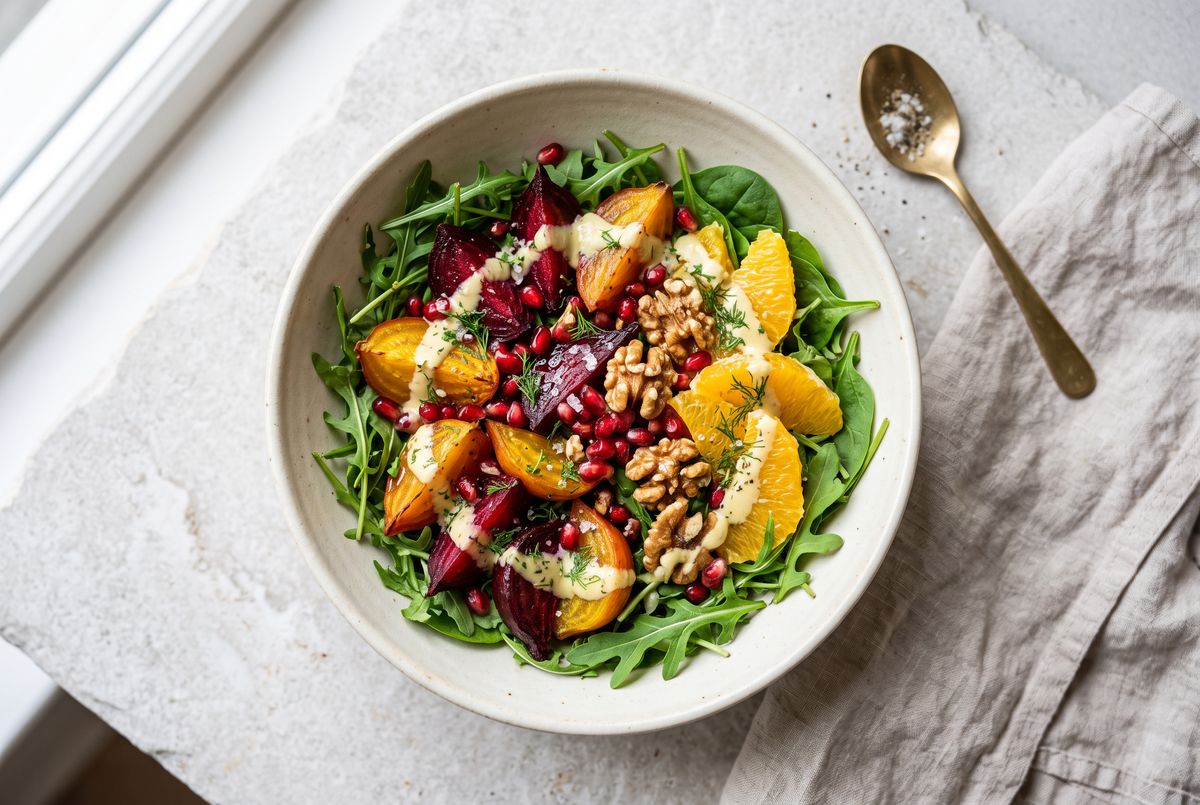 Nitric oxide
Beetroot and arugula are two of the richest dietary sources of nitrate — the raw material your body converts into nitric oxide…
 Nitric oxide
Watermelon is the richest everyday food source of L-citrulline — the amino acid your body converts into L-arginine, the raw…
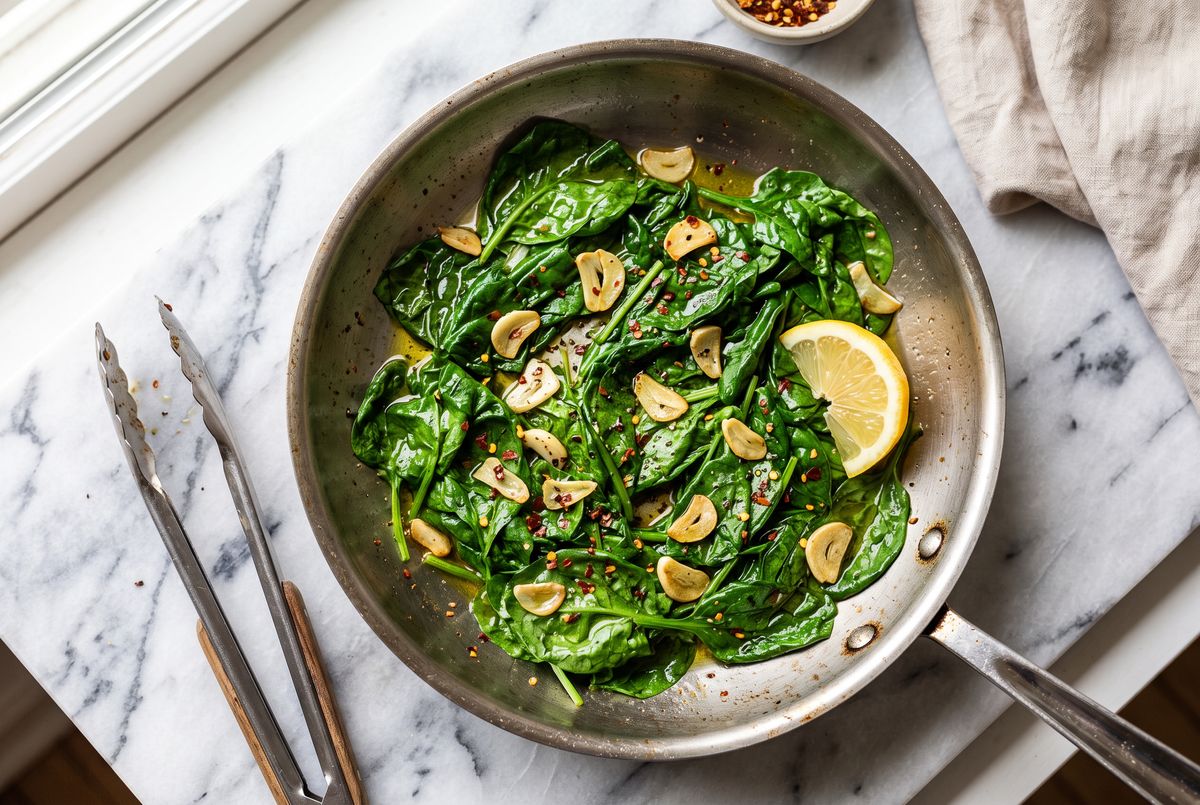 Nitric oxide
Spinach sits alongside arugula and beets at the top of the dietary-nitrate list, and a controlled trial found nitrate-rich…
Keep reading
Nitric oxideBeetroot & dietary nitrateBlood pressureProbioticsThe supplement guideResearch mapPathway universe