Beet–Ginger Pre-Workout Shot
A small, concentrated hit of beet juice about two hours before training — the timing and dose most closely matching the nitrate research.
- Mechanism
- Nitric oxide
- Yield
- makes 4 small shots
- Ingredients
- 5
- Steps
- 3
- Cited studies
- 4
- Course
- Drink
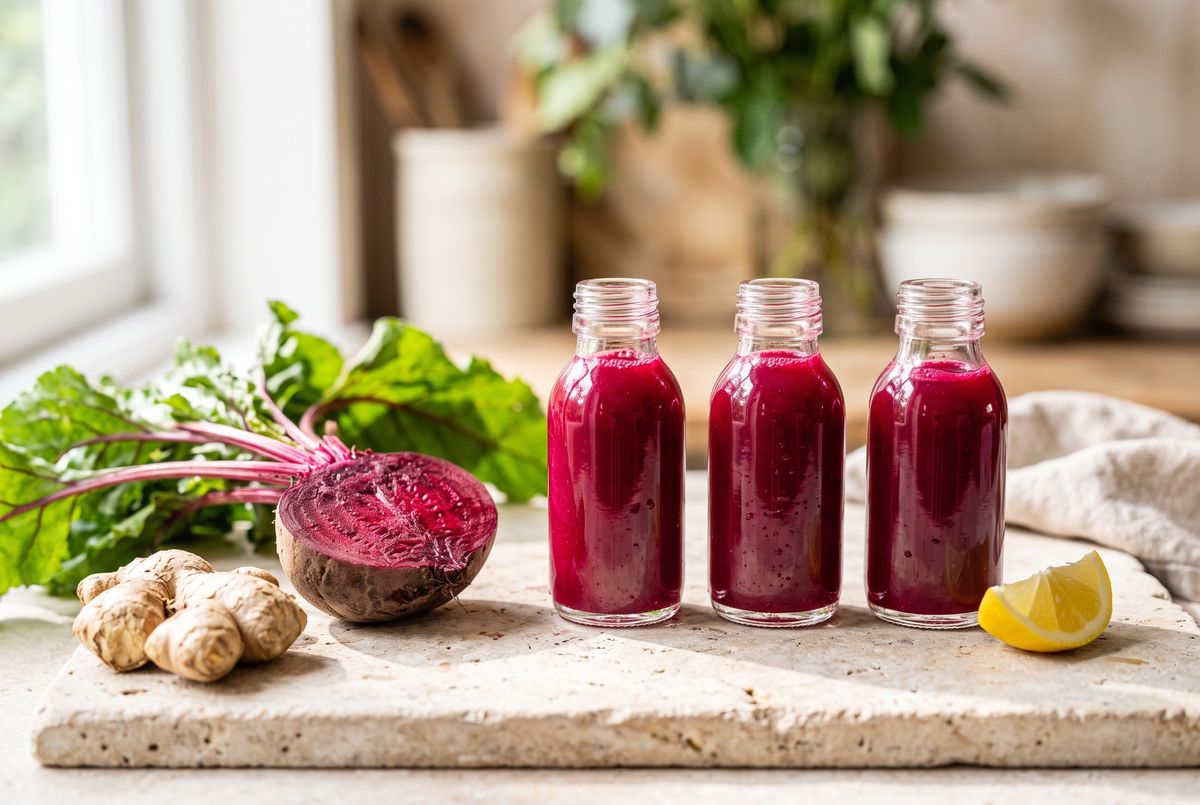
Beetroot juice is the most studied whole-food source of dietary nitrate, and timing matters more than people expect. Plasma nitrite, the intermediate your body makes from nitrate, peaks roughly two to three hours after you drink it — which is why trials dose beet juice well before exercise rather than at the gym door. Reviews of nitrate metabolism trace that route from the mouth to the working muscle (Medicine and Science in Sports and Exercise, 2021).
A meta-analysis of inorganic nitrate and beetroot juice supplementation found blood-pressure reductions in adults, and a placebo-controlled trial in people with hypertension found that the lowering was sustained rather than momentary (Hypertension, 2015). A study in sedentary men also reported that nitrate-rich beet juice reduced muscle oxygen uptake and blood flow during exercise (Journal of Physiology, 2021). Performance effects are real but small, and they vary a lot between people.
Why this works
The beets are the only ingredient here carrying nitrate, so everything else is in service of getting them down. Four beets make four small shots rather than four glasses, which is deliberate — concentrated beet juice is easier to drink in a few ounces than a pint, and small bottles make the two-to-three-hour timing simple to plan around. Ginger cuts the earthy, mineral note that puts people off raw beets. The apple is optional and does the same job with sweetness instead of heat. Lemon keeps the juice tasting fresh in the fridge, and a pinch of salt rounds off the flavor the way it does in any juice.
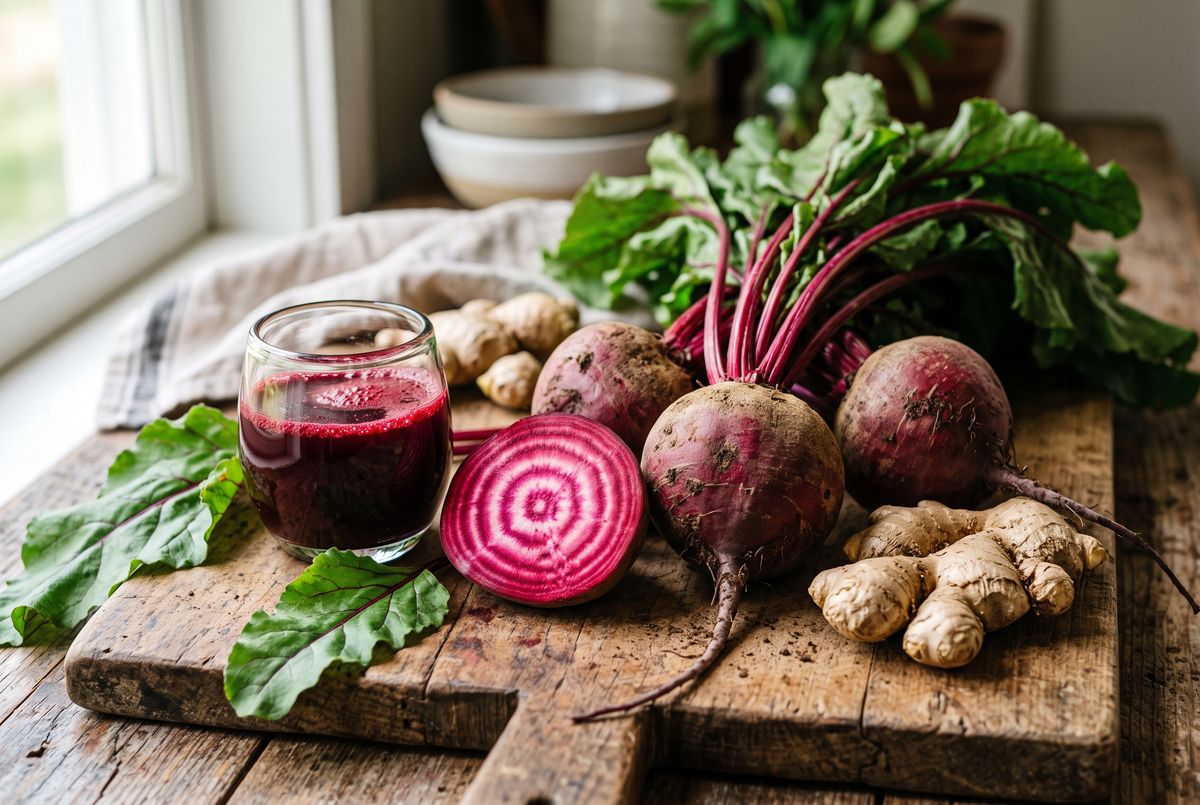
Ingredients · makes 4 small shots
- 4 medium raw beets (about 1 lb), scrubbed
- A 2-inch knob of fresh ginger
- 1 tart apple (optional, for balance)
- Juice of 1 lemon
- A pinch of sea salt
Method
- Juice the beets, ginger and apple. No juicer? Blend with ½ cup water and strain through a fine sieve or nut-milk bag.
- Stir in the lemon juice and a pinch of salt.
- Pour into 4 small bottles. Drink one about 2–3 hours before training; keep the rest refrigerated up to 3 days.
Getting the most from it
Start with one small shot and take it with a little food, since concentrated beet juice can sit badly on an empty stomach. Do not be alarmed if your urine or stool turns pink afterward; it is harmless and common. Buy firm beets with the greens still attached if you can, because limp tops mean the roots have been sitting. Scrub rather than peel, and save the greens to saute like spinach.
Nutrition Facts
Calculated for one serving from USDA FoodData Central values for the ingredients above. An estimate, not a lab analysis.
How this was calculated. Each ingredient was converted to grams, matched to a food in USDA FoodData Central (SR Legacy, April 2018), summed, and divided by 4 servings. Cooking losses, draining and the real size of a handful all move these numbers, so treat them as a good estimate rather than a measurement. Added sugars count honey, maple syrup and table sugar only; sugar from whole fruit is not an added sugar.
- Beets, raw
- Ginger root, raw
- Apples, raw, golden delicious, with skin
- Lemon juice, raw
24 PubMed citations
Meta-analyses of randomized trials show that beetroot juice and dietary nitrate lower blood pressure—about 5 mmHg…
21 PubMed citations
Meta-analyses of controlled trials indicate that beta-alanine produces a small but statistically significant overall…
23 PubMed citations
Across meta-analyses and randomized trials, creatine monohydrate combined with resistance training modestly increases…
The research behind this recipe
Primary sources for the claims above. Effects reported in these papers describe the compound or the dietary pattern studied — not this specific dish.
More nitric oxide & blood flow recipes
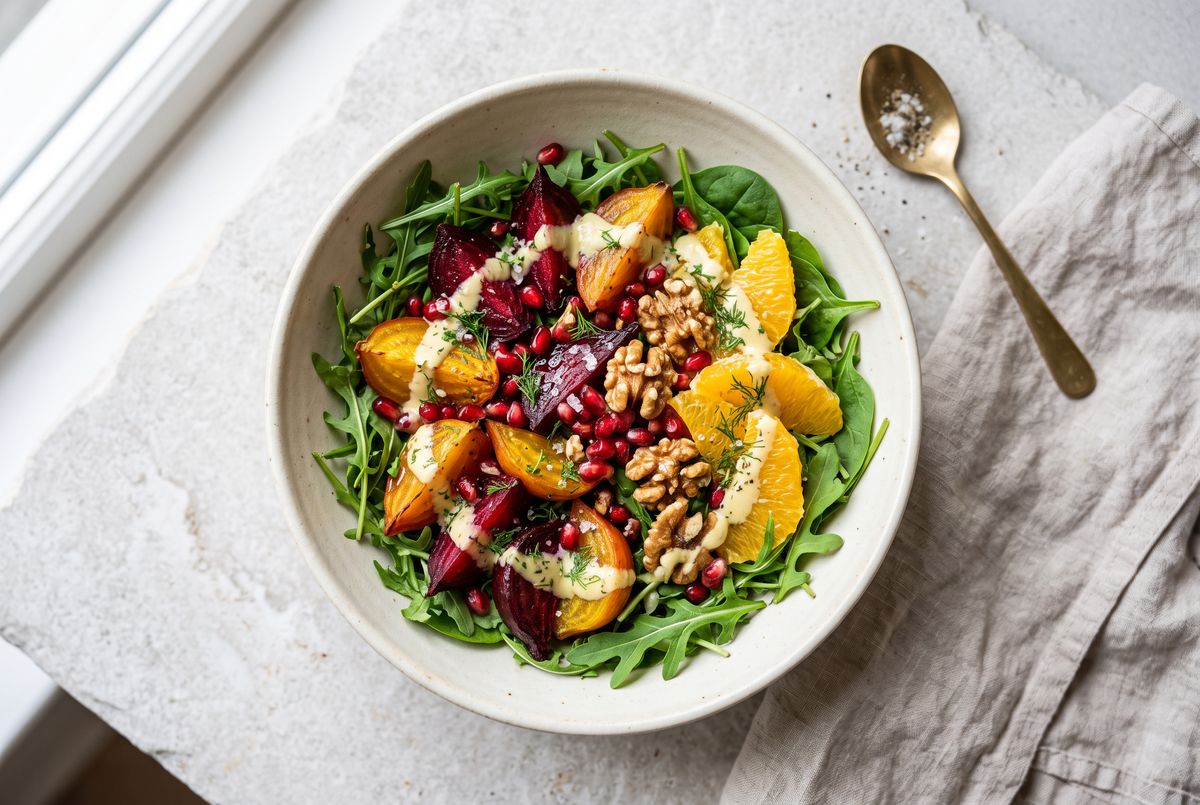 Nitric oxide
Beetroot and arugula are two of the richest dietary sources of nitrate — the raw material your body converts into nitric oxide…
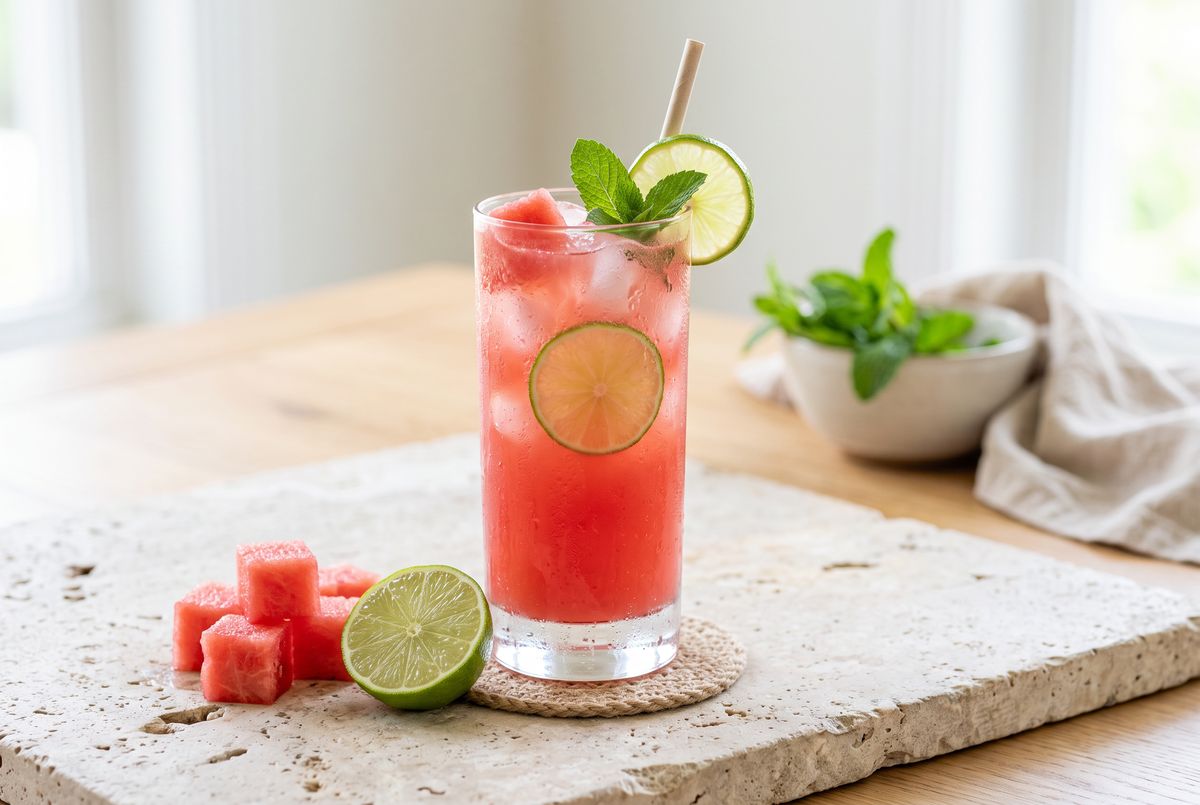 Nitric oxide
Watermelon is the richest everyday food source of L-citrulline — the amino acid your body converts into L-arginine, the raw…
 Nitric oxide
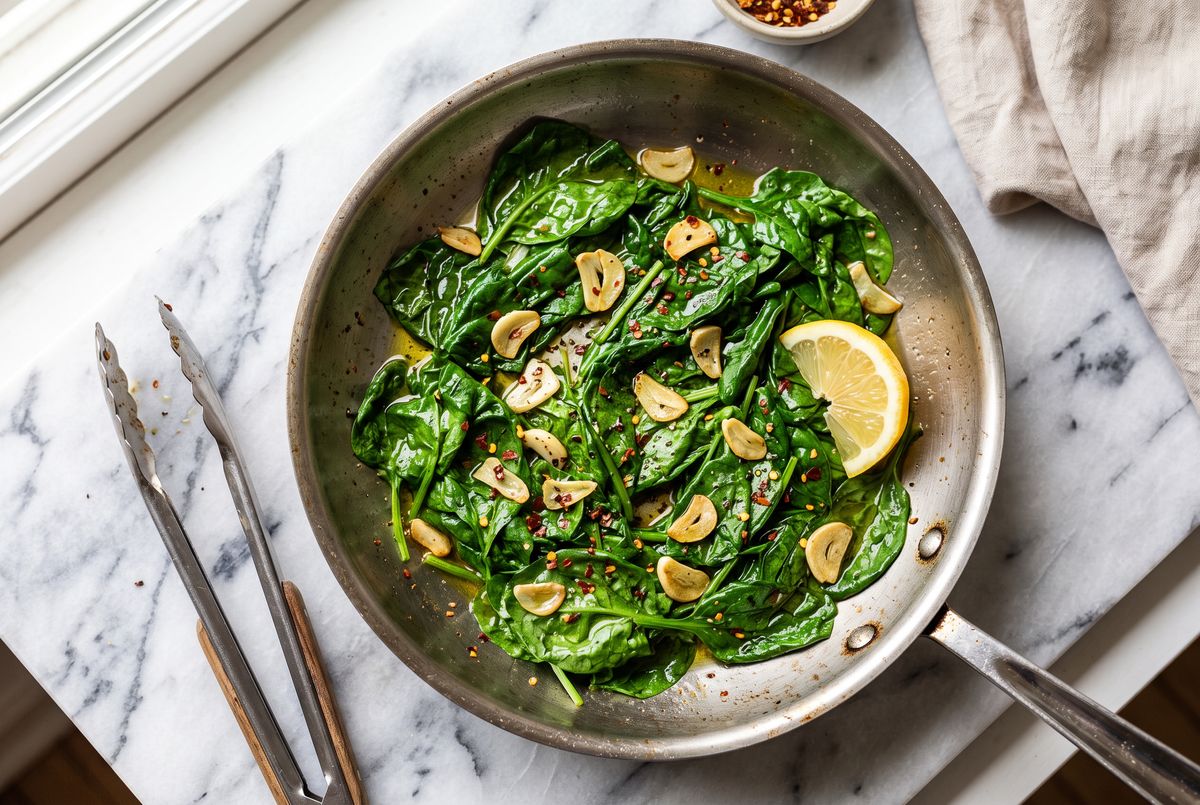
Spinach sits alongside arugula and beets at the top of the dietary-nitrate list, and a controlled trial found nitrate-rich…
Keep reading
Beetroot & dietary nitrateCreatineCreatine: the evidenceCreatine for Healthy AgingThe supplement guideResearch mapPathway universe