Flax & Walnut Banana Bread
Two of the richest ALA foods, flax and walnuts, baked into one loaf, with meta-analyses on cholesterol and blood pressure behind them. Ripe bananas keep the added sugar low and the potassium up.
- Mechanism
- Omega-3
- Cited studies
- 5
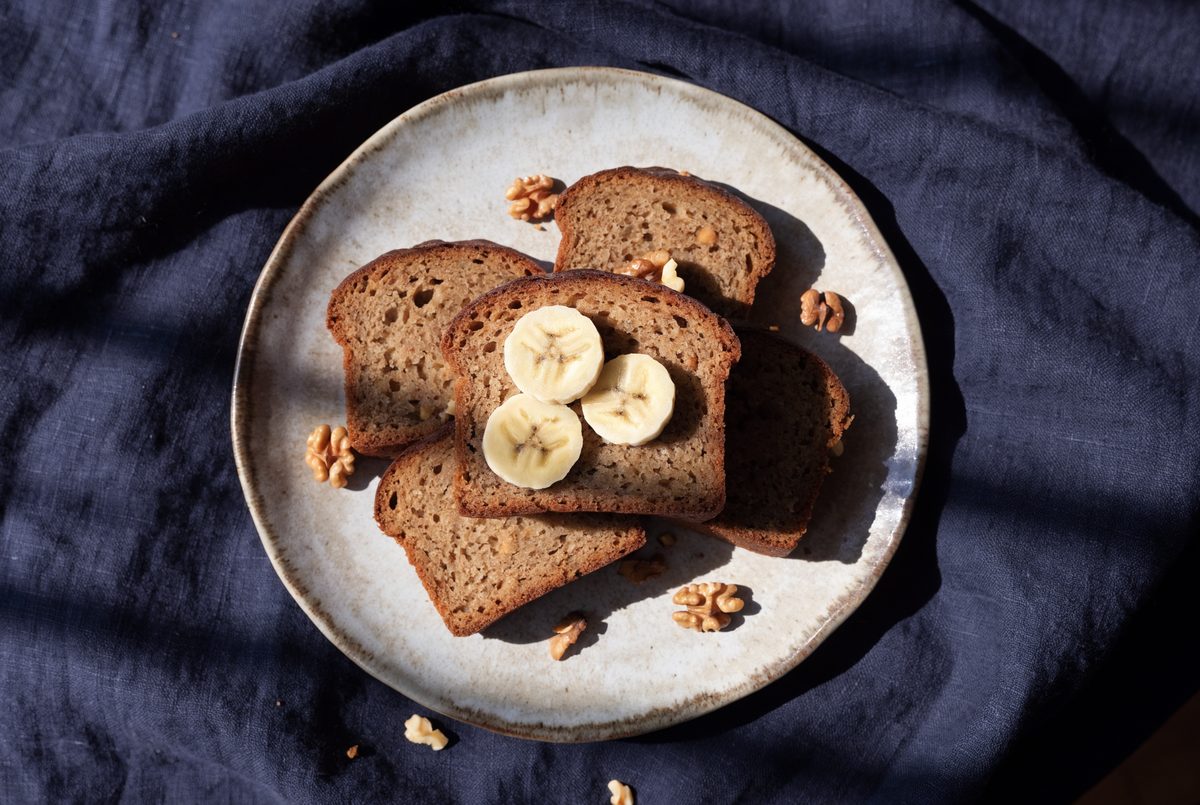
Flaxseed and walnuts are the two most concentrated everyday sources of alpha-linolenic acid (ALA), the plant omega-3, and each has accumulated genuine evidence — for cardiovascular risk markers, not for lifespan itself. A systematic review and meta-analysis (American Journal of Clinical Nutrition, 2012) found that higher ALA intake was associated with a modestly lower risk of cardiovascular disease, on the order of ten percent, though the authors flagged real heterogeneity across the underlying studies. Walnuts have something stronger: a pooled analysis of thirteen controlled feeding trials (American Journal of Clinical Nutrition, 2009) found that walnut-enriched diets lowered total and LDL cholesterol compared with control diets, without moving body weight.
Ground flaxseed carries its own line of randomized evidence: a meta-analysis of controlled trials (Journal of Nutrition, 2015) reported modest blood-pressure reductions, largest when whole or ground seed — not extracted oil — was eaten for more than twelve weeks. None of this turns a sweet loaf into medicine. The honest framing is substitution: if you are going to bake banana bread anyway, a loaf built on flax, walnuts, oats, and olive oil carries compounds with far better evidence behind them than butter and white flour do.
Why this works
Ground flaxseed and walnuts supply the ALA — roughly two grams per tablespoon of flax and per small handful of walnuts — plus lignans and polyphenols that survive baking reasonably well. Ripe bananas do double duty: enough sweetness that added sugar stays minimal, and about 400 mg of potassium apiece spread through the loaf. Rolled oats and the flax also contribute magnesium, which matters because higher circulating magnesium has been associated with lower ischemic heart disease risk in pooled prospective data (American Journal of Clinical Nutrition, 2013). Pasture-raised eggs bind the crumb and add choline, a nutrient most adults under-consume relative to adequate-intake levels (Nutrition Reviews, 2009), and olive oil swaps butter's saturated fat for monounsaturated fat. Cinnamon is here for warmth, not claims.
How to make it
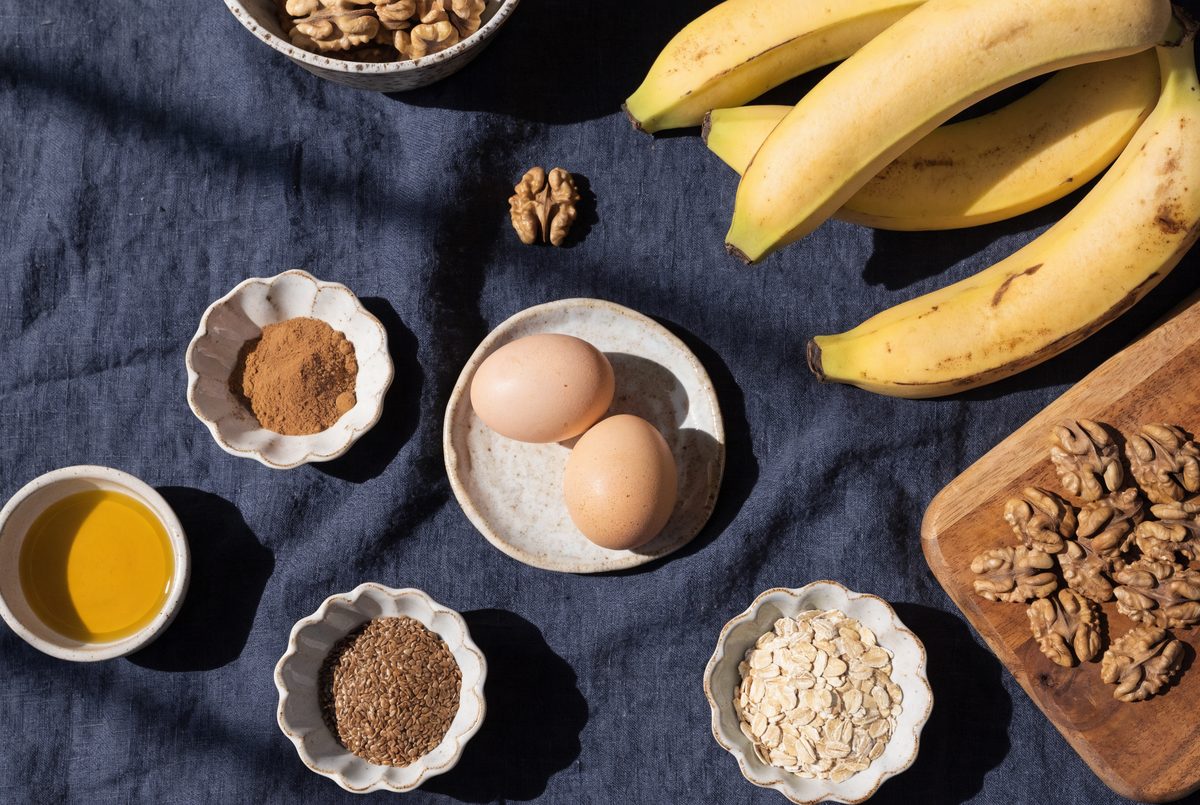
- Heat the oven to 350°F (175°C) and line a loaf pan with parchment. Blitz 150 g rolled oats into a rough flour.
- Mash 3 very ripe bananas. Whisk in 2 eggs, 60 ml olive oil, 3 tablespoons maple syrup, and a teaspoon of vanilla.
- Stir in the oat flour, 60 g ground flaxseed, 1 teaspoon cinnamon, 1 teaspoon baking soda, and a pinch of salt until just combined.
- Fold in 80 g roughly chopped walnuts, holding a few back for the top.
- Scrape into the pan, top with the reserved walnuts and a few banana coins, and bake 50–55 minutes, until a skewer comes out clean.
- Cool completely before slicing — flax-heavy loaves finish setting as they cool.
Makes one loaf, about ten slices, each carrying roughly 2 g of ALA. Keeps four days covered, or freeze individual slices.
23 PubMed citations
The best-supported clinical use of ALA is for symptomatic diabetic peripheral neuropathy: randomized trials and…
19 PubMed citations
In small randomized trials, magnesium-L-threonate improved composite cognition versus placebo in older adults with…
19 PubMed citations
Pooled analyses of randomized trials indicate oral magnesium lowers blood pressure by a small amount—about 2 mmHg in a…
The research behind this recipe
Primary sources for the claims above. Effects reported in these papers describe the compound or the dietary pattern studied — not this specific dish.
More gut bacteria & essential fats recipes
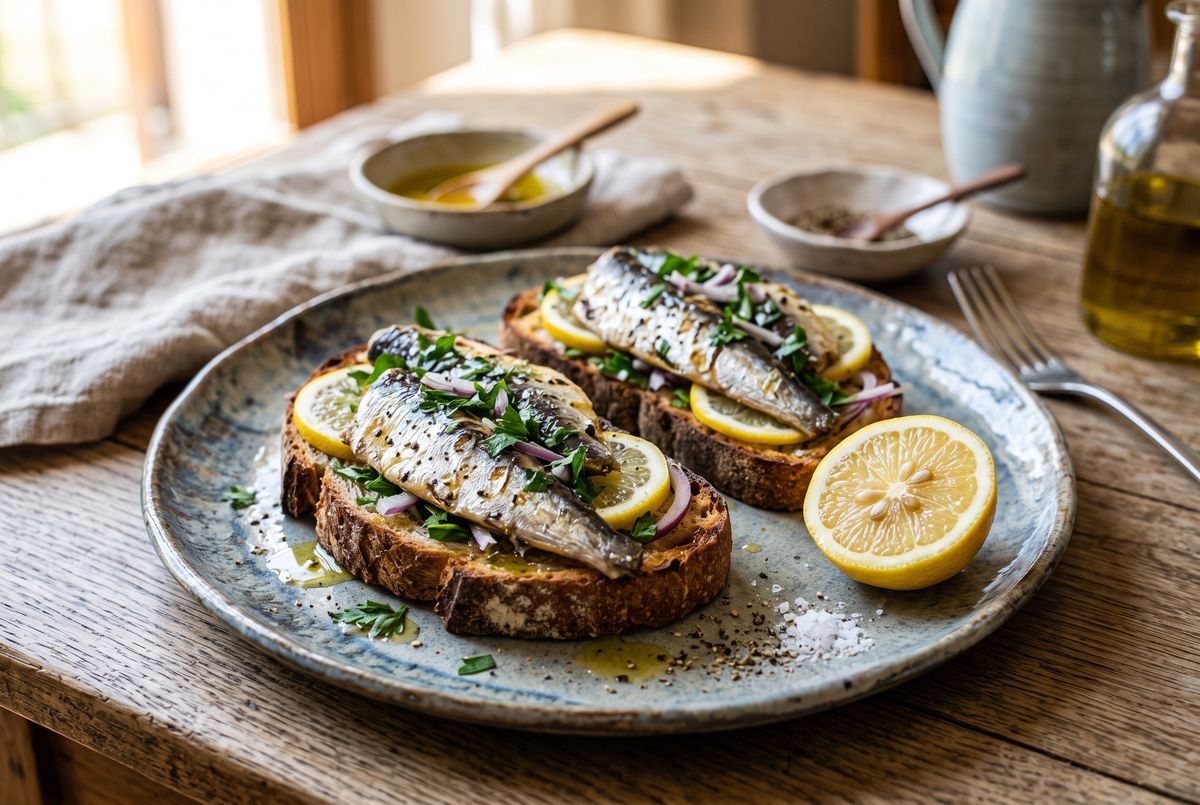 Omega-3
The cheapest serious longevity food in the store: one tin brings EPA and DHA, vitamin D and CoQ10 together.
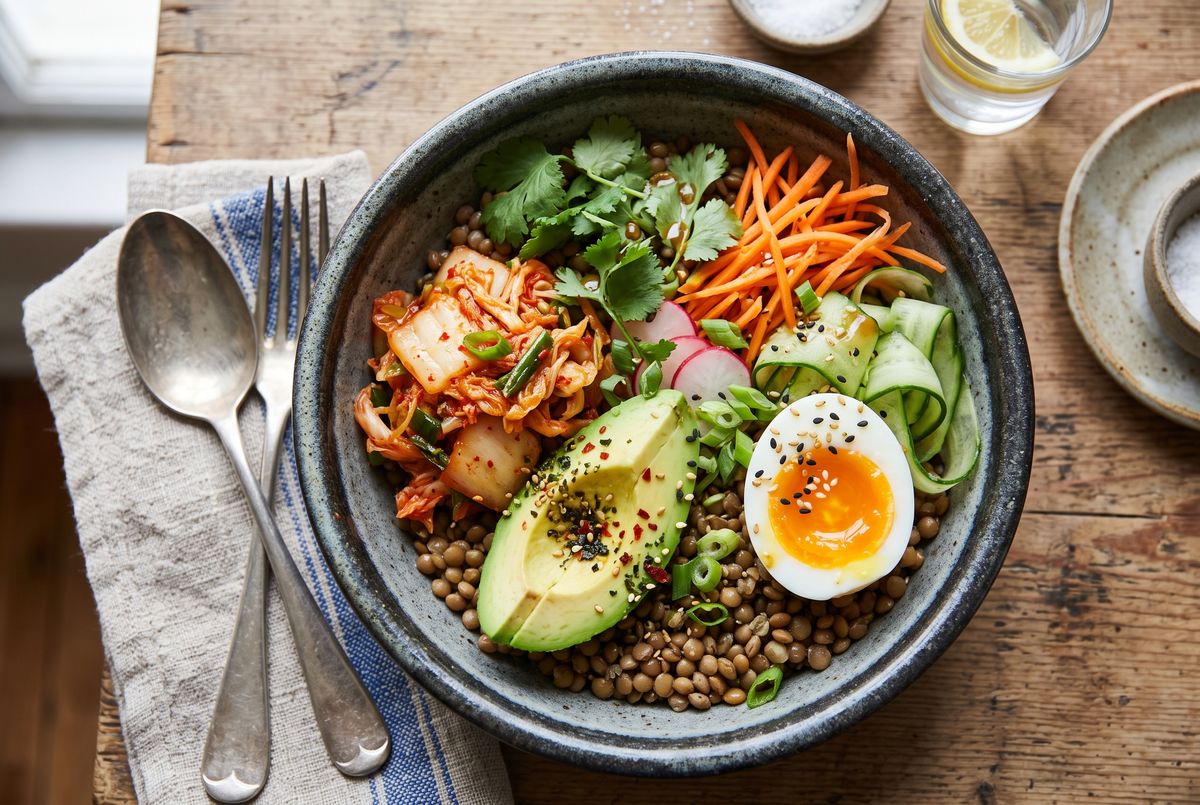 Gut & microbiome
Fermented food for the bacteria you swallow, and fiber for the bacteria you already have — the two halves of gut health in one…
 Omega-3
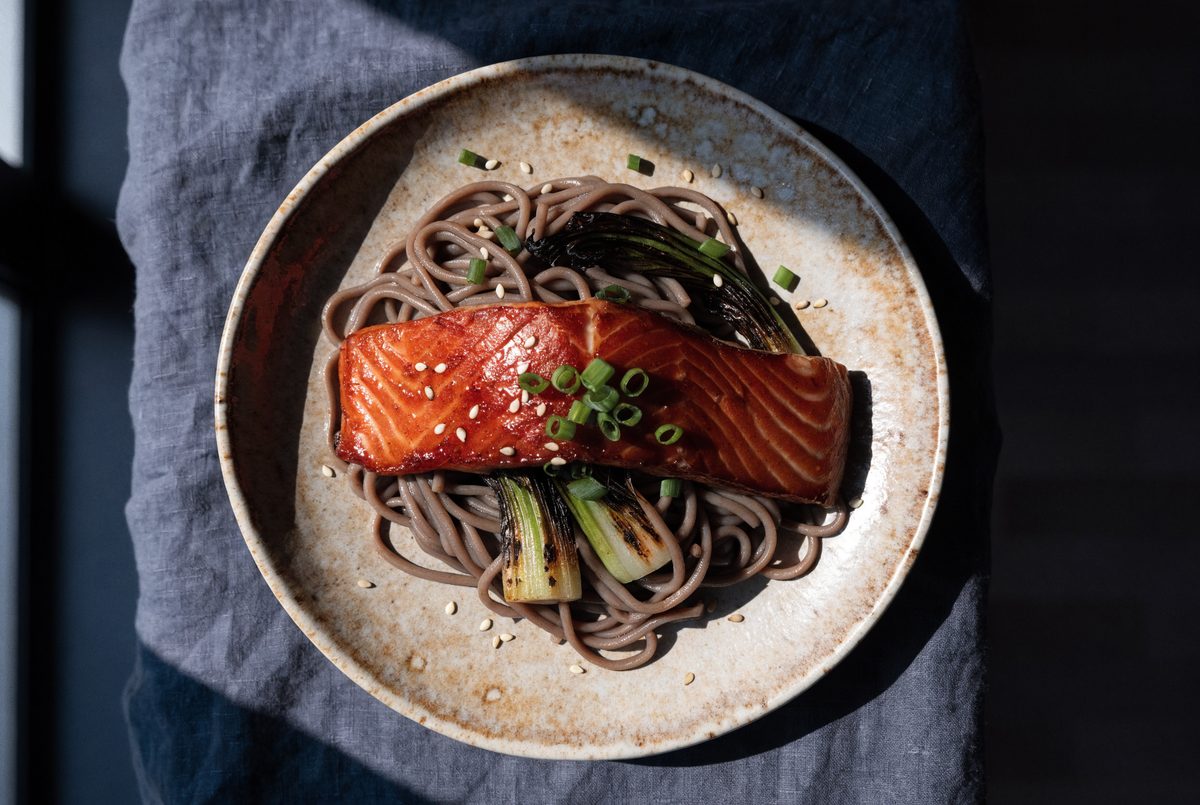
Wild salmon delivers EPA and DHA with astaxanthin in its color, miso brings fermented depth, and bok choy adds dietary nitrate…
Keep reading
Blood pressureOmega-3MagnesiumAlpha-lipoic acidOmega-3: the evidenceOmega-3 and AgingThe supplement guideResearch mapPathway universe