Kimchi & Lentil Gut Bowl
Fermented food for the bacteria you swallow, and fiber for the bacteria you already have — the two halves of gut health in one bowl.
- Mechanism
- Gut & microbiome
- Yield
- serves 2
- Ingredients
- 8
- Steps
- 4
- Cited studies
- 5
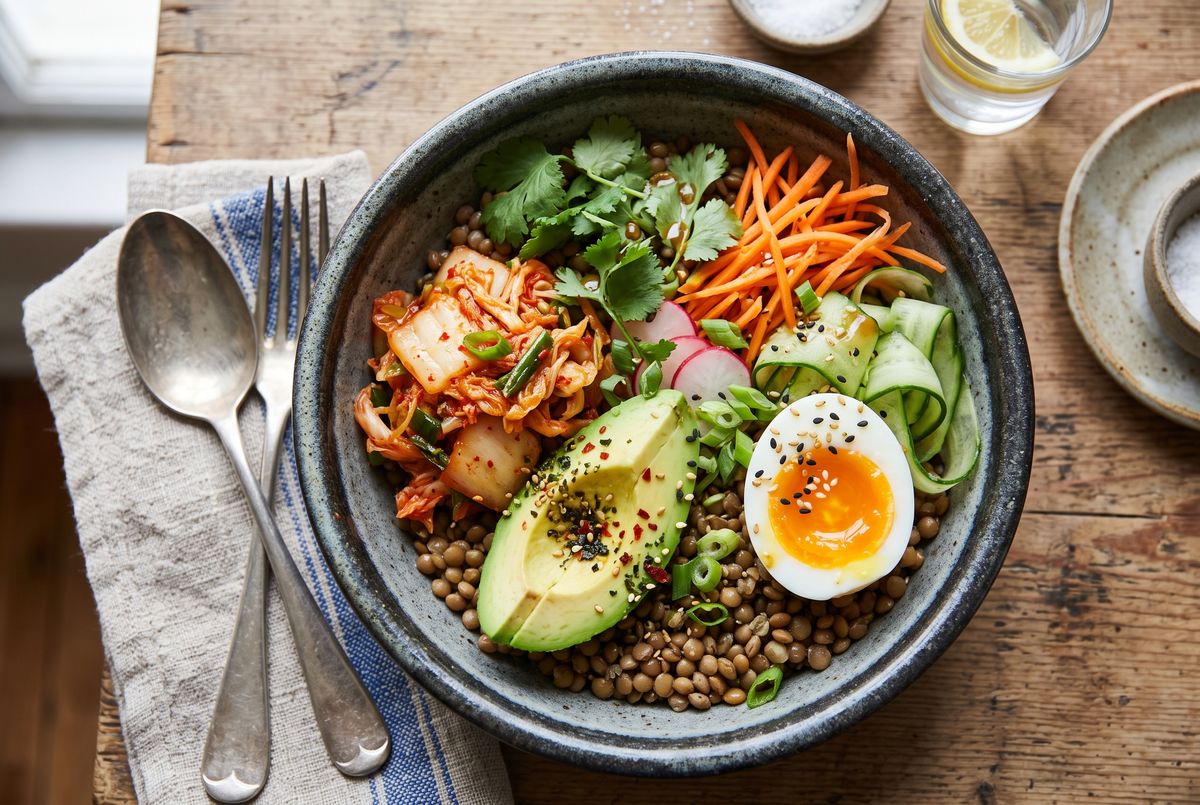
Gut health splits into two jobs, and this bowl does both. Kimchi brings live fermented food; lentils bring the fermentable fiber that feeds the bacteria already living in you. A controlled human study (Cell, 2021) tested those two approaches side by side and found that a high-fermented-food diet increased microbiome diversity and lowered inflammatory markers, while a high-fiber diet shifted the microbiome in a different direction. That is the argument for eating both rather than picking a side.
Randomized human work on fermentable fibers backs up the second half: a crossover trial of chicory inulin in low-fiber eaters (American Journal of Clinical Nutrition, 2020) and a study following three fermentable fibers and short-chain fatty acid production (mBio, 2019) both found the microbiome responding to what it was fed. The shifts are real but modest, and they belong to the habit rather than to any single bowl.
Why this works
The lentils are the base for a reason: they are one of the better everyday sources of fermentable fiber, the kind reviewed alongside inulin and polyphenols for its effect on beneficial species including Akkermansia muciniphila (Food and Function, 2024). Kimchi covers the live-culture side, and it brings its own garlic, onion and scallion — allium vegetables are where inulin, the best-studied prebiotic fiber, shows up in ordinary cooking. Raw carrot and cucumber add bulk and different fibers, avocado adds the fat that makes the bowl satisfying, and the eggs make it a meal instead of a side. The dressing is deliberately light on tamari, since salt is the one thing kimchi already supplies.
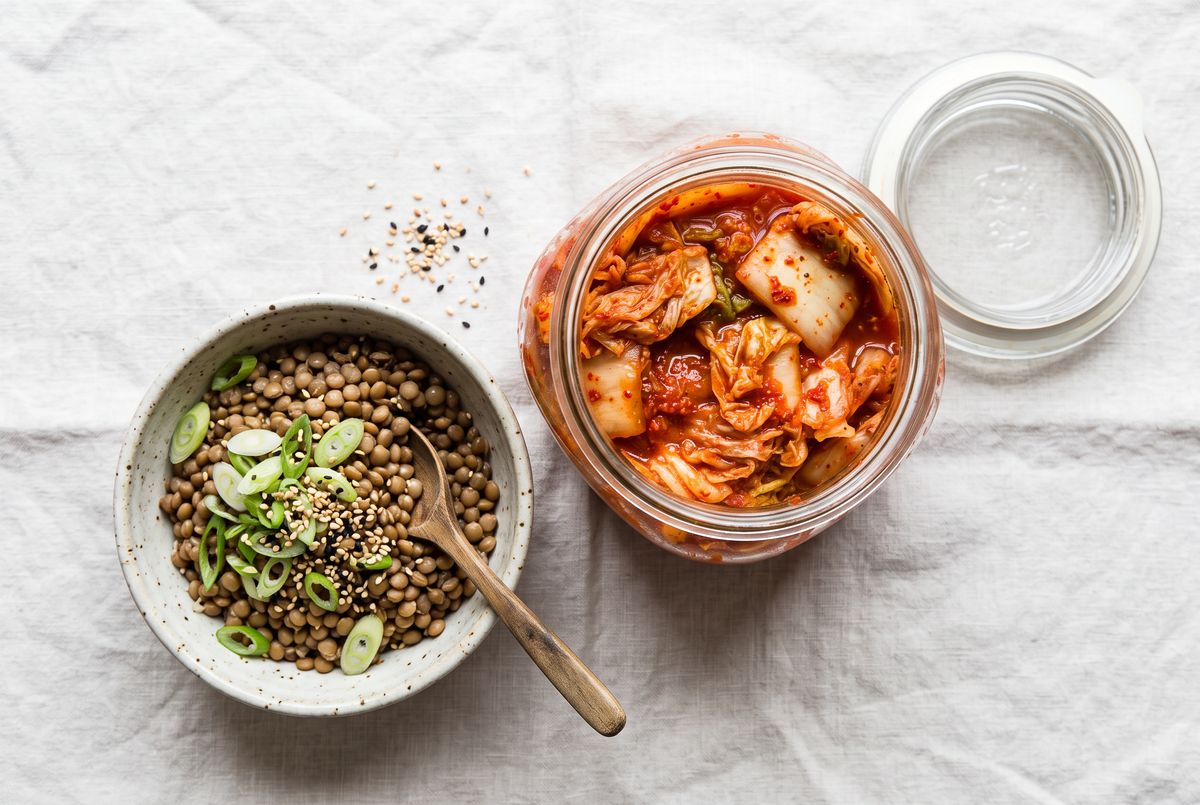
Ingredients · serves 2
- 1 cup cooked brown or green lentils
- ½ cup kimchi, roughly chopped
- 1 avocado, sliced
- 1 carrot, shredded
- ½ cucumber, sliced
- 2 eggs, soft-boiled
- 1 tsp sesame seeds, 1 scallion
- Dressing: 1 tsp sesame oil, 1 tsp rice vinegar, 1 tsp tamari
Method
- Soft-boil the eggs for 6½ minutes, then cool in ice water and peel.
- Whisk the sesame oil, vinegar and tamari together.
- Build the bowl: lentils as the base, then kimchi, avocado, carrot and cucumber in sections.
- Halve the eggs on top, drizzle with dressing, and finish with sesame seeds and scallion. Do not heat the kimchi — keep the cultures live.
Getting the most from it
Buy your kimchi from the refrigerated case. Shelf-stable jars are usually pasteurized, which kills the live cultures that are the whole reason it is here — look for a label that says raw or unpasteurized, and a lid that bulges slightly with fermentation gas. Add it cold, at the end, and never cook it. If you make a batch of lentils on the weekend, this bowl comes together in the time it takes to boil two eggs.
Nutrition Facts
Calculated for one serving from USDA FoodData Central values for the ingredients above. An estimate, not a lab analysis.
How this was calculated. Each ingredient was converted to grams, matched to a food in USDA FoodData Central (SR Legacy, April 2018), summed, and divided by 2 servings. Cooking losses, draining and the real size of a handful all move these numbers, so treat them as a good estimate rather than a measurement. Added sugars count honey, maple syrup and table sugar only; sugar from whole fruit is not an added sugar.
- Lentils, mature seeds, cooked, boiled, without salt
- Cabbage, kimchi
- Avocados, raw, all commercial varieties
- Carrots, raw
- Cucumber, with peel, raw
- Egg, whole, raw, fresh
- Seeds, sesame seeds, whole, roasted and toasted
- Onions, spring or scallions (includes tops and bulb), raw
- Oil, sesame, salad or cooking
- Vinegar, distilled
- Soy sauce made from soy (tamari)
24 PubMed citations
The strongest human evidence is indication-specific: a Cochrane review of 31 trials (8,672 participants) found…
14 PubMed citations
In a randomized, double-blind proof-of-concept trial in overweight or obese insulin-resistant adults, three months of…
21 PubMed citations
Randomized trials and meta-analyses indicate that inulin-type fructans reliably increase stool frequency and improve…
The research behind this recipe
Primary sources for the claims above. Effects reported in these papers describe the compound or the dietary pattern studied — not this specific dish.
More gut bacteria & essential fats recipes
 Omega-3
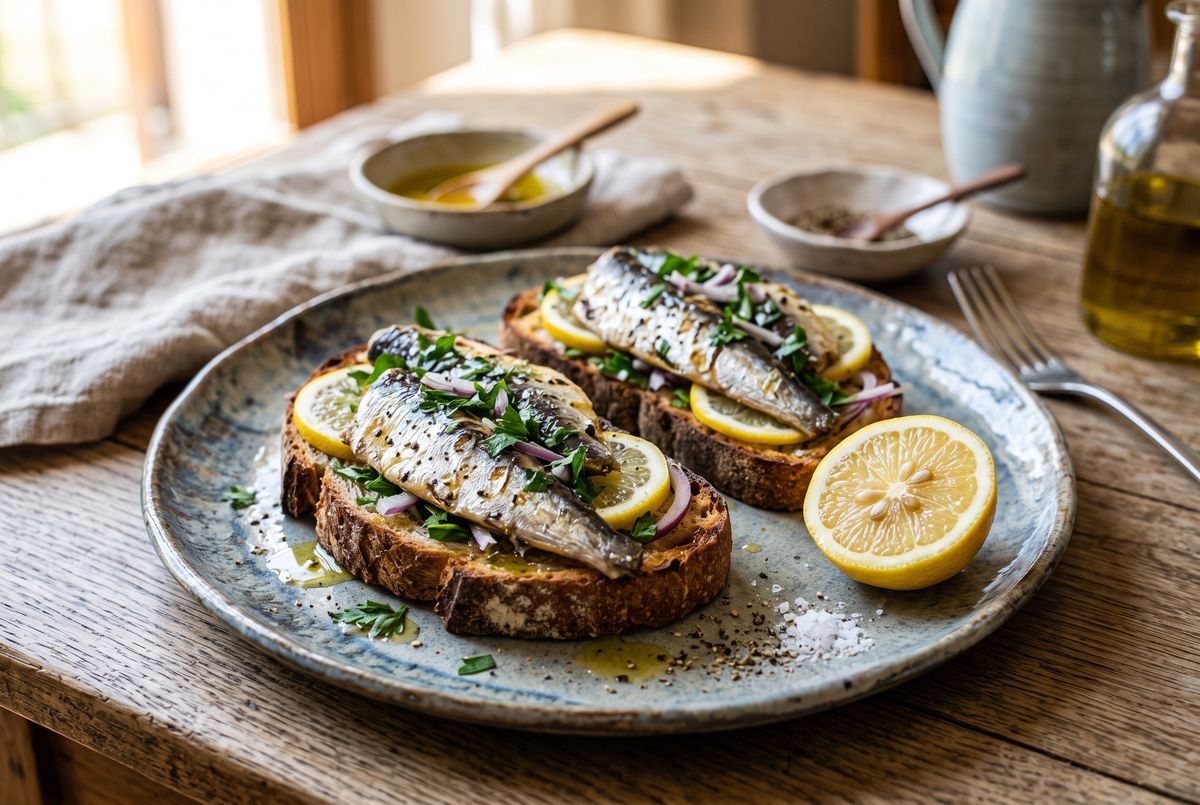
The cheapest serious longevity food in the store: one tin brings EPA and DHA, vitamin D and CoQ10 together.
 Omega-3
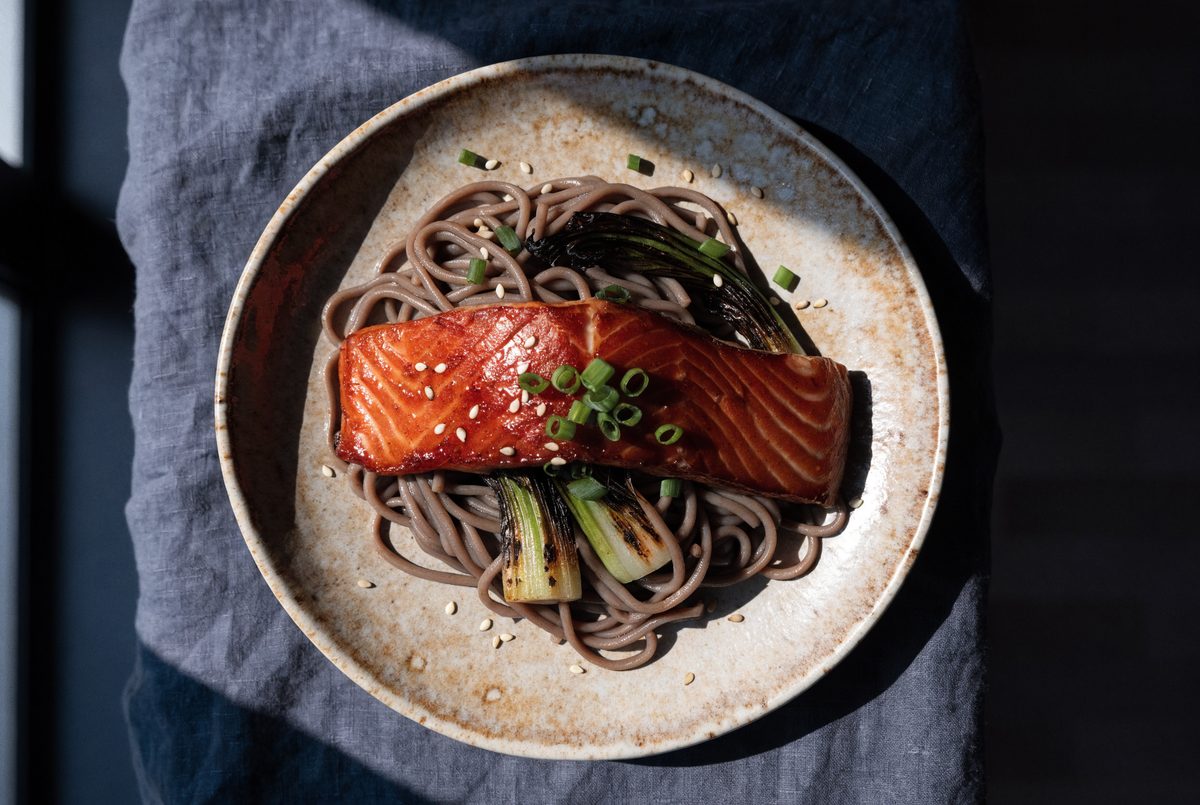
Wild salmon delivers EPA and DHA with astaxanthin in its color, miso brings fermented depth, and bok choy adds dietary nitrate…
 Omega-3
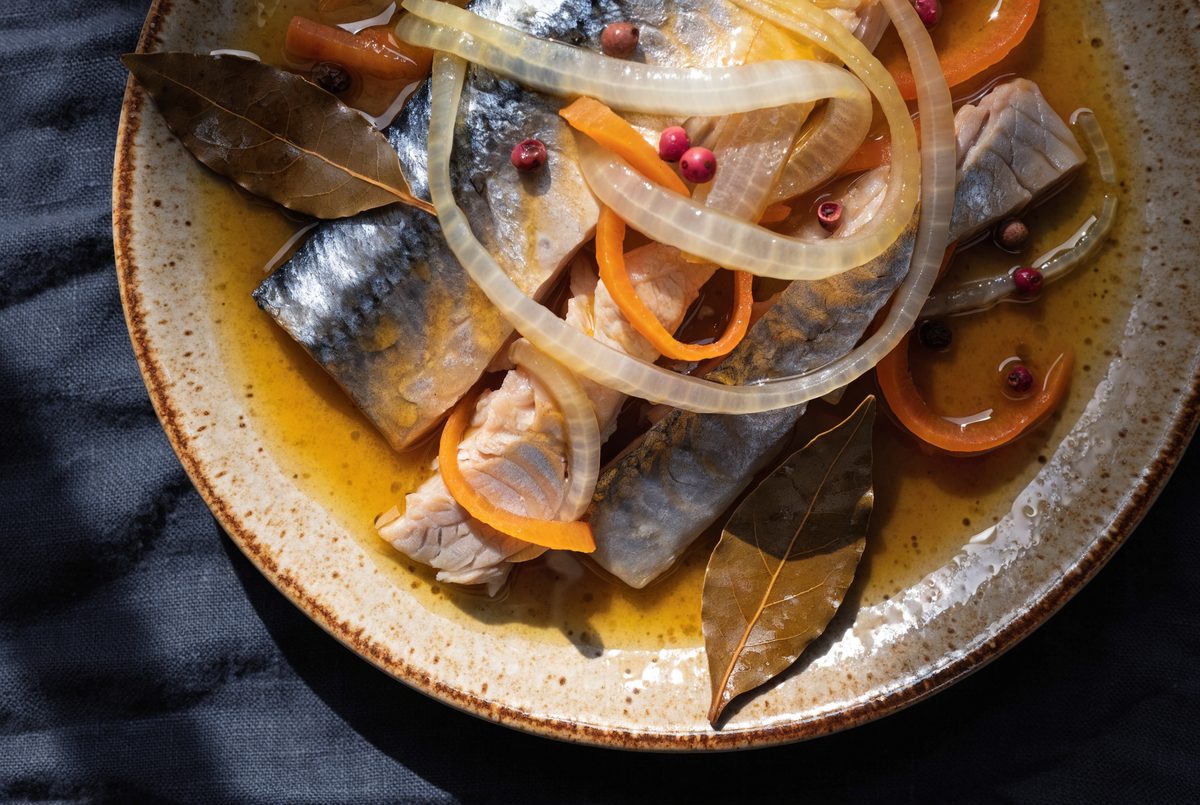
Mackerel is one of the richest and cheapest EPA+DHA fish there is; a sherry-vinegar escabeche with red onions, carrots, and…
Keep reading
The microbiomeProbioticsInulinAkkermansia muciniphilaThe supplement guideResearch mapPathway universe