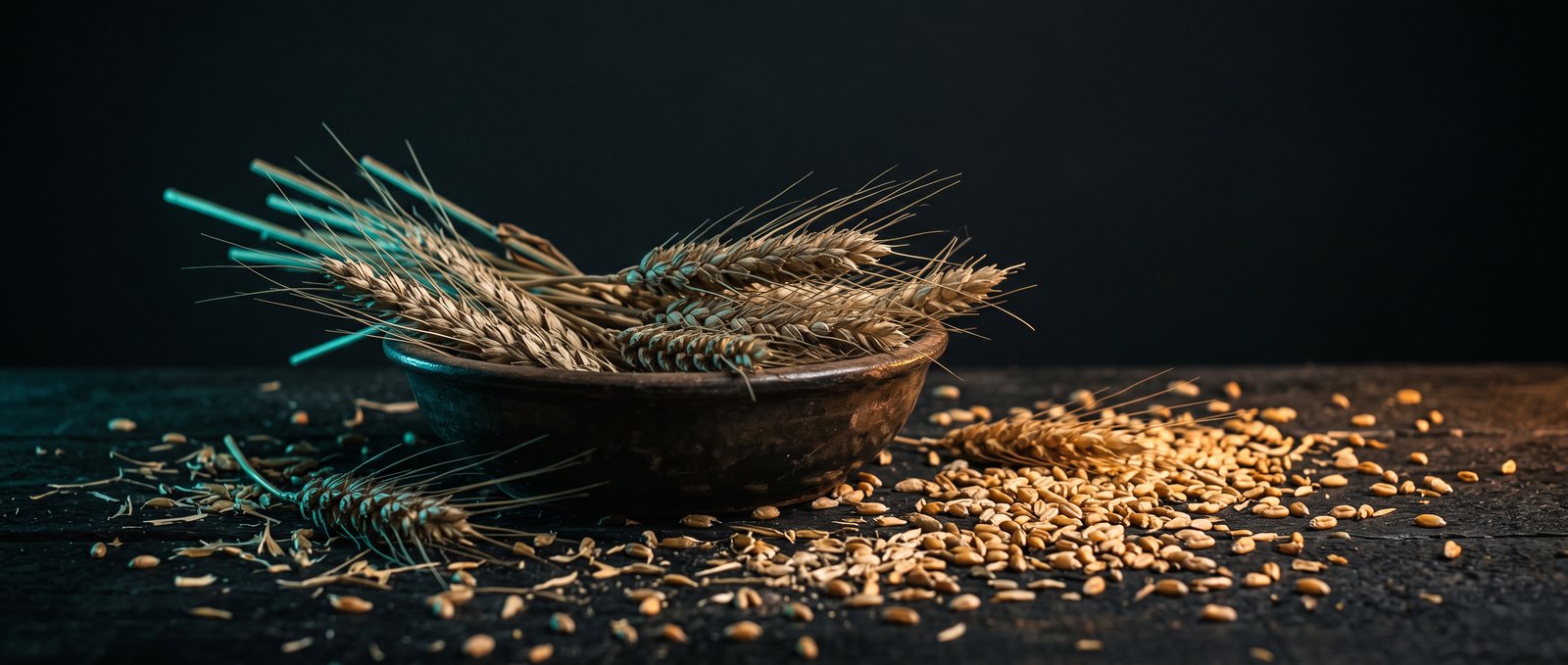
Spermidine, graded Moderate-evidence on Magellan — the most rigorous human trial to date (12-month SmartAge) found no cognitive or biomarker benefit at the 0.9 mg/day dose used in supplements, and oral bioavailability is unsettled. Human evidence is earlier-stage and genuinely mixed.
Source: The American Journal of Clinical Nutrition 2018, PMID 29955838 ↗ · Evidence-graded supplements · Research map · Study write-up · evidence confidence: high
Spermidine is a polyamine that switches on autophagy — your cells' recycling system — and higher dietary intake tracks with longer life. Here is the evidence and how to get it.
Browse autophagy supplements →Read the full evidence review. Our physician-reviewed look at every human spermidine trial, including the results that disappointed: Spermidine: What the Human Evidence Shows →
Autophagy — the cell’s program for clearing damaged proteins and organelles — declines with age. Spermidine, richest in wheat germ, natto, and aged cheese, induces autophagy, and large human cohorts link higher spermidine intake to lower mortality. See the autophagy research.
Linked to mechanism and PubMed citations.
In model organisms (yeast, worms, flies and mice) spermidine induces autophagy and extends lifespan, and in rodents it reduces age-related cardiac…
Spermidine induces autophagy, the cellular clean-up process that clears damaged components and declines with age.
Human cohort studies link higher spermidine intake to lower mortality, and early trials suggest cognitive benefits; larger outcome trials are ongoing.
Wheat germ is the richest source, along with natto (fermented soy), aged cheese, mushrooms, and legumes.
Trials commonly use roughly 1–6 mg/day from wheat-germ extract. Check with your physician.
Spermidine and the cellular-renewal research behind it.
Browse autophagy supplements →