Do Longevity Devices Really Work?
PEMF, red light, cold plunges, infrared saunas, hyperbaric oxygen, vibration plates, compression boots and grounding mats, judged against the trials that exist — what was measured, in whom, and whether a sham was even possible.
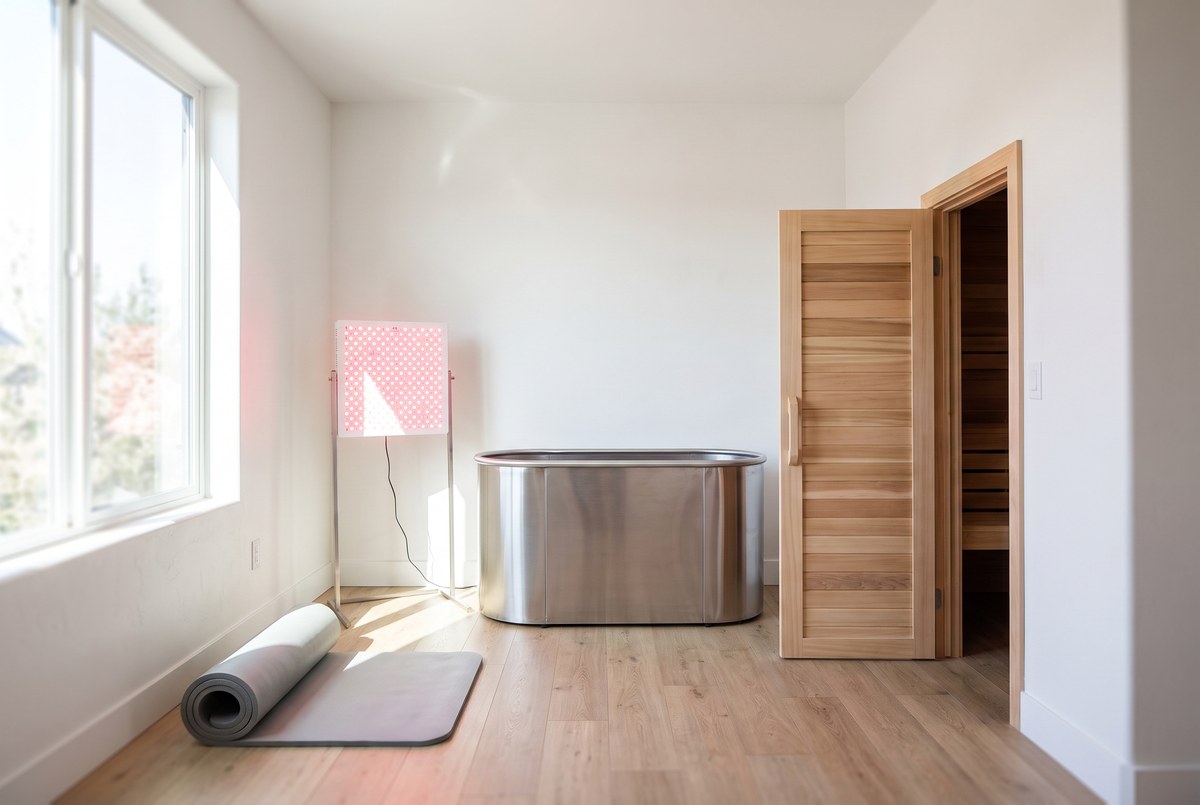
The money is the smallest part of it. People absorb the cost of a light panel or a plunge tub the way they absorb the cost of a gym membership they use twice a month. What is expensive is what the purchase quietly stands in for. A person with a knee that hurts on stairs buys a pulsed electromagnetic field mat, uses it diligently for half a year, and never starts a loading program. A lifter finishes every session in cold water for a training block and cannot work out why the strength numbers moved and the shirts fit the same. A parent puts a child in front of a red-light device twice a day, five days a week, on a clinician's word, and is not given the retinal monitoring the safety review recommends.
Those are the real costs: the substitution, the delay, the block of training spent partly undoing itself. Device marketing is built to make the purchase feel like the end of a decision. Usually it is the beginning of one.
So the useful question is narrower than "does it work." It is: what exactly was tested, in whom, against what comparison, and did the thing that improved actually matter to the person using it? Judged that way, the longevity device shelf sorts into three piles, not two. One or two devices have real sham-controlled evidence for a specific, narrow outcome. Several have real evidence for a surrogate — a blood marker, a fraction of a millimetre of eyeball, a small effect on a bone density scan — with no demonstration yet that moving the surrogate moves anything the owner would feel or live longer for. And a few rest on mechanism, testimonial, and the placebo-generating machinery that any humming, glowing, ritualised appliance supplies at no extra charge. What follows sorts them one search query at a time, using trial evidence only.
Why sham-controlled trials matter more here than almost anywhere else
A pill is easy to fake. A tablet of cornstarch looks and tastes like a tablet of anything. A device is hard to fake and unusually good at producing expectation effects, because the device is not just a treatment — it is a procedure. There is a purchase, a setup, a hum, a timer, a warmth or a cold or a light, a twenty-minute window in which the user lies still and does nothing else, and a strong prior belief that this was worth the money. Every one of those is an active ingredient for a self-reported outcome, and none of them is the physics the manufacturer is selling.
This is not a hypothetical worry. It shows up directly in the data. In the 2026 meta-analysis of nine randomised trials in 457 patients with knee osteoarthritis, subjective scores moved and objective functional measures did not improve — the pattern you would expect if part of what is being measured is the experience of being treated. It shows up as a literature-wide gap too: a review of wound phototherapy notes that there are few adequately powered, double-blind randomised trials carefully evaluating the energy dose-response of each colour and wavelength of low-level light therapy, despite decades of use and device clearances.
Some devices simply cannot be blinded. You cannot conceal from a person whether they are sitting in 10°C water or a 79°C sauna. For those, the honest move is not to pretend a sham exists but to demand objective outcomes — a biopsy, a pulse-wave velocity, a one-repetition maximum, a scan — and to treat the self-reported ones as suggestive at best. Other devices can be blinded, cleanly: an identical coil with the current off, a panel with the diodes dark. When a device that can be sham-controlled has been studied for years without sham-controlled trials, that absence is itself information.
The second thing to hold on to is the distinction between a claim and the outcome actually measured. "Reduces inflammation" is a claim. "Lowered creatine kinase at 24 hours" is an outcome. "Reverses ageing" is a claim. "Increased mean telomere length in isolated blood cells in a single-arm study" is an outcome — a real one, worth knowing, and not the same sentence. Almost every disappointment in this category comes from someone reading the second kind of statement and hearing the first.
Does PEMF therapy really work? Is PEMF therapy legit?
PEMF devices — mats, coils, loops, wands — apply low-frequency pulsed electromagnetic fields to tissue. The consumer claims range from "cellular recharging" to sleep, energy and recovery. The clinical literature is much narrower than that, and it is essentially one condition: osteoarthritis, mostly of the knee.
That literature is legitimately controlled. PEMF can be sham-controlled, and it has been. It is also, awkwardly, contradictory. A meta-analysis of PEMF versus sham in osteoarthritis pooled twelve trials and found significant pain relief in knee osteoarthritis (SMD -0.54, 95% CI -1.04 to -0.04) and in hand osteoarthritis (SMD -2.85, from the single hand-OA trial in that pooling), but not in cervical osteoarthritis; function improved in knee and hand but not neck. In a sensitivity analysis, sessions of 30 minutes or less did better than longer ones. Three trials reported adverse events, with no significant difference from sham.
Then the results diverge. A systematic review and meta-analysis of fifteen placebo-controlled trials reported a large pooled effect on pain (SMD 1.06, 95% CI 0.61 to 1.51) with smaller effects on stiffness and function, while explicitly limiting the conclusion to short-term effects. And the most recent synthesis, nine randomised trials in 457 patients with knee osteoarthritis, found no significant improvement in VAS pain or total WOMAC at one month, a significant WOMAC-pain benefit at 18 to 21 days (MD -1.63, 95% CI -2.43 to -0.82) that had vanished by one month, improvements in stiffness and daily activity that appeared only at one month, no improvement in objective function, and a high overall risk of bias. Two further poolings sit on the null side of the same question. A meta-analysis of eight randomised trials in 421 patients with knee osteoarthritis found no advantage over placebo on WOMAC total score, WOMAC pain, visual analogue pain or stiffness, while reporting a benefit on physical function. An earlier meta-analysis of nine studies in 483 patients with knee osteoarthritis found no significant difference from placebo for pain or stiffness, while reporting a benefit on activities of daily living.
Read that sequence honestly and two things are true at once. PEMF is not a scam: it has been tested against sham repeatedly, and while several poolings find no pain benefit, the estimates are not consistently zero. It is also not the device the marketing describes. The effects are on symptom scores in one joint disease, they are short-term, they move around depending on which trials you pool, the 2026 authors themselves note the improvements may not reach thresholds for clinical meaningfulness, and the parameter chaos — amplitude, frequency, session length all varying between studies — means no one can tell you the dose. Nothing in this evidence base speaks to sleep, energy, longevity, or a healthy person's baseline anything.
Verdict: PEMF has genuine sham-controlled evidence for short-term symptom scores in knee osteoarthritis, plus a single-trial hand-osteoarthritis signal the review's own authors call uncertain, with effects of uncertain clinical size and no agreed dose — and no evidence for any of the general wellness claims made for it.
Does red light therapy work?
Red light therapy covers two very different products under one name, and the evidence for them is not interchangeable. One is photobiomodulation of skin and tissue — panels, masks, handhelds, in the roughly 630 to 700 nm red and 800 to 1200 nm near-infrared bands, which the wound phototherapy review notes penetrate about 2 to 3 mm and 5 to 10 mm of tissue respectively. The other is a very specific medical device: a low-power desktop red light that children look into, twice daily, to slow the progression of myopia. The second has better trial evidence than almost anything else on this page, and also the most serious safety signal.
Start with skin and wounds, where the marketing lives. A randomised trial of photobiomodulation for diabetic foot ulcers assigned diabetic volunteers aged 30 to 65 with grade I or II ulcers to red LED, infrared LED, both, or control, with home-based daily treatment for 12 weeks. At 90 days the light groups showed large clinical effect sizes versus control (Cohen's d of 1.7 and 1.6) and, in the authors' own careful phrasing, a tendency toward faster wound healing — infrared being the most effective. That is a real signal in a real patient population with a wound you can photograph and measure. It is also a small trial reporting effect sizes rather than a clean between-group difference on a hard endpoint, and diabetic foot ulcers are not fine lines.
For the cosmetic claims specifically, the honest summary is that the mechanism is better documented than the outcome. A review of red LED photobiomodulation for skin fibrosis screened over 1,300 articles and found six original studies on LED effects on skin fibrosis and dermal fibroblasts, concluding that red light modulates key cellular characteristics associated with fibrosis while stating plainly that there is a current lack of clinical trials investigating whether it treats skin fibrosis in people. Low-level light therapy holds United States device clearance for cosmetic improvement of ageing or sun-damaged skin, among other indications, but the wound phototherapy review's point stands: clearance is not the same as a body of adequately powered double-blind trials establishing dose-response for a given wavelength. Cell-level plausibility is why this is worth studying. It is not why it is worth buying.
Now the myopia trials, which are a different tier of evidence. A multicentre randomised trial of repeated low-level red-light therapy enrolled 264 children aged 8 to 13 with myopia between -1.00 and -5.00 dioptres and assigned them to a desktop device emitting 650 nm red light at roughly 1600 lux — three minutes per session, twice daily, five days a week — plus single-vision spectacles, or spectacles alone. At 12 months, adjusted axial elongation was 0.13 mm in the treated group versus 0.38 mm in the control group, a difference of 0.26 mm (95% CI 0.20 to 0.31), with a spherical equivalent difference of -0.59 D. A second multicentre trial in children with high myopia, 192 children aged 6 to 16 with at least -4.0 D, found mean axial length actually shortening by 0.06 mm over 12 months against 0.34 mm of elongation in controls, with 53.3% of treated participants showing axial shortening greater than 0.05 mm. A two-year post-trial follow-up, in which children chose whether to continue and 57% of those eligible were analysed, reported the benefit sustained in children who continued and a modest rebound in those who stopped: in year two, axial length grew 0.42 mm in children who discontinued versus 0.12 mm in those who continued.
Those are objective biometric outcomes, randomised, with large effects. They are also single-blind — the child knows whether the light is on — and axial elongation is a surrogate, albeit an unusually good one, for the sight-threatening complications of high myopia decades later. The trials are twelve to twenty-four months long. Myopia is a forty-year problem.
And then there is the safety counterweight, which deserves as much space as the efficacy. A systematic review of the safety of repeated low-level red-light therapy covering 20 studies and 2,380 participants aged 3 to 18 found no cases of permanent vision loss; the most common symptom was a temporary afterimage resolving within six minutes, and the pooled incidence of side effects was 0.088 per 100 patient-years. It also documented two case reports describing an identical patient with a reversible decline in visual acuity and OCT abnormalities that resolved four months after stopping treatment, and it computed a number-needed-to-harm exceeding number-needed-to-treat by a ratio of 12.7 to 21.4 for a child with -3D to -8D myopia. Its recommendation was not "safe, proceed" but "monitor": fundus photography and OCT before and during therapy, plus home monitoring of visual acuity and afterimage duration.
The more uncomfortable finding came in 2025. A multicentre cohort used adaptive optics imaging to measure cone photoreceptor density in treated and untreated children, comparing 52 treated children with 47 controls and found reduced cone photoreceptor density in the paracentral fovea of the treated group — at 0.3 mm temporal eccentricity, a mean difference of -2.1 × 10³ cells/mm² (95% CI -3.68 to -0.59). Eleven eyes showed abnormal signals near the fovea, with an odds ratio of 7.23 for treated versus untreated children, on a confidence interval so wide (1.15 to 303.45) that it is closer to a flare than a measurement. This was retrospective and observational, not a randomised trial, and it cannot establish that the device caused the difference. It is exactly the kind of finding that should make a parent ask for imaging rather than a discount code.
Verdict: red light has consistent single-blind randomised evidence over 12 months for slowing axial elongation — a surrogate — in myopic children, a device that should be used with retinal monitoring, not casually, and, for skin and wound claims, mechanistic plausibility plus small trials that fall well short of the marketing.
Do cold plunges actually do anything?
Yes, and that is the problem. Cold water immersion does something specific and reasonably well documented, and the thing it does is in direct tension with why most people who buy a plunge tub are training in the first place.
On the recovery side, the evidence is decent by the standards of this field. A systematic review and meta-analysis of cold-water immersion against other recovery modalities across 28 studies found cold water immersion superior to other recovery methods for muscle soreness and similar to them for recovery of muscular power and flexibility, outperforming active recovery, contrast water therapy and warm-water immersion on most outcomes — while noting that air cryotherapy beat cold water for strength recovery and immediate power recovery at one hour. A separate meta-analysis of cold water immersion and fatigue recovery across 20 studies found significant reductions in delayed-onset muscle soreness and perceived exertion immediately post-exercise, lower creatine kinase at 24 hours and lower lactate at 24 and 48 hours, with no evidence of any effect on C-reactive protein or interleukin-6 across a 48-hour window. It also found that countermovement jump was significantly reduced immediately after immersion — worth knowing if you plunge between two sessions on the same day.
None of these trials are sham-controlled, because there is no sham for cold water. The comparators are active recovery, passive rest, or warm water, all of which the participant can identify instantly. Soreness and perceived exertion are self-reported. Creatine kinase and lactate are objective but are markers, not performance.
Then the tradeoff. In a study of cold water immersion and strength training adaptations, 21 physically active men strength trained twice a week for 12 weeks with either 10 minutes of cold water immersion or active recovery after each session. Strength and muscle mass increased more in the active recovery group. Isokinetic work rose 19%, type II fibre cross-sectional area 17%, and myonuclei per fibre 26% in the active recovery group — and not in the cold group. A second study in the same paper found satellite cell numbers and anabolic signalling blunted after cold immersion. The authors' conclusion was that regular post-exercise cold water immersion should be reconsidered, which for a physiology journal is close to shouting.
A second trial, of cold water immersion after whole-body resistance training, sharpens the picture usefully. Sixteen men trained for seven weeks with either 15 minutes at 10°C or passive recovery at 23°C. Improvements in one-repetition maximum leg press were similar between groups. But the increase in type II fibre cross-sectional area was attenuated in the cold group. So the blunting is real, it is specific to hypertrophy rather than strength in that trial, and the authors state the practical rule directly: post-exercise cold water immersion should be avoided if muscle hypertrophy is the goal. A broader review of post-exercise cold-water immersion and adaptive responses adds the endurance caveat: the same blunting pattern does not clearly apply to mitochondrial adaptations from endurance training, where cold immersion may even augment acute signalling with little long-term effect on the relevant proteins.
That is a device with a use case, not a lifestyle. If you have two competitions in one day, or a tournament, or a training camp where tomorrow's session matters more than this month's adaptation, cold water buys you something measurable. If you are lifting to build muscle, you are paying for the tub and then paying again.
Verdict: cold water immersion is genuinely effective for short-term recovery of self-reported soreness and fatigue in physically active people, and blunted muscle-fibre growth in two small trials of men training for hypertrophy.
Infrared sauna: benefits and disadvantages
This is the section where the gap between what people cite and what was studied is widest, so it is worth being blunt about it up front: the famous sauna longevity data are observational, they are Finnish, they are about traditional hot-air sauna, and there is no trial in this evidence base testing a consumer infrared cabin against anything.
The headline study is a prospective cohort of Finnish men in the Kuopio Ischaemic Heart Disease study — 2,315 middle-aged men from Eastern Finland followed for a median of 20.7 years, during which 190 sudden cardiac deaths and 929 deaths from all causes occurred. Compared with men reporting one session per week, men reporting four to seven sessions per week had an adjusted hazard ratio for sudden cardiac death of 0.37 (95% CI 0.18 to 0.75), with similar patterns for coronary and cardiovascular death and all-cause mortality. Sessions longer than 19 minutes carried a hazard ratio of 0.48 for sudden cardiac death versus sessions under 11 minutes. A later analysis of systolic blood pressure, sauna bathing and cardiovascular mortality in 2,575 men followed a median of 27.8 years found low sauna frequency associated with CVD mortality (HR 1.24, 95% CI 1.03 to 1.51) — and, importantly, found that frequent sauna use did not offset the risk in men with elevated systolic pressure, where high-SBP men with high sauna frequency still carried a hazard ratio of 1.52.
These are associations. Men who sauna four to seven times a week in Finland are men who can tolerate sitting in a hot room four to seven times a week: they may be healthier and more physically able to begin with, and covariate adjustment cannot be assumed to remove that. The cohort authors themselves called for studies to establish the mechanism.
Those studies exist, and they are more sobering. An eight-week randomised trial of Finnish sauna bathing and vascular health in 41 adults with stable coronary artery disease — four sessions a week, 20 to 30 minutes, at 79°C — produced clear evidence of heat acclimation (resting core temperature fell by 0.27°C, sweat rate rose by 0.3 L/h) and no improvement in flow-mediated dilation, arterial stiffness or blood pressure versus control. A systematic review and meta-analysis of passive heating interventions across 20 randomised trials of two to fifteen weeks found no significant pooled effects on flow-mediated dilation, pulse wave velocity, resting heart rate, heart rate variability, fasting glucose, HbA1c, cholesterol fractions, triglycerides or C-reactive protein. Systolic blood pressure was the one place something moved, and the overall pooled estimate (-2.46 mmHg) did not reach significance; only in subgroups — whole-body heating (-4.11 mmHg) and populations with coronary risk or established disease (-2.52 mmHg) — did it separate from zero, with high heterogeneity throughout.
The most useful positive randomised result is a multi-arm trial of sauna bathing in conjunction with exercise in 47 sedentary adults with at least one cardiovascular risk factor. Over eight weeks, adding a 15-minute post-exercise sauna to a guideline-based exercise programme produced greater cardiorespiratory fitness gains than exercise alone (+2.7 mL/kg/min, 95% CI 0.2 to 5.3), lower systolic blood pressure (-8.0 mmHg, 95% CI -14.6 to -1.4) and lower total cholesterol. Note the comparison that makes it interesting and the one that keeps it modest: exercise alone versus control produced a fitness gain of +6.2 mL/kg/min. The sauna was an addition to exercise, not a replacement for it, and the trial was unblinded — you know whether you sat in a sauna.
Now the transfer problem. Everything above is traditional hot-air Finnish sauna at 79°C or hot-water immersion. There is no trial here comparing an infrared cabin to a Finnish sauna, and no cohort following infrared users for twenty years. Citing a hazard ratio of 0.37 from Kuopio to justify an infrared cabin purchase requires two unearned leaps: from association to causation, and from one heating modality to a different one. What remains is the specific disadvantage of believing you have bought the Finnish result.
Verdict: frequent traditional sauna is associated with lower cardiovascular and all-cause mortality among middle-aged Finnish men in one prospective cohort, randomised trials of passive heating found no significant pooled effect on systolic blood pressure or most cardiometabolic markers, and none of it has been demonstrated for a consumer infrared cabin.
Is hyperbaric oxygen therapy worth it?
Hyperbaric oxygen therapy has established medical indications that are not in dispute. The longevity claim is different and newer: that repeated intermittent hyperoxic exposure triggers a "hyperoxic-hypoxic paradox" that lengthens telomeres and clears senescent cells.
The trial everyone cites is real and small. In a prospective study of hyperbaric oxygen therapy, telomere length and immunosenescence, 35 healthy adults aged 64 and older were enrolled to receive 60 daily hyperbaric sessions. Telomere length in T helper, cytotoxic T, natural killer and B cells rose by over 20%, with B cells increasing 37.63% (± 52.73) after the final session, while senescent T helper cells fell by 37.30% (± 33.04) and senescent cytotoxic T cells by 10.96% (± 12.59). A companion study of hyperbaric oxygen and skin ageing took skin biopsies from thirteen men, using a three-month no-treatment period as each subject's own control, and found significant increases in collagen density, elastic fibre length and blood vessel number, with decreased fibre fragmentation and fewer tissue senescent cells, after three months of daily sessions.
Read those standard deviations. A mean increase of 37.63% with a standard deviation of 52.73 describes a group in which some people went up a lot and some did not go up at all. Both studies are single-arm or self-controlled — no sham chamber, no randomisation, no blinding of participants who know they are spending an hour a day in a pressure vessel. Telomere length in circulating leukocytes and senescent cell fraction are biomarkers, not outcomes; nobody has shown that moving them in this way produces less disease or more life. And the protocol is 60 daily sessions, which is a substantial commitment of time and money before a single clinical endpoint has been measured.
This is the clearest surrogate-versus-outcome case on the page. The biology is interesting, the measurements were carefully done, and the inferential distance between "isolated blood cells showed longer telomeres in an uncontrolled trial" and "worth it" is enormous.
Verdict: hyperbaric oxygen has documented effects on blood-cell and skin-biopsy ageing biomarkers in small uncontrolled trials of adults over 64, on a 60-session protocol, and no controlled evidence of any clinical longevity benefit — which makes "worth it" a question about your tolerance for paying for a surrogate.
Whole-body vibration plates
Vibration plates are sold for fat loss, circulation, lymphatic drainage and muscle activation. The outcome that has actually been studied at scale is bone mineral density, mostly in postmenopausal women and older adults, and the results are modest and parameter-dependent.
The most favourable synthesis is a review of whole-body vibration and bone mineral density in postmenopausal women covering 23 studies. It found significant effects on lumbar spine and trochanter density across several configurations, but only two of those configurations reached high-quality evidence by GRADE — high frequency with low magnitude, and high cumulative dose with low magnitude — leading to a specific recommendation of roughly 30 Hz, roughly 0.3 g, and roughly 7,000 cumulative minutes to improve lumbar spine density. Seven thousand minutes is the part worth pausing on. That is the dose in the recommendation, and it is not a device you use for a fortnight.
A more recent meta-analysis of whole-body vibration training in older adults pooled seven studies and 202 participants aged 55 and over, and found a statistically significant but small effect at the total femur (Hedges' g = 0.28, p = 0.04), with trivial and non-significant effects at the femoral neck (g = 0.15) and lumbar spine (g = 0.13), rated low-certainty. And a network meta-analysis of exercise types and bone mineral density across 49 papers and 3,360 people put vibration in context: at the femoral neck, combined aerobic plus resistance exercise ranked first by a wide margin, with whole-body vibration significant but well behind it, and at the lumbar spine vibration did not make the list of modalities with significant effects.
So the plate is not nothing. It is a small effect on a surrogate for fracture risk, at a large cumulative dose, in a population that would get a larger effect from loading exercise — and none of the fat loss or lymphatic claims have anything like this evidence behind them.
Verdict: whole-body vibration produces small, parameter-sensitive gains in bone mineral density — a surrogate for fracture risk, not fracture — in older and postmenopausal adults at high cumulative doses, and is outperformed by combined aerobic and resistance exercise for the same outcome.
Compression boots
Intermittent pneumatic compression boots claim to flush metabolites, boost circulation and speed recovery. Two of those are measurable and one of them checks out.
The circulation claim is the best supported. In a double-blinded randomised crossover study of the hemodynamic effects of intermittent pneumatic compression, 22 soccer and track athletes underwent 15-minute compression protocols at 80 mmHg and 200 mmHg. Systolic and end-diastolic peak blood velocities rose significantly during compression, more so at the higher pressure. They also returned to close to baseline within two minutes of the protocol ending. The boots move blood while they are on. That is the whole finding.
The recovery claim is weaker. A systematic review and meta-analysis of lower-limb intermittent pneumatic compression across 17 studies and 319 participants found trivial-to-small benefits for muscular function, trivial-to-moderate effects on pain and soreness, and highly variable effects on muscle damage markers, with typical protocols of 20 to 30 minutes at around 80 mmHg. Its own summary — "might be a method with potential effects for recovery, mainly reducing perceived soreness" — is about as hedged as a positive conclusion gets. A critically appraised topic on intermittent pneumatic compression in endurance athletes reviewed two randomised controlled trials and a randomised crossover study in endurance athletes and reported that all three concluded compression was not effective for reducing exercise-induced muscle damage, allowing only short-term relief of soreness.
Note also what "double-blinded" meant in the hemodynamics study: two pressures compared against each other, not against an inert boot. You cannot hide a boot inflating around your leg, and soreness is self-reported, which puts the main claimed benefit squarely in the zone the sham problem was invented for.
Verdict: compression boots transiently increased limb blood flow in athletes at rest and produce small, mostly perceptual reductions in soreness, with no convincing effect on markers of muscle damage.
Grounding / earthing mats
Grounding products — mats, sheets, patches wired to an electrical ground — claim that restoring the body's electrical contact with the earth reduces inflammation, pain and stress. This is the thinnest evidence base on the page, and it is worth describing precisely rather than dismissively.
The trial in this pool is a study of grounding and bodyworkers' pain and quality of life: 16 massage therapists in a six-week double-blind randomised controlled trial with a stepped-wedge design, ungrounded for the first week, grounded while working and while sleeping for four weeks, then ungrounded for the final week. Participants reported significant increases in physical function and energy and significant decreases in fatigue, depressed mood, tiredness and pain while grounded compared with not grounded, with physical function, mood and fatigue still improved at one month.
Now the limitations, which are not small. Sixteen participants at a single wellness centre. Every outcome a self-report questionnaire — pain, mood, energy, fatigue, sleep — with no biopsy, no imaging, no performance test in the reported outcomes. A design in which the grounded period is bracketed by ungrounded weeks, so time and expectation run parallel to the intervention. The authors describe the trial as double-blind, but a person sleeping on a grounding sheet for four weeks after a week without one is a person with a strong hypothesis about what is happening. And there is no independent replication anywhere in this evidence base.
That does not make grounding false. It makes it untested at the level any of the other devices here have been tested, with an outcome set consisting entirely of the measures most sensitive to expectation.
Verdict: grounding has one very small randomised trial reporting improvements in self-reported pain, mood and fatigue, with only self-reported outcomes in the results reported here and no replication in this evidence base — an open question, not a demonstrated effect.
What separates a device worth owning from one that isn't
Four questions, in order. They are boring, and they do almost all of the work.
- Is there a sham-controlled trial? Not "a study." Not "clinically proven." A trial in which some participants got an identical device that did nothing. PEMF has this. Red light for myopia has randomised trials but only single-blinding. Cold water, sauna and compression cannot be blinded at all, which does not disqualify them but does mean their self-reported outcomes should be discounted. Hyperbaric oxygen for longevity has no trial with a concurrent control group. Grounding has one small one.
- Is the outcome one you would notice? Separate the surrogate from the thing you actually want. Telomere length in isolated blood cells, a 0.28 Hedges' g at the total femur, a transient rise in peak blood velocity, a lowered creatine kinase — these are all real measurements and none of them is a symptom, a capability, or a year of life. The devices with the best-measured surrogates are frequently the ones with the least evidence about outcomes.
- Does the effect survive blinding — or, where blinding is impossible, does it show up in objective measures? The 2026 PEMF meta-analysis is the cautionary case: subjective scores improved, objective functional measures did not. The myopia trials are the reassuring case: the child knows the light is on, but axial length is measured by a machine that does not care. Ask which kind of outcome moved.
- How long do you have to use it, and what happens when you stop? Sixty consecutive daily hyperbaric sessions. Roughly 7,000 cumulative minutes on a vibration plate. Three minutes twice a day, five days a week, for years, for myopia — with a rebound reported in the post-trial follow-up when treatment stops, axial length growing 0.42 mm in the year after discontinuation versus 0.12 mm with continued treatment. A device you must use forever to keep a benefit is a subscription, and it should be priced as one in your head.
Two rules of thumb follow. First, a device whose evidence is strongest for a narrow clinical problem you do not have is not "partially" useful to you — it is untested in you. Second, when a device has a real effect and a real cost, ask what the effect is competing with. Cold water competes with the adaptation you trained for. A vibration plate competes with the loading exercise that outperformed it. A sauna cabin competes with nothing, which is part of why sauna keeps looking good, and also why the sauna trial that mattered most added it to exercise rather than substituting for it.
| Device | Best-tested outcome | Strongest evidence type | Verdict |
|---|---|---|---|
| PEMF | Pain and function scores in knee/hand osteoarthritis | Sham-controlled RCTs, pooled — with conflicting meta-analyses | Real but short-term and of uncertain clinical size; nothing behind the wellness claims |
| Red light (myopia device) | 12-month axial elongation in myopic children | Multicentre RCTs (single-blind), plus a cohort safety signal | Strongest efficacy on this page; requires retinal monitoring and rebounds on stopping |
| Red light (skin panels) | Diabetic foot ulcer area reduction | One small RCT; otherwise preclinical and in vitro | Mechanism outruns the clinical evidence, especially for cosmetic claims |
| Cold water immersion | Soreness and perceived fatigue between efforts; blunted hypertrophy long-term | RCTs and meta-analyses; no sham possible | Works for rapid recovery; counterproductive as a routine after lifting |
| Traditional sauna | Cardiovascular and all-cause mortality (association); systolic blood pressure (trials) | Prospective cohorts plus RCTs of passive heating | Strong association, weak randomised effects; the one positive trial added sauna to exercise rather than replacing it |
| Infrared cabin | Not separately tested in this evidence base | None specific to infrared | Borrows its reputation from Finnish hot-air sauna cohorts; not established |
| Hyperbaric oxygen | Leukocyte telomere length, senescent cell fraction, skin histology | Small uncontrolled/self-controlled trials | Biomarkers moved; no clinical outcome, no control group, 60-session protocol |
| Vibration plate | Bone mineral density (lumbar spine, total femur) | RCTs pooled in meta-analysis and network meta-analysis | Small effect on a surrogate at high dose; loaded exercise does more |
| Compression boots | Transient limb blood flow; perceived soreness | Randomised crossover and pooled RCTs | Real hemodynamic effect that stops when the boots stop; soreness relief is small |
| Grounding mat | Self-reported pain, mood, fatigue | One small RCT (n = 16), questionnaire outcomes | Unreplicated and untested by the standards applied above |
The pattern across all of it is not that devices are fraudulent. It is that the evidence is usually about a different question than the one the buyer is asking. PEMF was studied in arthritic knees, not tired bodies. Red light was studied in children's eyes and diabetic ulcers, not crow's feet. Cold water was studied for tomorrow's session, not this year's physique. Sauna was studied in Finnish men in wood-lined rooms, not in an infrared box in a garage. Vibration was studied for the lumbar spine at 7,000 cumulative minutes, not for the waistline.
The devices with the most honest evidence tend to make the smallest claims. That is not a coincidence, and it is the most reliable signal available to someone standing in front of a checkout page.
Questions people actually ask
Does PEMF therapy really work? It has been sham-tested repeatedly, and almost entirely in osteoarthritis of the knee. The poolings disagree: one found a large short-term pain effect, others found no advantage over placebo on pain or stiffness, and the 2026 pooling found subjective gains with no improvement in objective function.
What is PEMF therapy? Mats, coils, loops and wands that apply low-frequency pulsed electromagnetic fields to tissue. The clinical literature on them is essentially one condition: osteoarthritis, mostly of the knee.
PEMF therapy mat benefits What has actually been measured against sham is short-term symptom scores in knee osteoarthritis, plus a single-trial hand-osteoarthritis signal the review's own authors call uncertain. The consumer claims — cellular recharging, sleep, energy, recovery in a healthy person — have no trial evidence in this set.
How much does PEMF therapy cost? This is not a price quote, and this page carries no pricing data. On the evidence side, what the trials bought was short-term symptom relief in an arthritic knee, at settings that varied so much between studies that no one can tell you the dose.
Cold plunge benefits In physically active people, pooled trials show less self-reported soreness and perceived exertion, lower creatine kinase at 24 hours and lower lactate at 24 and 48 hours. None of it is sham-controlled, because there is no sham for cold water, and used routinely after resistance training aimed at growth it blunted type II fibre growth.
Infrared sauna benefits for weight loss There is no trial in this evidence base testing a consumer infrared cabin against anything, and no sauna study here measured weight loss. That is an absence of evidence, not a small effect.
Can infrared saunas be bad for you? The same absence runs in the other direction: with no trial of a consumer infrared cabin in this evidence base, this page cannot tell you about its harms either. What it can tell you is that the Finnish mortality figures were not measured in an infrared cabin.
Red light therapy benefits It depends entirely on which product. The desktop myopia device has multicentre randomised trials showing slowed axial elongation over 12 months in myopic children, with a safety review that recommends retinal monitoring. For skin, there is one small randomised trial in diabetic foot ulcers and cell-level mechanism work, which falls well short of the marketing.
Red light therapy at home The two at-home protocols tested here are the desktop myopia device, used three minutes twice a day, five days a week by children, and a home-based daily LED protocol for diabetic foot ulcers over 12 weeks. Neither is evidence for a general-purpose home panel.
Red light therapy mask No trial of a mask appears in this evidence base. This page covers only what was tested here — the myopia device, a diabetic foot ulcer trial and fibrosis mechanism work — so there is nothing here to answer with.
Red light therapy for hair loss Hair loss is not among the outcomes tested in this evidence base. This page covers only what was tested here, and that does not include it.
Related on Magellan: The cold-plunge dopamine claim · What sauna data can and can't show · Red light and brain aging.
Educational, not medical advice.
The takeaway
Sham-controlled evidence is the dividing line, and few devices have it. PEMF has repeated placebo-controlled trials in osteoarthritis, but the meta-analyses conflict: one pooled a pain effect of SMD 1.06, one found relief only in knee and hand osteoarthritis, and a 2026 pooling of nine trials in 457 patients found subjective gains with no improvement in objective function. Red light has the strongest efficacy data here — axial elongation of 0.13 mm versus 0.38 mm at 12 months in 264 myopic children — alongside a retrospective cohort reporting reduced cone density in treated children, which cannot show cause. Cold water eases self-reported soreness in physically active people and, used routinely after lifting, blunted type II fibre growth over 7 to 12 weeks. Sauna's 0.37 hazard ratio for sudden cardiac death is observational, Finnish and about hot-air saunas; randomised passive-heating trials moved little, including systolic pressure overall. Hyperbaric oxygen raised telomere length in isolated blood cells by over 20% in an uncontrolled trial of 35 adults aged 64 and older. Vibration plates moved total-femur bone density by g = 0.28 in adults over 55, on low-certainty evidence, with no significant effect at the femoral neck or lumbar spine. Grounding rests on one 16-person trial with questionnaire outcomes.
References
32 peer-reviewed sources, published 2009–2026, across 27 journals. 7 of them have a full Magellan study write-up linked below.
- Medicina (Kaunas) · 2026 · PMID 42075549 · DOI 10.3390/medicina62040677
- Wounds · 2020 · PMID 33166263
- BMJ Open · 2018 · PMID 30552258 · DOI 10.1136/bmjopen-2018-022879
- Phys Ther · 2020 · PMID 32251502 · DOI 10.1093/ptj/pzaa054Pulsed electromagnetic field therapy significantly reduces pain, stiffness, and improves physical function in osteoarthritis patients in the short term. Read our full write-up →
- Lasers Med Sci · 2024 · PMID 39382587 · DOI 10.1007/s10103-024-04199-5
- Curr Dermatol Rep · 2016 · PMID 27182462 · DOI 10.1007/s13671-016-0141-x
- Ophthalmology · 2022 · PMID 34863776 · DOI 10.1016/j.ophtha.2021.11.023Repeated low-level red-light therapy significantly slows myopia progression in children with no observed adverse effects. Read our full write-up →
- Ophthalmology · 2024 · PMID 38849054 · DOI 10.1016/j.ophtha.2024.05.023
- Clin Exp Ophthalmol · 2022 · PMID 36054314 · DOI 10.1111/ceo.14149
- Asia Pac J Ophthalmol (Phila) · 2024 · PMID 39672511 · DOI 10.1016/j.apjo.2024.100124
- JAMA Ophthalmol · 2025 · PMID 40272813 · DOI 10.1001/jamaophthalmol.2025.0835
- Sports Med · 2023 · PMID 36527593 · DOI 10.1007/s40279-022-01800-1
- Front Physiol · 2023 · PMID 36744038 · DOI 10.3389/fphys.2023.1006512
- J Physiol · 2015 · PMID 26174323 · DOI 10.1113/JP270570
- J Appl Physiol (1985) · 2019 · PMID 31513450 · DOI 10.1152/japplphysiol.00127.2019
- Sports Med · 2018 · PMID 29627884 · DOI 10.1007/s40279-018-0910-8
- JAMA Intern Med · 2015 · PMID 25705824 · DOI 10.1001/jamainternmed.2014.8187More frequent and longer sauna bathing sessions are associated with a lower risk of cardiovascular and all-cause mortality in middle-aged men. Read our full write-up →
- J Nutr Health Aging · 2023 · PMID 37248758 · DOI 10.1007/s12603-023-1895-1
- J Appl Physiol (1985) · 2023 · PMID 37650138 · DOI 10.1152/japplphysiol.00322.2023
- Am J Prev Cardiol · 2025 · PMID 41049507 · DOI 10.1016/j.ajpc.2025.101082
- Am J Physiol Regul Integr Comp Physiol · 2022 · PMID 35785965 · DOI 10.1152/ajpregu.00076.2022
- Aging (Albany NY) · 2020 · PMID 33206062 · DOI 10.18632/aging.202188Hyperbaric oxygen therapy significantly increased telomere length and reduced senescent cell percentages in various immune cells in healthy older adults. Read our full write-up →
- Aging (Albany NY) · 2021 · PMID 34784294 · DOI 10.18632/aging.203701
- Osteoporos Int · 2023 · PMID 36282343 · DOI 10.1007/s00198-022-06556-y
- PeerJ · 2025 · PMID 40391029 · DOI 10.7717/peerj.19230
- Sci Rep · 2025 · PMID 40188285 · DOI 10.1038/s41598-025-94510-3
- Int J Sports Physiol Perform · 2024 · PMID 39043362 · DOI 10.1123/ijspp.2024-0017
- Biol Sport · 2024 · PMID 39416507 · DOI 10.5114/biolsport.2024.133665Intermittent pneumatic compression on lower limbs may help reduce perceived muscle soreness after exercise, with 20-30 minute sessions at 80 mmHg being common protocols. Read our full write-up →
- J Sport Rehabil · 2021 · PMID 33418535 · DOI 10.1123/jsr.2020-0364Intermittent pneumatic compression offers only short-term relief for muscle soreness and does not effectively reduce overall exercise-induced muscle damage in endurance athletes. Read our full write-up →
- Explore (NY) · 2019 · PMID 30448083 · DOI 10.1016/j.explore.2018.10.001
- J Rehabil Med · 2019 · PMID 31583420 · DOI 10.2340/16501977-2613Pulsed electromagnetic field therapy may improve physical function in knee osteoarthritis but does not significantly reduce pain or stiffness. Read our full write-up →
- J Rehabil Med · 2009 · PMID 19479151 · DOI 10.2340/16501977-0374
Mechanisms and molecules in this article
Each links to its Magellan monograph — what it is, what it does, and the studies behind it.
Related reading
Verbatim local searches for cold plunge, red light, hyperbaric oxygen and PEMF, answered with the trials…
A small uncontrolled telomere study and a healthy-aging cognitive trial are intriguing. Neither proves…
The spiked mat is wellness social media's favorite torture device. The underlying technique — acupressure —…
All Magellan articles → · More on Recovery, Sauna & Light Therapy →
Prefer the interactive version? Open this article inside the Magellan app →