Choline Egg & Avocado Toast
Egg yolk is the densest everyday source of phosphatidylcholine — and the same yolk carries the lutein your retina concentrates.
- Mechanism
- Choline & brain
- Yield
- serves 2
- Ingredients
- 7
- Steps
- 4
- Cited studies
- 4
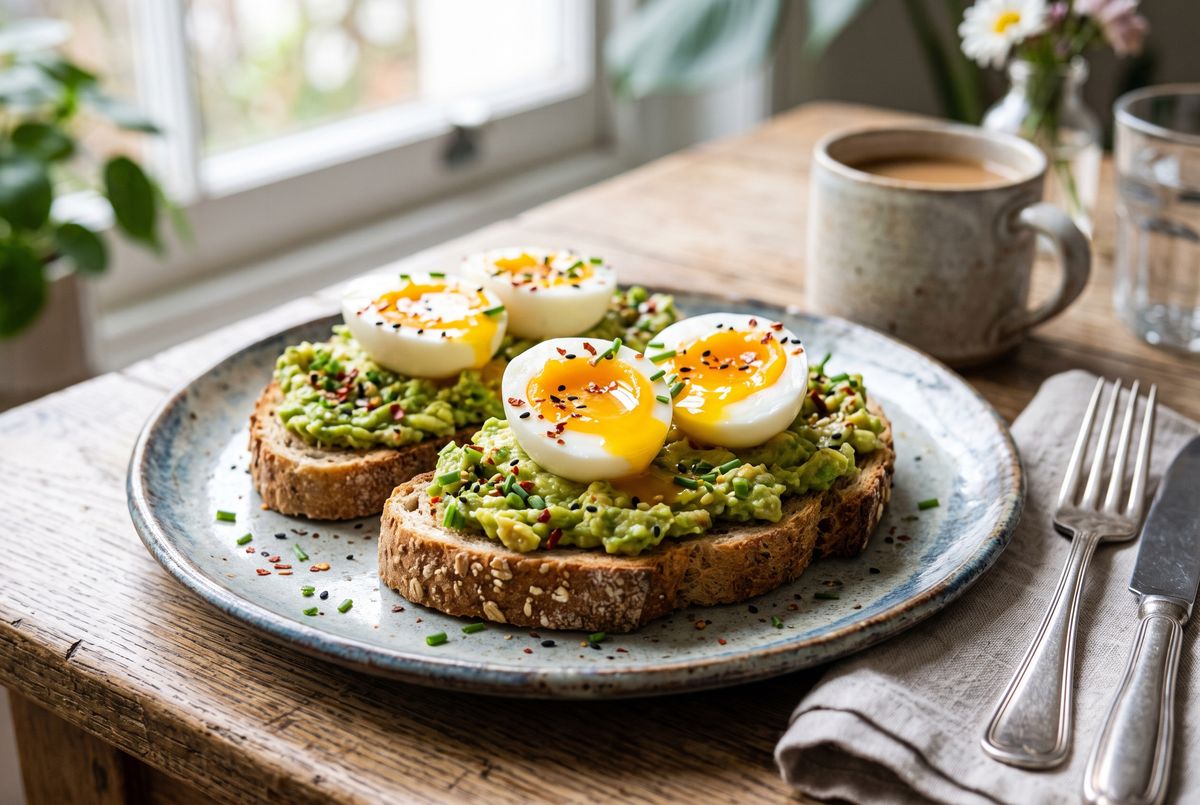
Egg yolk is the leading dietary source of phosphatidylcholine, the form of choline that makes up cell membranes and supplies the raw material for acetylcholine. Soy and liver are the other notably choline-rich foods, though the yolk is the one most people will actually eat at breakfast. A study in adult volunteers (European Journal of Nutrition, 2022) compared how different choline forms are metabolized, and an analysis of national survey data (European Journal of Clinical Nutrition, 2023) examined how much choline American adults take in and how that tracks with fatty liver disease.
The same yolk carries lutein and zeaxanthin, the carotenoids the retina concentrates. In a twelve-week egg intervention in women (The Journal of Nutrition, 2006), serum zeaxanthin and macular pigment both rose, which appears to be because the carotenoids arrive packaged with fat.
Why this works
The dish is arranged around keeping the yolk intact. Six and a half minutes gives a jammy center, so the phosphatidylcholine and the carotenoids stay in something you want to eat rather than in a hard grey crumb. Avocado brings fat of its own, and fat is what carries lutein and zeaxanthin — the reason egg does the job so efficiently in the first place. Food-composition work catalogued which fruits and vegetables supply those two carotenoids (British Journal of Ophthalmology, 1998), and green vegetables and fruits are the plant side of that ledger. Whole-grain bread gives the toast enough structure to hold everything, and lemon, chives and chili season it without reaching for salt.
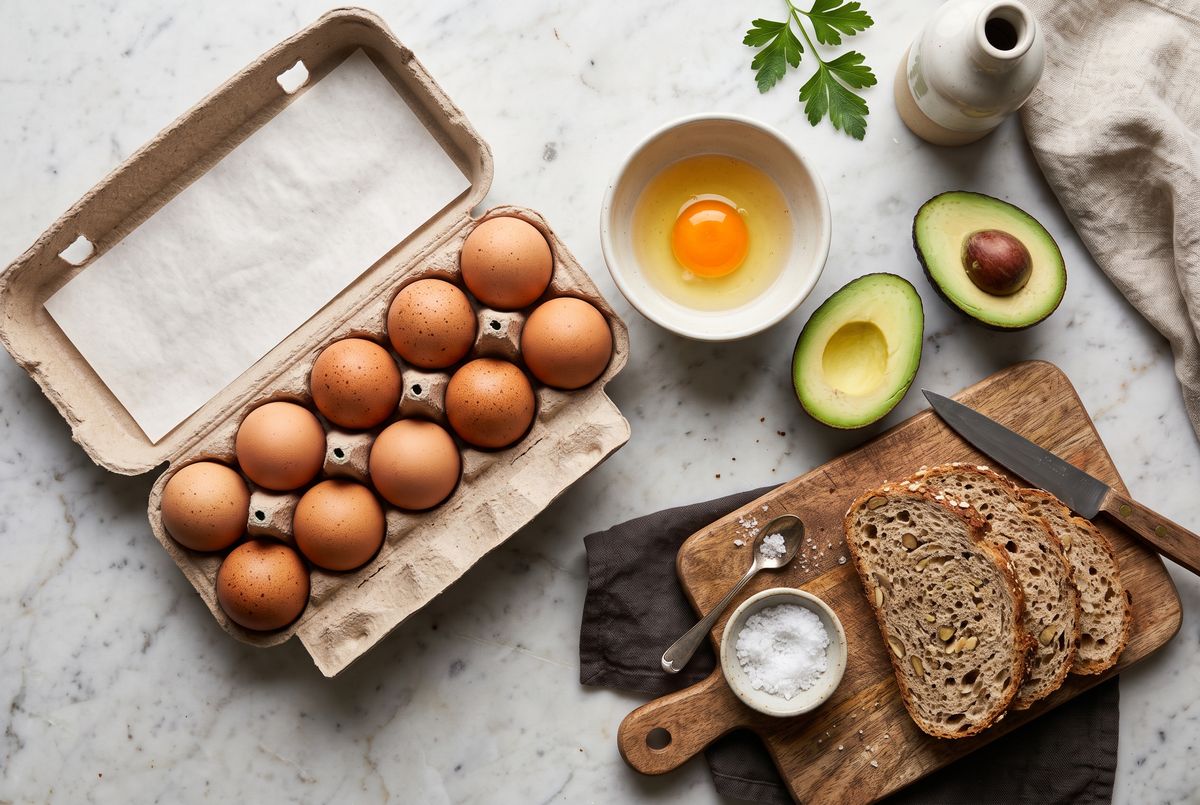
Ingredients · serves 2
- 4 pasture-raised eggs
- 2 thick slices whole-grain bread
- 1 ripe avocado
- Juice of ½ lemon
- 1 tbsp chives, snipped
- Chili flakes, black sesame seeds, black pepper
- Olive oil
Method
- Soft-boil the eggs 6½ minutes for jammy yolks, then plunge into ice water and peel.
- Toast the bread well and drizzle with olive oil.
- Mash the avocado with lemon juice and pepper and spread it thickly.
- Halve the eggs onto the toast, then finish with chives, chili flakes, sesame and a last crack of pepper.
Getting the most from it
Keep the yolk. An egg-white omelet discards the choline and the carotenoids this recipe is built on. Boil straight from the fridge, time it properly, then chill in ice water so the shells slip off cleanly. Toast the bread until it is genuinely crisp, dress the avocado with lemon right away to stop it browning, and season at the end. None of this makes breakfast a brain treatment; it makes it a better-built one.
Nutrition Facts
Calculated for one serving from USDA FoodData Central values for the ingredients above. An estimate, not a lab analysis.
How this was calculated. Each ingredient was converted to grams, matched to a food in USDA FoodData Central (SR Legacy, April 2018), summed, and divided by 2 servings. Cooking losses, draining and the real size of a handful all move these numbers, so treat them as a good estimate rather than a measurement. Added sugars count honey, maple syrup and table sugar only; sugar from whole fruit is not an added sugar.
- Egg, whole, raw, fresh
- Bread, whole-wheat, commercially prepared
- Avocados, raw, all commercial varieties
- Lemon juice, raw
- Chives, raw
25 PubMed citations
In human health, phosphatidylcholine's most encouraging evidence is in ulcerative colitis, where several randomized…
21 PubMed citations
The best human evidence concerns eye health in aging: in the landmark AREDS2 randomized trial, adding…
23 PubMed citations
Human trials and meta-analyses consistently show that oral betaine lowers fasting and post-methionine-load plasma…
The research behind this recipe
Primary sources for the claims above. Effects reported in these papers describe the compound or the dietary pattern studied — not this specific dish.
More brain, eyes & sleep recipes
 Sleep
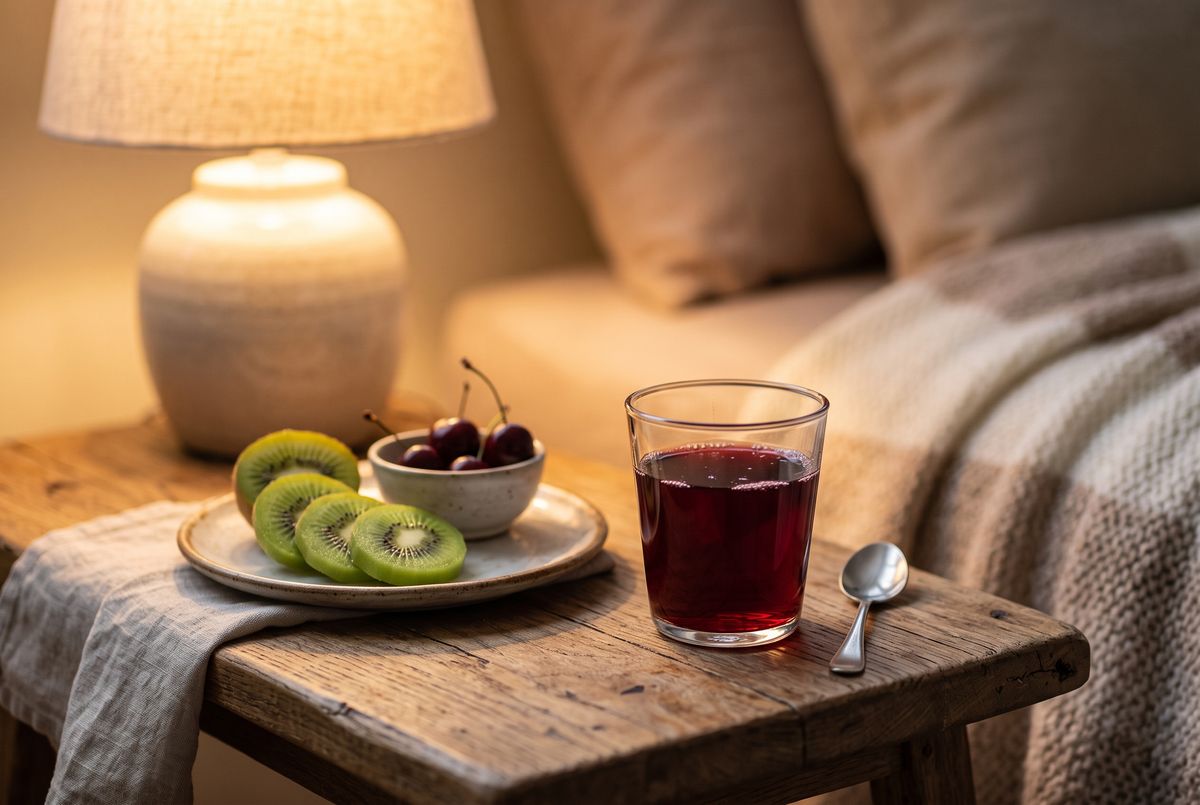
SleepMontmorency cherry juice is the sleep intervention with the most actual trial data behind it — and the results are real but…
 Brain health
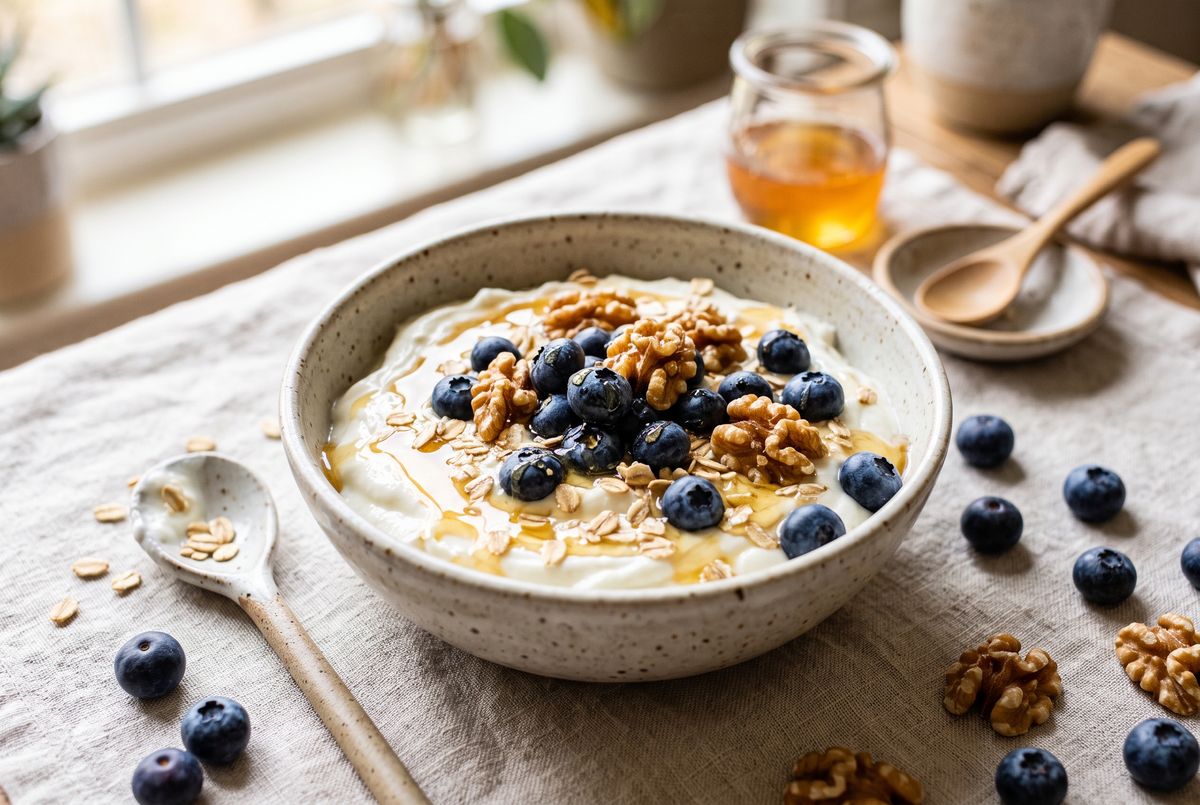
Berry anthocyanins and walnut omega-3 are the two most studied food components in cognitive aging research — and they happen to…
 Choline & brain
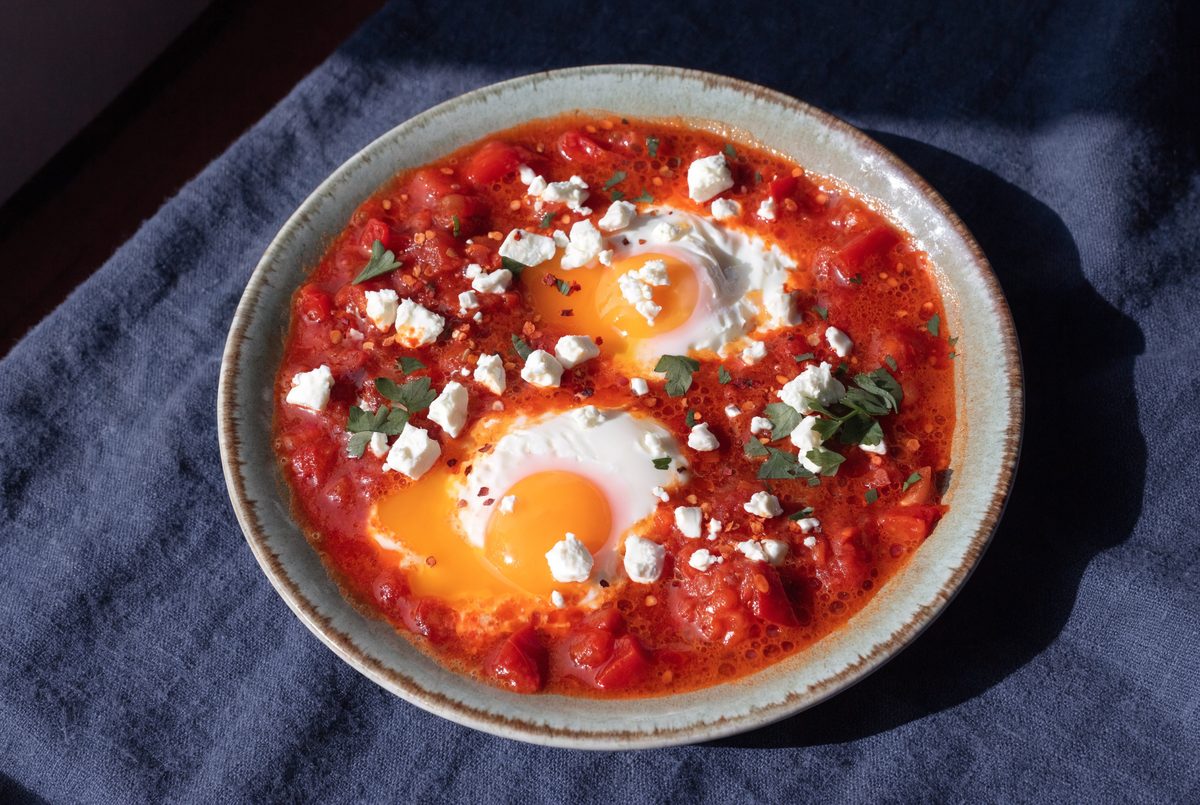
Two eggs deliver roughly 300 mg of choline — most of a day's target — poached in a tomato-pepper sauce whose cooked lycopene is…