Egg-Fried Quinoa with Spinach & Scallions
Fried-rice logic, choline chemistry: day-old quinoa stir-fried with eggs, spinach, and garlic covers choline, betaine, and dietary nitrate in one wok. The cognition evidence is observational; the dinner is fast.
- Mechanism
- Choline & brain
- Cited studies
- 4
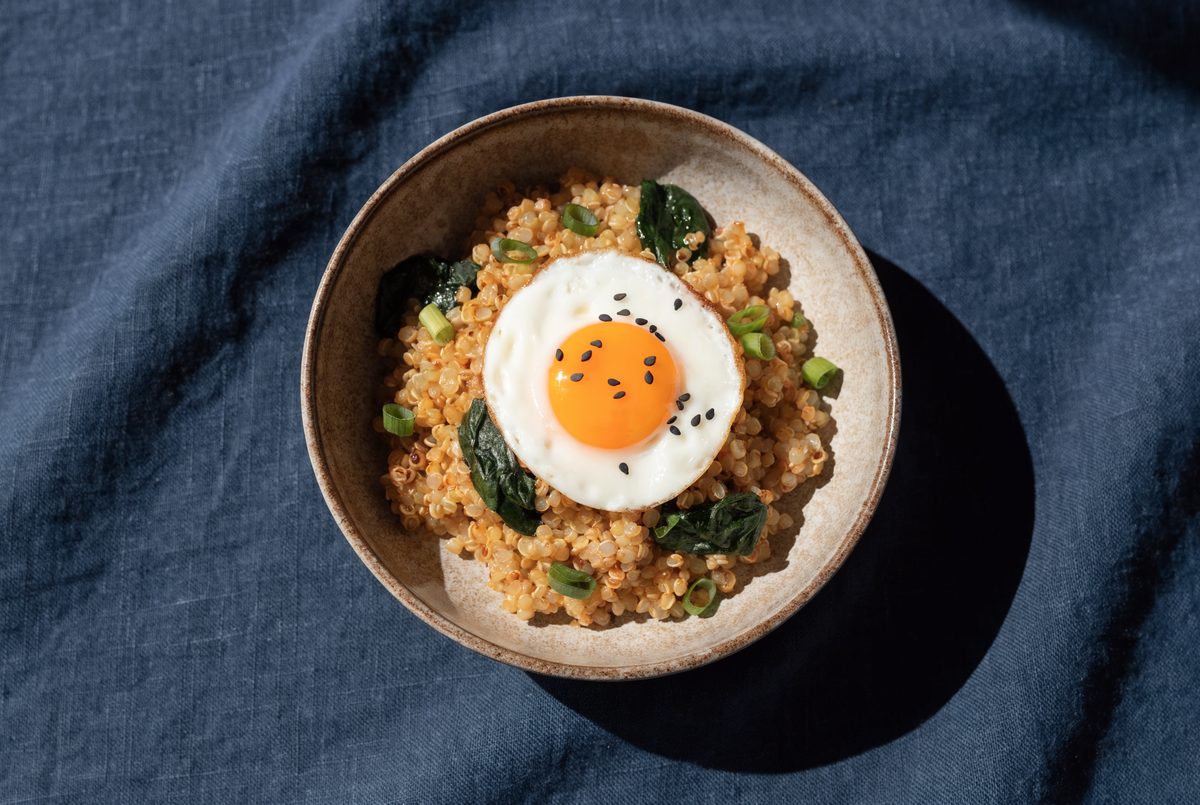
This is fried-rice logic pointed at brain nutrition. Eggs are the richest everyday source of choline, the acetylcholine and cell-membrane precursor most adults under-consume, and in the Framingham Offspring cohort (The American Journal of Clinical Nutrition, 2011) people with higher choline intakes performed better on verbal and visual memory tests and showed fewer white-matter hyperintensities on MRI. That is an association in a well-fed population, not a trial, and it may partly reflect everything else that travels with an egg-and-vegetable diet. A review of choline's neuroprotective actions (Nutrients, 2017) lays out promising mechanisms — much of it from animal and early-life work — which is the kind of evidence that justifies eating eggs, not megadosing supplements.
Quinoa stands in for white rice for two reasons. It is one of the better plant sources of betaine, a methyl donor that spares choline for its brain-side jobs, and it behaves like a whole grain: in a dose-response meta-analysis of prospective studies (BMJ, 2016), around 90 g of whole grains a day was associated with meaningfully lower cardiovascular and all-cause mortality. Spinach adds dietary nitrate on top of its own betaine; a meta-analysis of nitrate trials (The Journal of Nutrition, 2013) found lower systolic blood pressure, though most of those trials poured beetroot juice, a far bigger dose than a handful of leaves. Directionally right, honestly smaller.
Why this works
Pasture-raised eggs carry the choline — about 150 mg each, nearly all in the yolk. Quinoa brings betaine, magnesium, and complete protein; day-old, chilled quinoa fries into distinct grains instead of mush. Baby spinach contributes nitrate, betaine, and folate, and wilts into the pile in seconds. Garlic and scallions supply allicin and its allium cousins — crush the garlic and give it ten minutes before the wok. Toasted sesame oil and tamari do the flavor work that keeps this in weeknight rotation.
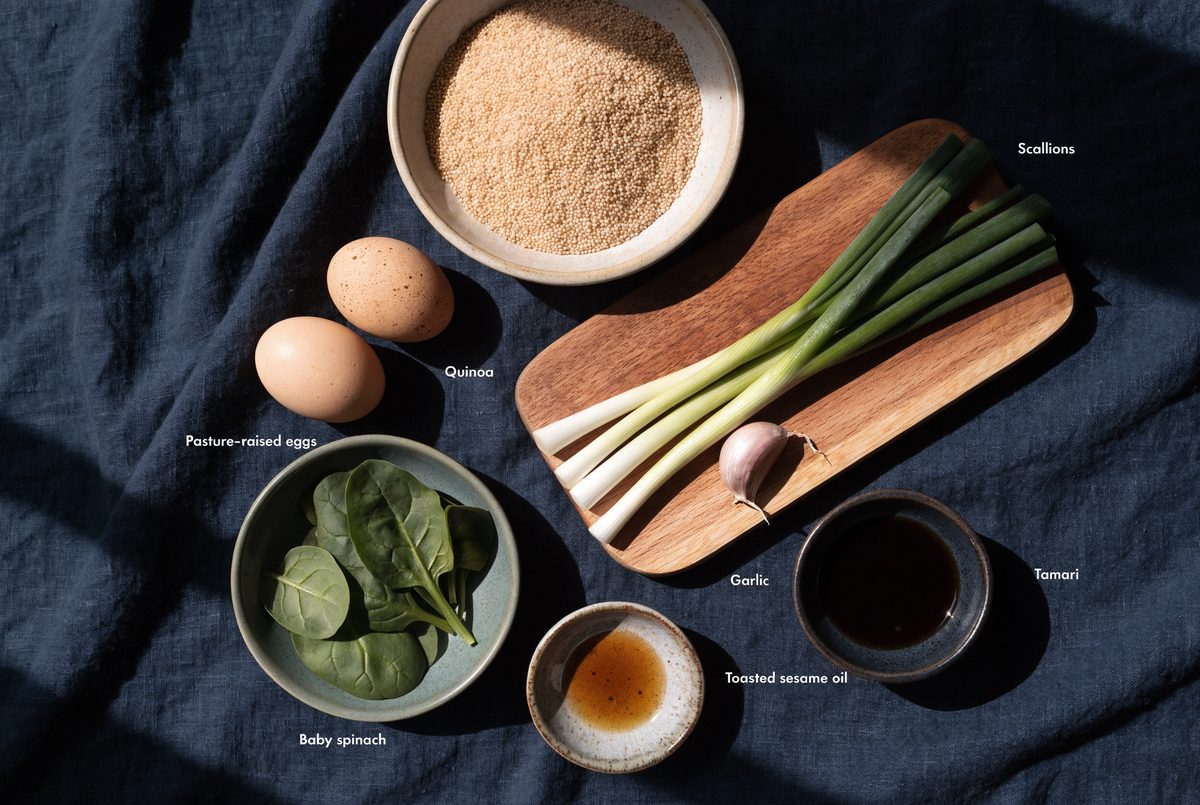
How to make it
- Cook 1 cup quinoa in 1¾ cups water; spread on a tray and chill, ideally overnight — dry, cold grains fry best.
- Beat 4 eggs. Heat a wok over high heat with 1 tablespoon neutral oil, scramble the eggs into large soft curds, and set them aside.
- Add another tablespoon of oil; stir-fry the whites of 6 scallions and 3 crushed garlic cloves (rested 10 minutes) for 30 seconds.
- Add the quinoa and press it into the hot surface in batches, letting it crackle and toast 2–3 minutes before tossing.
- Add 5 oz baby spinach and 2 tablespoons tamari; toss until just wilted.
- Fold the eggs back in with the scallion greens and 2 teaspoons toasted sesame oil; taste and adjust.
Serve in bowls, each topped with an optional extra fried egg and a scatter of sesame seeds. Serves 3–4.
25 PubMed citations
In human health, phosphatidylcholine's most encouraging evidence is in ulcerative colitis, where several randomized…
23 PubMed citations
Human trials and meta-analyses consistently show that oral betaine lowers fasting and post-methionine-load plasma…
24 PubMed citations
Meta-analyses of randomized trials show that beetroot juice and dietary nitrate lower blood pressure—about 5 mmHg…
The research behind this recipe
Primary sources for the claims above. Effects reported in these papers describe the compound or the dietary pattern studied — not this specific dish.
More brain, eyes & sleep recipes
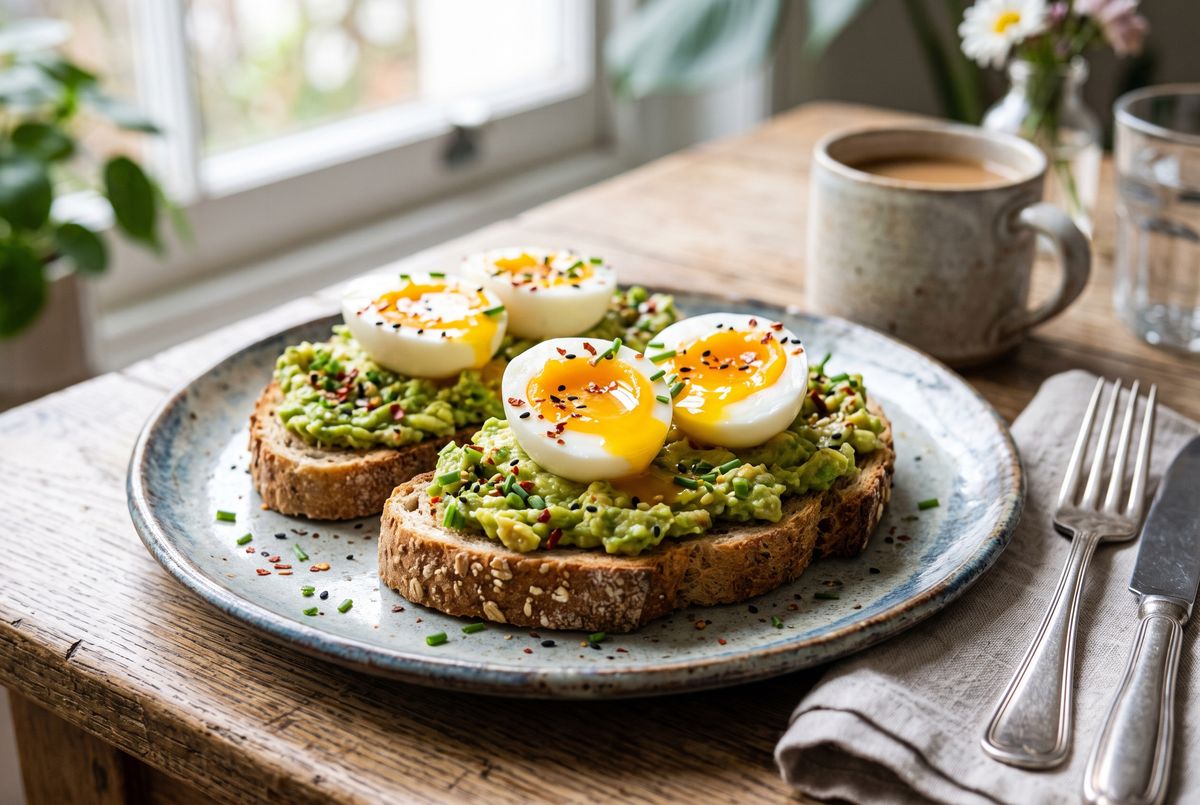 Choline & brain
Egg yolk is the densest everyday source of phosphatidylcholine — and the same yolk carries the lutein your retina concentrates.
 Sleep
SleepMontmorency cherry juice is the sleep intervention with the most actual trial data behind it — and the results are real but…
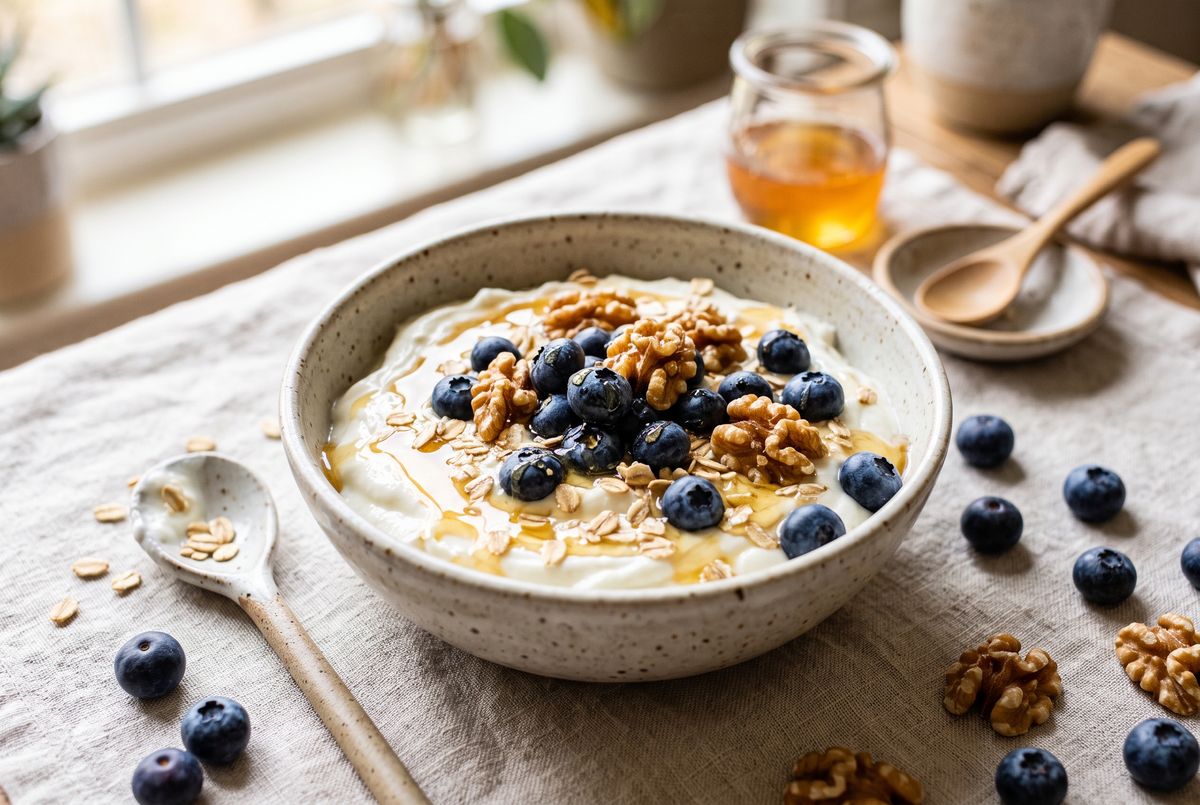 Brain health
Berry anthocyanins and walnut omega-3 are the two most studied food components in cognitive aging research — and they happen to…
Keep reading
Beetroot & dietary nitrateBlood pressureMagnesiumMethylfolateThe supplement guideResearch mapPathway universe