Creatine from Food: Steak with Chimichurri
Red meat and fish are the only meaningful dietary sources of creatine — roughly a gram per pound of raw meat, and cooking costs you some of it.
- Mechanism
- Muscle & strength
- Yield
- serves 2
- Ingredients
- 4
- Steps
- 4
- Cited studies
- 4
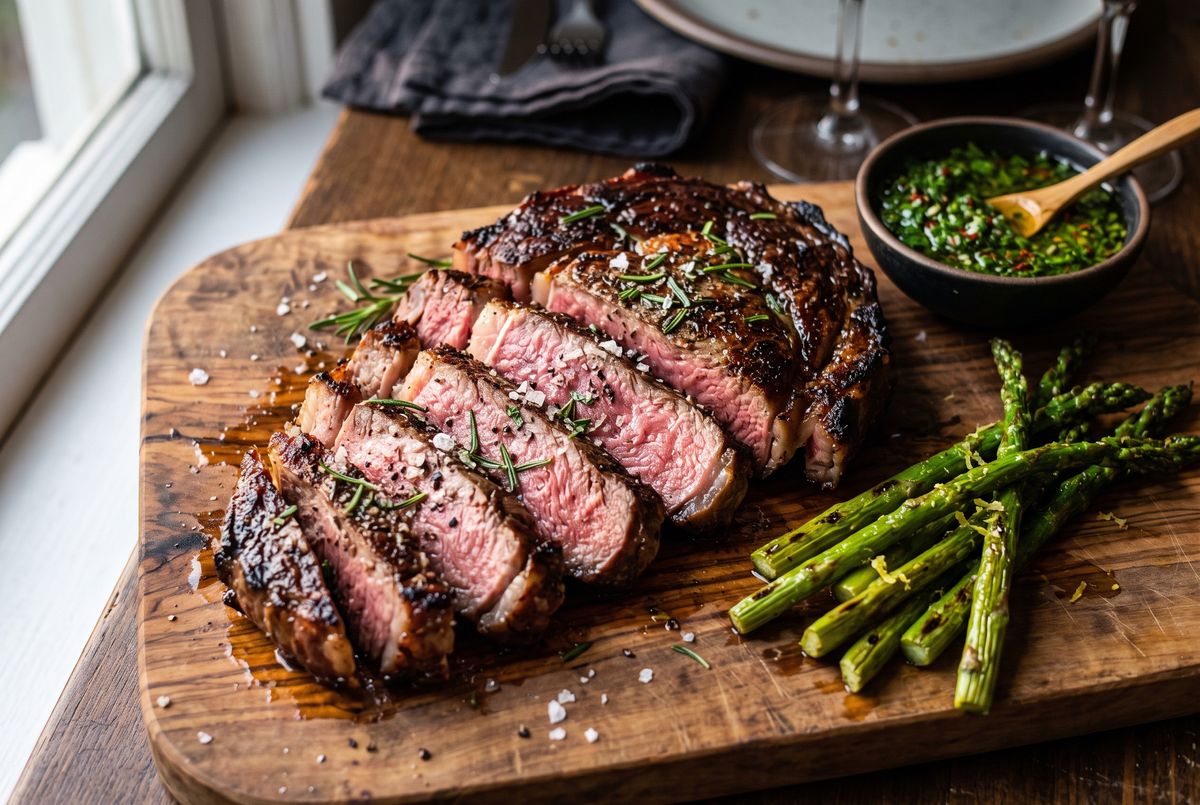
Creatine is unusual among longevity-adjacent nutrients in how narrow its food sources are. It occurs in meaningful amounts almost only in meat and fish, at roughly a gram per pound of raw weight, which is why vegetarians tend to run lower muscle creatine. Studies in vegetarians have measured that directly, both in muscle creatine concentration and in the transporter that carries creatine into muscle.
A controlled study in older men compared an omnivorous diet with a lacto-ovo-vegetarian one during resistance training and looked at body composition and skeletal muscle outcomes (American Journal of Clinical Nutrition, 1999), and later work has examined how age and diet shape the muscle response to creatine. What food cannot do is match a supplement dose. Treat a steak as the floor of your creatine intake rather than a replacement for the powder.
Why this works
The plate is arranged around keeping what the meat already has. Steak is the creatine source, and cooking it hard and long is what costs you some of it, so a fast sear and a rest at medium-rare is not just a texture preference. The chimichurri does the job a sauce should do here — parsley, garlic, oregano, chili and red wine vinegar bring acid and freshness without needing heat, so nothing has to be cooked twice. Asparagus rounds it out and takes the same pan. It is a simple plate, and the simplicity is deliberate.
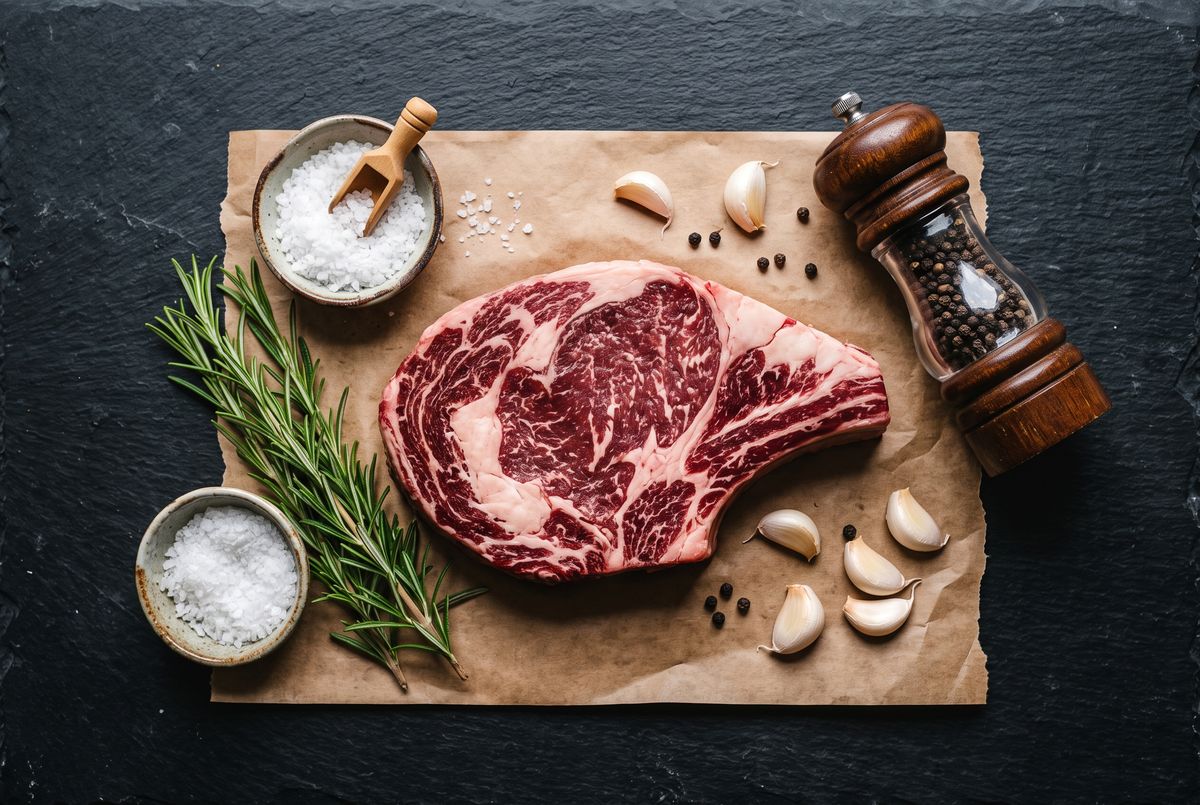
Ingredients · serves 2
- 1 lb grass-fed steak (sirloin or ribeye), at room temperature
- 1 tsp neutral oil, flaky salt, black pepper
- Chimichurri: 1 cup flat-leaf parsley, 2 cloves garlic, 2 tbsp red wine vinegar, ⅓ cup extra-virgin olive oil, ½ tsp oregano, chili flakes
- 1 bunch asparagus
Method
- Dry the steak thoroughly and season just before it hits the pan. Get the pan very hot.
- Sear 3–4 minutes per side for medium-rare, then rest at least 5 minutes — resting is not optional.
- Chop the parsley and garlic finely, then stir with vinegar, oil, oregano and chili.
- Grill or blister the asparagus, slice the steak against the grain, and spoon the chimichurri over.
Getting the most from it
Bring the steak to room temperature, dry it thoroughly, and get the pan properly hot so it browns fast rather than stewing — prolonged high heat is what degrades creatine, so medium-rare to medium keeps more of it than well done. Rest it before slicing. And keep the arithmetic honest: a supplement-sized dose would mean eating well over a pound of meat every day, so food is a floor, not a substitute.
Nutrition Facts
Calculated for one serving from USDA FoodData Central values for the ingredients above. An estimate, not a lab analysis.
How this was calculated. Each ingredient was converted to grams, matched to a food in USDA FoodData Central (SR Legacy, April 2018), summed, and divided by 2 servings. Cooking losses, draining and the real size of a handful all move these numbers, so treat them as a good estimate rather than a measurement. Added sugars count honey, maple syrup and table sugar only; sugar from whole fruit is not an added sugar.
- Beef, grass-fed, strip steaks, lean only, raw
- Oil, vegetable, Natreon canola, high stability, non trans, high oleic (70%)
- Parsley, fresh
- Garlic, raw
- Vinegar, red wine
- Oil, olive, salad or cooking
- Spices, oregano, dried
- Asparagus, raw
23 PubMed citations
Across meta-analyses and randomized trials, creatine monohydrate combined with resistance training modestly increases…
24 PubMed citations
Meta-analyses of randomized trials indicate that carnosine or beta-alanine supplementation modestly improves glycemic…
21 PubMed citations
Meta-analyses of controlled trials indicate that beta-alanine produces a small but statistically significant overall…
The research behind this recipe
Primary sources for the claims above. Effects reported in these papers describe the compound or the dietary pattern studied — not this specific dish.
More muscle, connective tissue & minerals recipes
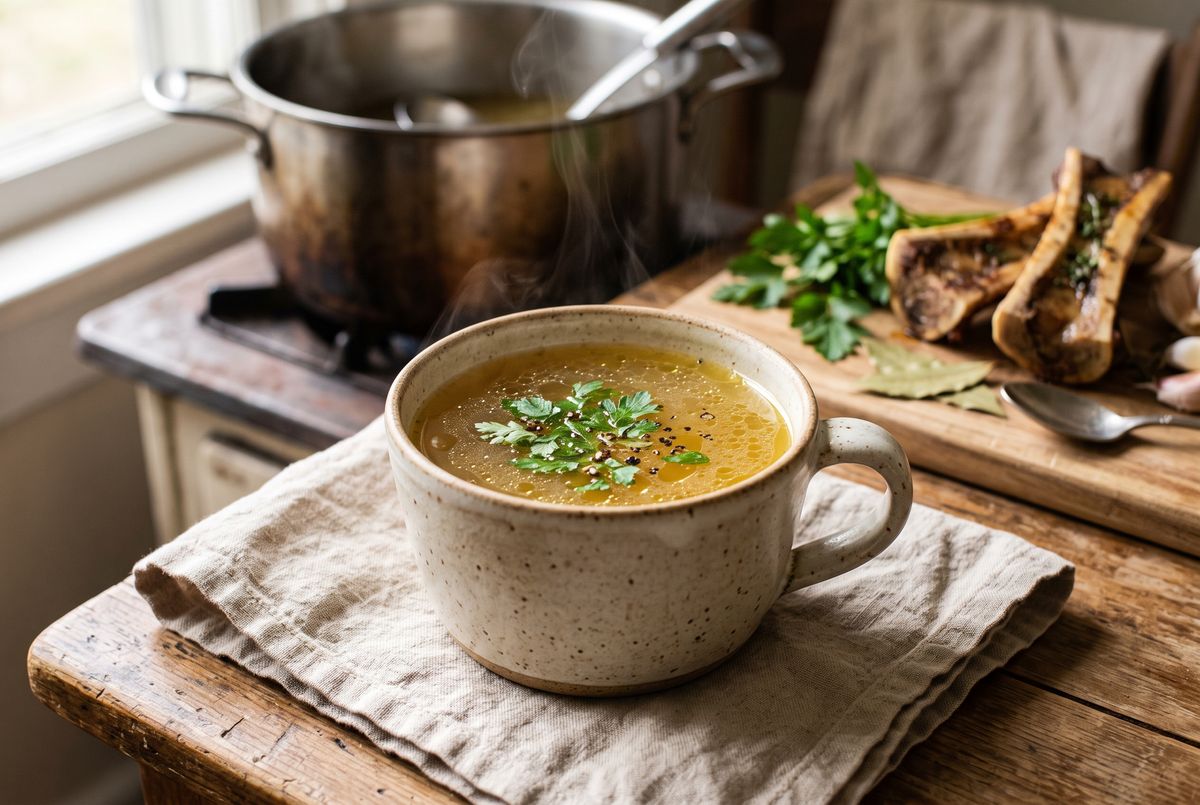 Collagen & glycine
Gelatin is roughly a third glycine — the amino acid we eat least of relative to how much our connective tissue needs.
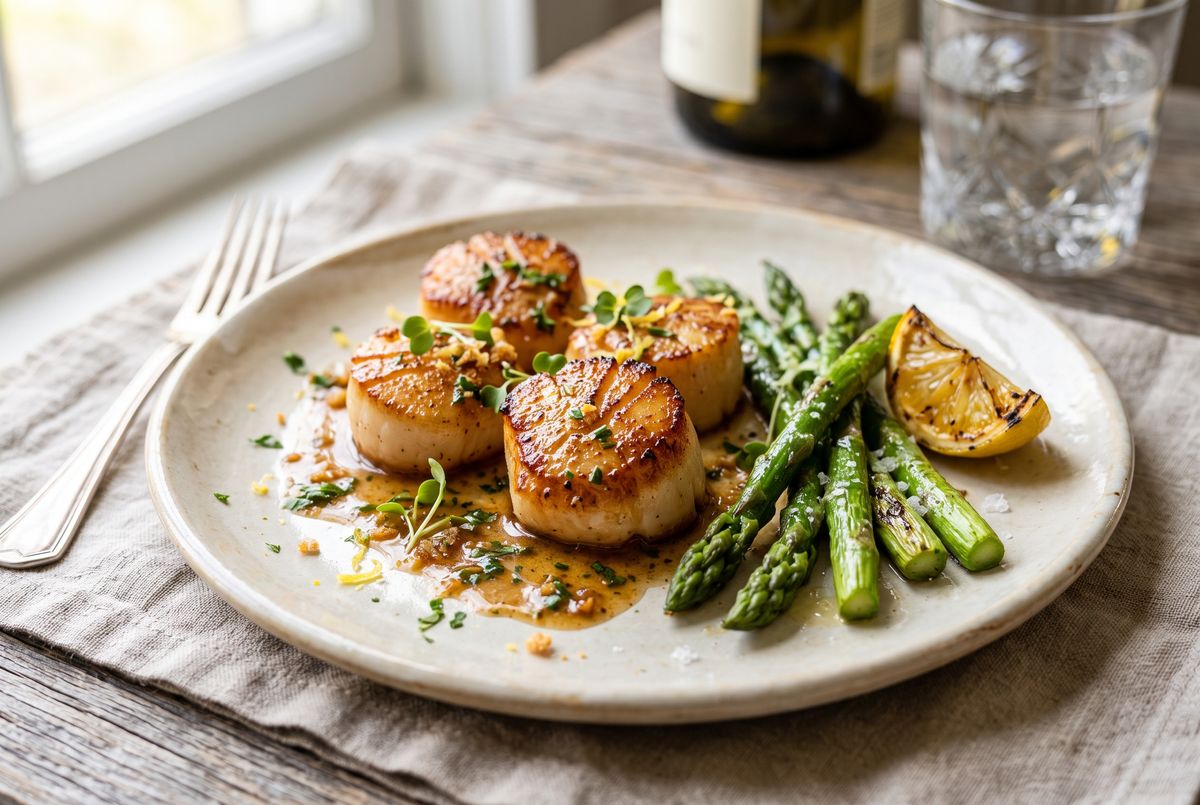 Taurine
Shellfish are the densest food source of taurine — the amino acid whose age-related decline drew serious attention in 2023.
 Zinc & immunity
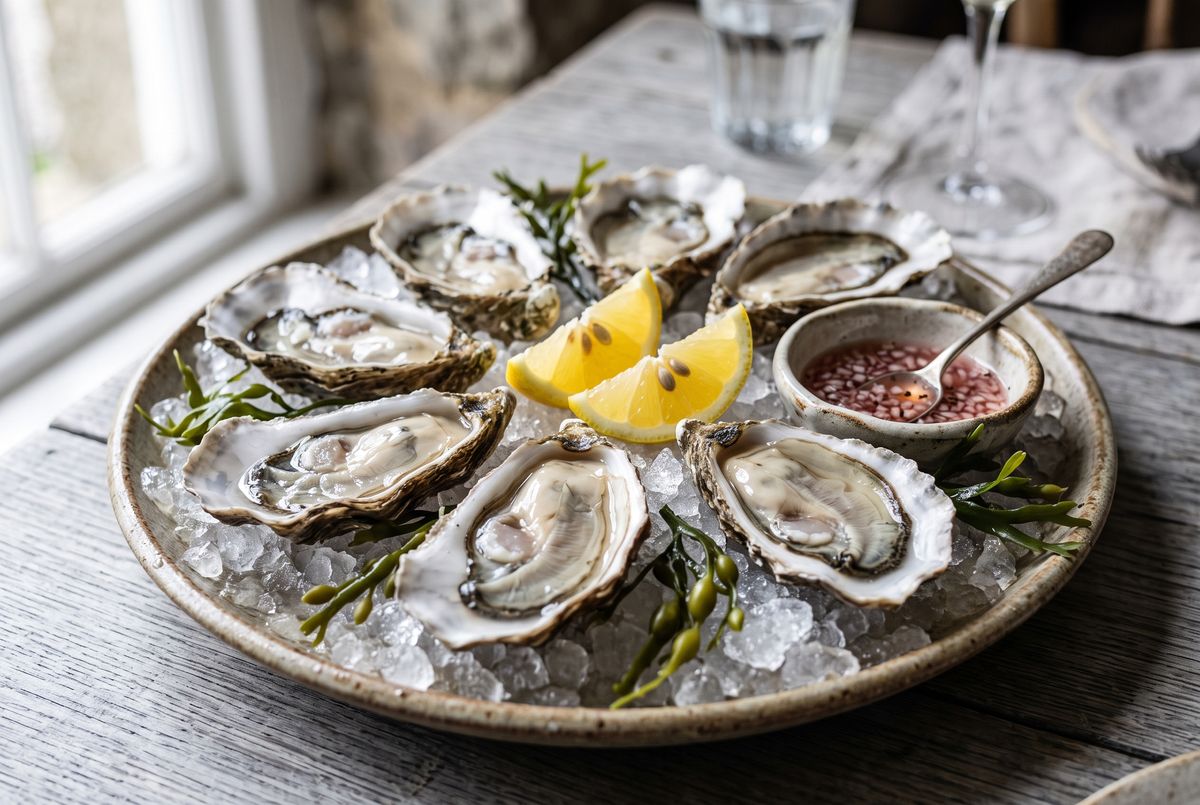
No food comes close to oysters for zinc — a few of them cover a day's requirement several times over.
Keep reading
CreatineSkeletal muscleCreatine: the evidenceCreatine for Healthy AgingThe supplement guideResearch mapPathway universe