Taurine-Rich Seared Scallops
Shellfish are the densest food source of taurine — the amino acid whose age-related decline drew serious attention in 2023.
- Mechanism
- Taurine
- Yield
- serves 2
- Ingredients
- 7
- Steps
- 4
- Cited studies
- 2
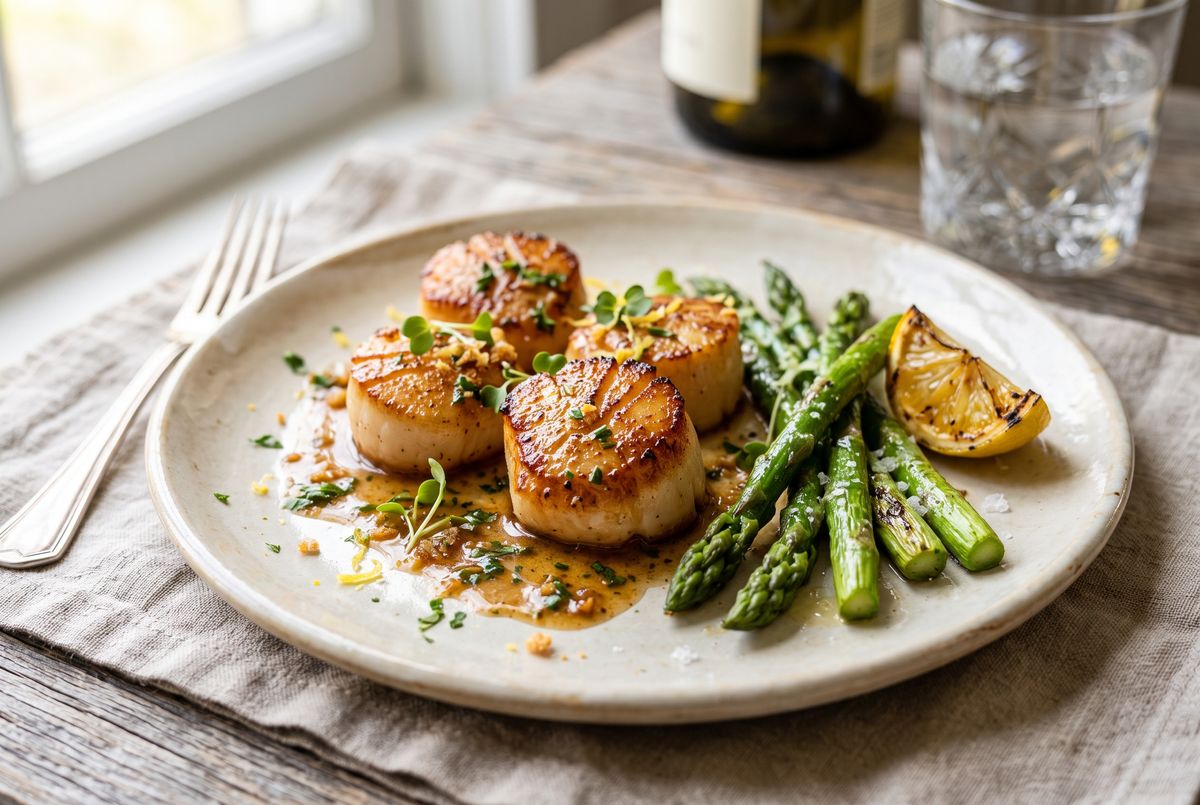
Taurine is an amino acid concentrated in shellfish and fish, with far lower amounts in most other foods. Scallops are one of the simplest ways to eat a real portion of shellfish: they cook in under four minutes and need almost nothing done to them.
Taurine drew wide attention when a much-discussed paper (Science, 2023) reported that its concentrations decline with age and examined its effects on health span in animal models, alongside association data in people. Read that carefully — the health span work was largely in animals, and the human side was association rather than a trial showing that supplementing taurine extends life. A review of seafood as a food group (International Journal for Vitamin and Nutrition Research, 2012) weighs nutritional benefits against risk, which is the fair frame for any shellfish habit.
Why this works
The point of the dish is the scallops, so everything else is built to stay out of their way. A neutral oil takes the initial high heat without burning, and the butter goes in only after the crust has formed, where it can brown and carry the garlic and thyme into the basting spoon rather than scorching. Lemon juice and zest cut the richness of that butter and keep the sweetness of the shellfish from turning cloying, which is also why there is no salt-heavy sauce here. Asparagus tips cook in about the same time and give you something green with a bit of bite against the soft scallop.
Ingredients · serves 2
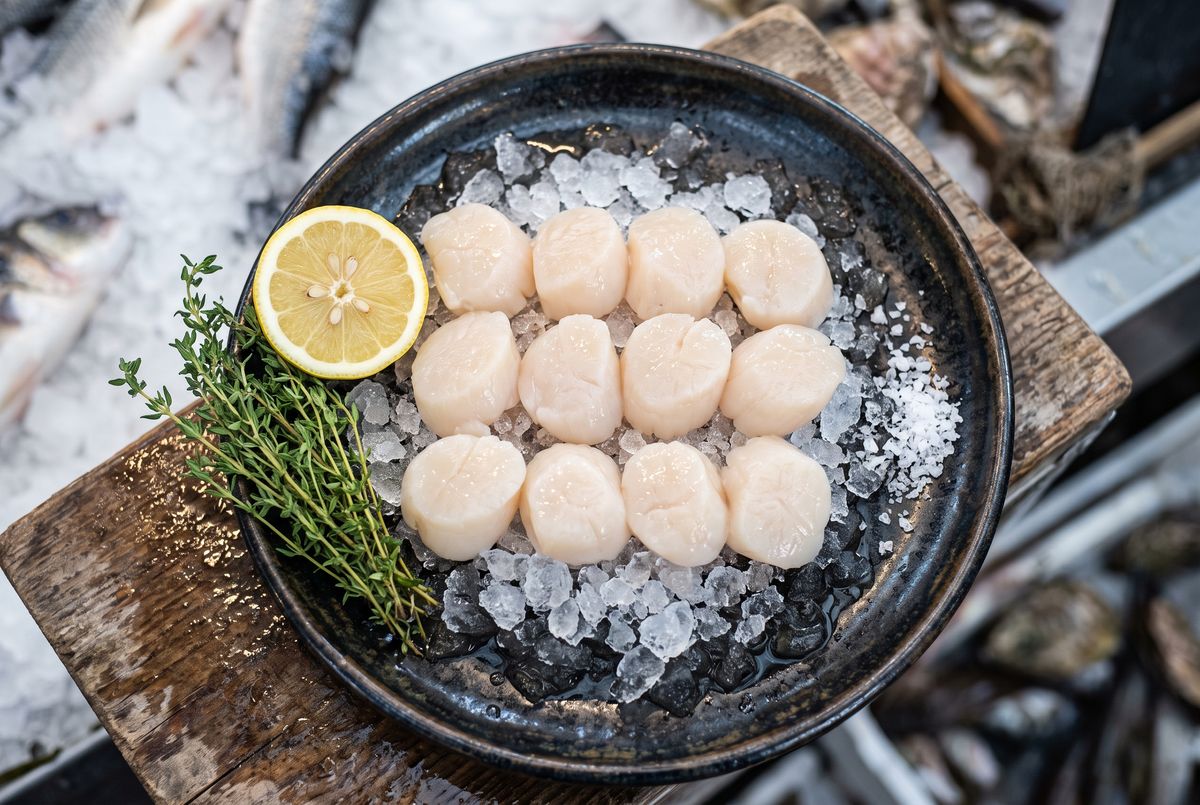
- 10–12 large dry-packed scallops
- 1 tbsp neutral oil, 1 tbsp butter
- 1 clove garlic, smashed
- A sprig of thyme
- Juice of ½ lemon, plus zest
- 1 bunch asparagus tips
- Parsley, black pepper
Method
- Pat the scallops bone-dry and season with pepper. Moisture is the enemy of a good crust.
- Heat the oil in a heavy skillet until it just shimmers. Add the scallops without crowding and do not move them for 90 seconds–2 minutes.
- Flip, add the butter, garlic and thyme, and baste for 30–60 seconds. They should still be translucent in the very center.
- Squeeze lemon into the pan, spoon over the scallops, and serve with the asparagus.
Getting the most from it
Ask for dry-packed scallops. The wet-packed kind are treated with phosphate solution, which makes them hold water, and that water will steam in the pan instead of letting a crust form — you can usually spot them by a milky liquid in the tray and an unnaturally white, plump look. Whichever you buy, blot them dry on paper towels, leave room between them in the pan, and take them off while the centers are still translucent.
Nutrition Facts
Calculated for one serving from USDA FoodData Central values for the ingredients above. An estimate, not a lab analysis.
How this was calculated. Each ingredient was converted to grams, matched to a food in USDA FoodData Central (SR Legacy, April 2018), summed, and divided by 2 servings. Cooking losses, draining and the real size of a handful all move these numbers, so treat them as a good estimate rather than a measurement. Added sugars count honey, maple syrup and table sugar only; sugar from whole fruit is not an added sugar.
- Mollusks, scallop, mixed species, raw
- Oil, vegetable, Natreon canola, high stability, non trans, high oleic (70%)
- Butter, salted
- Garlic, raw
- Lemon juice, raw
- Asparagus, raw
19 PubMed citations
A landmark 2023 study reported that taurine declines with age in mice, monkeys, and humans and that supplementation…
22 PubMed citations
Across large randomized trials and meta-analyses, marine omega-3s reliably reduce serum triglycerides (roughly 15% at…
23 PubMed citations
Multiple meta-analyses of randomized trials indicate that oral zinc, started soon after symptom onset, can modestly…
The research behind this recipe
Primary sources for the claims above. Effects reported in these papers describe the compound or the dietary pattern studied — not this specific dish.
More muscle, connective tissue & minerals recipes
 Muscle & strength
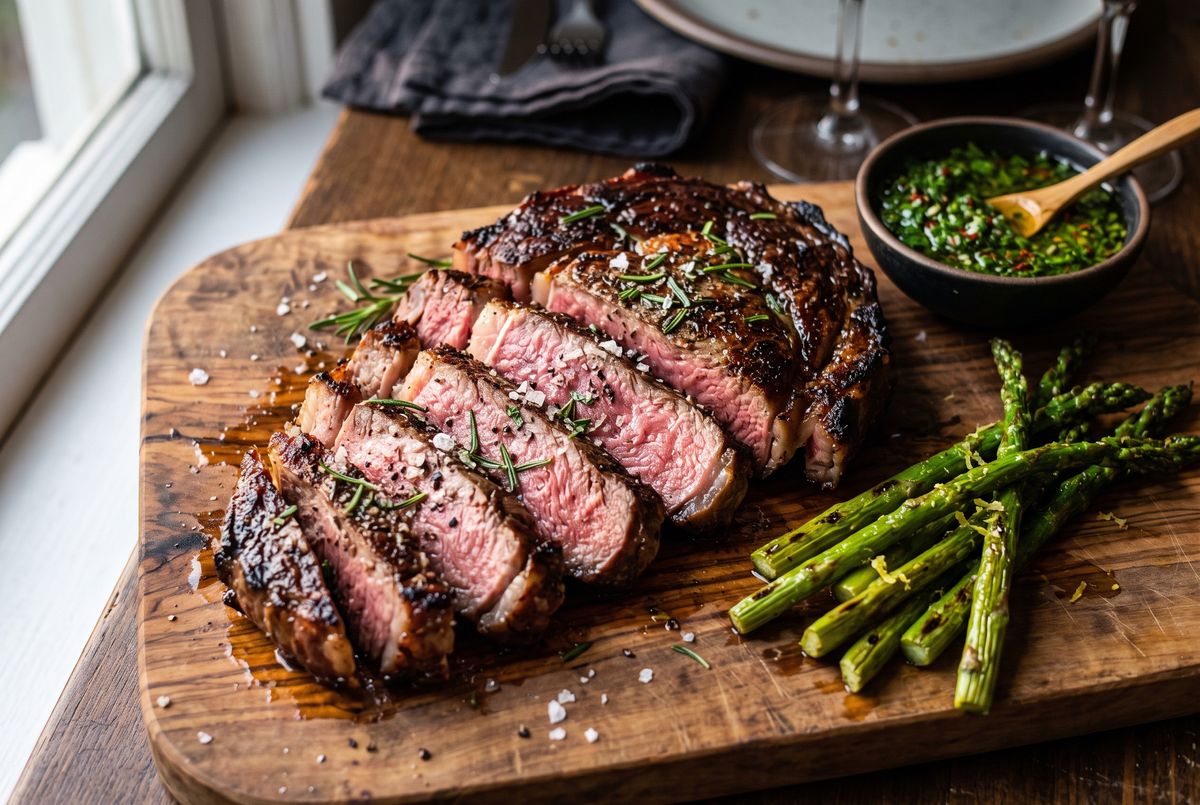
Red meat and fish are the only meaningful dietary sources of creatine — roughly a gram per pound of raw meat, and cooking costs…
 Collagen & glycine
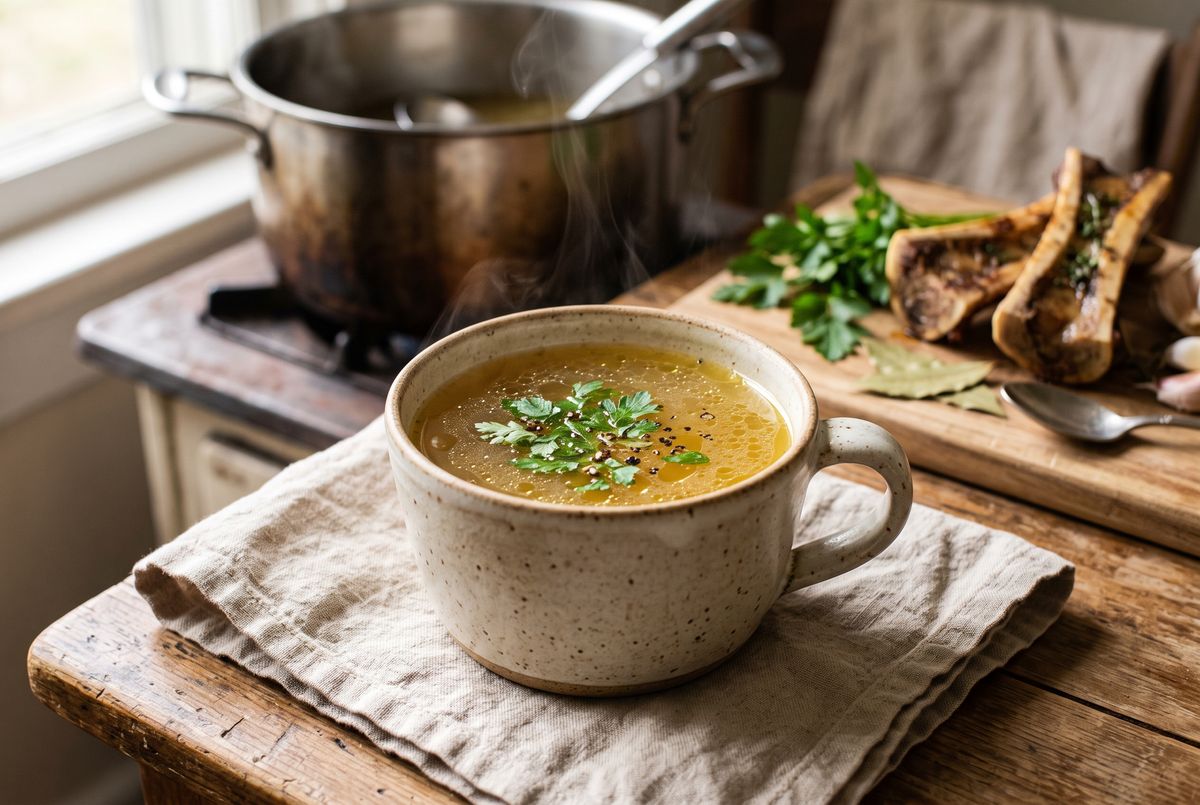
Gelatin is roughly a third glycine — the amino acid we eat least of relative to how much our connective tissue needs.
 Zinc & immunity
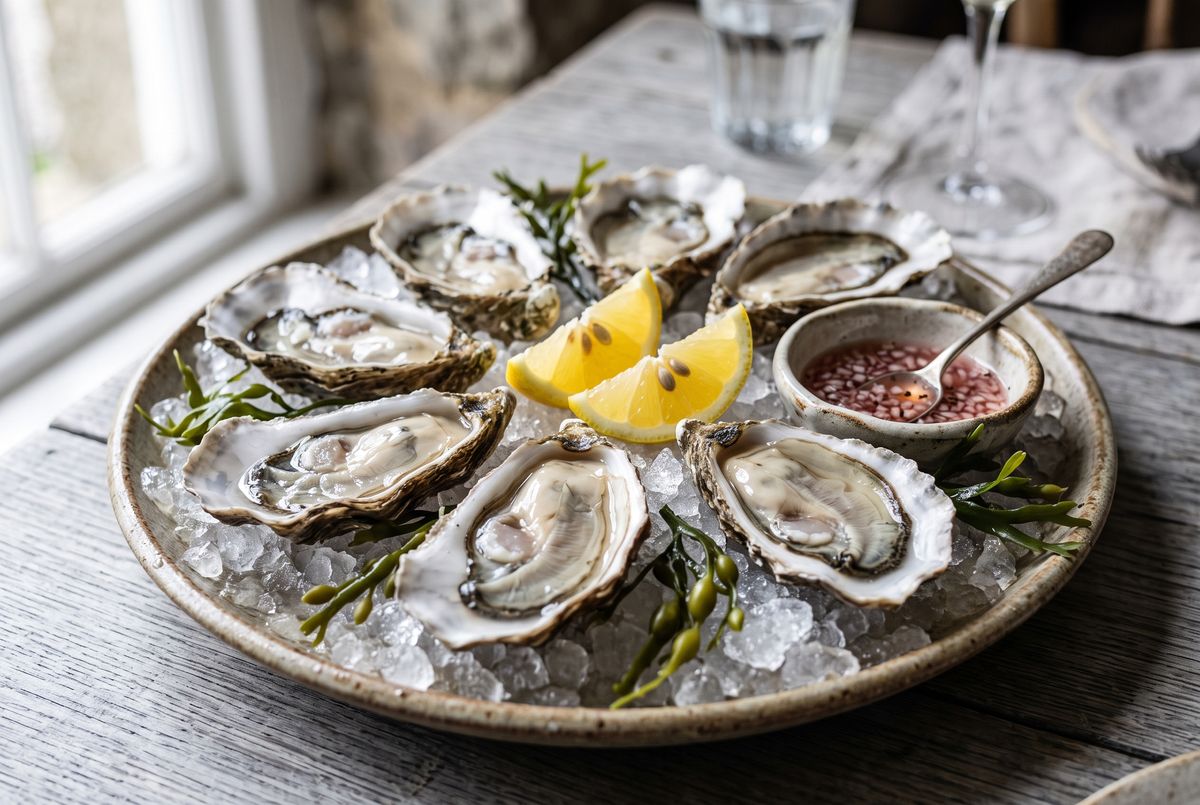
No food comes close to oysters for zinc — a few of them cover a day's requirement several times over.
Keep reading
Omega-3Omega-3: the evidenceTaurine and AgingThe supplement guideResearch mapPathway universe