Glycine-Rich Bone Broth
Gelatin is roughly a third glycine — the amino acid we eat least of relative to how much our connective tissue needs.
- Mechanism
- Collagen & glycine
- Yield
- makes about 3 quarts
- Ingredients
- 6
- Steps
- 5
- Cited studies
- 4
- Course
- Soup
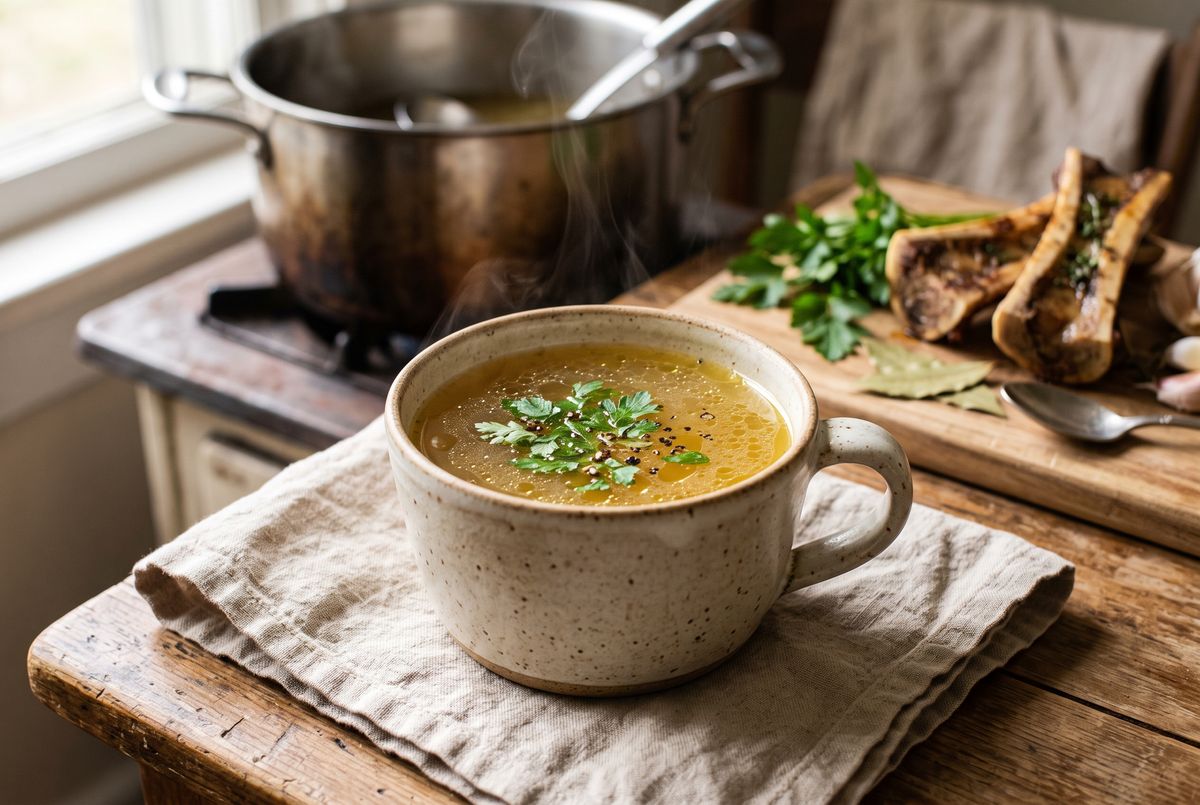
Bone broth is the old-fashioned way to eat gelatin, and gelatin is where the glycine is. Collagen and the gelatin it becomes are unusually rich in this amino acid, which has roles in connective tissue and in antioxidant defense, and which modern diets tend to supply only modestly. A review of glycine's many roles covers that range, and work on the precursors that sustain collagen synthesis makes the connective-tissue side concrete.
A controlled study found that gelatin taken with vitamin C before exercise affected markers of collagen synthesis (American Journal of Clinical Nutrition, 2017) — which is the reason to drink broth alongside something citrus rather than on its own. Dietary glycine has also been examined in relation to blood pressure across populations. None of that makes broth an anti-aging cure; it makes it a nutrient-dense food worth keeping in the freezer.
Why this works
The ingredient list is chosen for extraction. Marrow and knuckle bones, or chicken feet, are the joint and connective parts, which is where the collagen sits — lean bones give you a thin, disappointing broth. The apple cider vinegar and the twenty-minute cold soak help soften the bones and start the gelatin coming out before the pot ever gets warm. Onion, carrot, celery, garlic, bay and peppercorns are there for flavor, since a broth you find pleasant is a broth you will drink. The parsley goes in at the end so it stays green, and the long, bare simmer rather than a rolling boil is what keeps the liquid clear.
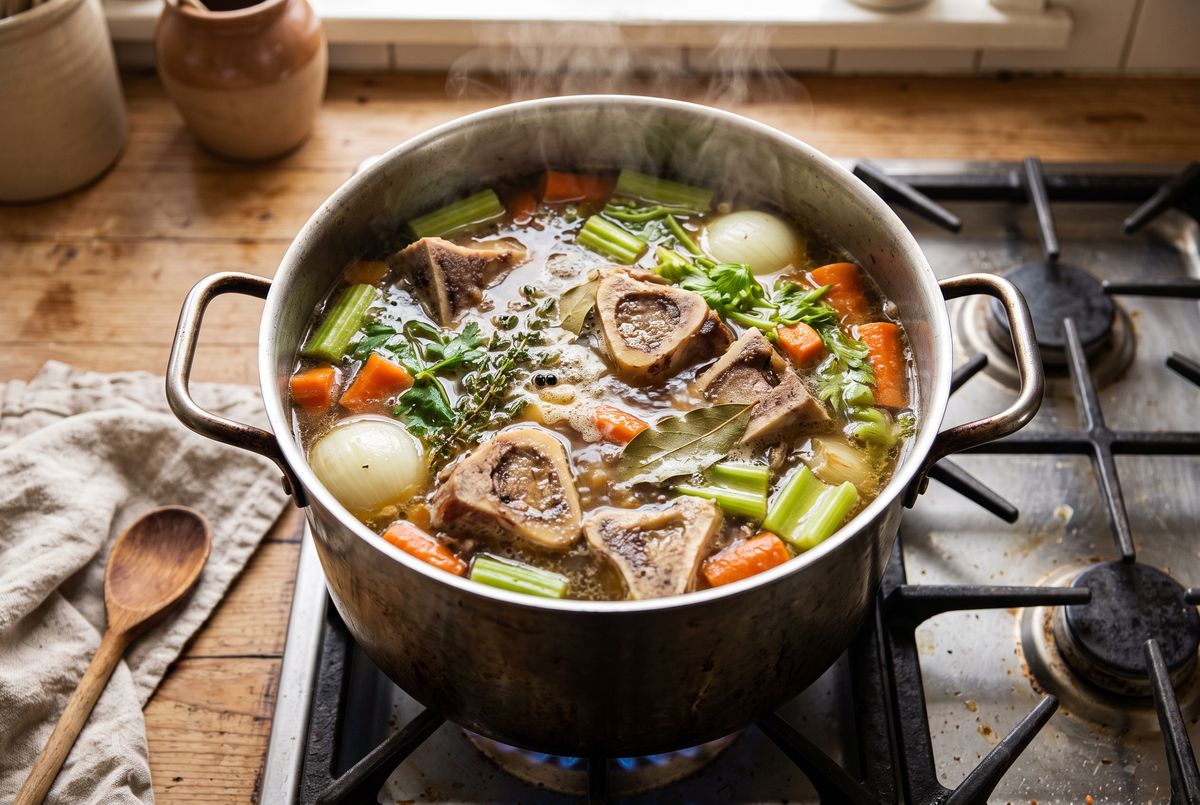
Ingredients · makes about 3 quarts
- 3–4 lb beef marrow and knuckle bones (or a mix with chicken feet)
- 2 tbsp apple cider vinegar
- 2 carrots, 2 stalks celery, 1 onion, halved
- 4 cloves garlic, 2 bay leaves, peppercorns
- A large handful of parsley, added at the end
- Water to cover
Method
- Roast the bones at 425°F (220°C) for 30 minutes for depth of flavor — worth the extra step.
- Put everything except the parsley into a large pot, cover with cold water, and add the vinegar. Let it sit 20 minutes before heating.
- Bring barely to a simmer and hold it there 12–24 hours, skimming the foam early. Never let it boil hard or it turns cloudy.
- Add the parsley in the last 20 minutes, then strain. Chill — good broth sets to a soft jelly.
- Drink it with something vitamin-C rich, or use it as the base for the stews and risotto on this site.
Getting the most from it
Ask the butcher for knuckles and joints rather than plain marrow bones, roast them first, and hold the pot at a bare tremble for as long as you can stand — twelve hours minimum. The test is in the fridge the next day: if the broth sets to a soft jelly, you pulled the gelatin out. If it stays watery, simmer longer next time or use more joint and knuckle bones. Drink it with something citrus.
Nutrition Facts
Calculated for one serving from USDA FoodData Central values for the ingredients above, counting only the strained liquid you actually drink. An estimate, not a lab analysis.
How this was calculated. Each ingredient was converted to grams, matched to a food in USDA FoodData Central (SR Legacy, April 2018), summed, and divided by 8 servings. The recipe does not state a yield, so two servings were assumed. Solids that are steeped and then strained out are excluded — only what ends up in the glass is counted. Cooking losses, draining and the real size of a handful all move these numbers, so treat them as a good estimate rather than a measurement. Added sugars count honey, maple syrup and table sugar only; sugar from whole fruit is not an added sugar.
- Soup, stock, beef, home-prepared
18 PubMed citations
Small human trials report that about 3 g of glycine before bedtime improves subjective sleep quality and reduces…
16 PubMed citations
In small clinical trials, mostly pilot and open-label studies plus one randomized placebo-controlled trial of 24 older…
The research behind this recipe
Primary sources for the claims above. Effects reported in these papers describe the compound or the dietary pattern studied — not this specific dish.
More muscle, connective tissue & minerals recipes
 Muscle & strength
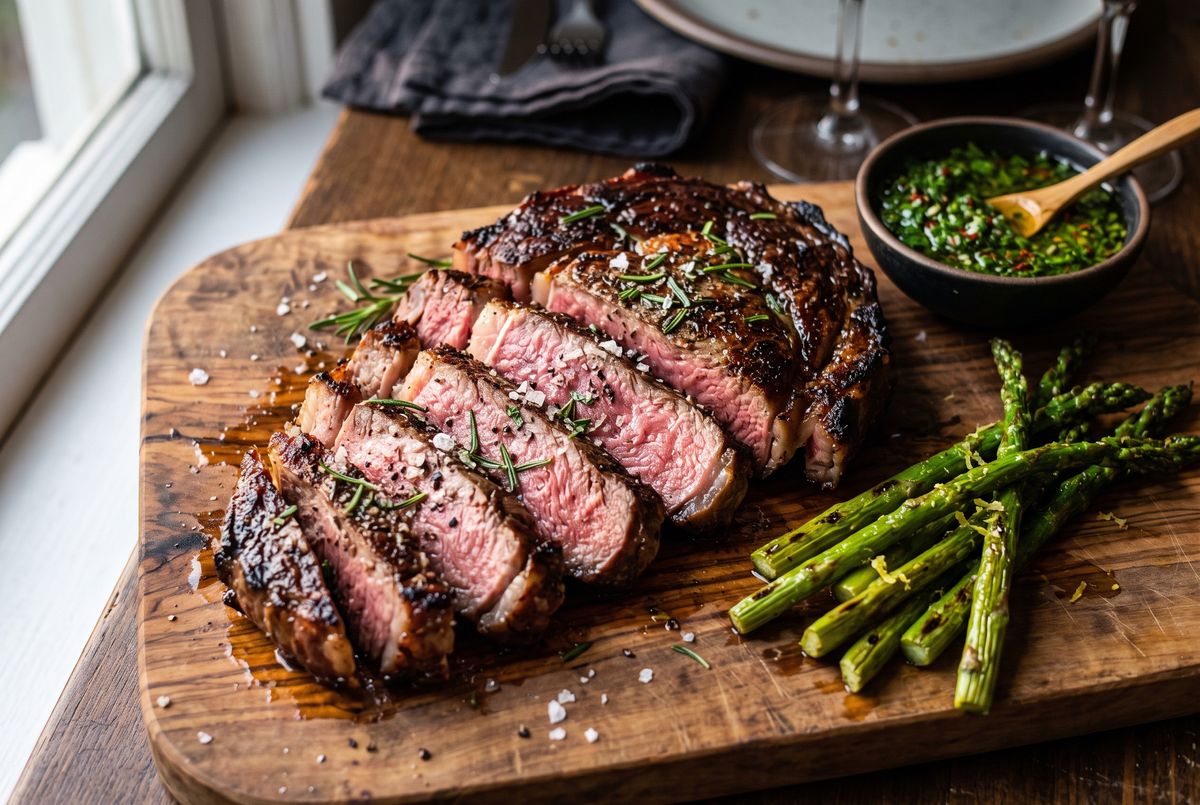
Red meat and fish are the only meaningful dietary sources of creatine — roughly a gram per pound of raw meat, and cooking costs…
 Taurine
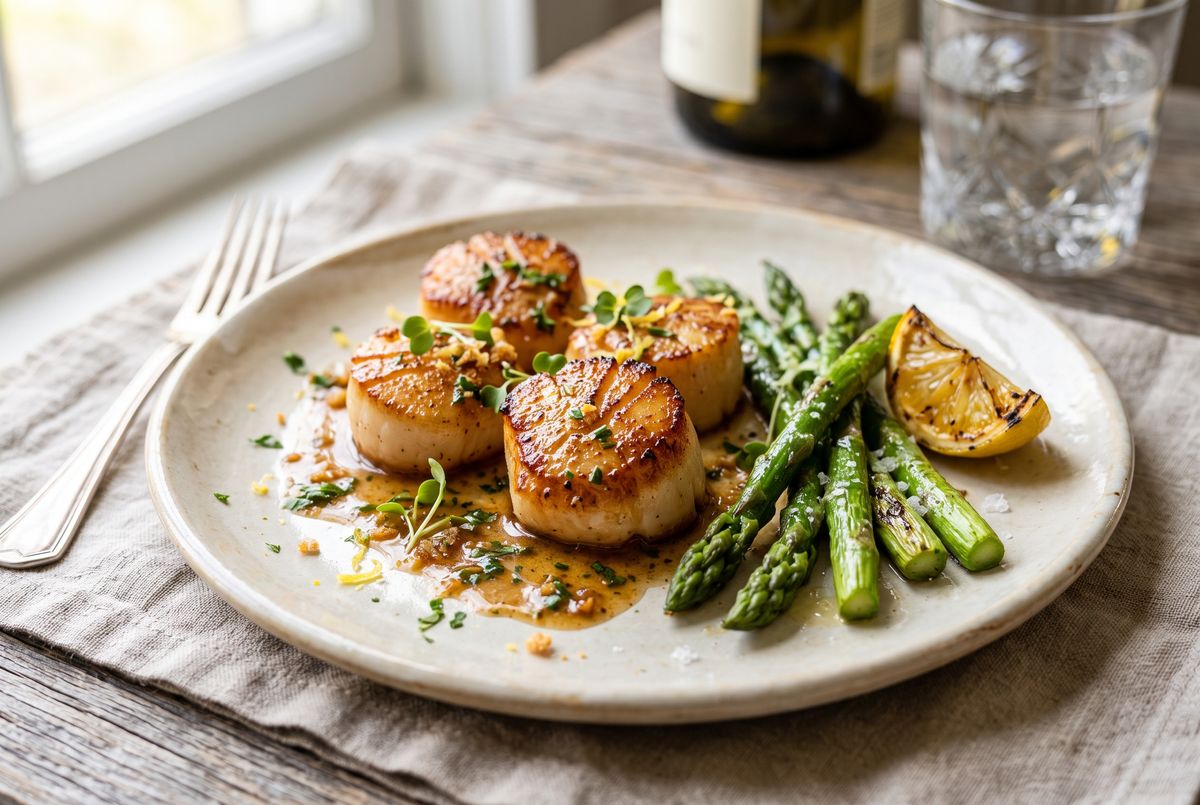
Shellfish are the densest food source of taurine — the amino acid whose age-related decline drew serious attention in 2023.
 Zinc & immunity
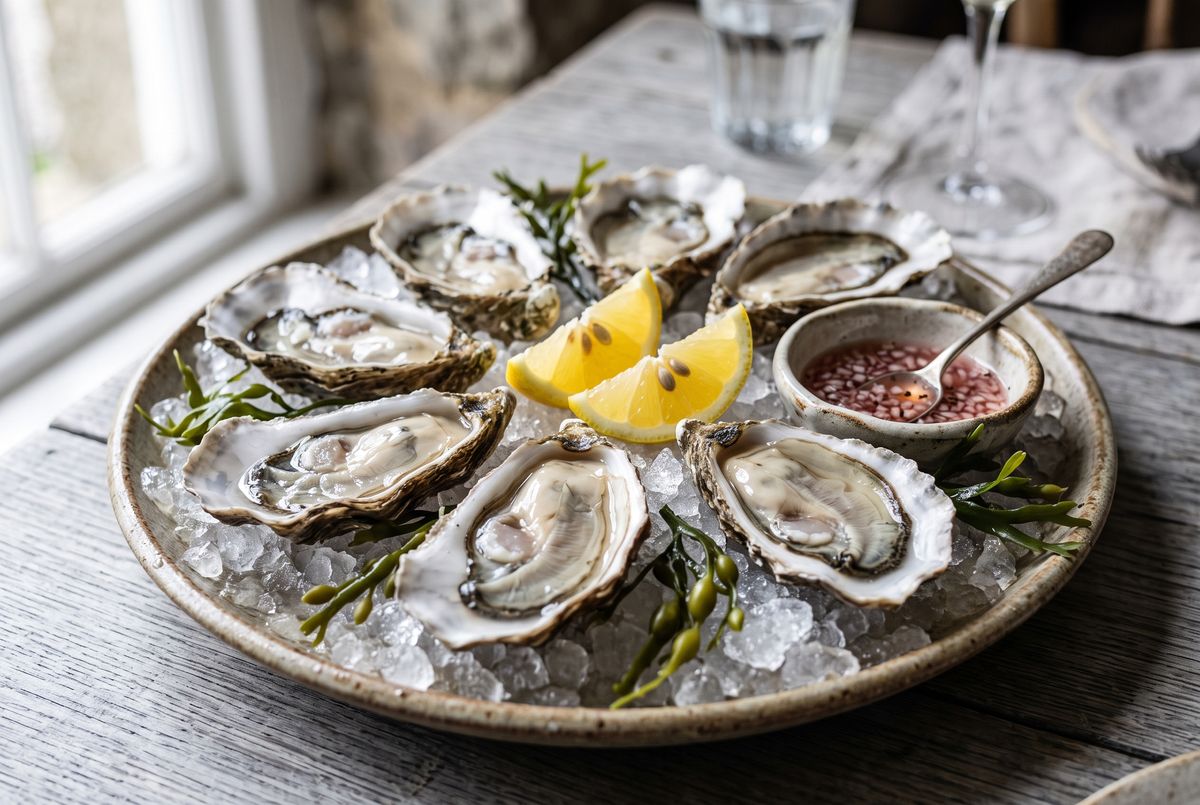
No food comes close to oysters for zinc — a few of them cover a day's requirement several times over.
Keep reading
Blood pressureCollagenGlycineVitamin CGlyNAC and GlutathioneThe supplement guideResearch mapPathway universe