Nordic Herring & New Potato Salad
Herring runs higher than beef on creatine per kilo and matches salmon on EPA and DHA at pantry prices. With potato potassium and caper quercetin, this is the Nordic lunch the cohort data would order.
- Mechanism
- Muscle & strength
- Cited studies
- 5
- Course
- Salad
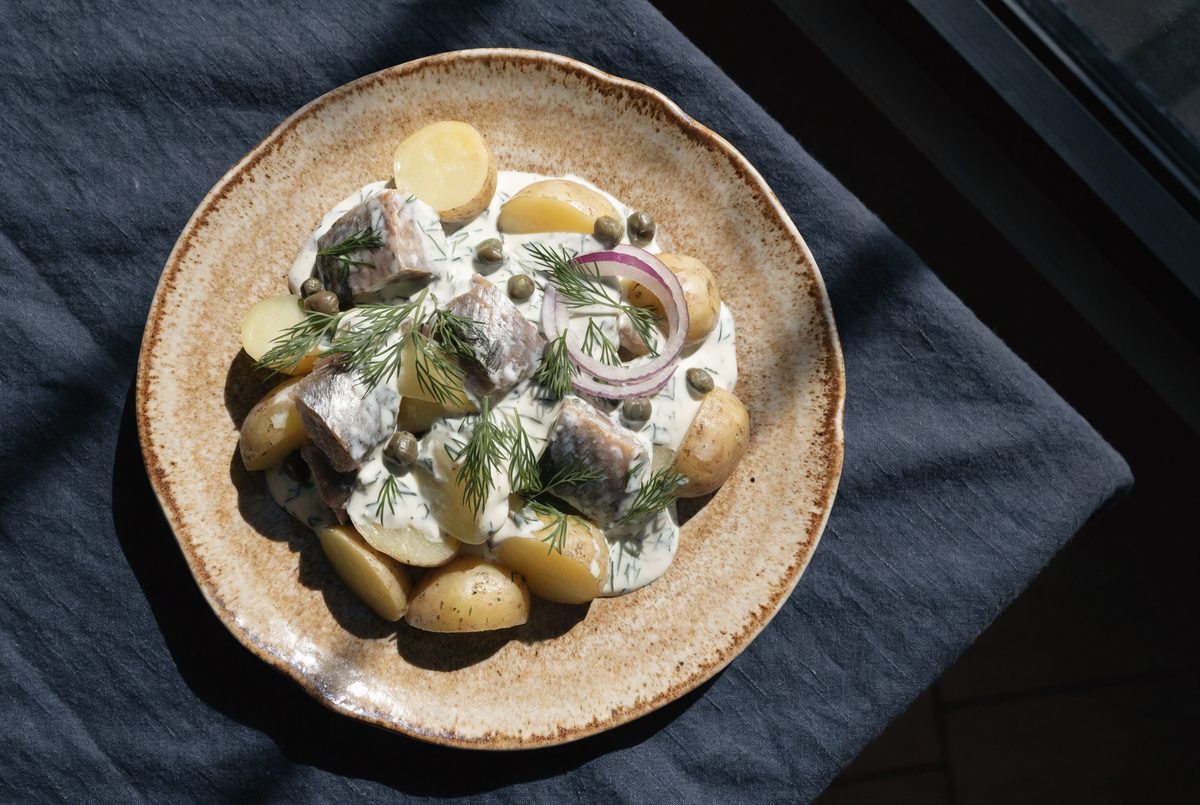
Few everyday foods concentrate this many of the compounds we track like herring: it is among the richest fish sources of creatine — herring flesh measures higher per kilogram than beef — and it delivers EPA and DHA at salmon-like levels for a fraction of the price. The classic risk–benefit analysis of fish eating (JAMA, 2006) estimated that one to two weekly servings of oily fish were associated with roughly a third lower risk of coronary death, and judged the benefits to outweigh contaminant risks for adults. The randomized evidence is soberer: in the VITAL trial (New England Journal of Medicine, 2019), 1 g per day of supplemental marine omega-3s did not significantly reduce the primary composite of major cardiovascular events, though secondary signals for heart attack kept the question open.
The rest of the salad pulls real weight. A systematic review conducted to inform WHO guidance (BMJ, 2013) found that higher potassium intake lowered blood pressure and was associated with lower stroke risk — and new potatoes are one of the better potassium foods in a Northern European kitchen, gaining resistant starch as they cool. Capers and red onion are two of the most concentrated quercetin foods there are, with the honest caveat that the blood-pressure meta-analysis (Journal of the American Heart Association, 2016) found effects only at supplement doses of 500 mg per day and up — far more than any salad provides. Creatine's own trial base is likewise built on supplement doses (Journal of the International Society of Sports Nutrition, 2017); herring simply gets you further per bite than most foods can.
Why this works
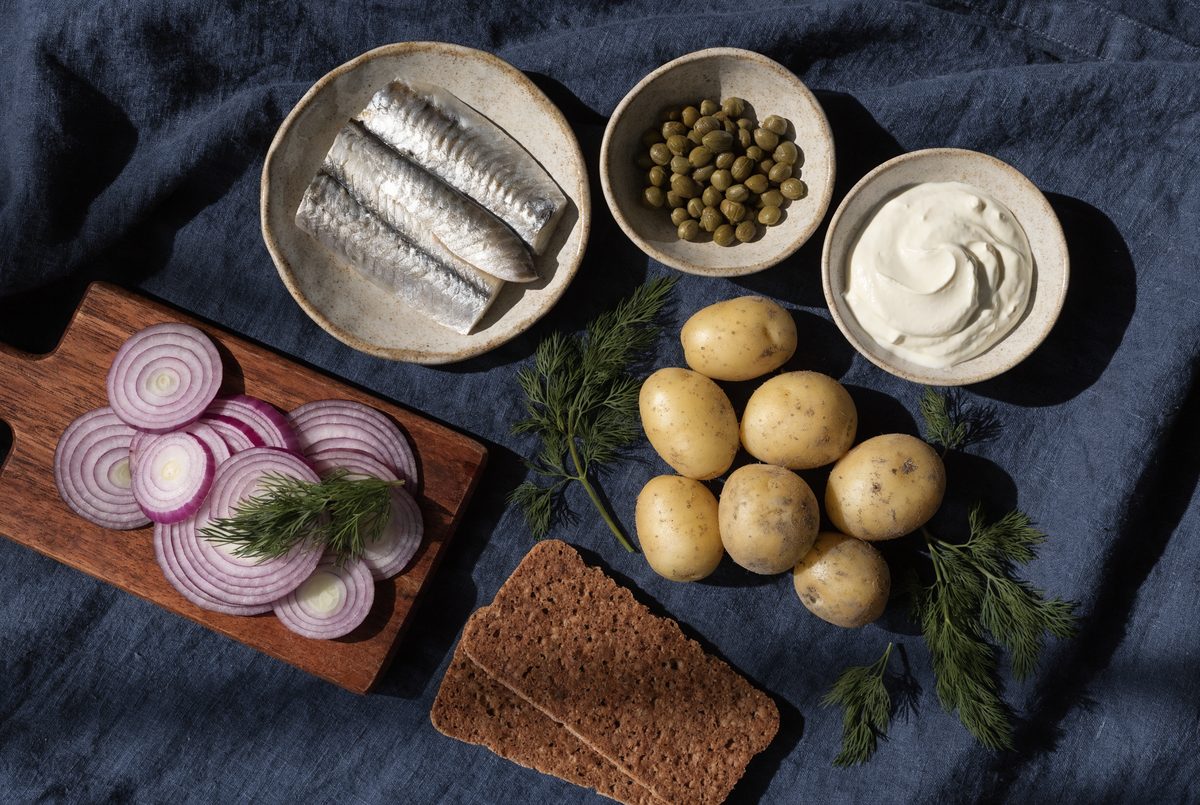
Pickled herring keeps its creatine and its omega-3s through brining — pickling preserves rather than destroys them. New potatoes, boiled and cooled, contribute the potassium and a modest dose of resistant starch. Fresh dill, capers, and red onion carry the polyphenols and make the dish taste like Scandinavia instead of a compromise, while crème fraîche adds the fat that helps fat-soluble nutrients along. Rye crispbread on the side brings slow, dense fiber.
How to make it
- Boil 600 g new potatoes in well-salted water until just tender, 12–15 minutes; drain, halve, and cool to room temperature.
- Whisk 150 g crème fraîche with a tablespoon of the herring pickling liquid, a teaspoon of mustard if you have it, and plenty of black pepper.
- Fold in the potatoes, 250 g drained pickled herring pieces, half a thinly sliced red onion, and 2 tablespoons of capers.
- Add a generous handful of chopped dill and fold once more — gently, so the herring stays in pieces.
- Chill 30 minutes to let it come together, then check the seasoning; the capers and brine usually carry the salt.
- Serve cool with rye crispbread, extra dill, and red onion rings on top.
Serves three as lunch. It holds two days in the fridge and arguably improves on the second.
23 PubMed citations
Across meta-analyses and randomized trials, creatine monohydrate combined with resistance training modestly increases…
22 PubMed citations
Across large randomized trials and meta-analyses, marine omega-3s reliably reduce serum triglycerides (roughly 15% at…
22 PubMed citations
In prospective cohort studies and pooled analyses spanning dozens of cohorts, higher blood levels of EPA + DHA have…
The research behind this recipe
Primary sources for the claims above. Effects reported in these papers describe the compound or the dietary pattern studied — not this specific dish.
More muscle, connective tissue & minerals recipes
 Muscle & strength
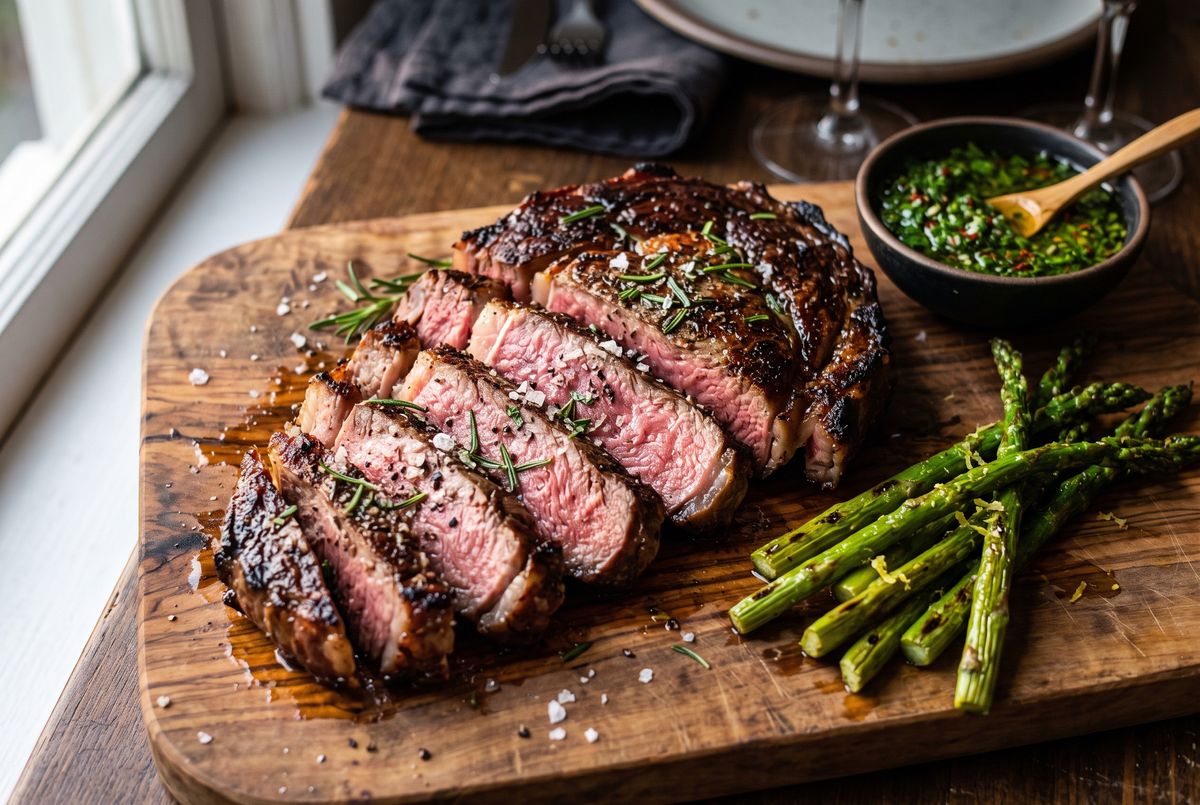
Red meat and fish are the only meaningful dietary sources of creatine — roughly a gram per pound of raw meat, and cooking costs…
 Collagen & glycine
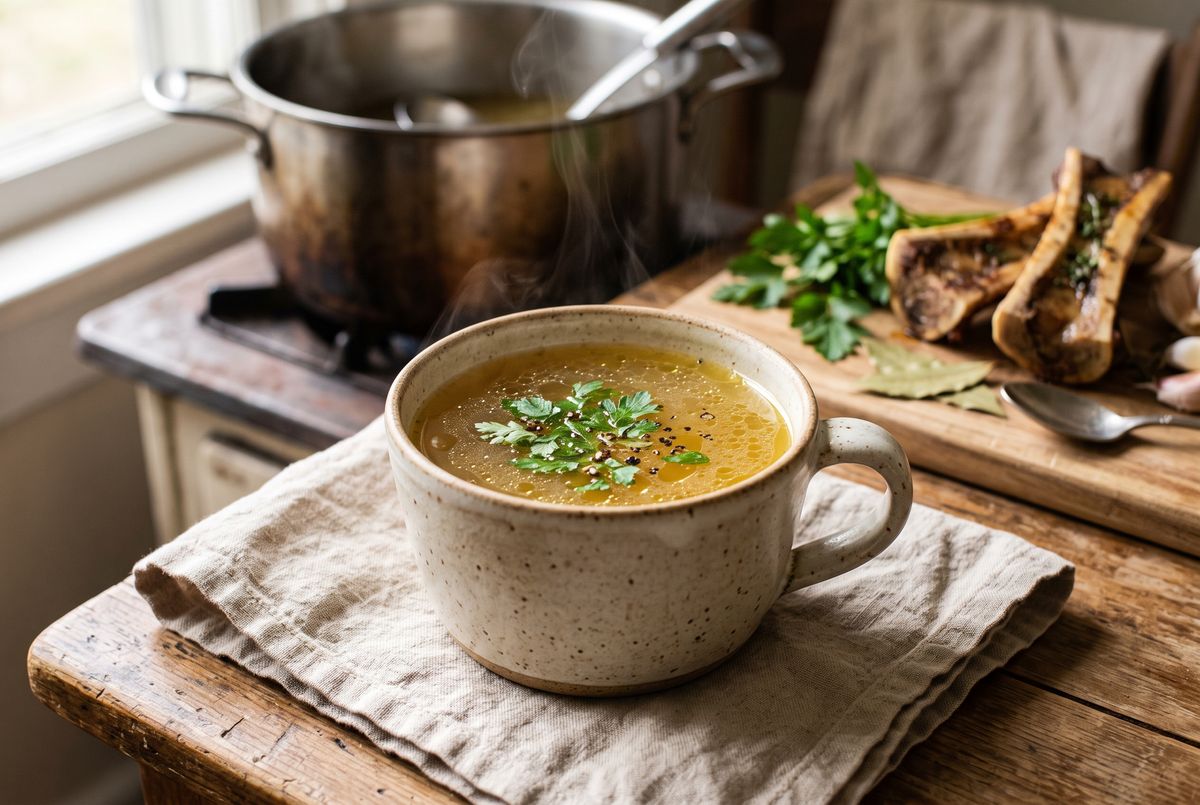
Gelatin is roughly a third glycine — the amino acid we eat least of relative to how much our connective tissue needs.
 Taurine
Shellfish are the densest food source of taurine — the amino acid whose age-related decline drew serious attention in 2023.
Keep reading
Blood pressureOmega-3CreatineQuercetinCreatine: the evidenceOmega-3: the evidenceCreatine for Healthy AgingThe supplement guideResearch mapPathway universe