Maitake & Miso Udon Bowl
Roasted maitake over udon in miso broth: fermented soy tied to lower mortality in a large Japanese cohort, spinach for dietary nitrate, and mushroom compounds still earning their evidence.
- Mechanism
- Mushrooms
- Cited studies
- 4
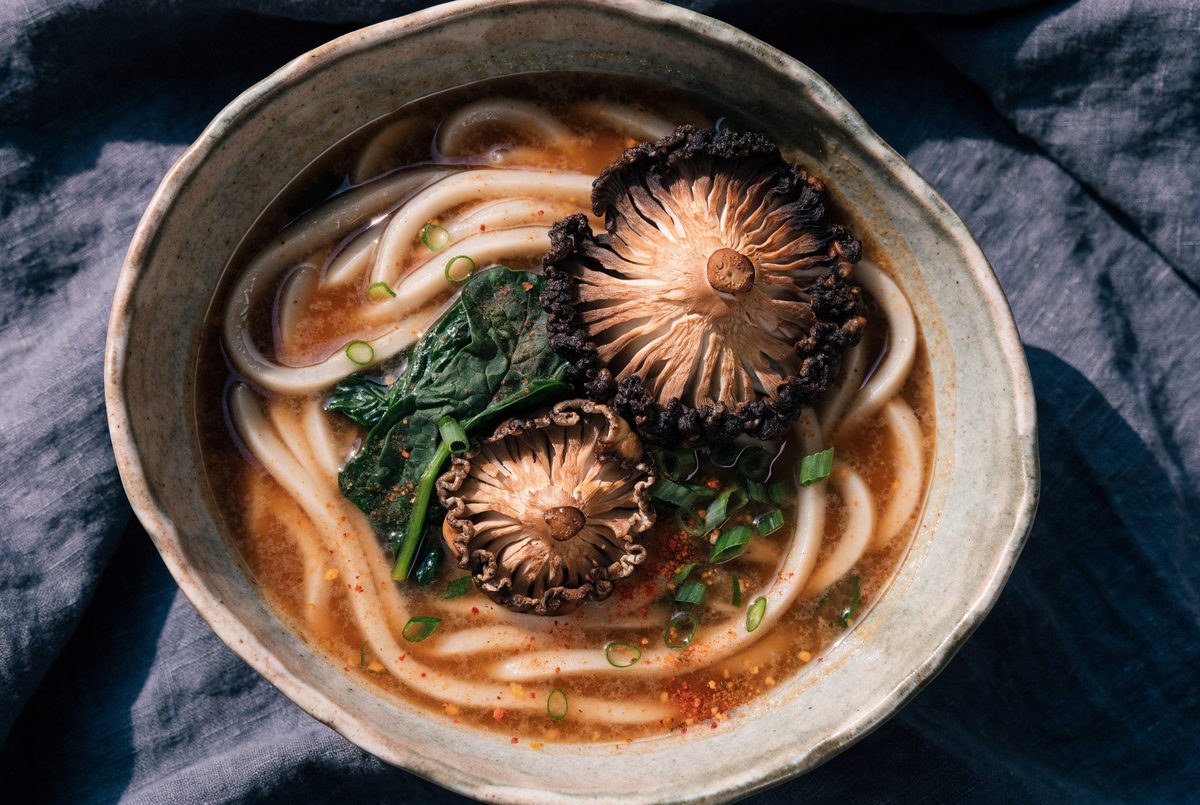
Miso has the strongest single data point in this bowl. In a prospective cohort of over ninety thousand Japanese adults, higher intake of fermented soy products — miso and natto — was associated with lower all-cause mortality, while unfermented soy showed no such link (BMJ, 2020). The authors were careful to say what cohort authors should: fermented-soy eaters differ in many ways from non-eaters, and no adjustment fully removes that. Still, it is one of the larger, better-run observational studies in the fermented-food literature.
The baby spinach wilted into the broth is here for dietary nitrate, where the evidence is genuinely interventional: a meta-analysis of randomized trials found inorganic nitrate lowers blood pressure (Journal of Nutrition, 2013), mostly via beetroot juice, with leafy greens supplying the same compound at food doses. For the maitake, honesty requires more hedging. Its beta-glucans are structurally different from the oat and barley beta-glucans that actually lowered LDL in randomized trials (British Journal of Nutrition, 2016), and mushroom glucans have mostly been studied on immune markers, so treat that link as plausible rather than proven. Maitake does, however, carry ergothioneine, the antioxidant that tracked with lower mortality in a Swedish cohort (Heart, 2020).
Why this works
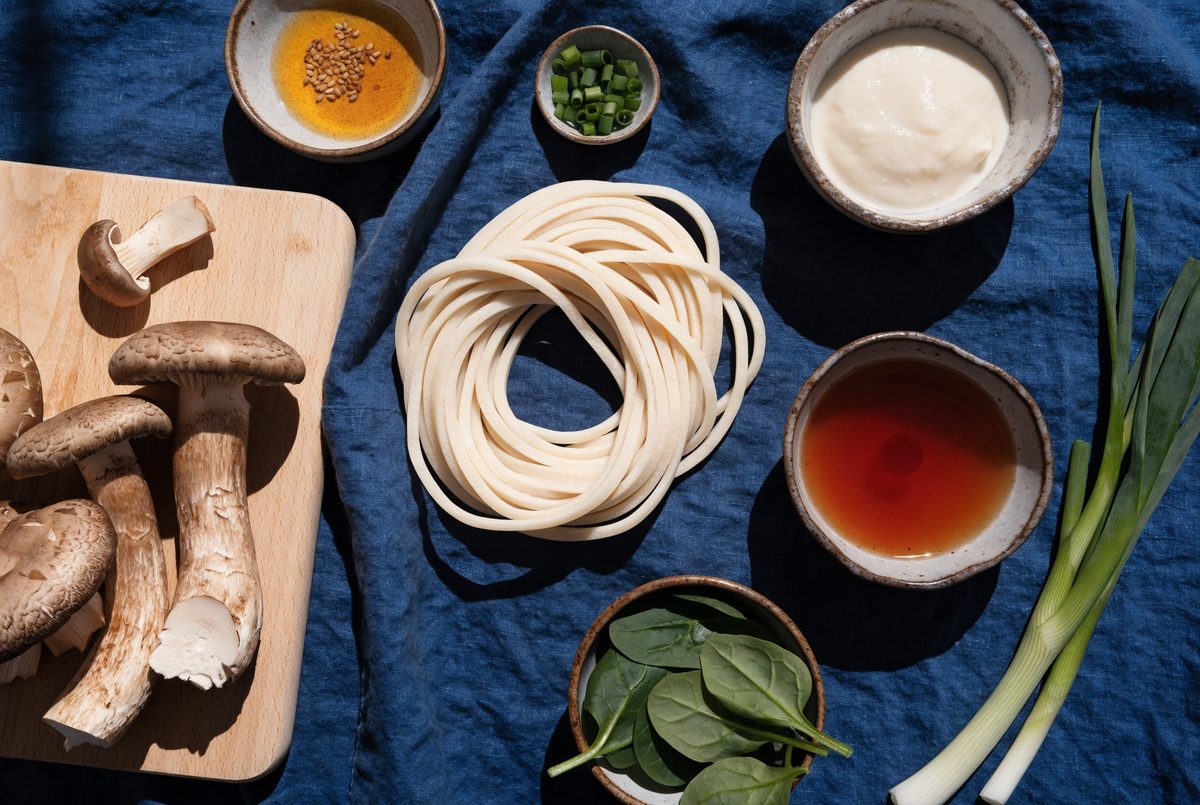
Maitake, roasted hot until the frilled edges crisp, contributes ergothioneine and its beta-glucans along with the deepest flavor in the bowl. White miso brings the fermented-soy story — whisk it in off the boil, both for flavor and because its live cultures do not survive a rolling simmer. Kombu dashi lays down glutamate so the broth needs less salt overall. Baby spinach adds the nitrate plus folate and potassium, udon makes it dinner, and scallions with toasted sesame oil finish it like the noodle shop would.
How to make it
- Make the dashi: steep a 10 cm piece of kombu in 1.2 L of barely simmering water for 15 minutes, then remove it.
- Meanwhile, toss 300 g maitake clusters with a little neutral oil and roast at 220°C for 15–18 minutes until the edges are crisp and brown.
- Cook 2 portions of udon according to the package, rinse briefly, and divide between two deep bowls.
- Take the dashi off the heat, ladle a little into a cup, and whisk in 3 tbsp white miso until smooth; stir the slurry back into the pot.
- Drop two big handfuls of baby spinach into the hot broth to wilt, about 30 seconds.
- Pour broth and spinach over the noodles, top with the roasted maitake, sliced scallions and a few drops of toasted sesame oil.
Serves 2. Add shichimi togarashi at the table if you like heat; keep the miso addition off the boil every time you reheat.
16 PubMed citations
In humans, blood ergothioneine levels tend to fall with age, particularly after 60, and multiple observational and…
24 PubMed citations
Meta-analyses of randomized trials show that beetroot juice and dietary nitrate lower blood pressure—about 5 mmHg…
The research behind this recipe
Primary sources for the claims above. Effects reported in these papers describe the compound or the dietary pattern studied — not this specific dish.
More antioxidant defence & polyphenols recipes
 Nrf2 pathway
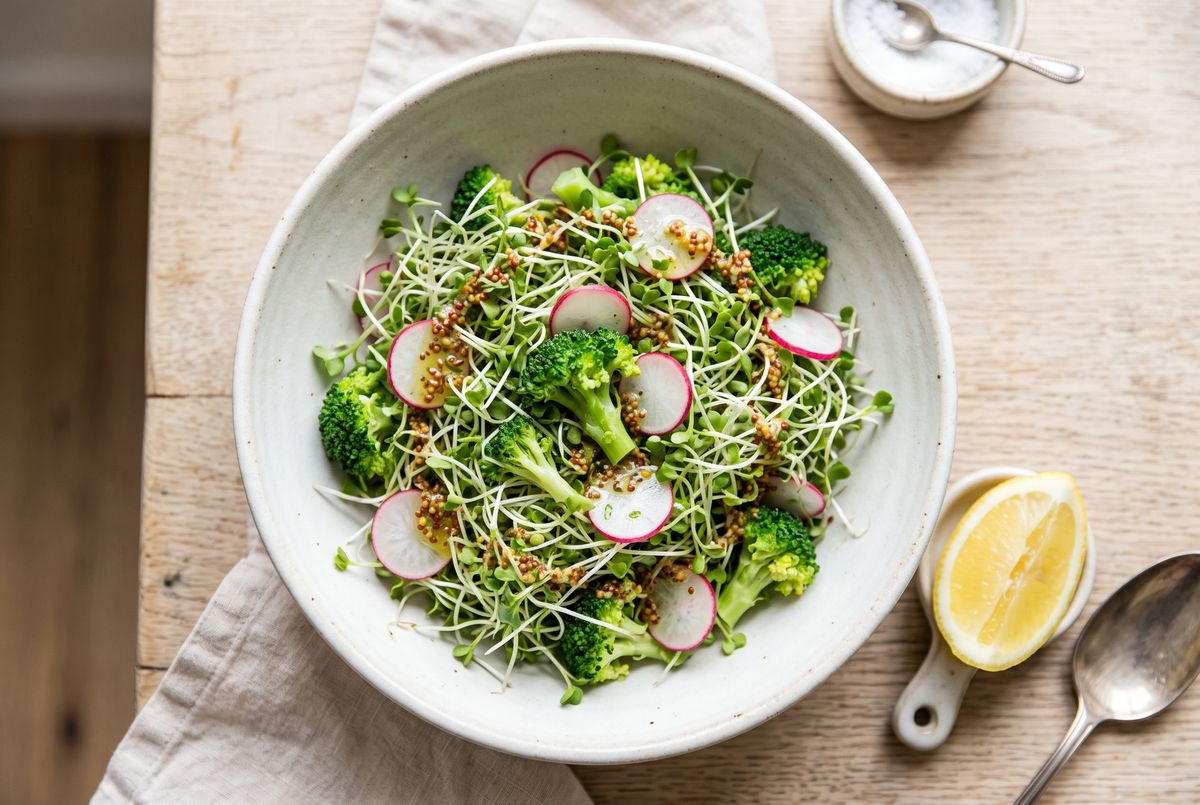
Broccoli sprouts carry many times the sulforaphane precursor of mature broccoli — and a little mustard restores the enzyme that…
 Polyphenols
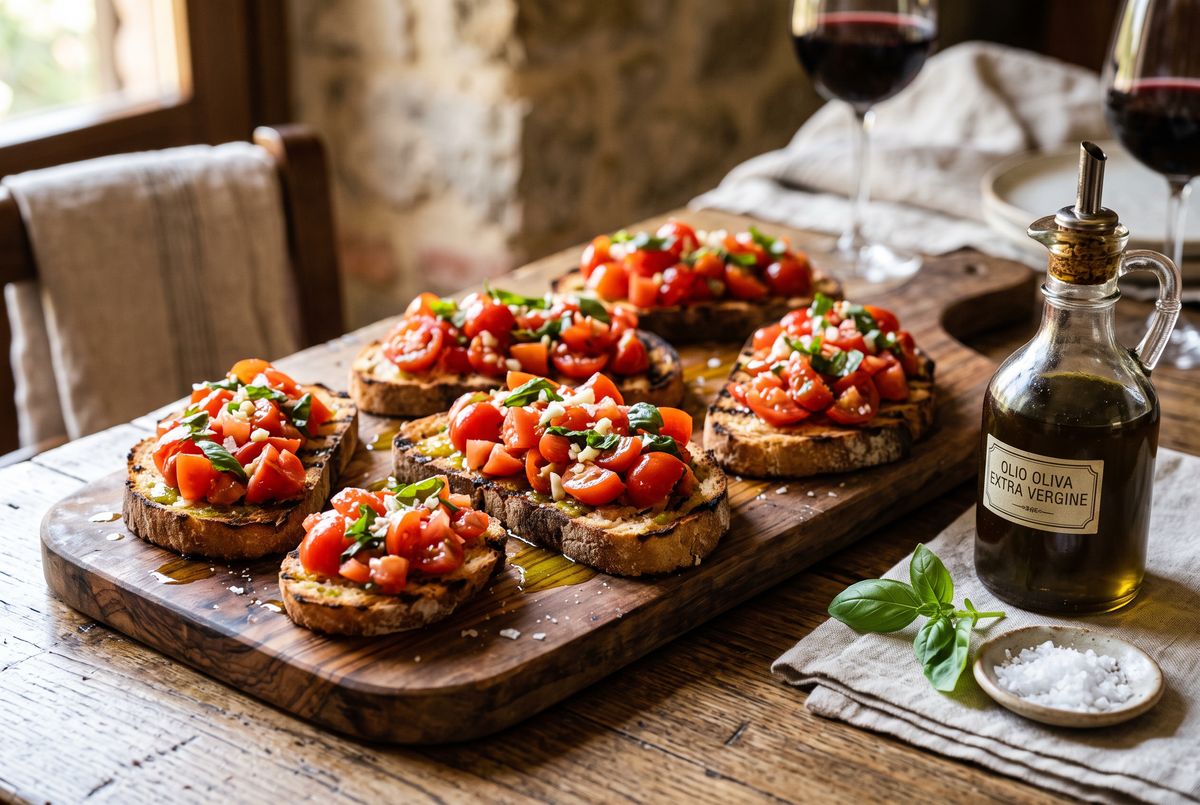
The peppery bite at the back of a good extra-virgin olive oil is the polyphenol content announcing itself — and this is the dish…
 Mushrooms
Mushrooms are effectively the only meaningful dietary source of ergothioneine, an amino acid your body has a dedicated…
Keep reading
Beetroot & dietary nitrateBlood pressureMethylfolateThe supplement guideResearch mapPathway universe