Ergothioneine Mushroom Soup
Mushrooms are effectively the only meaningful dietary source of ergothioneine, an amino acid your body has a dedicated transporter to hold on to.
- Mechanism
- Mushrooms
- Yield
- serves 4
- Ingredients
- 8
- Steps
- 5
- Cited studies
- 3
- Course
- Soup
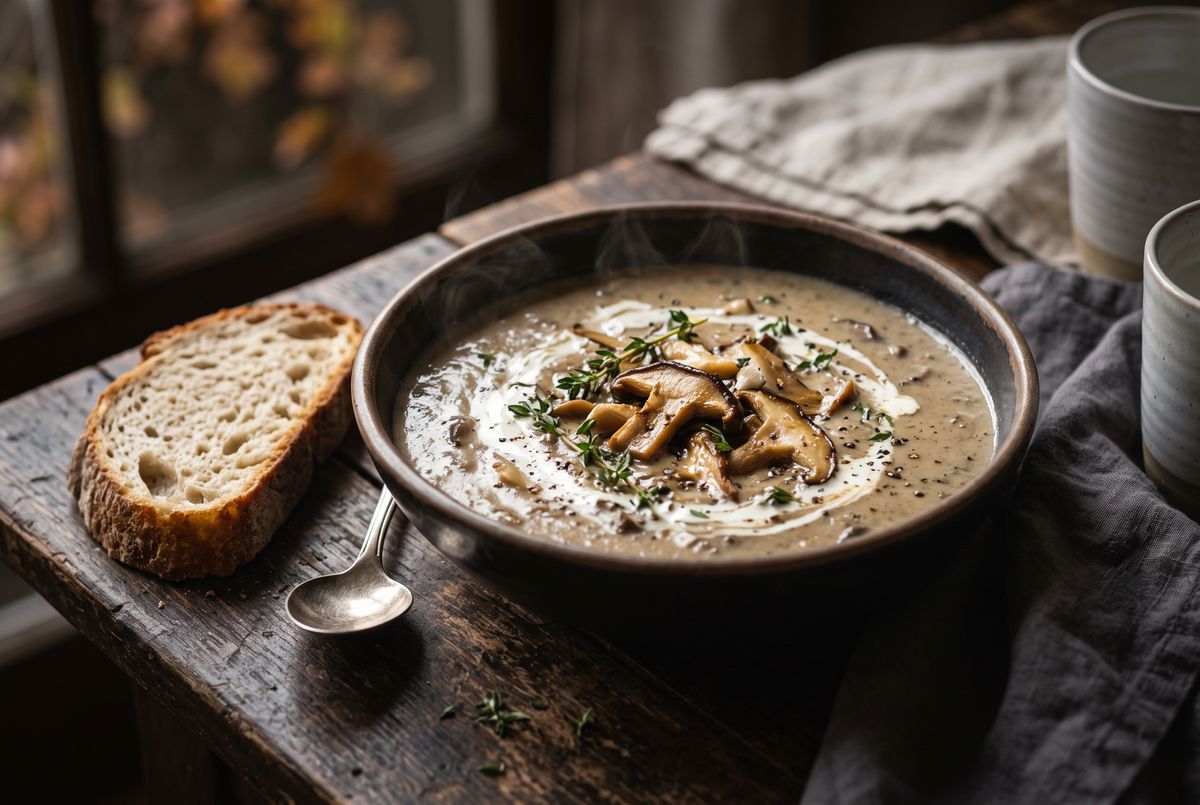
Mushrooms are effectively the only meaningful dietary source of ergothioneine, a compound your body does not make but goes to some trouble to hold on to: humans absorb it through a dedicated transporter, which is usually read as a hint that it matters physiologically. Food-composition work has mapped where it occurs and looked at its antioxidant behavior (Journal of Agricultural and Food Chemistry, 2007).
What that means for health is still an open question. Laboratory research has examined ergothioneine-rich mushroom as a candidate for clearing senescent neurons (Brain Research, 2024), and a 2022 paper in FEBS Letters argued the case for raising ergothioneine across the food supply — but that is early, mechanistic work rather than human trial evidence. Eating more mushrooms is a reasonable bet on a cheap, pleasant food, not a treatment.
Why this works
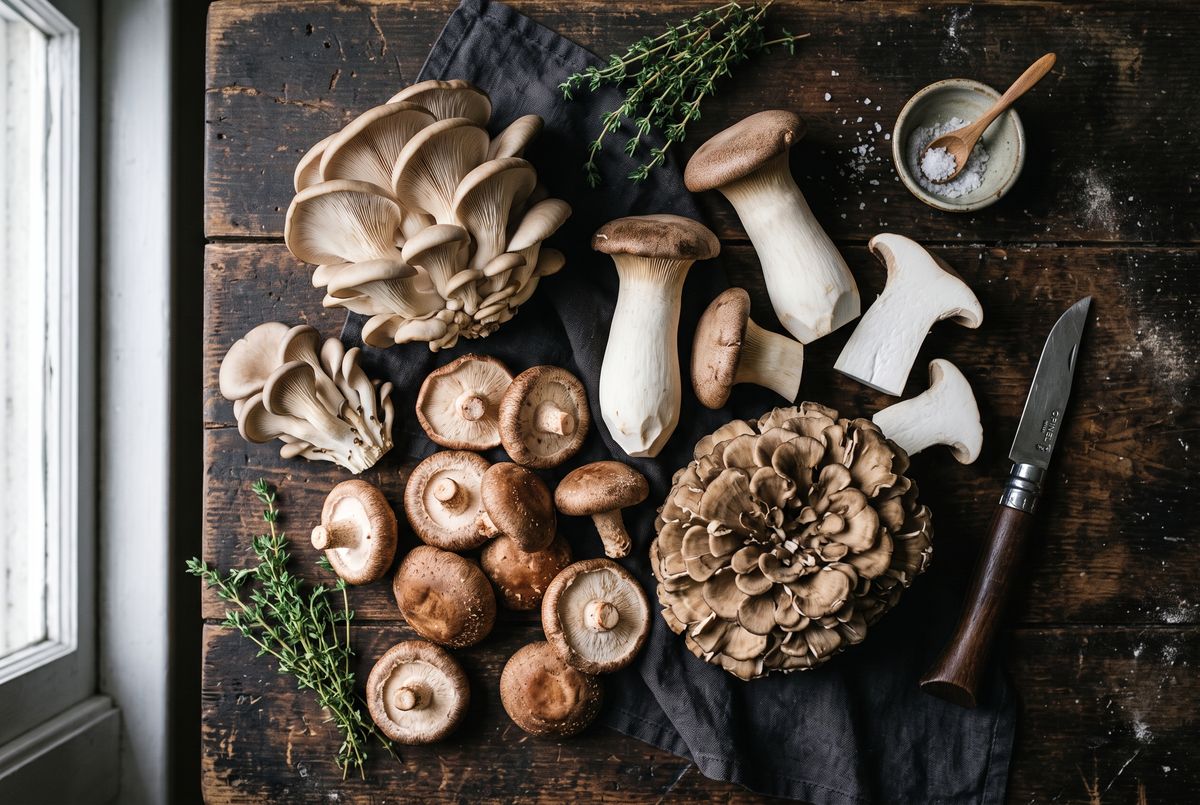
The mushroom mix is the whole point. Oyster and shiitake test far higher in ergothioneine than the white button mushrooms most soups are built on, so using them as the bulk of the pound is what separates this from an ordinary cream of mushroom. Cremini fill in cheaply and brown well. Browning them hard in batches is not just flavor discipline — crowded mushrooms release their water and steam instead, and you lose the depth that lets you get away with low-sodium stock and almost no salt. Thyme, garlic and a final squeeze of lemon do the seasoning work that salt usually does, and blending only two-thirds of the pot leaves something to chew on.
Ingredients · serves 4
- 1 lb mixed shiitake, oyster and cremini mushrooms, sliced
- 1 onion, diced
- 3 cloves garlic
- 2 tbsp olive oil or butter
- 1 tbsp fresh thyme
- 4 cups low-sodium stock
- ¼ cup cream or a splash of oat milk (optional)
- Black pepper, a squeeze of lemon
Method
- Brown the mushrooms in batches over high heat until deeply golden — this is where all the flavor comes from, so do not rush or crowd them.
- Set a handful aside for garnish. Soften the onion and garlic in the same pot.
- Return the mushrooms, add the thyme and stock, and simmer 15 minutes.
- Blend about two-thirds of the soup for body, leaving some texture. Stir in the cream if using, then finish with pepper and a squeeze of lemon.
- Top each bowl with the reserved mushrooms.
Getting the most from it
If ergothioneine is why you are cooking this, spend the money on oyster and shiitake rather than buying three trays of white button — the gap between specialty species and button mushrooms is large. Dried shiitake are cheaper than fresh and work well here; soak them and use the soaking liquid as part of the stock. Wipe mushrooms rather than rinsing them, and get the pan hot before they go in.
Nutrition Facts
Calculated for one serving from USDA FoodData Central values for the ingredients above. An estimate, not a lab analysis.
How this was calculated. Each ingredient was converted to grams, matched to a food in USDA FoodData Central (SR Legacy, April 2018), summed, and divided by 4 servings. Cooking losses, draining and the real size of a handful all move these numbers, so treat them as a good estimate rather than a measurement. Added sugars count honey, maple syrup and table sugar only; sugar from whole fruit is not an added sugar.
- Mushrooms, shiitake, raw
- Mushrooms, oyster, raw
- Mushrooms, brown, italian, or crimini, raw
- Onions, raw
- Garlic, raw
- Oil, olive, salad or cooking
- Thyme, fresh
- Soup, vegetable broth, ready to serve
- Cream, fluid, heavy whipping
16 PubMed citations
In humans, blood ergothioneine levels tend to fall with age, particularly after 60, and multiple observational and…
18 PubMed citations
In human aging and health, PQQ is studied mainly for cognitive function, mitochondrial and energy support, antioxidant…
The research behind this recipe
Primary sources for the claims above. Effects reported in these papers describe the compound or the dietary pattern studied — not this specific dish.
More antioxidant defence & polyphenols recipes
 Nrf2 pathway
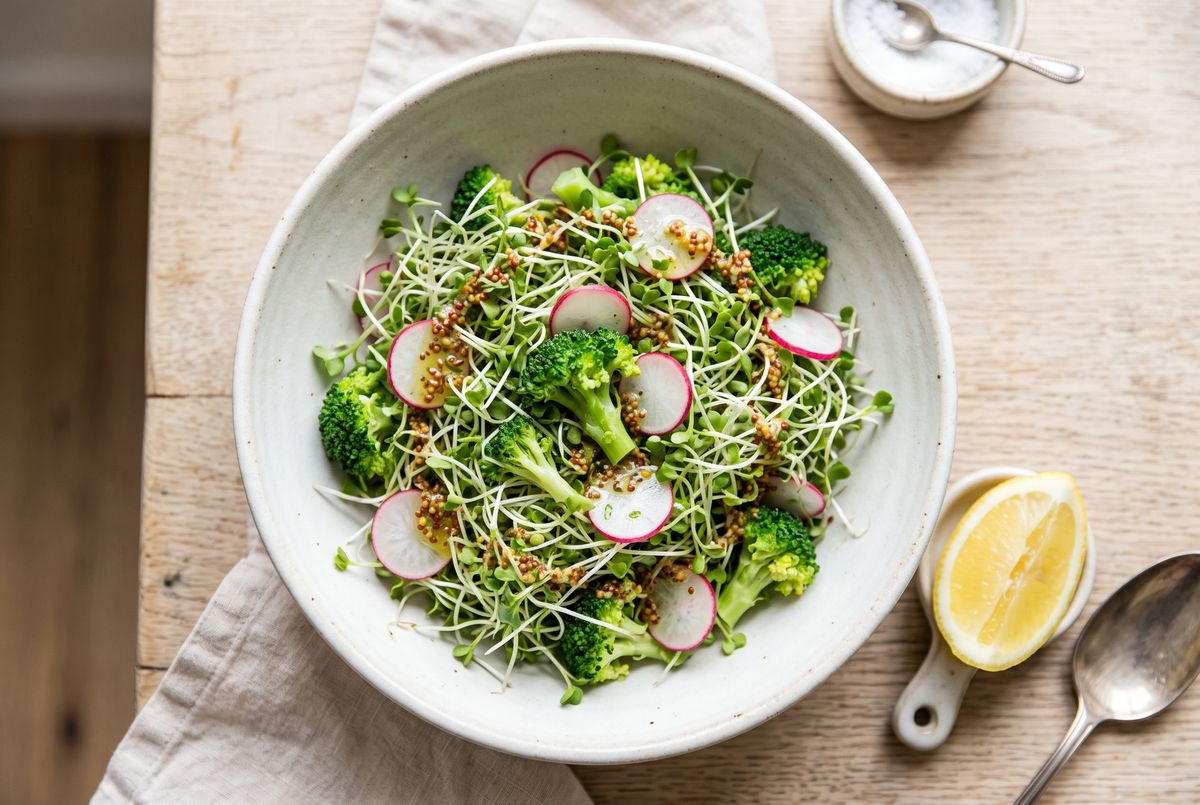
Broccoli sprouts carry many times the sulforaphane precursor of mature broccoli — and a little mustard restores the enzyme that…
 Polyphenols
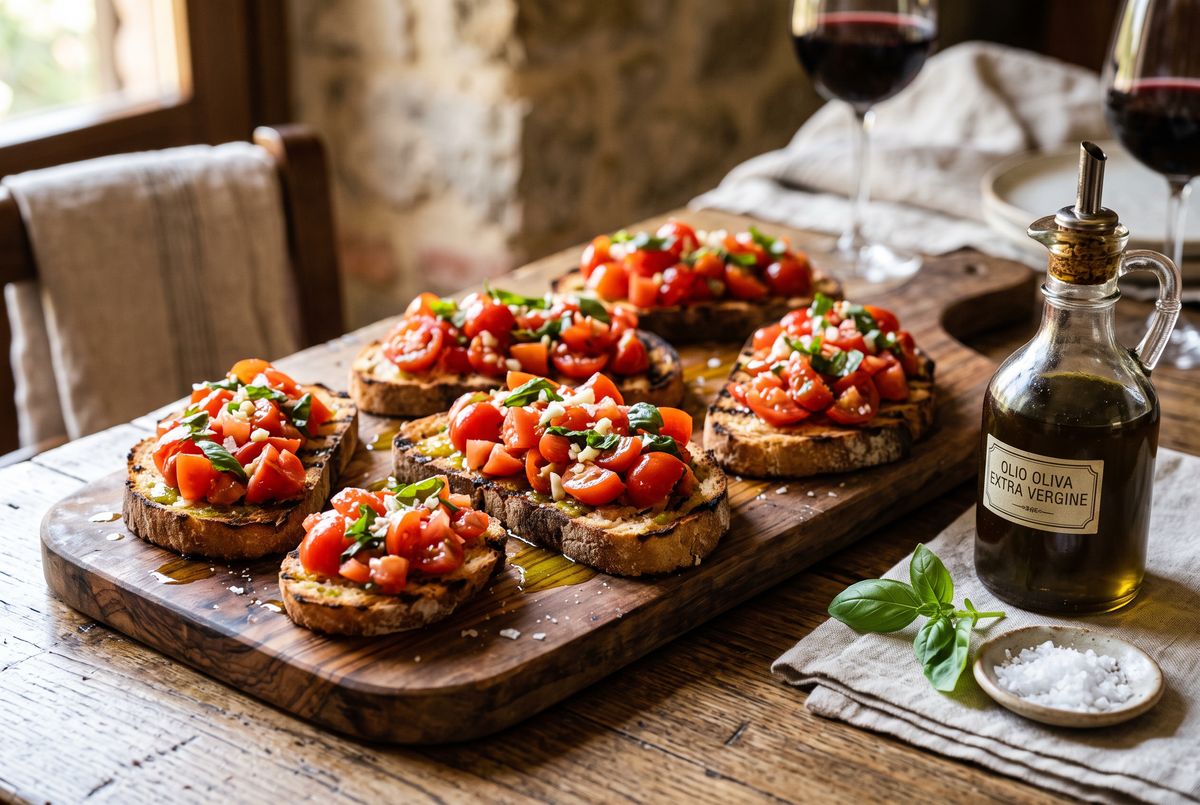
The peppery bite at the back of a good extra-virgin olive oil is the polyphenol content announcing itself — and this is the dish…
 Nrf2 pathway
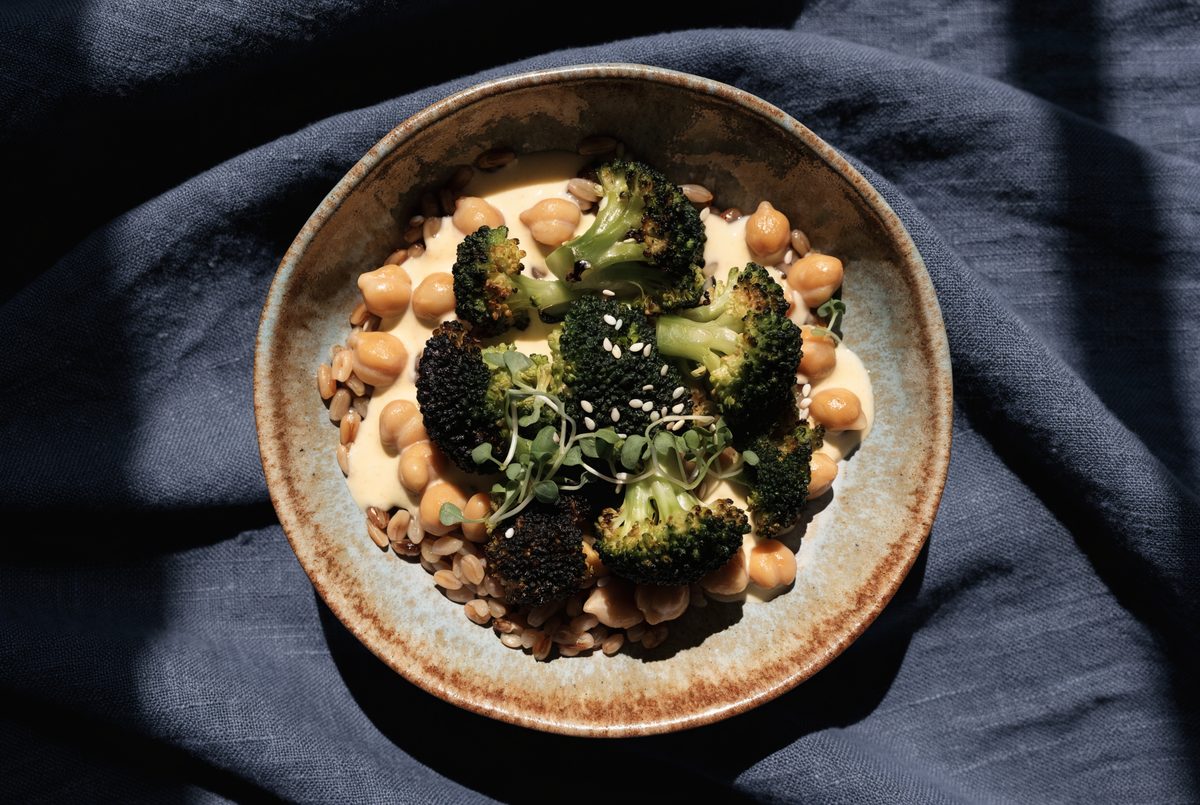
Charred broccoli for flavor, raw broccoli sprouts for working myrosinase: this bowl splits the sulforaphane job in two, layered…