Broccoli Sprout & Mustard Salad
Broccoli sprouts carry many times the sulforaphane precursor of mature broccoli — and a little mustard restores the enzyme that unlocks it.
- Mechanism
- Nrf2 pathway
- Yield
- serves 2
- Ingredients
- 6
- Steps
- 4
- Cited studies
- 5
- Course
- Salad
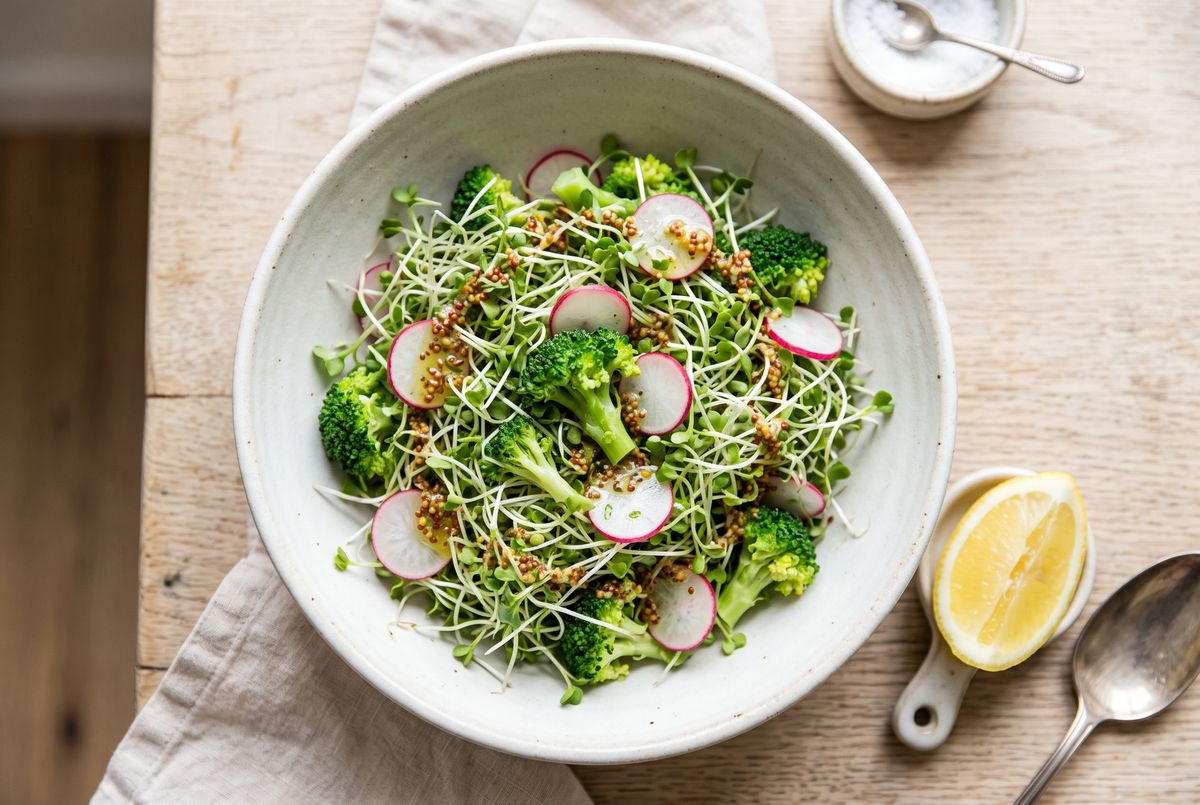
Broccoli sprouts are the concentrated version of a vegetable you already know. Cruciferous vegetables carry a compound called glucoraphanin, and when the plant tissue is damaged an enzyme called myrosinase converts it into sulforaphane, which switches on the Nrf2 antioxidant response inside your cells. Analyses of seed from dozens of cruciferous cultivars (Journal of Agricultural and Food Chemistry, 2004) show how widely the glucoraphanin content varies, and young sprouts carry far more of the precursor than mature heads.
The evidence is still mostly mechanistic. Reviews of the Nrf2 pathway and of broccoli's sulfur compounds map out how it should work; laboratory work in muscle cells, and a study in mice where sulforaphane-enriched sprouts reduced brain inflammation through that same pathway, are animal and cell findings rather than human trials. Cruciferous vegetables also support glutathione status. Eat them regularly, and keep expectations proportionate.
Why this works
The salad is built around the enzyme problem. Raw broccoli sprouts arrive with their own myrosinase intact, so they can make sulforaphane on their own as you chew. The blanched florets add bulk and a different texture, but a minute in hot water costs them much of that enzyme, which is where the mustard in the dressing earns its place. Mustard seed is a myrosinase source in its own right, so a teaspoon of Dijon or a pinch of mustard powder gives the cooked broccoli a route to sulforaphane it would otherwise lack. The radishes are cruciferous too, and the sunflower seeds and olive oil carry the fat that makes the whole plate satisfying.
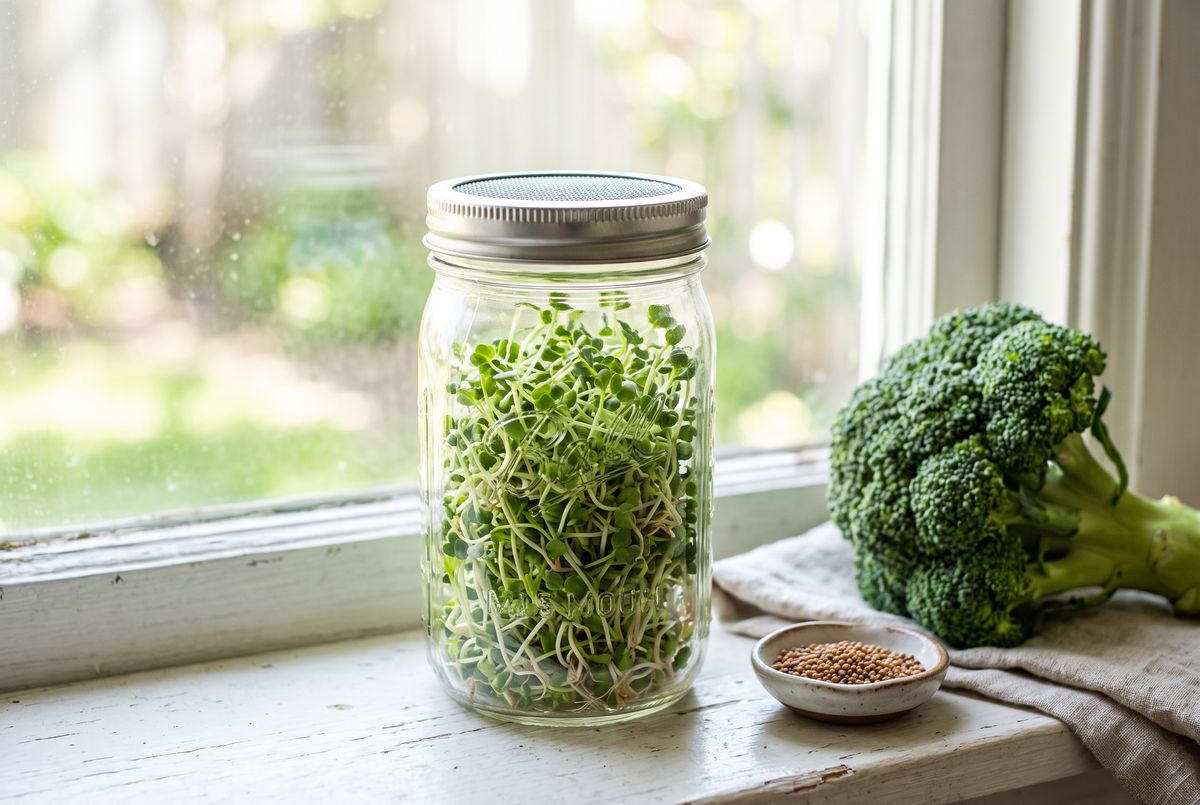
Ingredients · serves 2
- 2 cups fresh broccoli sprouts
- 1 small head broccoli, cut into small florets, briefly blanched
- 4 radishes, thinly sliced
- Dressing: 1 tsp Dijon or ¼ tsp mustard powder, juice of ½ lemon, 2 tbsp olive oil
- 1 tbsp sunflower seeds
- Black pepper
Method
- Blanch the broccoli florets 60 seconds and drop into ice water — bright green, still crunchy.
- Whisk the mustard, lemon and olive oil into a dressing.
- Toss the sprouts, cooled broccoli and radishes with the dressing right before eating.
- Finish with sunflower seeds and pepper.
Getting the most from it
Buy sprouts that smell clean and green, keep them refrigerated, and use them within a few days. Blanch the florets briefly rather than boiling them, and dress the salad at the table so the sprouts stay crisp. The wider habit matters more than this recipe: if you mostly eat your broccoli cooked, finish the dish with mustard, wasabi or a handful of raw sprouts, because boiling on its own destroys the enzyme that makes sulforaphane.
Nutrition Facts
Calculated for one serving from USDA FoodData Central values for the ingredients above. An estimate, not a lab analysis.
How this was calculated. Each ingredient was converted to grams, matched to a food in USDA FoodData Central (SR Legacy, April 2018), summed, and divided by 2 servings. Cooking losses, draining and the real size of a handful all move these numbers, so treat them as a good estimate rather than a measurement. Added sugars count honey, maple syrup and table sugar only; sugar from whole fruit is not an added sugar.
- Broccoli, raw
- Broccoli, cooked, boiled, drained, without salt
- Radishes, raw
- Mustard, prepared, yellow
- Lemon juice, raw
- Oil, olive, salad or cooking
- Seeds, sunflower seed kernels, dried
19 PubMed citations
Human trials indicate that concentrated broccoli-sprout sulforaphane can modestly lower fasting blood glucose and…
17 PubMed citations
Randomized trials show that oral glutathione supplementation can genuinely raise body stores — a well-run 6-month…
16 PubMed citations
In small clinical trials, mostly pilot and open-label studies plus one randomized placebo-controlled trial of 24 older…
The research behind this recipe
Primary sources for the claims above. Effects reported in these papers describe the compound or the dietary pattern studied — not this specific dish.
More antioxidant defence & polyphenols recipes
 Polyphenols
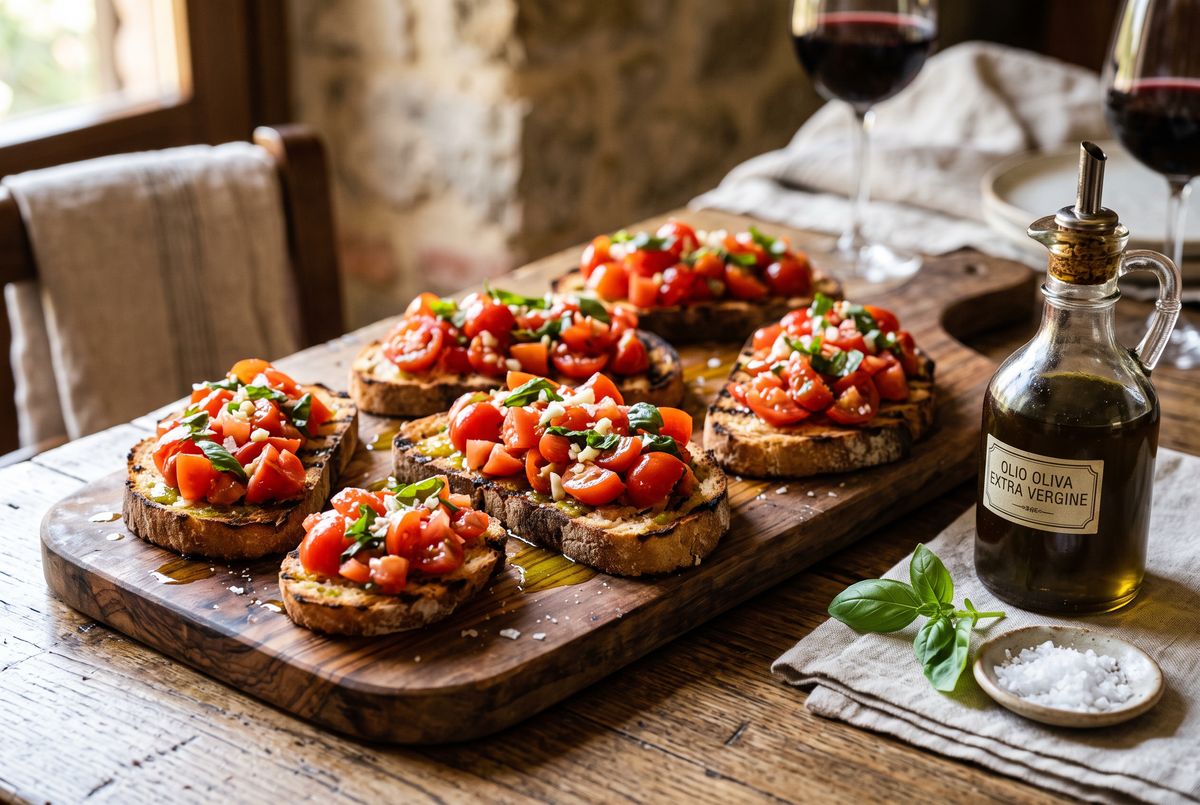
The peppery bite at the back of a good extra-virgin olive oil is the polyphenol content announcing itself — and this is the dish…
 Mushrooms
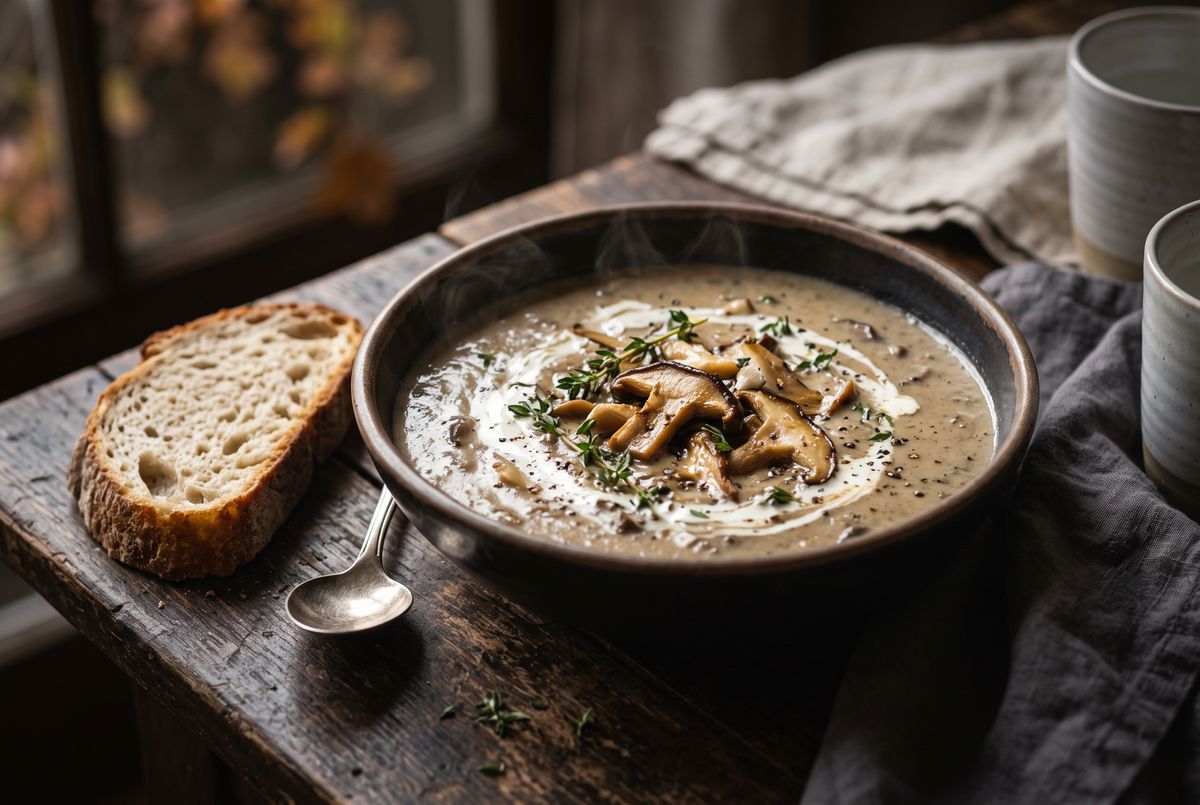
Mushrooms are effectively the only meaningful dietary source of ergothioneine, an amino acid your body has a dedicated…
 Nrf2 pathway
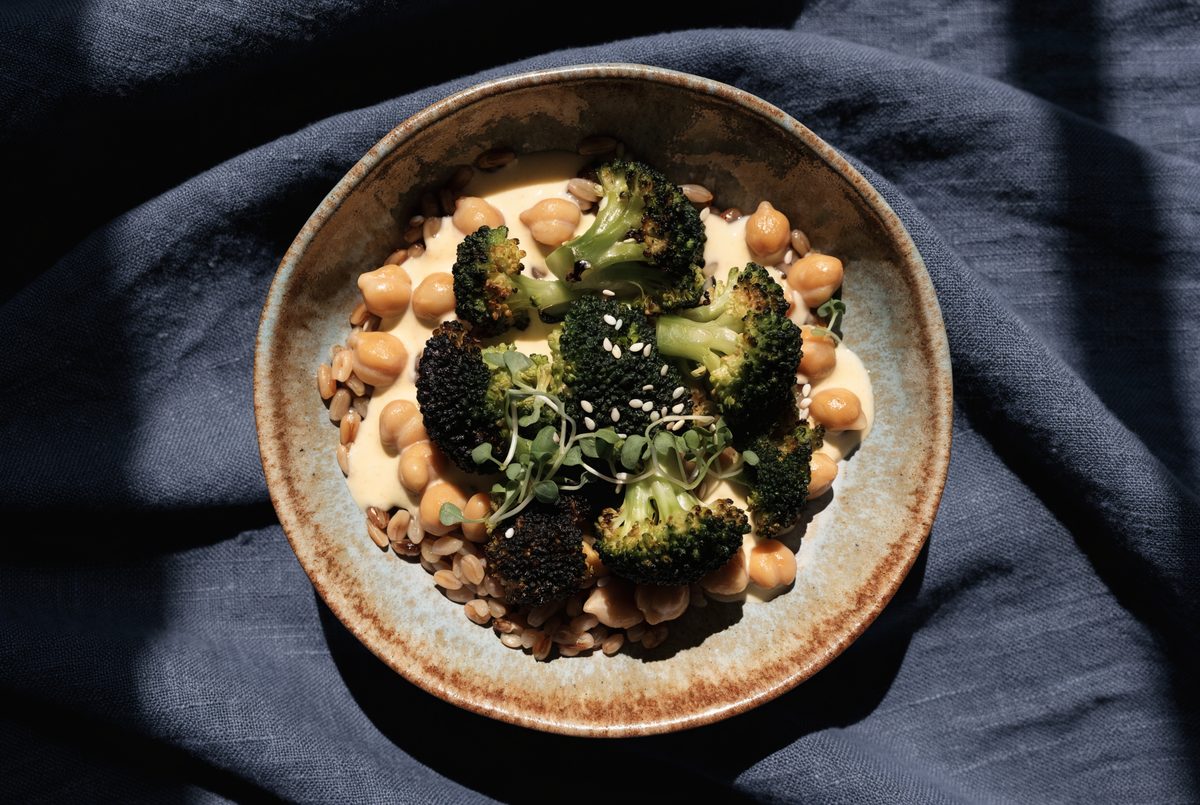
Charred broccoli for flavor, raw broccoli sprouts for working myrosinase: this bowl splits the sulforaphane job in two, layered…
Keep reading
Nrf2SulforaphaneGlutathioneGlycineSulforaphane: the evidenceGlyNAC and GlutathioneThe supplement guideResearch mapPathway universe