Swiss Chard & Almond Brown Rice Pilaf
Swiss chard is that rare leafy green rich in both magnesium and dietary nitrate; almonds and brown rice deepen the mineral math. A pilaf that reads like a blood-pressure meta-analysis, minus the certainty.
- Mechanism
- Magnesium
- Cited studies
- 4
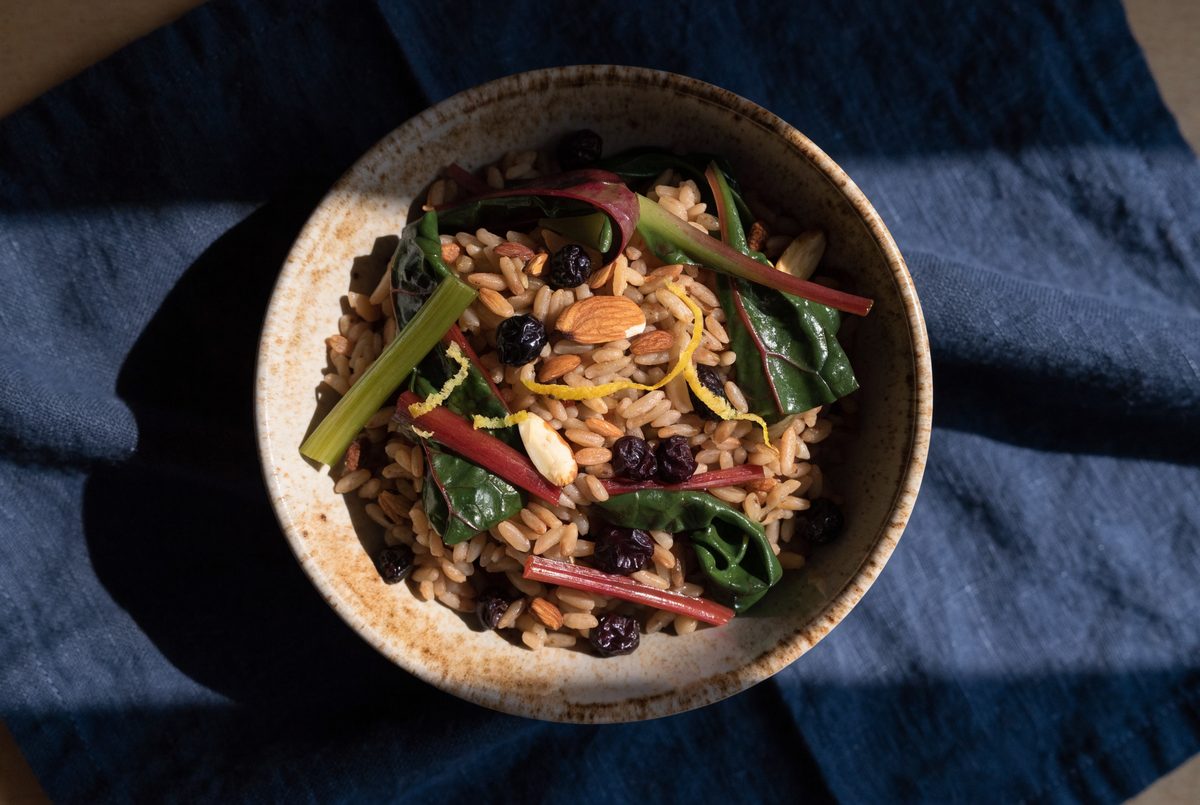
Swiss chard is that rare leafy green that shows up on two evidence maps at once: it is among the most magnesium-dense greens at the market, and it carries meaningful dietary nitrate. On the magnesium side, a meta-analysis of randomized double-blind trials (Hypertension, 2016) found that supplementation lowered blood pressure by about 2 mmHg systolic — a modest effect, most plausibly a correction of insufficiency rather than a drug-like response. On the nitrate side, a systematic review and meta-analysis (The Journal of Nutrition, 2013) reported systolic reductions of around 4 mmHg, though most included trials used concentrated beetroot juice; a potful of chard works the same nitric-oxide pathway at a politer dose.
The pilaf's other two pillars have cohort evidence of their own. A dose-response meta-analysis of nut consumption (BMC Medicine, 2016) associated a 28 g daily serving with substantially lower risks of coronary disease and cardiovascular mortality — and almonds are among the most magnesium-rich nuts. Whole grains such as brown rice sit on one of nutrition's steadier gradients: about 90 g a day went with lower cardiovascular, cancer, and all-cause mortality in a meta-analysis of prospective studies (BMJ, 2016). All of it observational, all of it consistent, none of it proof — which is about as good as food evidence gets.
Why this works
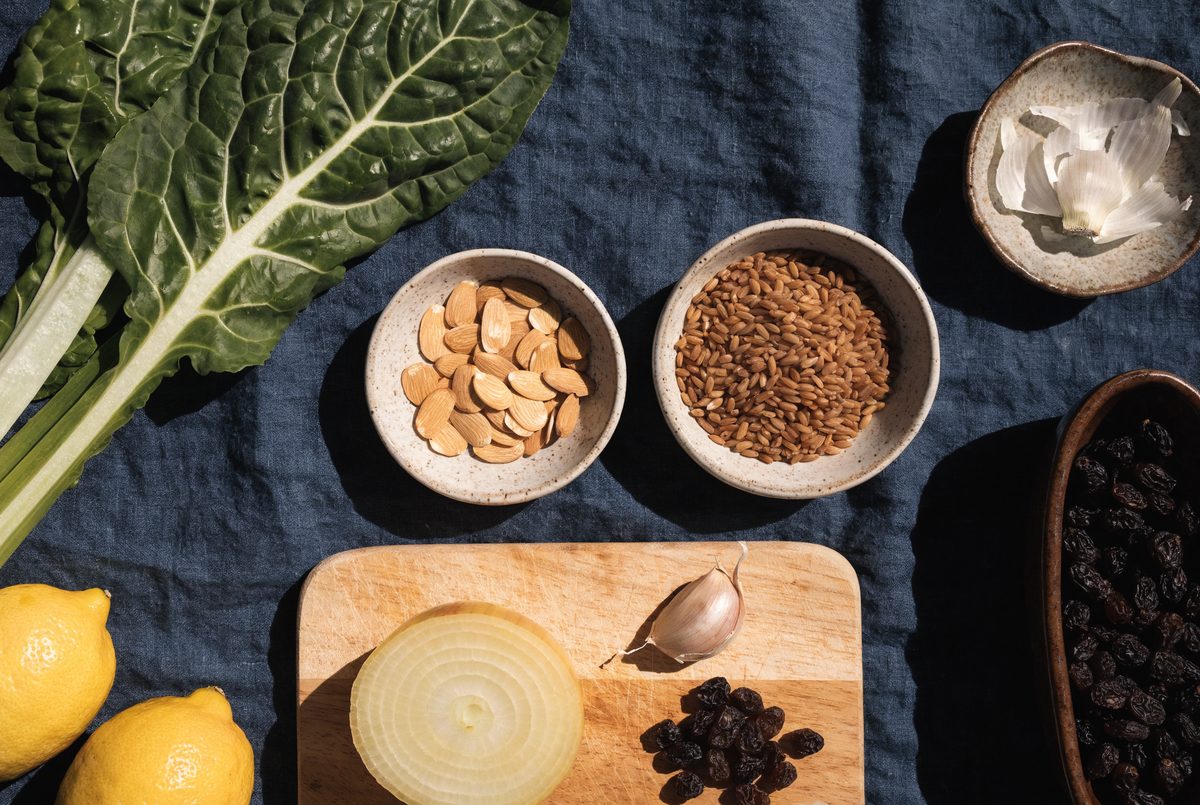
Swiss chard supplies magnesium, nitrate, and betaine in the same leaf; the stems go into the pot early, like celery, so nothing is wasted. Sliced almonds, toasted, add magnesium, vitamin E, and the nut signal from the cohort data. Brown rice keeps its bran, which is where a grain's magnesium actually lives. Yellow onion and garlic build the allium base, currants add pops of sweetness against the mineral greens, and lemon zest and juice brighten the whole pot.
How to make it
- Toast ½ cup sliced almonds in a dry Dutch oven until golden and fragrant; set aside.
- Soften 1 diced yellow onion and the sliced chard stems in 3 tablespoons olive oil with a pinch of salt, 6–8 minutes; add 3 crushed garlic cloves (rested 10 minutes) for the last minute.
- Stir in 1½ cups long-grain brown rice to coat; add 2¾ cups water or broth and 1 teaspoon salt, cover, and simmer on low for 40–45 minutes.
- Scatter ⅓ cup currants and the sliced chard leaves over the rice, re-cover, and let residual steam wilt them for 10 minutes off the heat.
- Fold everything together with the almonds, the zest and juice of 1 lemon, and plenty of black pepper.
Serves 4 as a main or 6 as a side; good warm or at room temperature.
19 PubMed citations
In small randomized trials, magnesium-L-threonate improved composite cognition versus placebo in older adults with…
19 PubMed citations
Pooled analyses of randomized trials indicate oral magnesium lowers blood pressure by a small amount—about 2 mmHg in a…
24 PubMed citations
Meta-analyses of randomized trials show that beetroot juice and dietary nitrate lower blood pressure—about 5 mmHg…
The research behind this recipe
Primary sources for the claims above. Effects reported in these papers describe the compound or the dietary pattern studied — not this specific dish.
More muscle, connective tissue & minerals recipes
 Muscle & strength
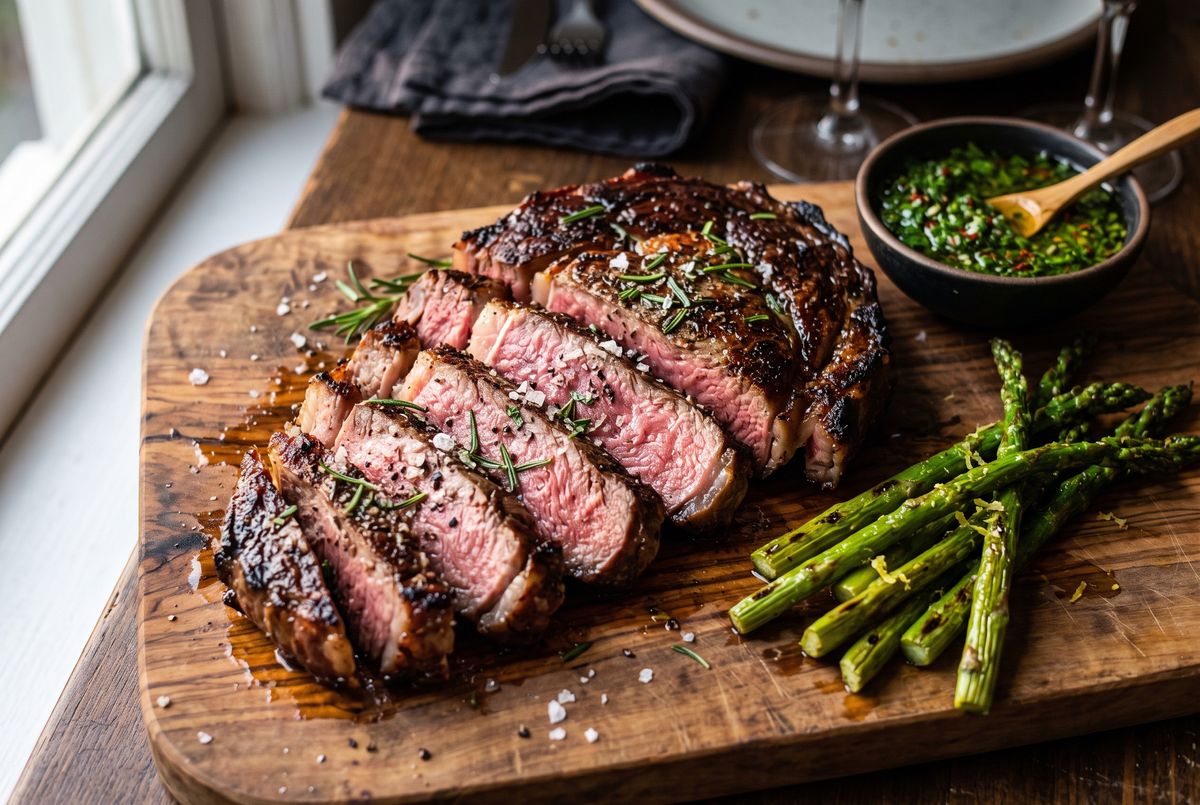
Red meat and fish are the only meaningful dietary sources of creatine — roughly a gram per pound of raw meat, and cooking costs…
 Collagen & glycine
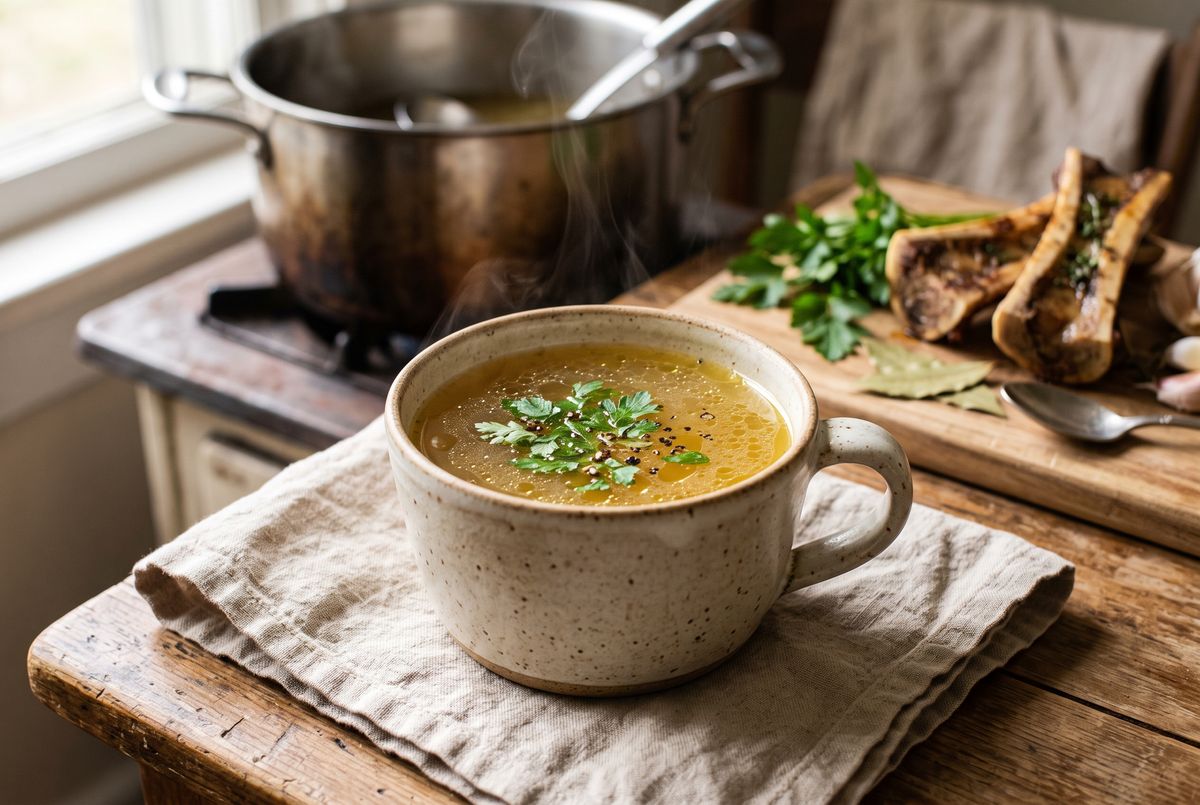
Gelatin is roughly a third glycine — the amino acid we eat least of relative to how much our connective tissue needs.
 Taurine
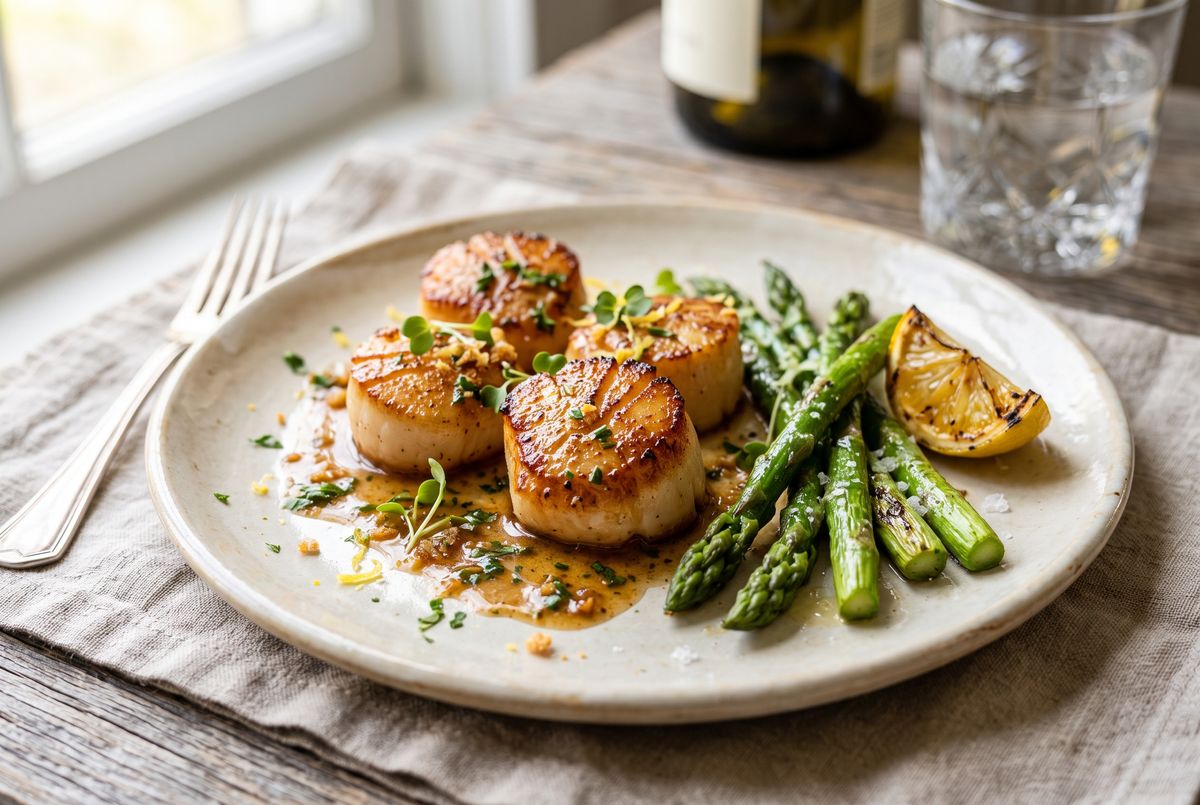
Shellfish are the densest food source of taurine — the amino acid whose age-related decline drew serious attention in 2023.
Keep reading
Beetroot & dietary nitrateBlood pressureMagnesiumThe supplement guideResearch mapPathway universe