Sardine Toast with Lemon & Parsley
The cheapest serious longevity food in the store: one tin brings EPA and DHA, vitamin D and CoQ10 together.
- Mechanism
- Omega-3
- Yield
- serves 2
- Ingredients
- 7
- Steps
- 4
- Cited studies
- 4
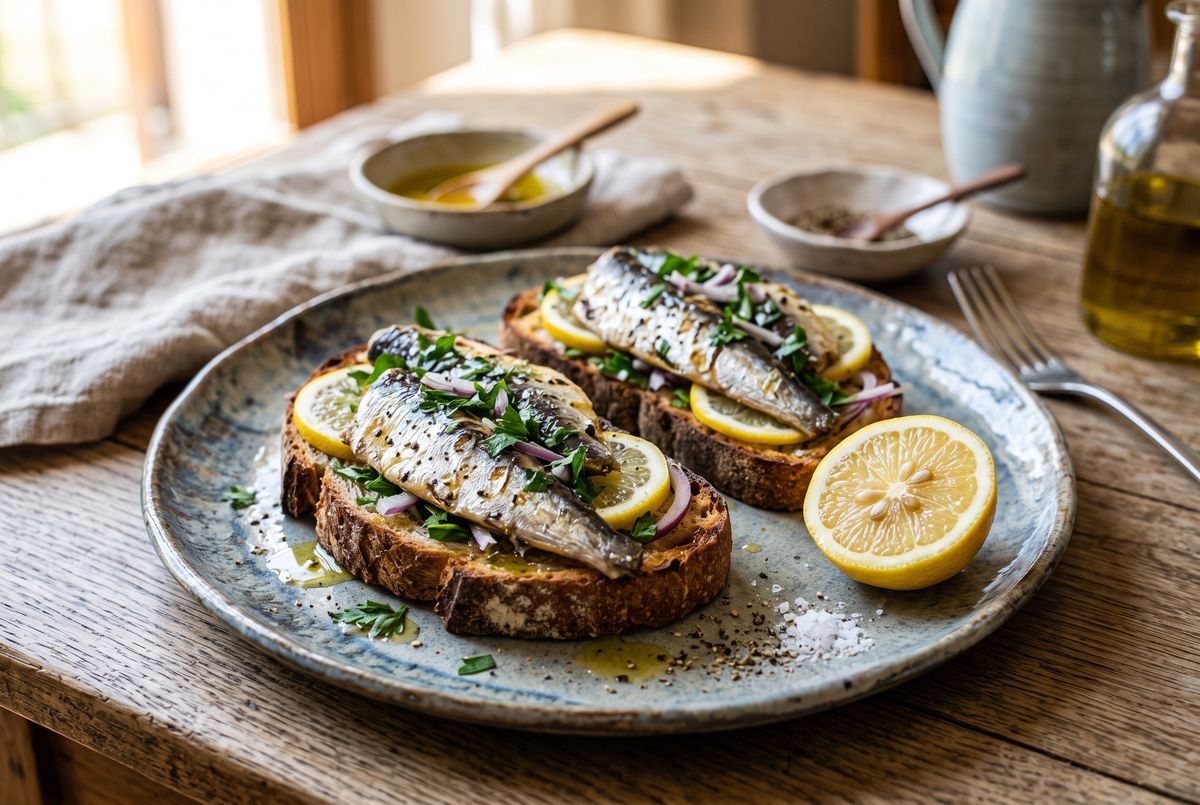
A tin of sardines is the least glamorous and most efficient longevity purchase in the store. Oily fish is the main dietary source of the long-chain omega-3s EPA and DHA, whose role in human health has been reviewed at length (Pharmacological Research, 1999), and eating fish regularly is the practical route to them — research on fish intake and omega-3 status makes that plain.
Sardines are among the better food sources of CoQ10, and laboratory analysis of CoQ10 in foods supports that. Oily fish is also one of the few real dietary sources of vitamin D, which matters most in winter, when skin synthesis falls off — research on what determines vitamin D status in healthy adults speaks to the same gap. Because sardines are small and short-lived, they carry less accumulated mercury than large predatory fish. This is good food, not a substitute for medical care.
Why this works
The tin is the point, and everything else is there to make it easy to eat. Sardines packed in olive oil arrive already dressed in the fat that suits them, and the oil in the tin is worth spooning onto the toast rather than pouring away. Thick sourdough, toasted hard, gives the fish something to sit on that will not collapse under it. The acid does the rest of the work: lemon juice and zest, capers and raw red onion cut the oiliness that puts people off tinned fish, and parsley keeps it tasting fresh. That combination is why this becomes a habit instead of a resolution.
Ingredients · serves 2
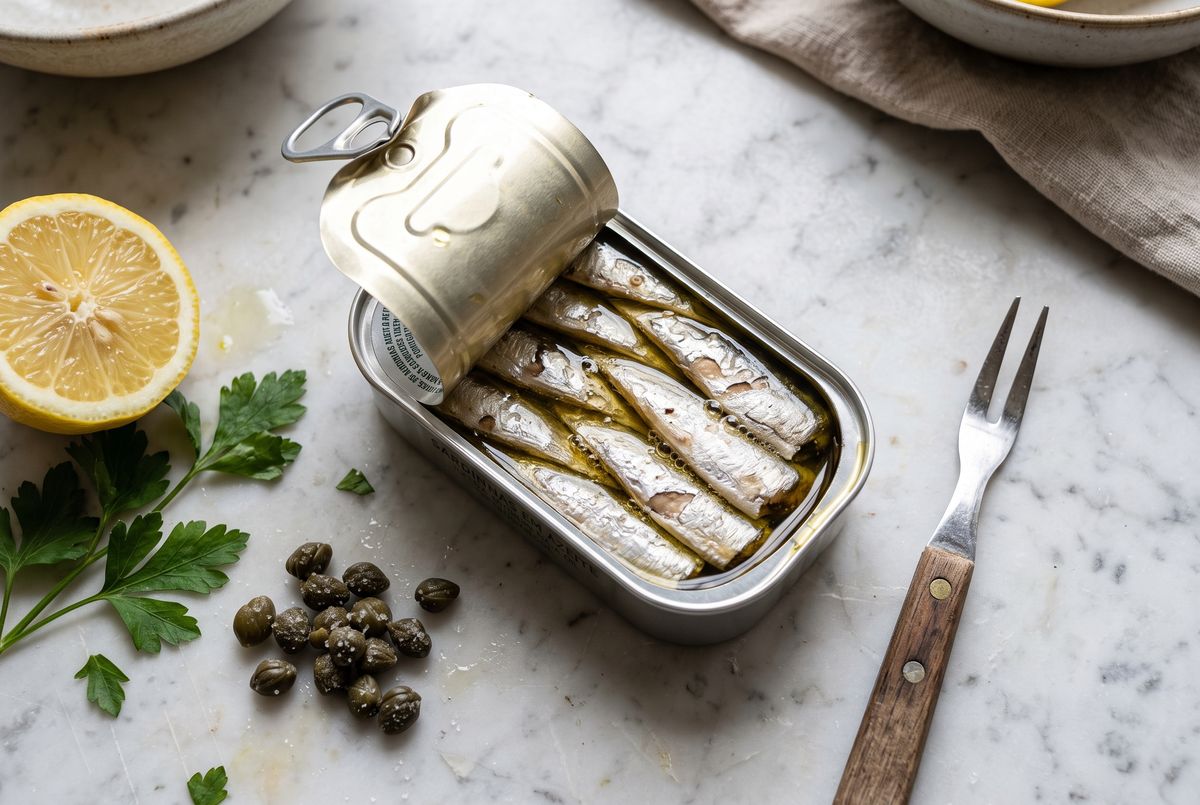
- 2 tins sardines in olive oil, drained
- 2 thick slices sourdough, toasted
- ½ lemon, plus zest
- A handful of flat-leaf parsley
- ¼ red onion, thinly sliced
- 1 tsp capers
- Extra-virgin olive oil, black pepper, chili flakes
Method
- Toast the bread until properly crisp — it has to hold up to the fish.
- Rub the warm toast with a cut clove of garlic if you like, then drizzle with olive oil.
- Lay the sardines over the top and press lightly with a fork so they grip the bread.
- Scatter with onion, capers, parsley and lemon zest, then squeeze lemon over and finish with pepper and chili.
Getting the most from it
Read the tin before you buy it: sardines packed in olive oil are worth the extra coin over soybean or vegetable oil, and the sodium varies enough between brands that it is worth checking if blood pressure is on your mind. Buy several tins at once, since they keep for a long time and cost little. Toast the bread until it is genuinely crisp, and eat it straight away, while the toast is still hot and the fish still cool.
Nutrition Facts
Calculated for one serving from USDA FoodData Central values for the ingredients above. An estimate, not a lab analysis.
How this was calculated. Each ingredient was converted to grams, matched to a food in USDA FoodData Central (SR Legacy, April 2018), summed, and divided by 2 servings. Cooking losses, draining and the real size of a handful all move these numbers, so treat them as a good estimate rather than a measurement. Added sugars count honey, maple syrup and table sugar only; sugar from whole fruit is not an added sugar.
- Fish, sardine, Atlantic, canned in oil, drained solids with bone
- Bread, french or vienna (includes sourdough)
- Lemon juice, raw
- Lemon peel, raw
- Parsley, fresh
- Onions, raw
- Capers, canned
22 PubMed citations
Across large randomized trials and meta-analyses, marine omega-3s reliably reduce serum triglycerides (roughly 15% at…
27 PubMed citations
In human trials CoQ10 has been studied mainly as an adjunct in cardiovascular disease: the Q-SYMBIO randomized trial…
17 PubMed citations
Large randomized trials and meta-analyses give a mixed picture. In generally healthy, vitamin-D-replete adults the two…
The research behind this recipe
Primary sources for the claims above. Effects reported in these papers describe the compound or the dietary pattern studied — not this specific dish.
More gut bacteria & essential fats recipes
 Gut & microbiome
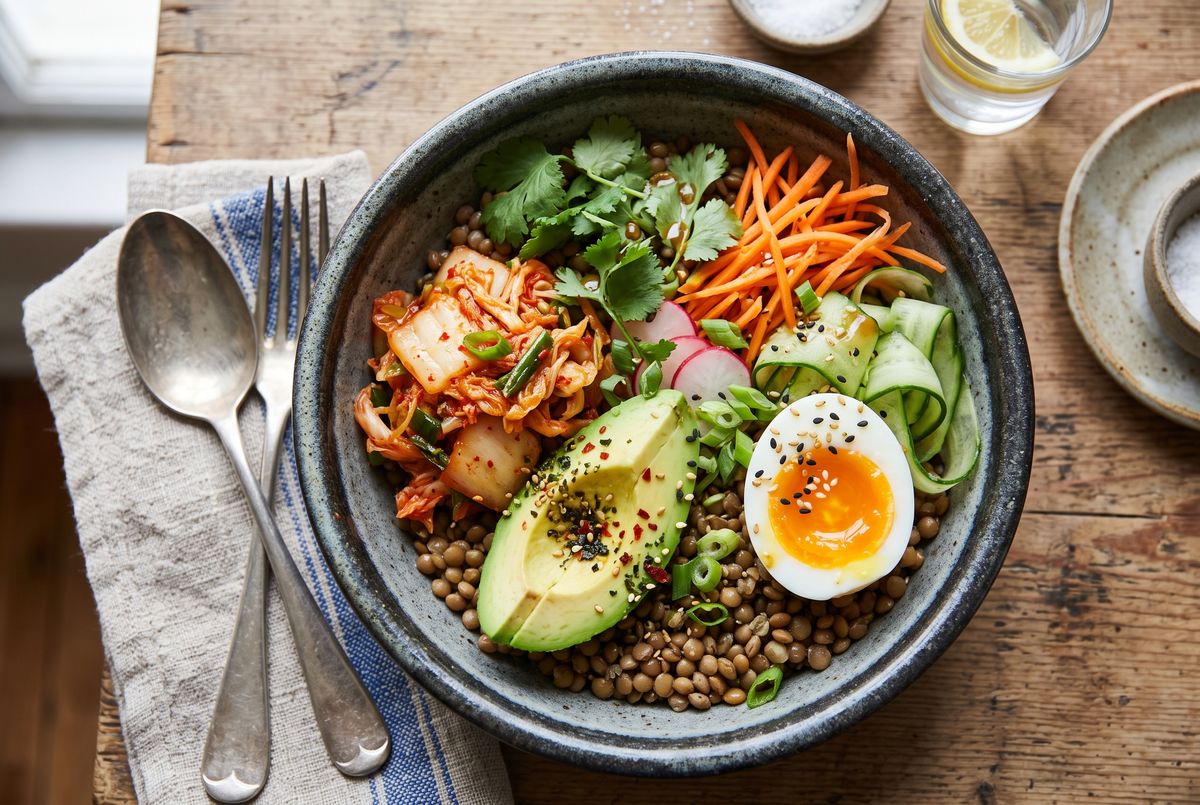
Fermented food for the bacteria you swallow, and fiber for the bacteria you already have — the two halves of gut health in one…
 Omega-3
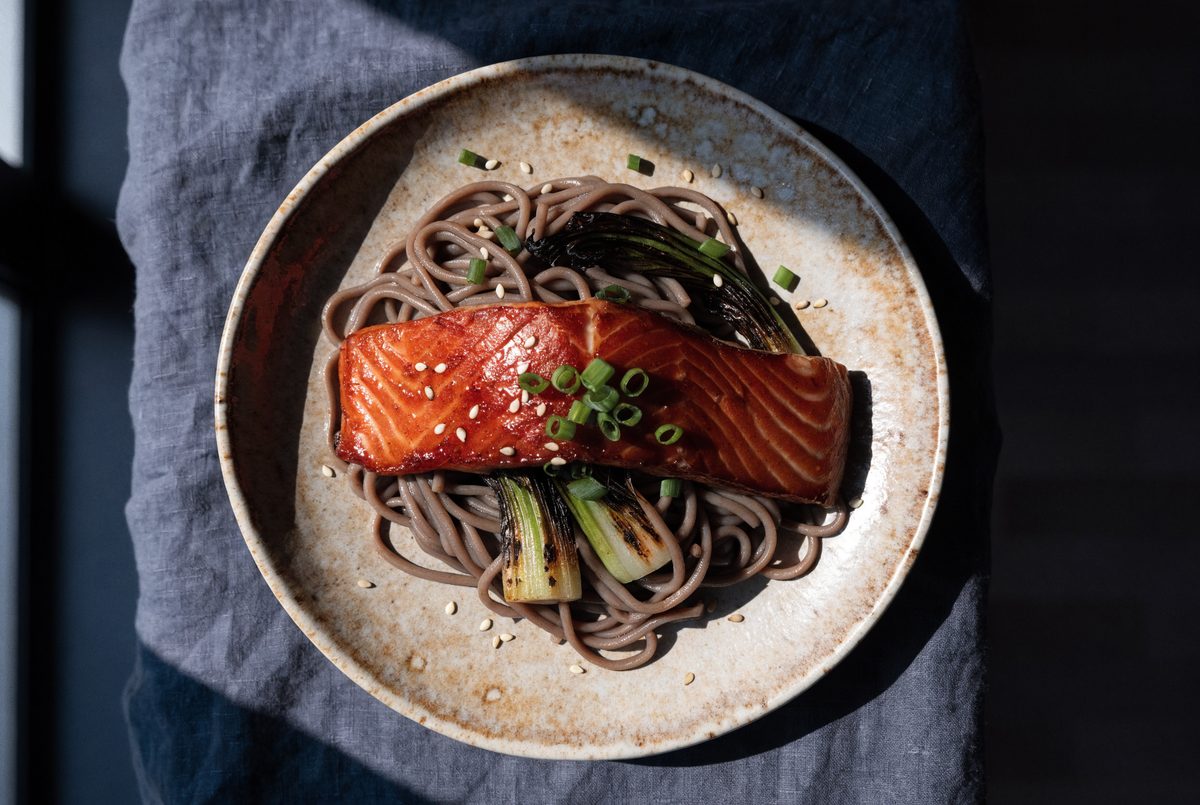
Wild salmon delivers EPA and DHA with astaxanthin in its color, miso brings fermented depth, and bok choy adds dietary nitrate…
 Omega-3
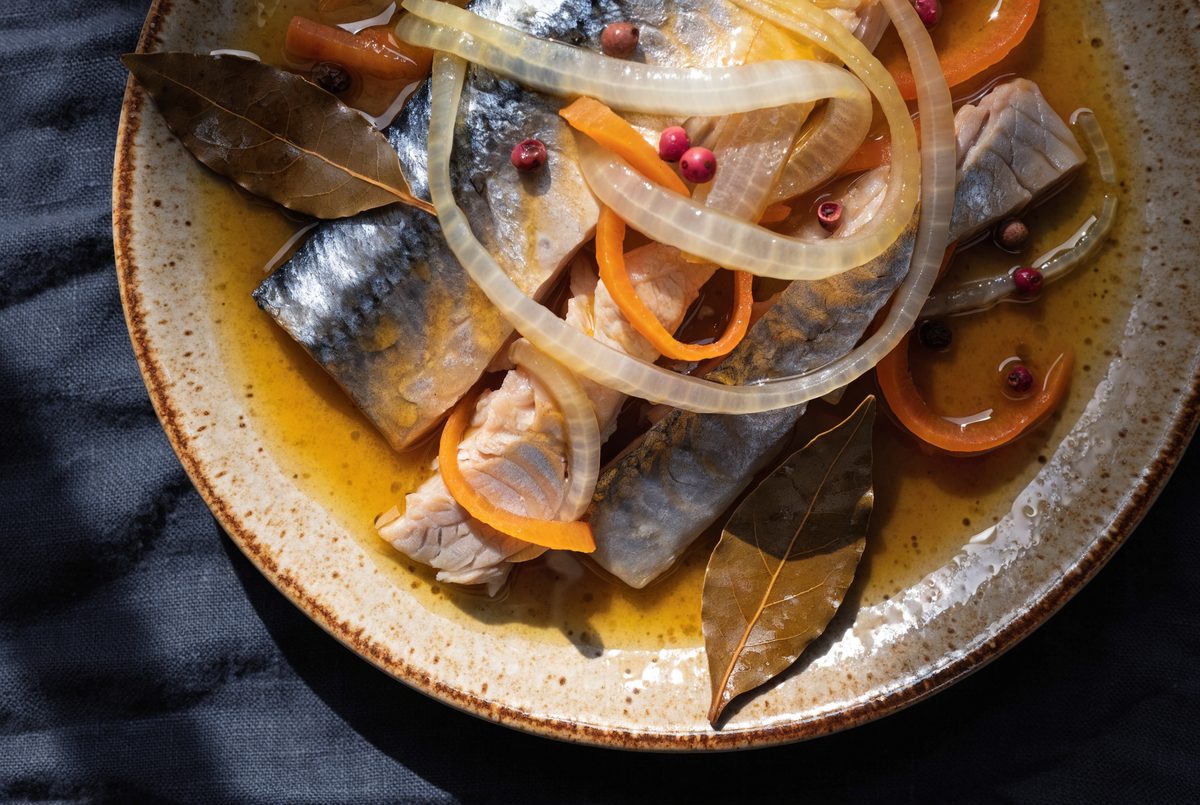
Mackerel is one of the richest and cheapest EPA+DHA fish there is; a sherry-vinegar escabeche with red onions, carrots, and…
Keep reading
Blood pressureOmega-3Vitamin DCoQ10Omega-3: the evidenceOmega-3 and AgingThe supplement guideResearch mapPathway universe