Sencha Ochazuke with Flaked Salmon
Japan's comfort dish of tea poured over rice, rebuilt around the evidence: sencha's EGCG over omega-3-rich wild salmon, with the astaxanthin that makes the fish pink along for the ride.
- Mechanism
- Polyphenols
- Cited studies
- 4
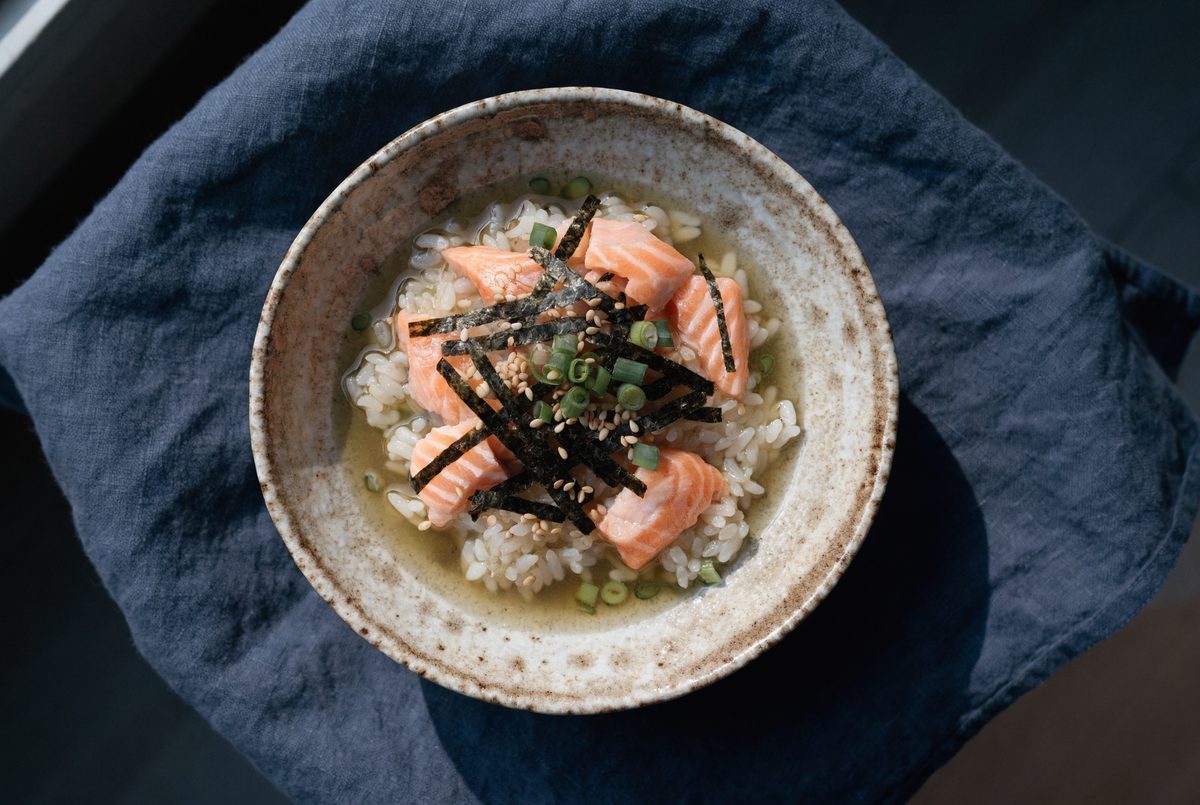
Ochazuke — hot tea poured over rice — is what green tea looks like as a meal rather than a beverage, and the tea itself carries the best-studied part of this dish. In the Ohsaki cohort of over 40,000 Japanese adults, drinking five or more cups of green tea daily went with lower cardiovascular and all-cause mortality (JAMA, 2006), and in a cross-sectional study of elderly Japanese, two or more cups a day was associated with roughly half the prevalence of cognitive impairment (American Journal of Clinical Nutrition, 2006). Both are observational; neither proves causation, but the pattern is consistent across Japanese cohorts.
The salmon deserves an honest accounting. The VITAL trial randomized more than 25,000 adults to 1 g of marine omega-3s daily and found no significant reduction in its primary composite of major cardiovascular events, with a signal for fewer heart attacks in secondary analyses (New England Journal of Medicine, 2019) — a reminder that fish-as-food evidence is stronger than capsule evidence. Wild salmon also gets its color from astaxanthin, where a small trial reported reduced oxidative-stress markers and enhanced immune response (Nutrition & Metabolism, 2010), though it enrolled only a few dozen young women.
Why this works
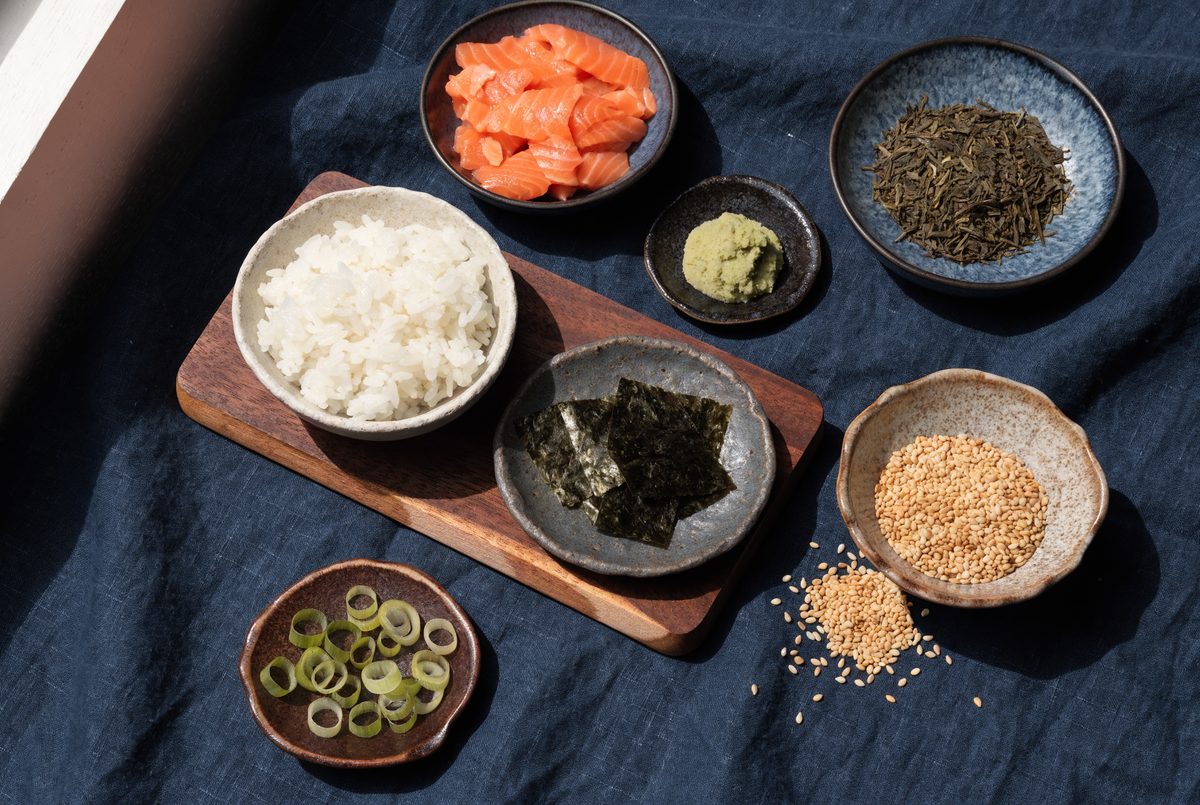
Sencha steeped cool (not boiled) keeps its EGCG intact and its bitterness in check — the tea is the broth here, so you consume the catechins rather than sipping some and abandoning the cup. Wild salmon supplies EPA, DHA, and astaxanthin in one ingredient. Short-grain rice is the comfort scaffold; nori adds iodine and umami; toasted sesame seeds bring lignans and crunch; wasabi and scallions keep a gentle dish awake.
How to make it
- Season a 200 g wild salmon fillet with salt and roast at 200°C (400°F) for 10–12 minutes; flake with a fork, discarding skin and bones.
- Cook 300 g short-grain rice; divide between two deep bowls.
- Steep 2 tablespoons sencha in 500 ml water at 70–80°C for 90 seconds — hotter water extracts more bitterness than catechins are worth.
- Top each bowl of rice with flaked salmon, a snipped handful of nori strips, and a teaspoon of toasted sesame seeds.
- Pour the hot sencha around the rice at the table, then finish with sliced scallions and a small dab of wasabi stirred in to taste.
Serves 2. Traditional for breakfast or a late supper — the point is that it is easy enough to actually repeat.
20 PubMed citations
For weight and metabolic syndrome, meta-analyses of randomized trials indicate that green tea catechins produce small…
22 PubMed citations
Across large randomized trials and meta-analyses, marine omega-3s reliably reduce serum triglycerides (roughly 15% at…
22 PubMed citations
In prospective cohort studies and pooled analyses spanning dozens of cohorts, higher blood levels of EPA + DHA have…
The research behind this recipe
Primary sources for the claims above. Effects reported in these papers describe the compound or the dietary pattern studied — not this specific dish.
More antioxidant defence & polyphenols recipes
 Nrf2 pathway
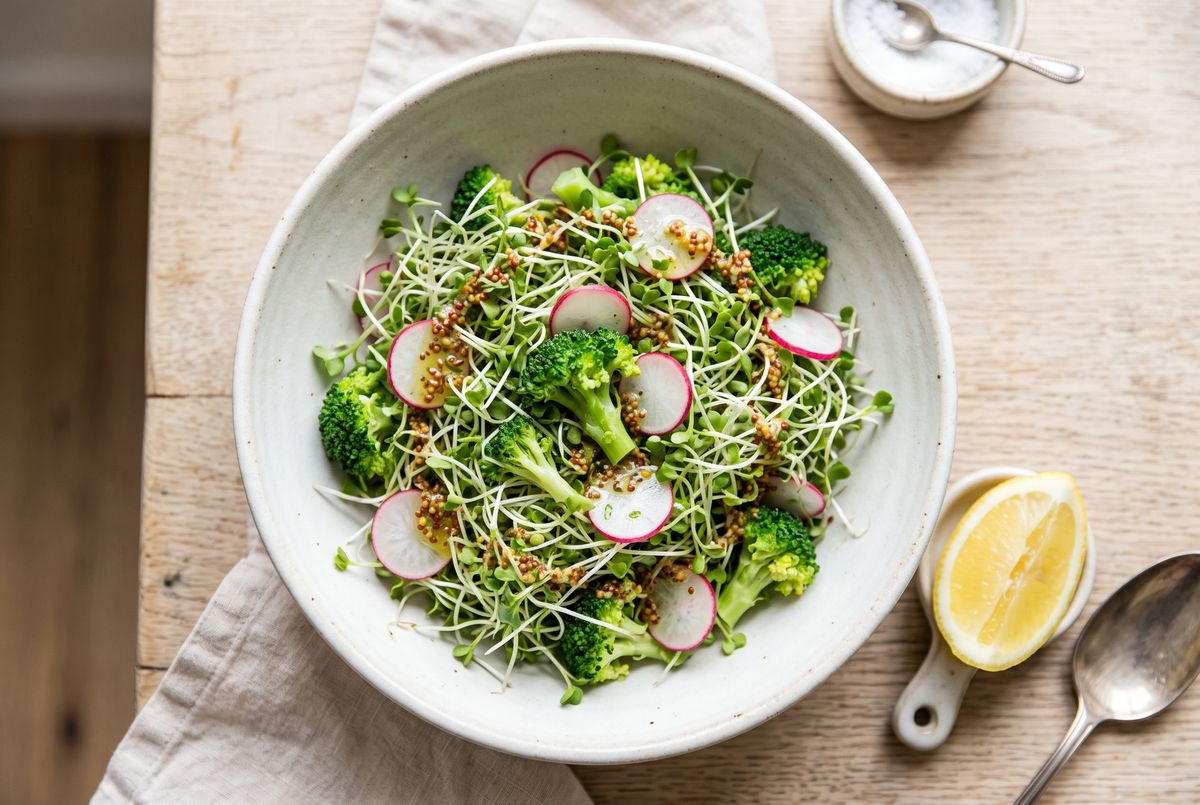
Broccoli sprouts carry many times the sulforaphane precursor of mature broccoli — and a little mustard restores the enzyme that…
 Polyphenols
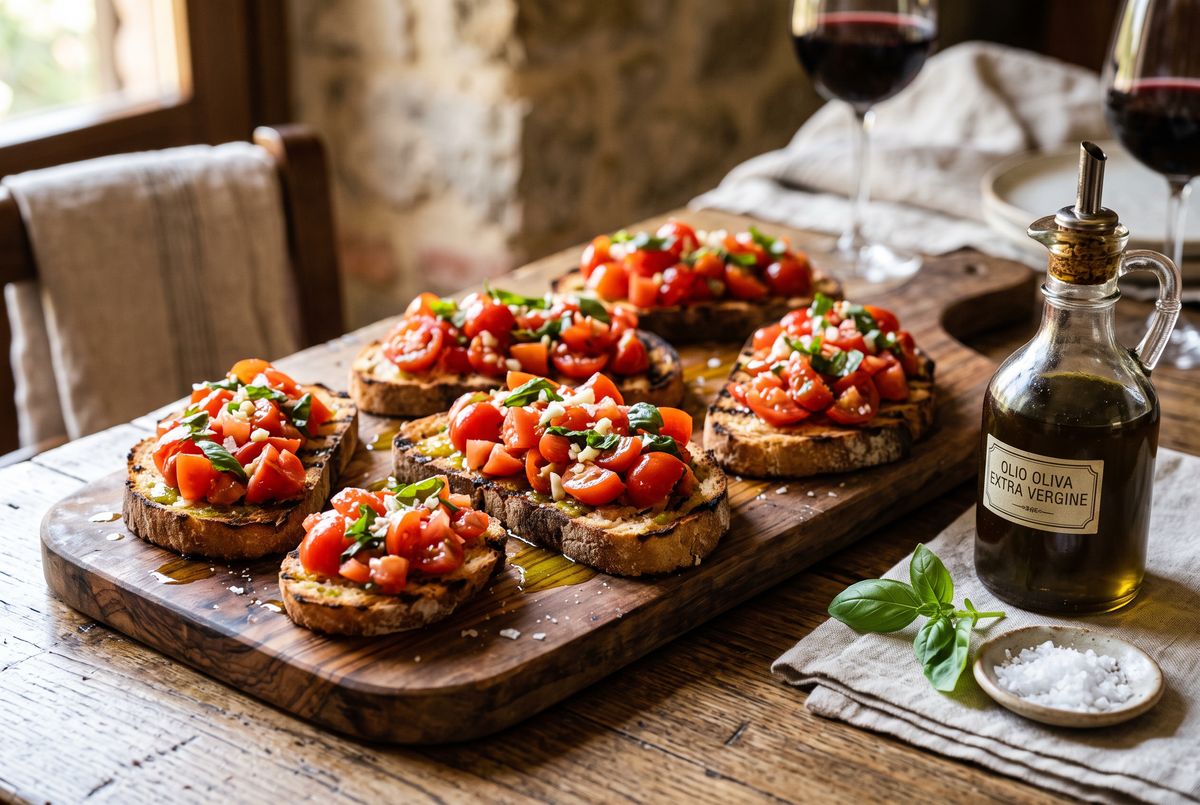
The peppery bite at the back of a good extra-virgin olive oil is the polyphenol content announcing itself — and this is the dish…
 Mushrooms
Mushrooms are effectively the only meaningful dietary source of ergothioneine, an amino acid your body has a dedicated…
Keep reading
Omega-3AstaxanthinOmega-3: the evidenceOmega-3 and AgingThe supplement guideResearch mapPathway universe