Caper & Herb Baked Halibut
Capers carry more quercetin per gram than any other common food. Fried crisp over baked halibut with burst cherry tomatoes, they make senolytic-adjacent eating taste like dinner.
- Mechanism
- Senolytics
- Cited studies
- 4
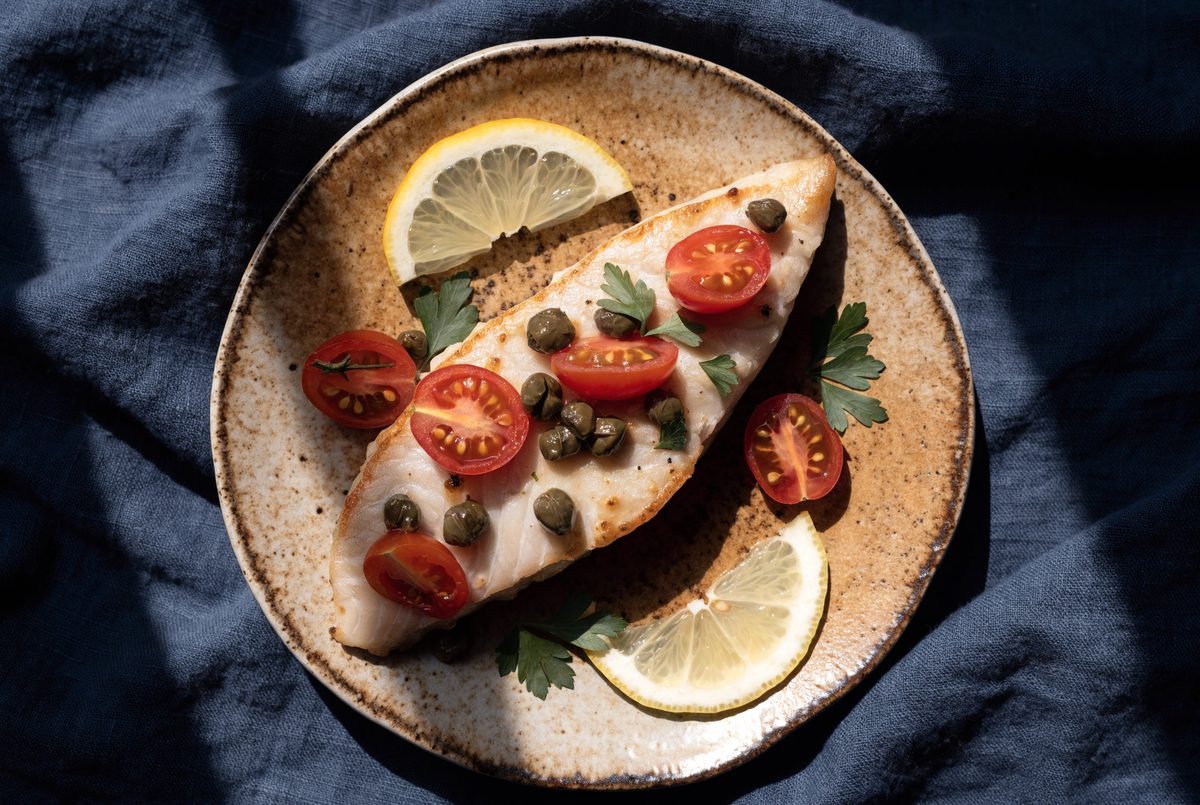
Capers are, gram for gram, the most concentrated quercetin food ever measured — several times richer than onions. The most direct human test of quercetin itself was a randomized crossover trial (The Journal of Nutrition, 2007) in which 730 mg a day for 28 days lowered blood pressure in people with stage 1 hypertension. That dose is worth dwelling on: it is more quercetin than a whole jar of capers, so the tablespoon scattered over this fish is a gesture in a well-supported direction rather than a therapeutic act. The same arithmetic applies to quercetin's senolytic reputation — the first human report (EBioMedicine, 2019) paired 1,000 mg-plus daily with dasatinib, a chemotherapy drug, in a small uncontrolled trial that found fewer senescent cells in fat and skin. Interesting, preliminary, and not something a dinner replicates.
What dinner can replicate is the pattern. Halibut is lean fish protein with a respectable taurine content — shellfish beat it, but fish intake is how most long-lived populations keep taurine up, and taurine's decline with age is now documented across species (Science, 2023). The oil matters too: in a randomized crossover trial of 200 men (Annals of Internal Medicine, 2006), polyphenol-rich olive oil raised HDL and lowered oxidized-LDL markers compared with refined oil, a result credited largely to hydroxytyrosol.
Why this works
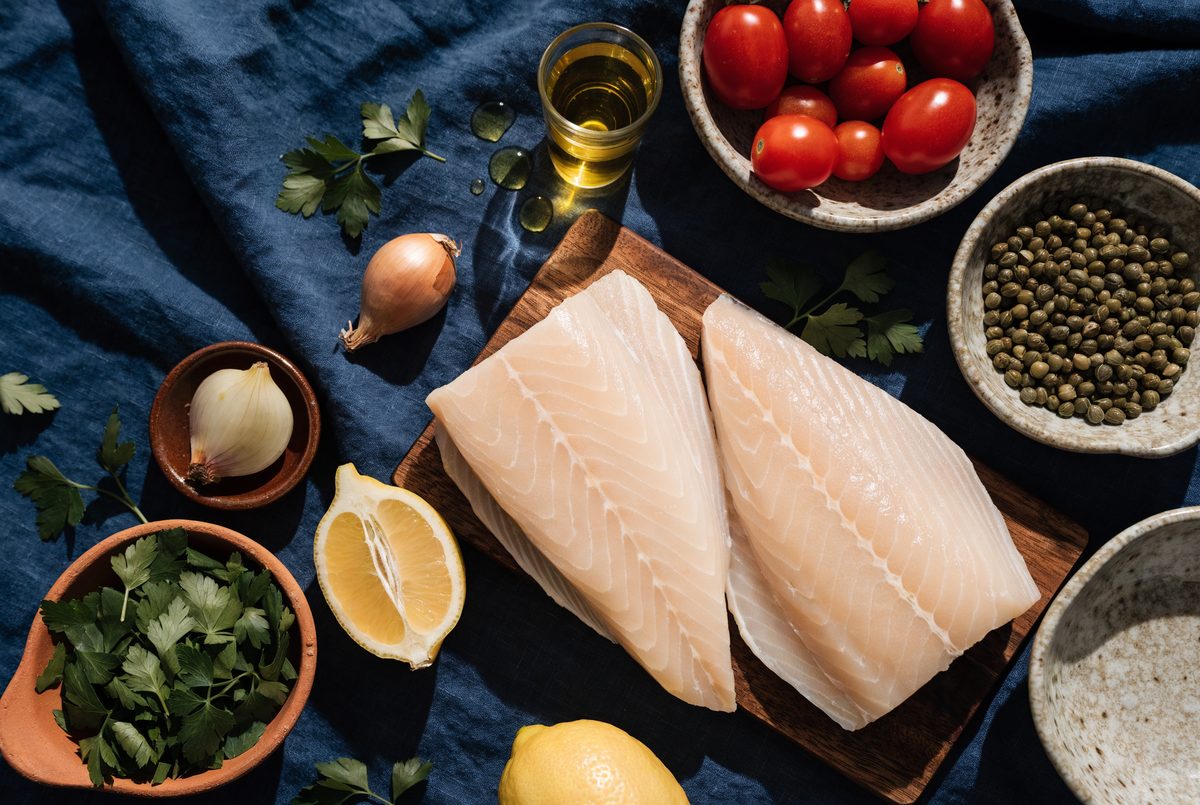
Halibut brings lean protein, selenium, and taurine. Capers fried briefly in extra-virgin olive oil blossom into crisp quercetin capsules while the oil keeps its polyphenols — this is a low, quick fry, not a deep one. Cherry tomatoes roasted until they burst release lycopene into that same fat, exactly the combination absorption studies favor. Shallots add their own quercetin, and lemon plus parsley keep the plate bright.
How to make it
- Heat the oven to 200°C (400°F). Toss 300 g of cherry tomatoes and 2 sliced shallots with 2 tablespoons of olive oil in a baking dish; roast 10 minutes until they begin to split.
- Pat two 180 g halibut fillets dry, season with salt, and nestle them among the tomatoes. Drizzle with oil and roast 10–12 minutes, until the fish just flakes.
- Meanwhile, dry 3 tablespoons of rinsed capers well and fry them in 3 tablespoons of olive oil over medium heat for 2–3 minutes, until they open and crisp. Reserve the oil.
- Plate the fish and tomatoes, scatter the fried capers, and spoon a little of the caper oil over everything.
- Finish with chopped parsley, black pepper, and lemon wedges.
Serves 2. If halibut is dear this week, cod or haddock take the same treatment without complaint.
25 PubMed citations
Meta-analyses of randomized trials indicate quercetin produces a small blood-pressure reduction—on the order of 2–3…
19 PubMed citations
A landmark 2023 study reported that taurine declines with age in mice, monkeys, and humans and that supplementation…
19 PubMed citations
In human trials, standardized olive leaf extract has most consistently produced modest reductions in systolic and…
The research behind this recipe
Primary sources for the claims above. Effects reported in these papers describe the compound or the dietary pattern studied — not this specific dish.
More cellular housekeeping: autophagy, mitophagy & senescent cells recipes
 Autophagy
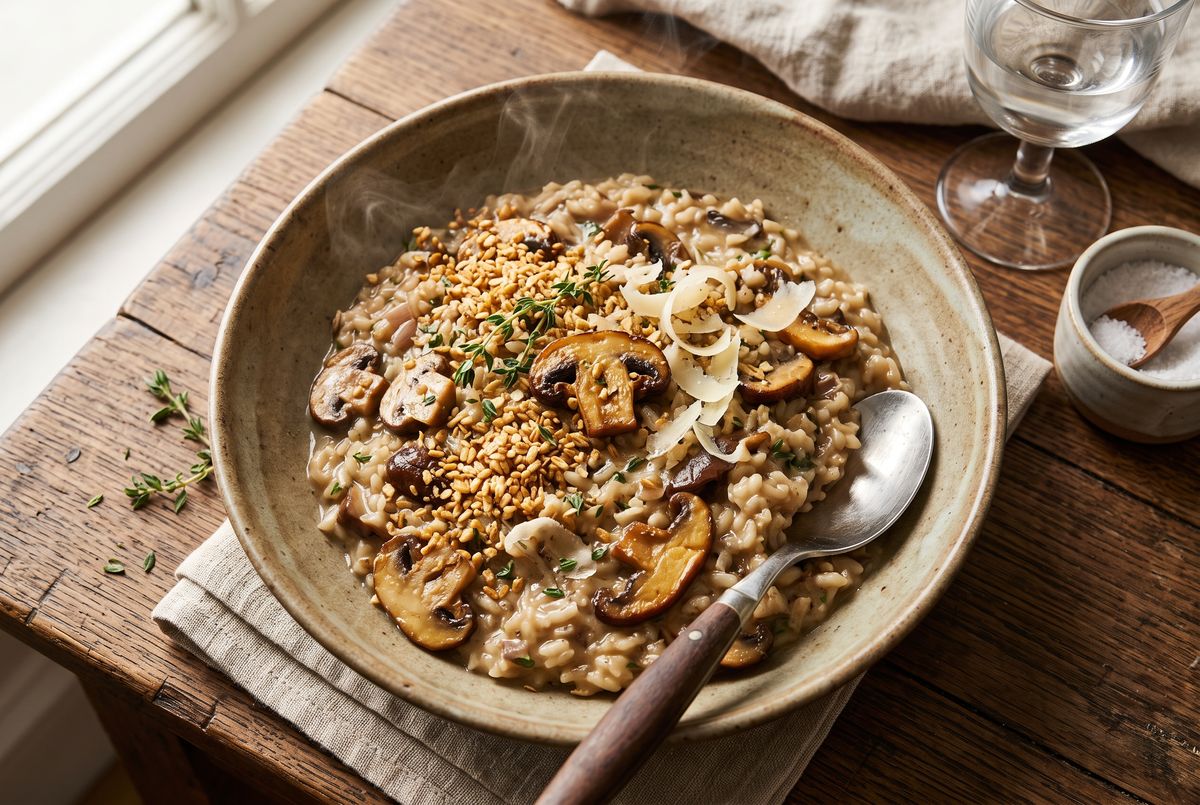
Wheat germ is the densest common food source of spermidine, the polyamine tied to autophagy — and it toasts into risotto like a…
 Mitophagy
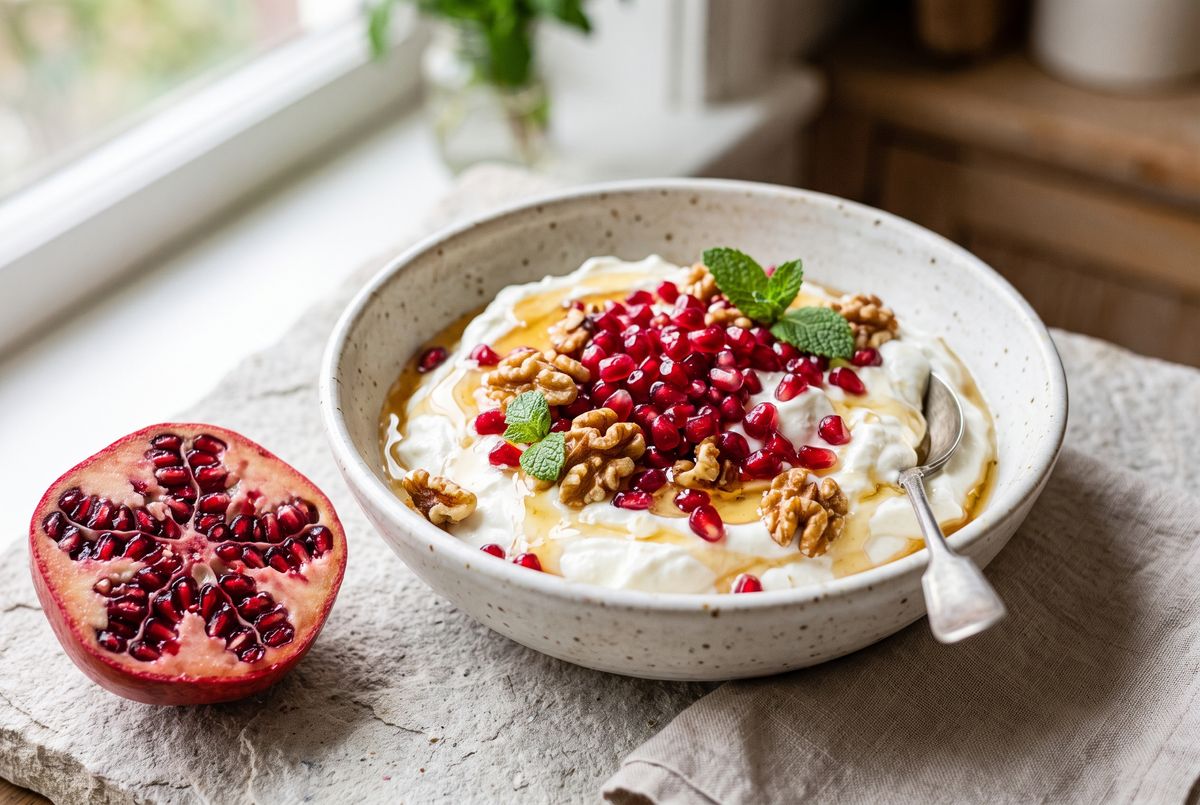
You cannot eat urolithin A directly — your gut bacteria make it from the ellagitannins in pomegranate and walnuts, and only some…
 Senolytics
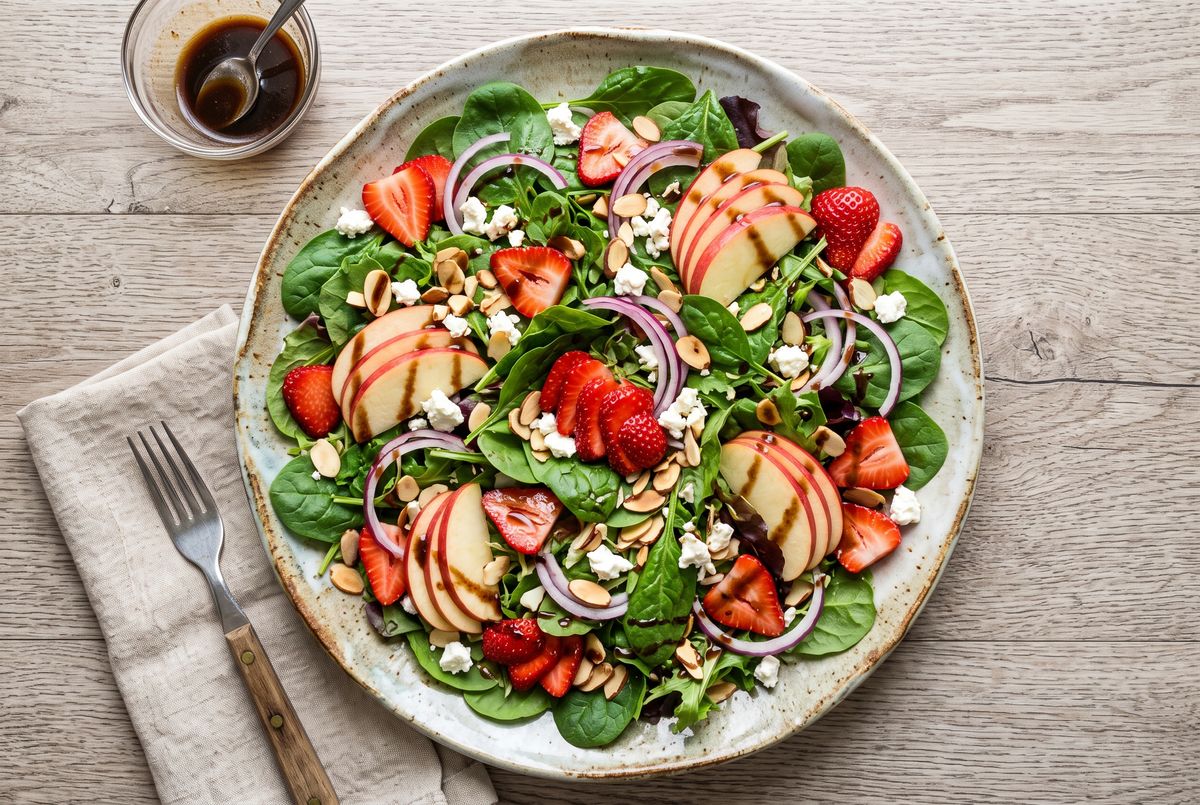
Strawberries are the leading dietary source of fisetin, the flavonoid at the center of senolytic research — though food amounts…
Keep reading
Blood pressureSenolyticsSenescent cellsQuercetinSenolytics: the evidenceTaurine and AgingThe supplement guideResearch mapPathway universe