Strawberry–Basil Frozen Yogurt
Strawberries are the top common food source of fisetin, the flavonoid that cleared senescent cells and extended lifespan in mice. This five-ingredient frozen yogurt folds a full pound of them into a live-culture base.
- Mechanism
- Senolytics
- Cited studies
- 5
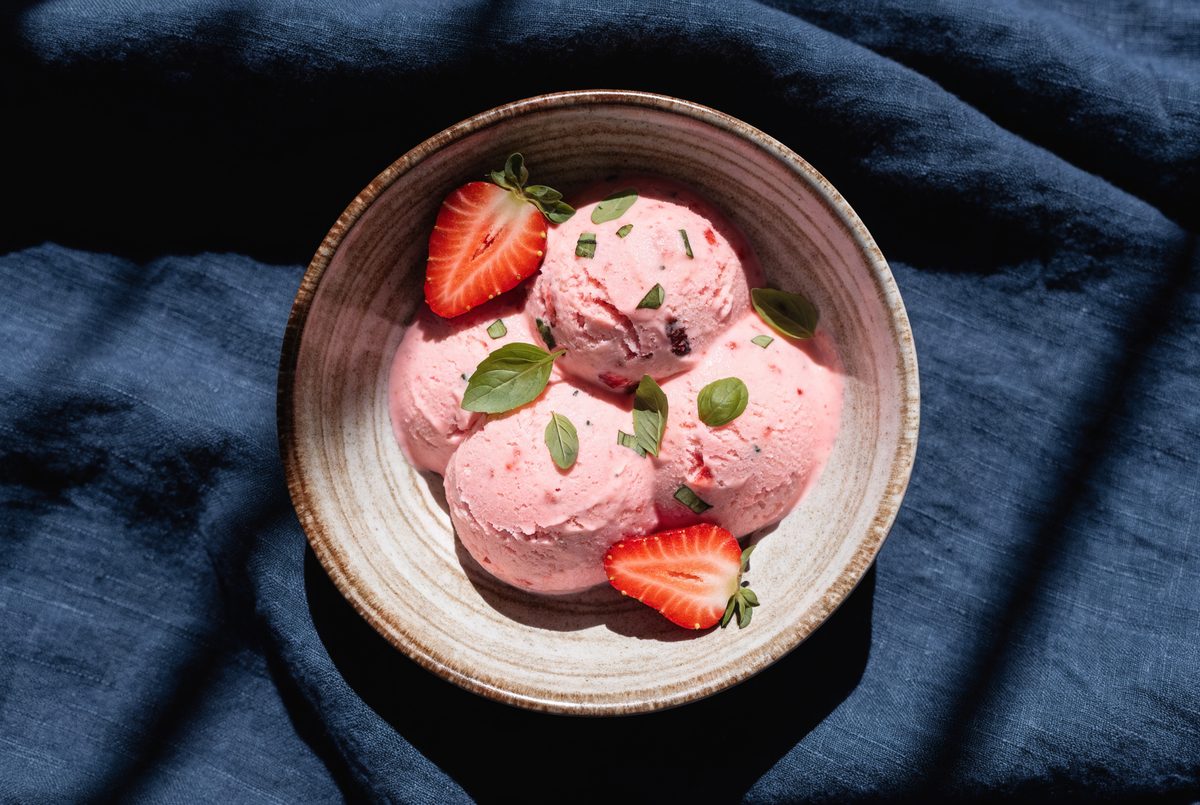
Strawberries are the richest everyday source of fisetin, the flavonoid that made senolytics famous when a screening study in mice found it cleared senescent cells and extended both healthspan and remaining lifespan (EBioMedicine, 2018). That is a striking result, but it is a mouse result at doses no dessert can deliver. The first human senolytic data come from a small open-label pilot in pulmonary fibrosis patients that used a different drug combination and had no placebo arm (EBioMedicine, 2019) — so eating strawberries for fisetin is a reasonable bet on a promising mechanism, not a proven intervention.
The berry evidence that involves actual humans is observational but consistent. In a cohort of more than 16,000 older women, higher strawberry and blueberry intake went with slower cognitive decline — an estimated 1.5 to 2.5 years of delay at the highest intakes (Annals of Neurology, 2012). Strawberries also carry ellagitannins, the compounds gut bacteria convert into urolithins; the best-known ellagitannin trial used pomegranate juice and enrolled only a handful of patients (Clinical Nutrition, 2004). The Greek yogurt base adds live cultures, and a randomized fermented-food diet did raise microbiome diversity and lower inflammatory markers (Cell, 2021) — though freezing will thin those cultures somewhat.
Why this works
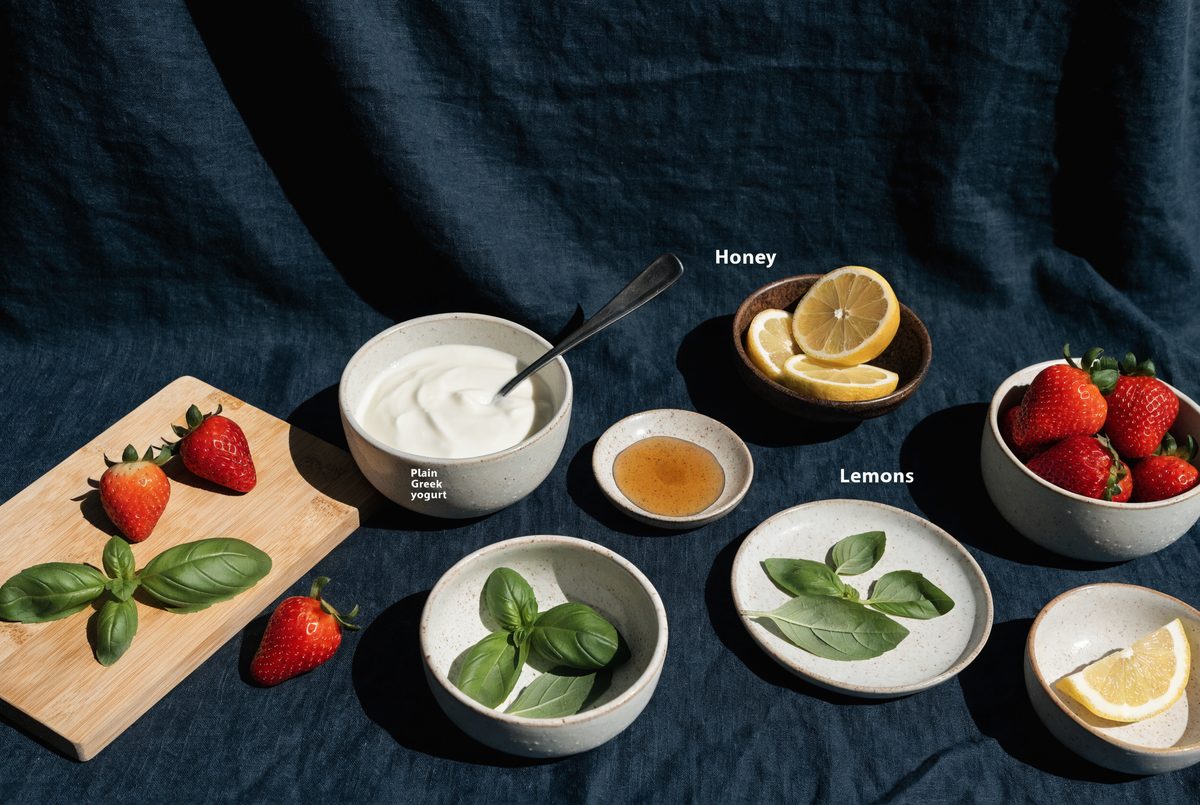
Strawberries supply both fisetin and ellagitannins in the same fruit, which is why they anchor this recipe at a full pound rather than garnish it. Plain Greek yogurt brings live Lactobacillus and Streptococcus cultures plus enough protein and fat to stay creamy at freezer temperatures. Basil contributes minor polyphenols of its own but is mostly here because it makes ripe strawberries taste more like themselves. Honey lowers the freezing point so the yogurt scoops instead of shattering, and lemon juice keeps the fruit bright.
How to make it
- Hull 450 g (1 lb) ripe strawberries, halve them, and macerate with 60 g honey and the juice of half a lemon for 30 minutes.
- Blend the macerated berries and their juices with 500 g plain whole-milk Greek yogurt until smooth; taste and adjust honey only if the berries were tart.
- Stack 8–10 basil leaves, slice into fine ribbons, and stir them in by hand so they stay as flecks.
- Churn in an ice-cream maker 20–25 minutes; or pour into a shallow metal pan, freeze, and rake thoroughly with a fork every 30 minutes for about 3 hours.
- Ripen in the freezer 1 hour before scooping. If frozen solid overnight, temper 15 minutes on the counter first.
Serves 4–6. Best within a week — after that the basil fades and ice crystals take over.
25 PubMed citations
Because senescent cells accumulate with age and contribute to frailty, vascular dysfunction, inflammation, and…
20 PubMed citations
In human research, urolithin A supplementation is safe and bioavailable and improves markers of mitochondrial health.…
25 PubMed citations
In human research, the ellagitannin-derived metabolite urolithin A has improved muscle strength, endurance, and…
The research behind this recipe
Primary sources for the claims above. Effects reported in these papers describe the compound or the dietary pattern studied — not this specific dish.
More cellular housekeeping: autophagy, mitophagy & senescent cells recipes
 Autophagy
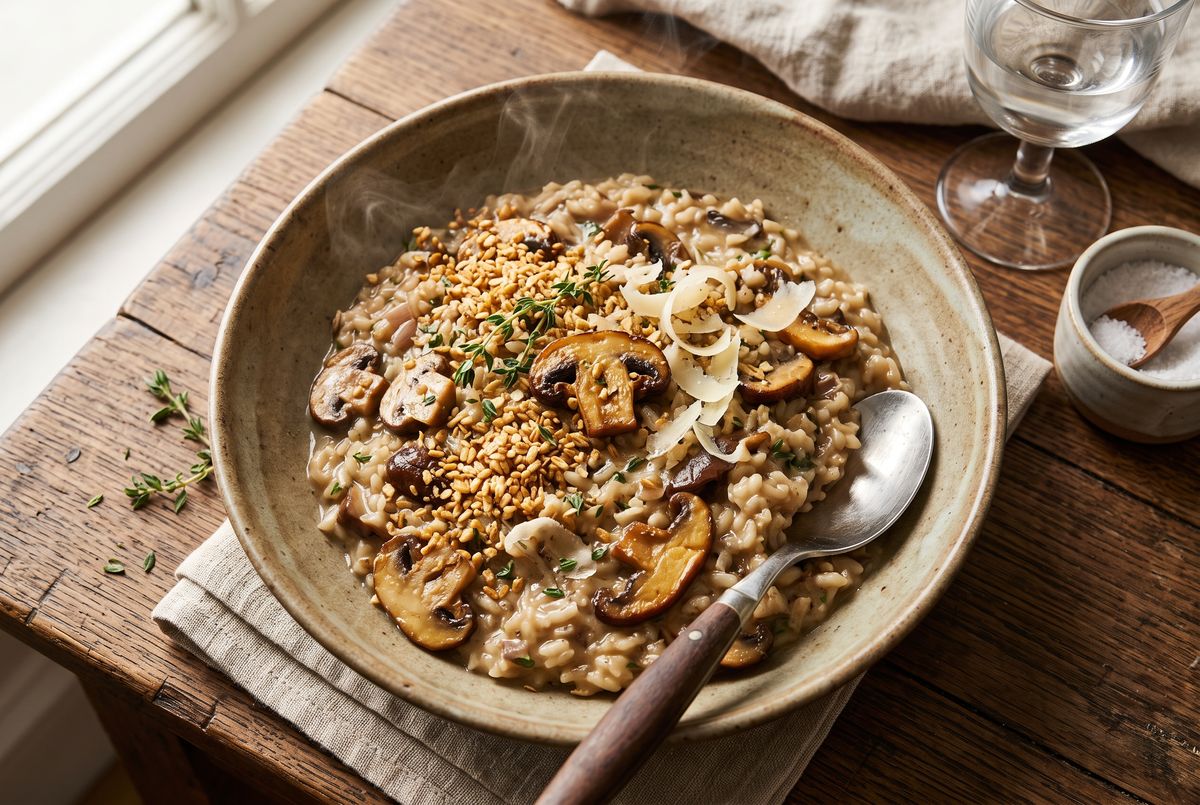
Wheat germ is the densest common food source of spermidine, the polyamine tied to autophagy — and it toasts into risotto like a…
 Mitophagy
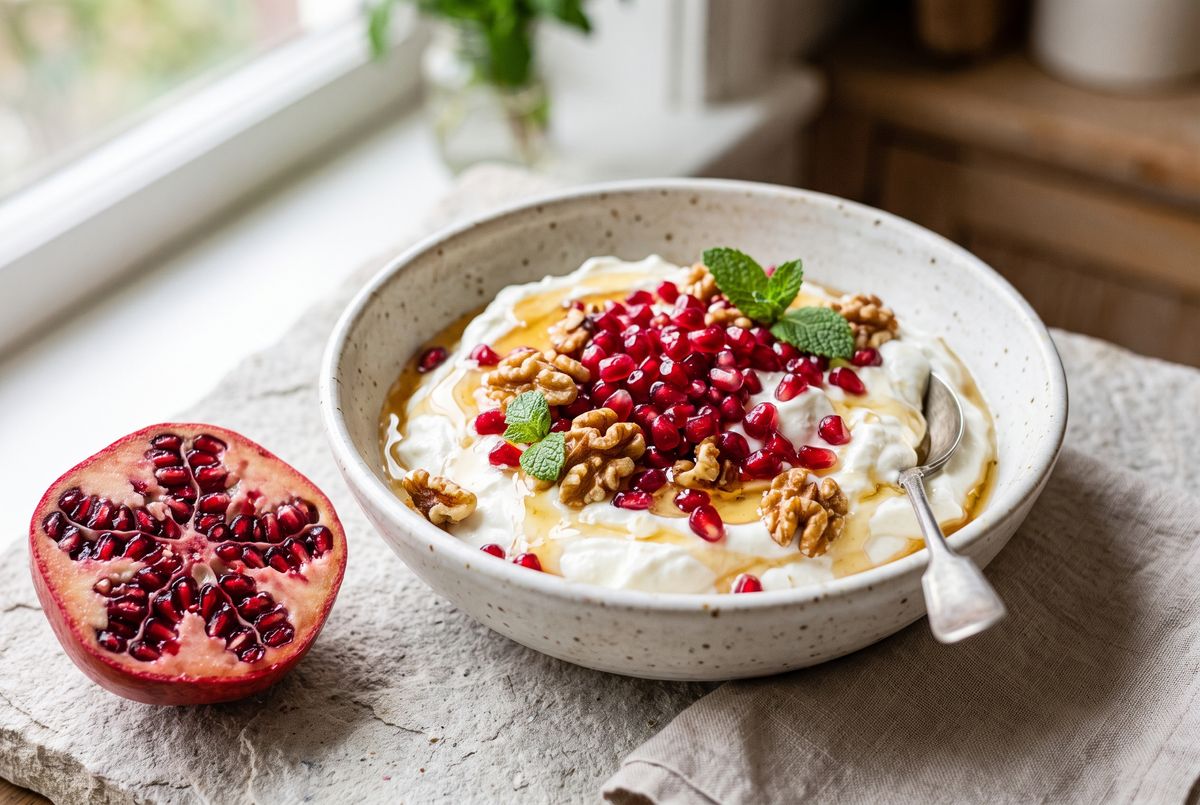
You cannot eat urolithin A directly — your gut bacteria make it from the ellagitannins in pomegranate and walnuts, and only some…
 Senolytics
Strawberries are the leading dietary source of fisetin, the flavonoid at the center of senolytic research — though food amounts…
Keep reading
Urolithin AFisetinSenolyticsSenescent cellsUrolithin A: the evidenceSenolytics: the evidenceUrolithin A (Mitopure) and MuscleThe supplement guideResearch mapPathway universe