Fesenjan: Walnut–Pomegranate Braised Chicken
Persian fesenjan braises chicken in ground walnuts and pomegranate molasses — the two richest ellagitannin sources in the kitchen, and the precursors your gut bacteria turn into the mitophagy molecule urolithin A.
- Mechanism
- Mitophagy
- Cited studies
- 5
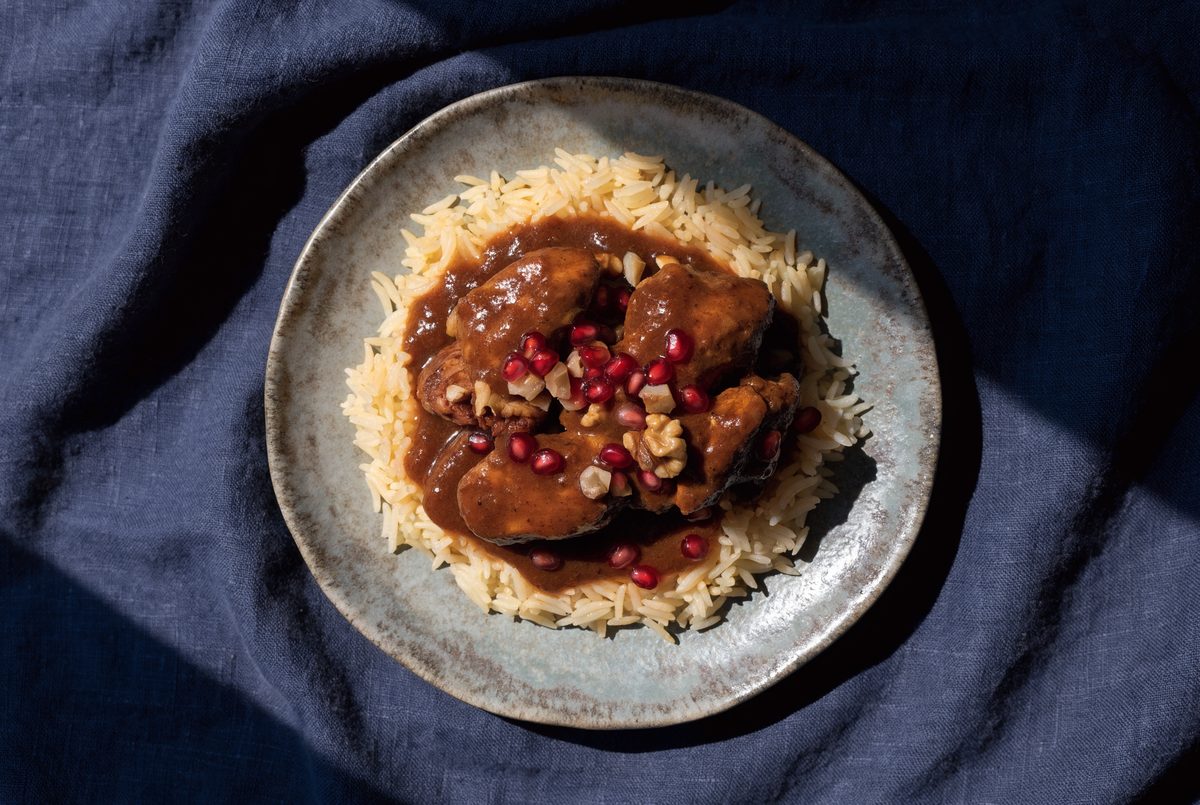
Walnuts and pomegranate are the two foods most studied as sources of ellagitannins, which certain gut bacteria convert into urolithin A. That metabolite induced mitophagy — the clearing of worn-out mitochondria — extended lifespan in C. elegans, and improved muscle function in rodents (Nature Medicine, 2016). The human evidence is younger and mostly pharmaceutical: a randomized trial of purified urolithin A in sedentary older adults found it safe and reported shifts in mitochondrial gene expression and plasma biomarkers (Nature Metabolism, 2019). A centuries-old Persian stew that happens to combine both precursor foods is a pleasing coincidence, not a clinical intervention.
Two honest caveats. First, only a minority of people — estimates often land around 40 percent — carry the gut bacteria that convert ellagitannins to urolithin A efficiently, so the same dinner does different things in different guts. Second, the most-cited pomegranate outcome study, in which daily juice reduced carotid intima-media thickness over three years, enrolled just 19 patients and has never been replicated at scale (Clinical Nutrition, 2004). Walnuts stand on firmer ground: their alpha-linolenic acid was associated with modestly lower cardiovascular risk across a meta-analysis of prospective studies (American Journal of Clinical Nutrition, 2012).
Why this works
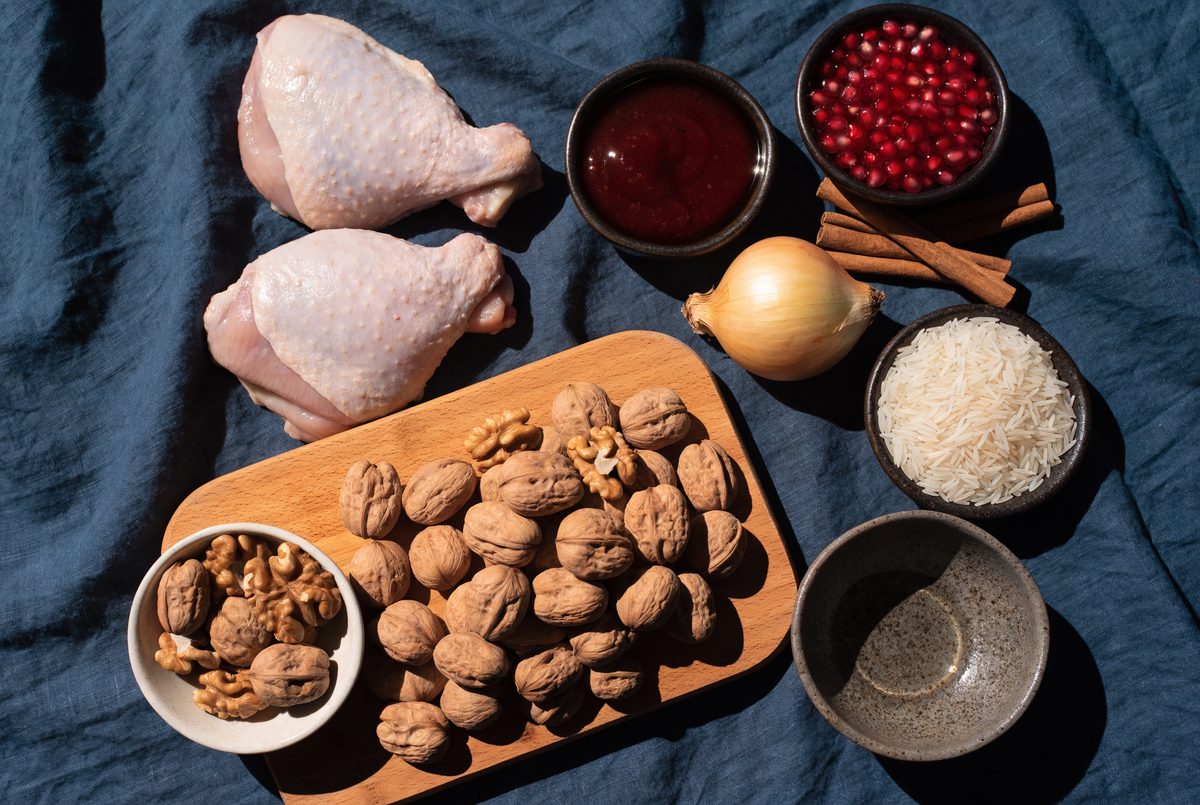
Walnuts, toasted and ground to a paste, are both the body of the sauce and its ellagitannin payload, along with plant-based ALA omega-3s. Pomegranate molasses concentrates the fruit's polyphenols into the sour-sweet backbone of the dish, and fresh pomegranate seeds add an uncooked dose at the end. Yellow onion, cooked slow, contributes allium sulfur compounds — the best randomized data in the family belongs to garlic, which lowered blood pressure in hypertensive adults in a meta-analysis (Journal of Nutrition, 2016), so treat the onion as a milder relative. Chicken thighs stay tender through a long braise, and cinnamon plus basmati rice finish the classic frame.
How to make it
- Toast 250 g walnuts in a dry pan until fragrant, cool slightly, and grind to a coarse, oily paste.
- Brown 700 g boneless chicken thighs in olive oil in a heavy pot; set aside.
- Soften a diced yellow onion in the same pot, 8–10 minutes, with a pinch of salt and half a teaspoon of cinnamon.
- Stir in the ground walnuts and 500 ml water or stock; simmer gently 15 minutes, stirring so it does not catch.
- Add 5 tablespoons pomegranate molasses and the chicken. Cover and braise on low heat 40–50 minutes, until the sauce is dark, thick, and glossy; balance with a little honey or extra molasses to taste.
- Serve over steamed basmati rice, showered with fresh pomegranate seeds and chopped walnuts.
Serves 4; like most braises, it is better the next day.
20 PubMed citations
In human research, urolithin A supplementation is safe and bioavailable and improves markers of mitochondrial health.…
25 PubMed citations
In human research, the ellagitannin-derived metabolite urolithin A has improved muscle strength, endurance, and…
23 PubMed citations
The best-supported clinical use of ALA is for symptomatic diabetic peripheral neuropathy: randomized trials and…
The research behind this recipe
Primary sources for the claims above. Effects reported in these papers describe the compound or the dietary pattern studied — not this specific dish.
More cellular housekeeping: autophagy, mitophagy & senescent cells recipes
 Autophagy
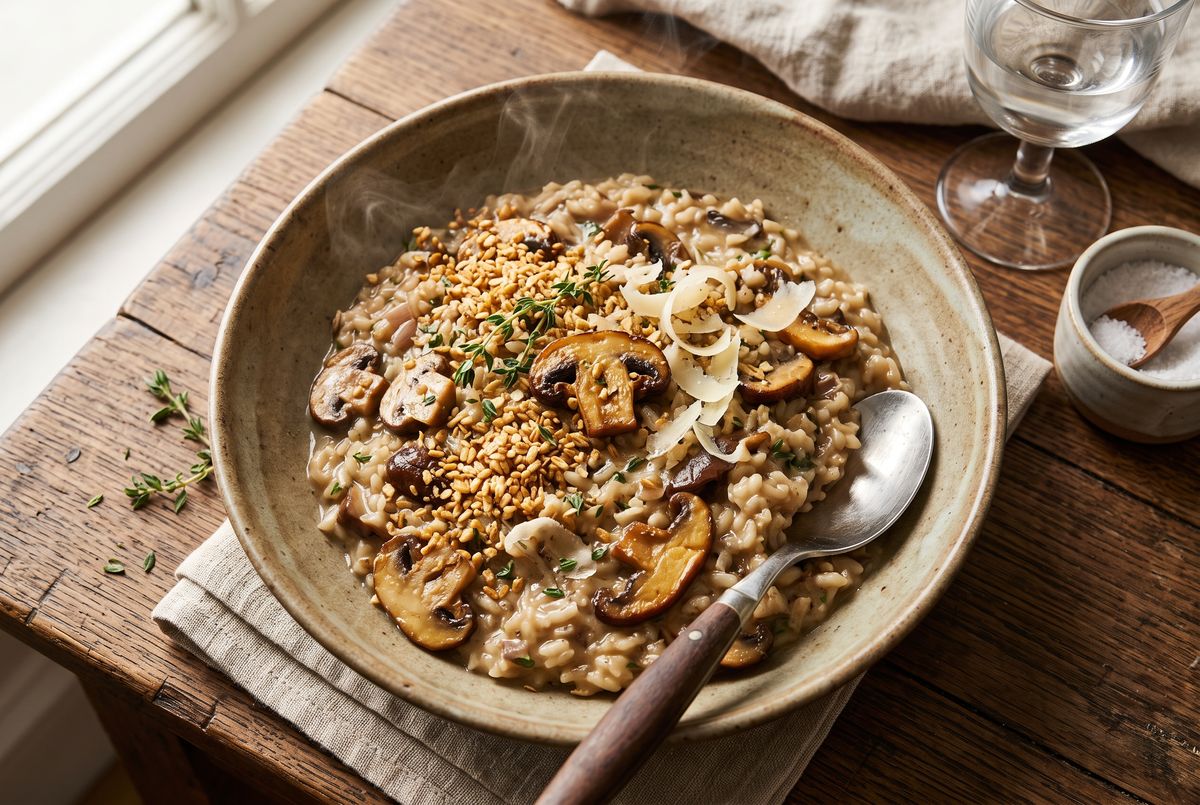
Wheat germ is the densest common food source of spermidine, the polyamine tied to autophagy — and it toasts into risotto like a…
 Mitophagy
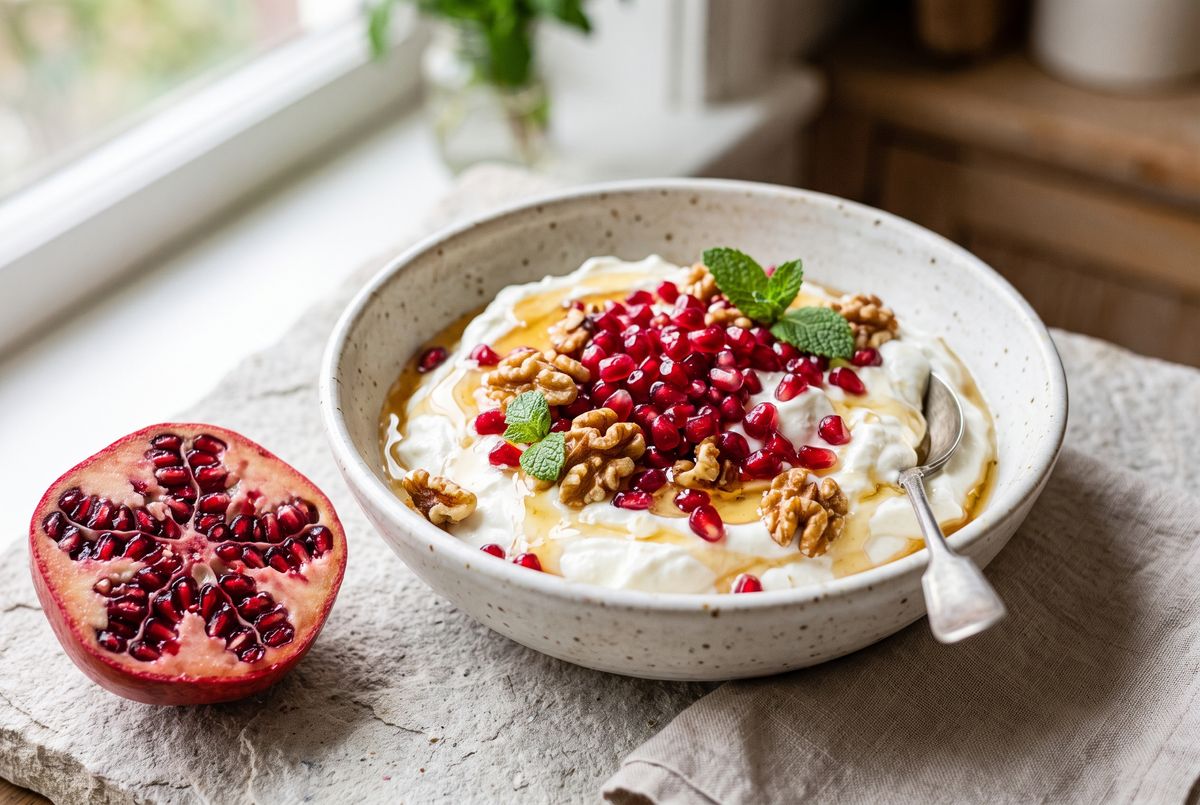
You cannot eat urolithin A directly — your gut bacteria make it from the ellagitannins in pomegranate and walnuts, and only some…
 Senolytics
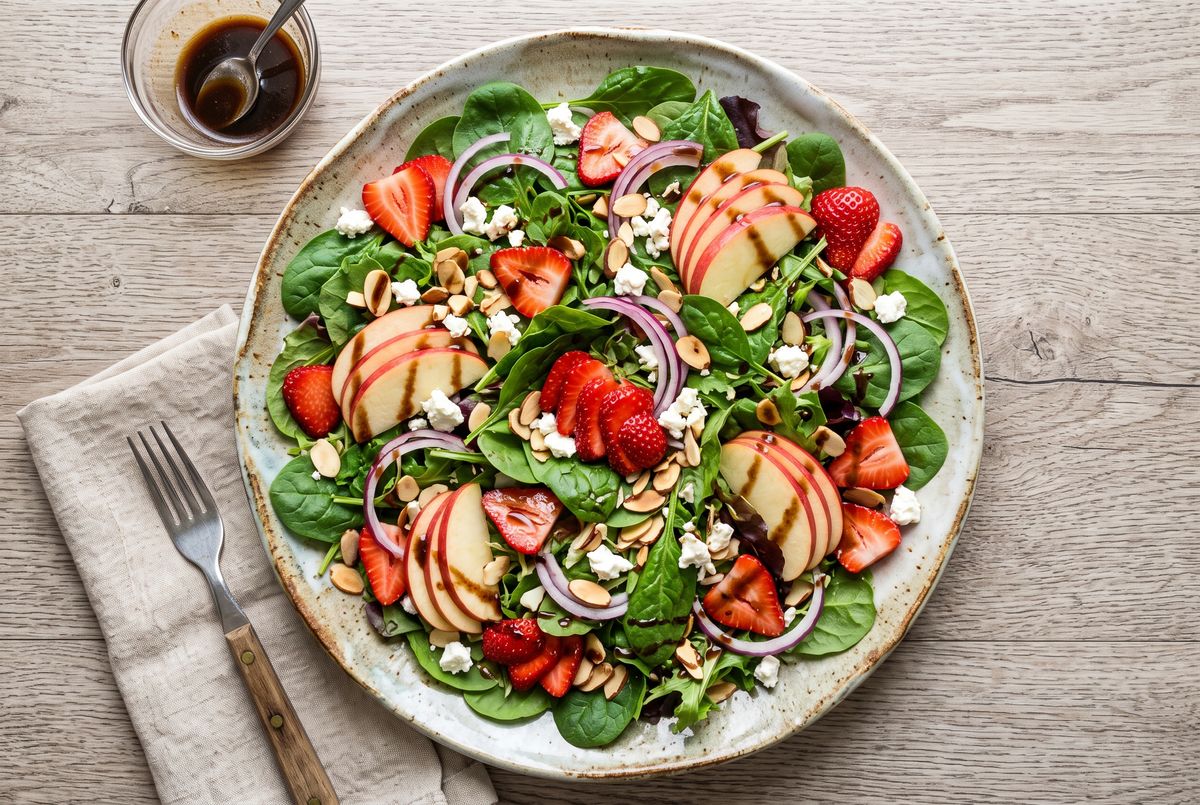
Strawberries are the leading dietary source of fisetin, the flavonoid at the center of senolytic research — though food amounts…
Keep reading
Blood pressureUrolithin AMitochondriaOmega-3Urolithin A: the evidenceOmega-3: the evidenceUrolithin A (Mitopure) and MuscleThe supplement guideResearch mapPathway universe