Bison & Black Bean Chili
Lean bison for creatine and zinc, black beans for the fiber that cohort studies keep rewarding, and tomatoes slow-cooked in oil for absorbable lycopene — a chili built like a compound stack.
- Mechanism
- Muscle & strength
- Cited studies
- 5
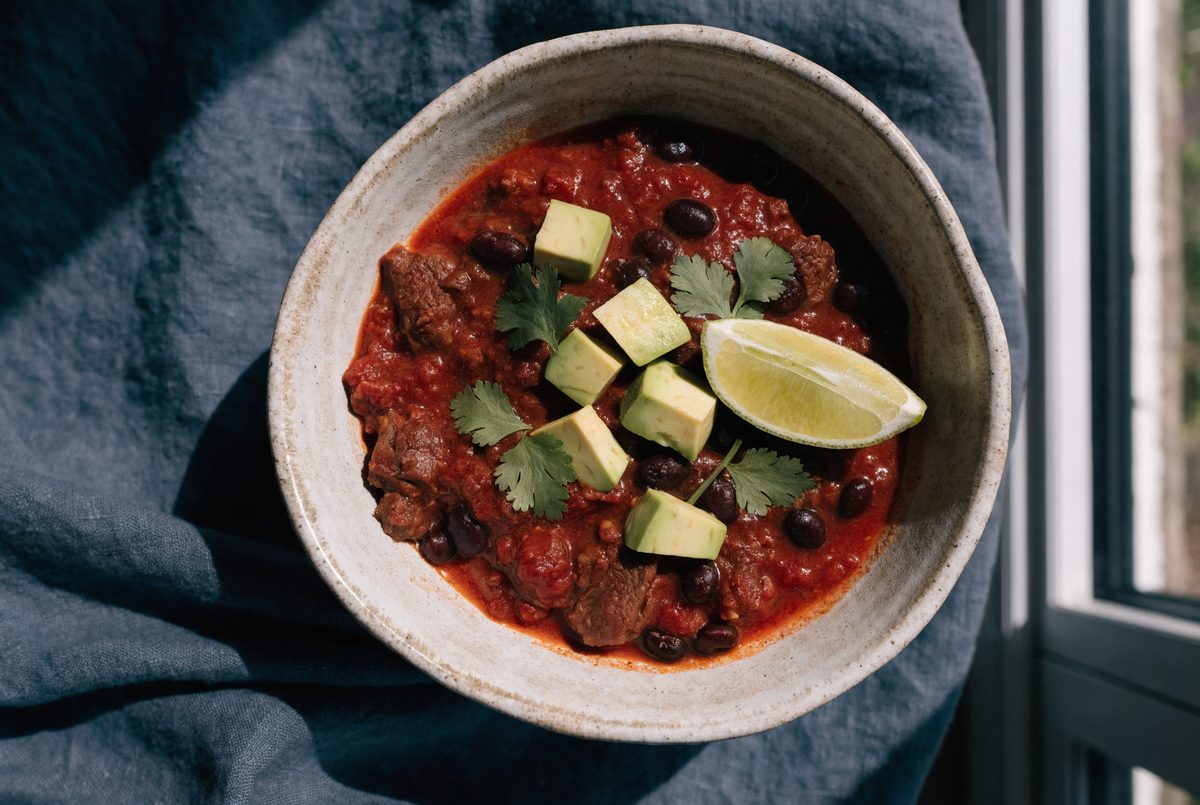
Bison is nutritionally close to lean beef — one of the denser food sources of creatine, plus well-absorbed zinc and iron — with a leaner fat profile. The creatine evidence base is unusually strong for a food compound: the International Society of Sports Nutrition's position stand (Journal of the International Society of Sports Nutrition, 2017) rates supplemental creatine as safe and effective for building strength and lean mass alongside training. Food portions supply a fraction of trial doses, so the fair claim for a bowl of chili is contribution, not replication. Zinc is less glamorous but earns its place: hundreds of enzymes and much of immune-cell function depend on it, and intake commonly drifts down with age (Molecular Medicine, 2008).
The plants do at least as much work here. A meta-analysis of randomized trials (CMAJ, 2014) found that a single daily serving of pulses — beans, lentils, chickpeas — lowered LDL cholesterol by about five percent. A commissioned series of systematic reviews on carbohydrate quality (Lancet, 2019) tied fiber intakes of 25–29 g per day to lower all-cause mortality in prospective cohorts, and a bowl of this gets you a meaningful way there. Cooked tomatoes are the classic lycopene format; a large prospective cohort (Journal of the National Cancer Institute, 2002) associated tomato-sauce intake with lower prostate cancer risk — observational evidence, worth exactly that much and no more.
Why this works
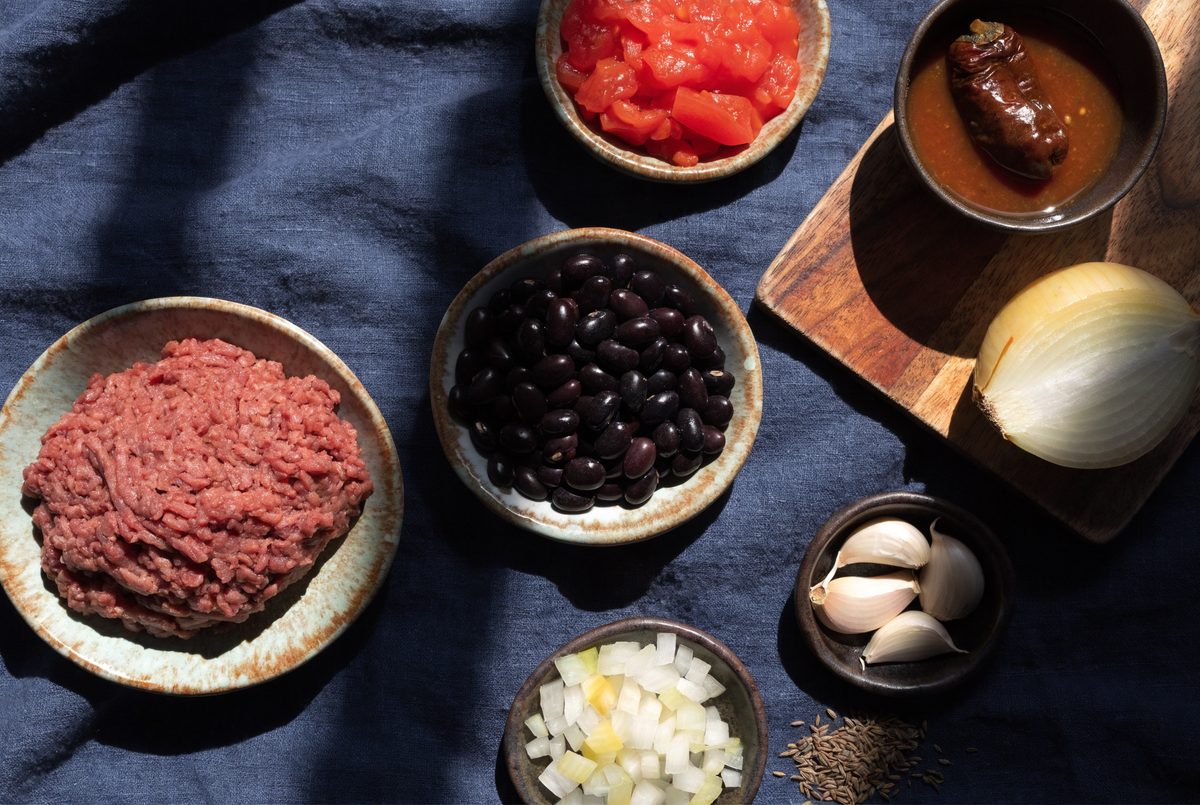
Ground bison carries the creatine and zinc. Black beans bring fermentable fiber and resistant starch — the substrate colonic bacteria turn into short-chain fatty acids — plus magnesium and potassium. Crushed tomatoes, simmered long with a little fat, are exactly the form in which lycopene is most absorbable: heat and oil both help. Chipotle in adobo and toasted cumin do the smoky heavy lifting, while garlic and onion add their own sulfur compounds and prebiotic fructans.
How to make it
- Brown 500 g ground bison hard in a Dutch oven with a little olive oil, breaking it into crumbles; set it aside with its juices.
- Soften a diced yellow onion in the same pot, about 6 minutes, then add 4 minced garlic cloves and 2 teaspoons ground cumin for one fragrant minute.
- Stir in 2 minced chipotles with a spoonful of adobo sauce, one 800 g can of crushed tomatoes, and a cup of water or stock.
- Return the bison, add two drained cans of black beans, season with salt and oregano, and simmer uncovered 35–45 minutes until thick.
- Taste — it should be smoky first, hot second. Adjust with more adobo or a pinch of sugar if the tomatoes run sharp.
- Serve topped with avocado cubes, cilantro, and a lime wedge.
Serves four, and improves overnight — the classic chili move and a decent meal-prep one.
23 PubMed citations
Across meta-analyses and randomized trials, creatine monohydrate combined with resistance training modestly increases…
23 PubMed citations
Multiple meta-analyses of randomized trials indicate that oral zinc, started soon after symptom onset, can modestly…
21 PubMed citations
Randomized trials and meta-analyses indicate that inulin-type fructans reliably increase stool frequency and improve…
The research behind this recipe
Primary sources for the claims above. Effects reported in these papers describe the compound or the dietary pattern studied — not this specific dish.
More muscle, connective tissue & minerals recipes
 Muscle & strength
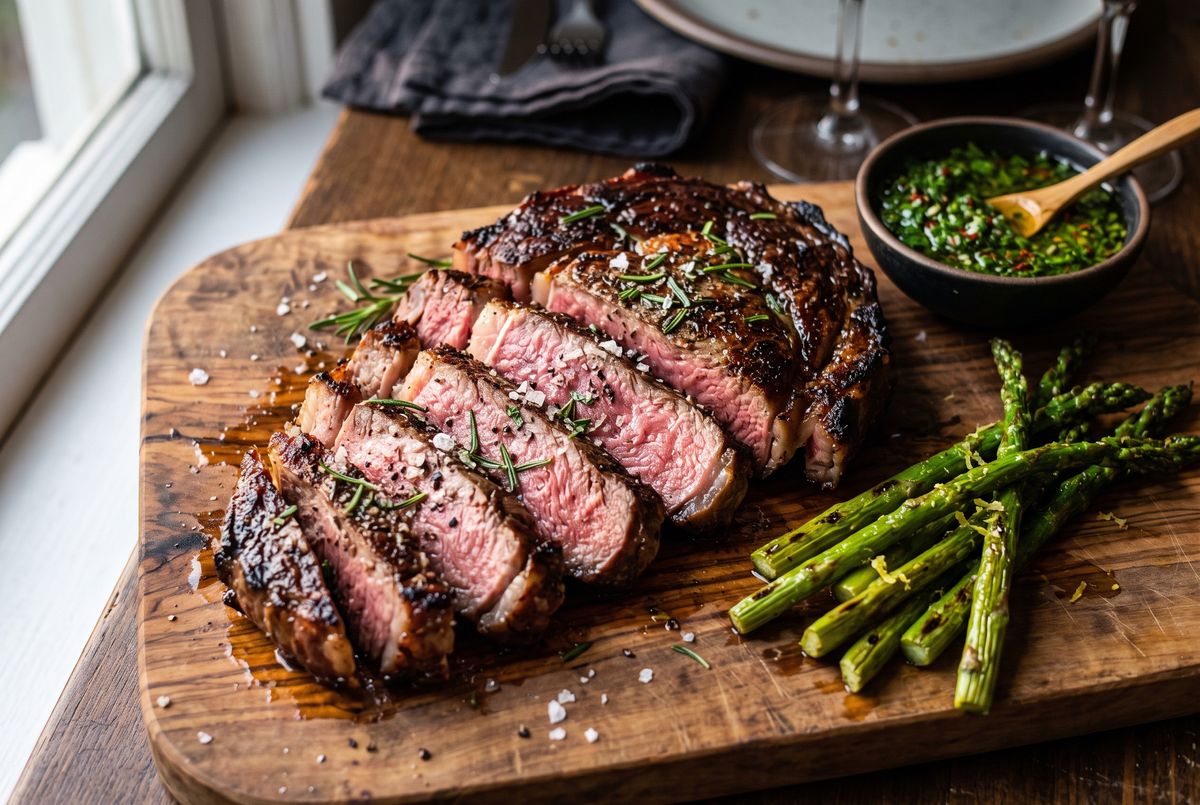
Red meat and fish are the only meaningful dietary sources of creatine — roughly a gram per pound of raw meat, and cooking costs…
 Collagen & glycine
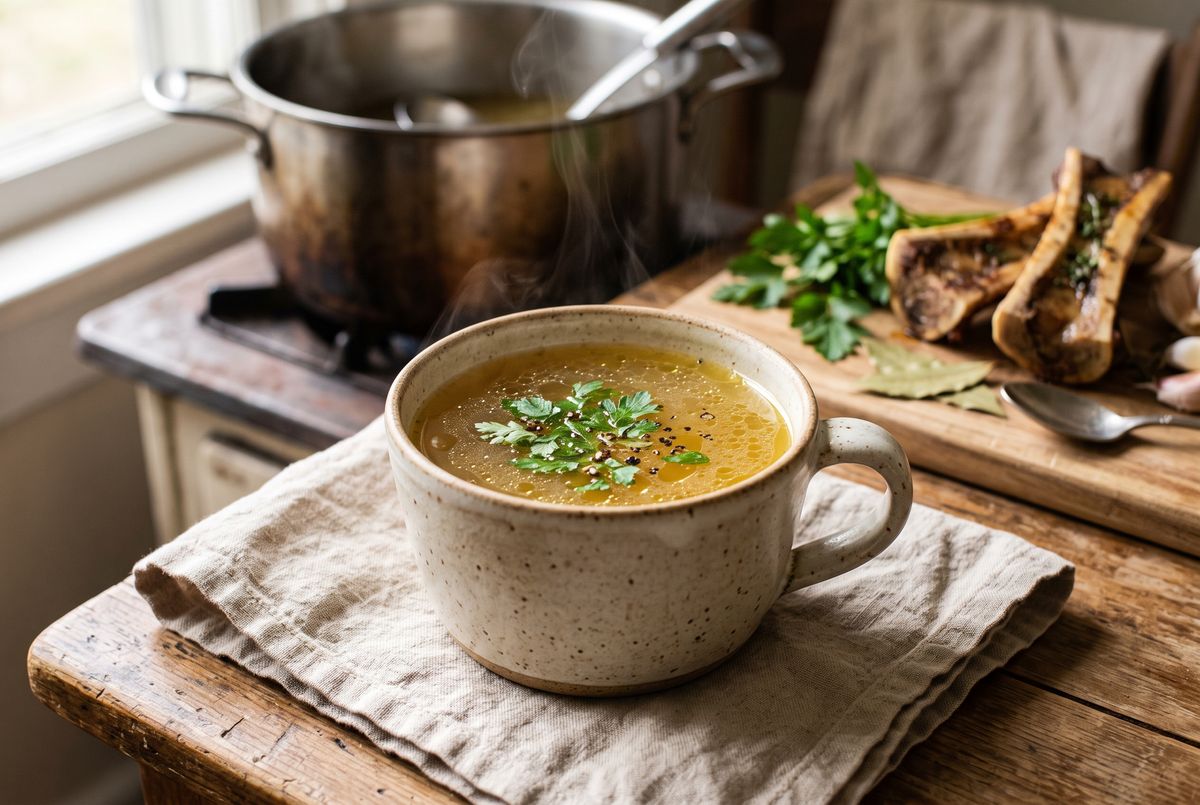
Gelatin is roughly a third glycine — the amino acid we eat least of relative to how much our connective tissue needs.
 Taurine
Shellfish are the densest food source of taurine — the amino acid whose age-related decline drew serious attention in 2023.
Keep reading
CreatineInulinDietary fiberMagnesiumCreatine: the evidenceCreatine for Healthy AgingThe supplement guideResearch mapPathway universe