Bone Broth Chicken Ramen with Shiitake
Shiitake are among the best food sources of ergothioneine — the mushroom compound that tracks with lower mortality in cohort data — floated on a glycine-rich chicken bone broth with garlic and ginger.
- Mechanism
- Collagen & glycine
- Cited studies
- 5
- Course
- Soup
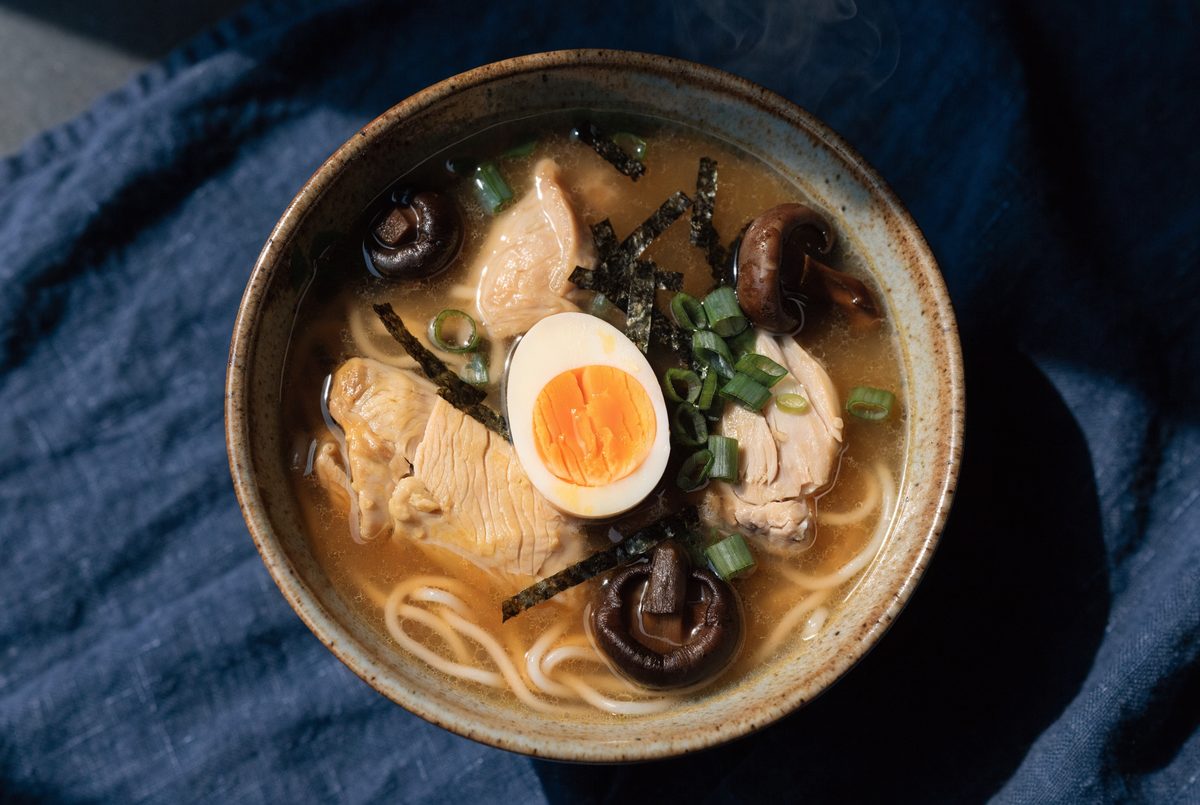
Shiitake mushrooms are one of the best food sources of ergothioneine, an unusual sulfur-containing amino acid that humans cannot make yet absorb through a dedicated transporter — a hint, though not proof, that the body has a use for it. In a prospective cohort of more than 3,200 adults (Heart, 2020), higher plasma ergothioneine was associated with lower cardiovascular and all-cause mortality, and a mechanistic review (FEBS Letters, 2018) lays out its cytoprotective chemistry while conceding that interventional evidence in humans remains thin. Association, transporter, plausibility — that is the current state of the case, and it is more than most food compounds can claim.
The broth underneath is chicken bones simmered until their collagen becomes gelatin, which is roughly one-third glycine — an amino acid reviewed extensively for anti-inflammatory and metabolic effects, though mostly in preclinical work (Oxidative Medicine and Cellular Longevity, 2017). Garlic brings allicin, which in concentrated preparations lowered blood pressure in hypertensive adults across a meta-analysis (Journal of Nutrition, 2016), and ginger keeps its standing as one of the only spices with a systematic review of randomized trials to its name (British Journal of Anaesthesia, 2000). A bowl of ramen proves none of this on its own; it just stacks the plausible in one place.
Why this works
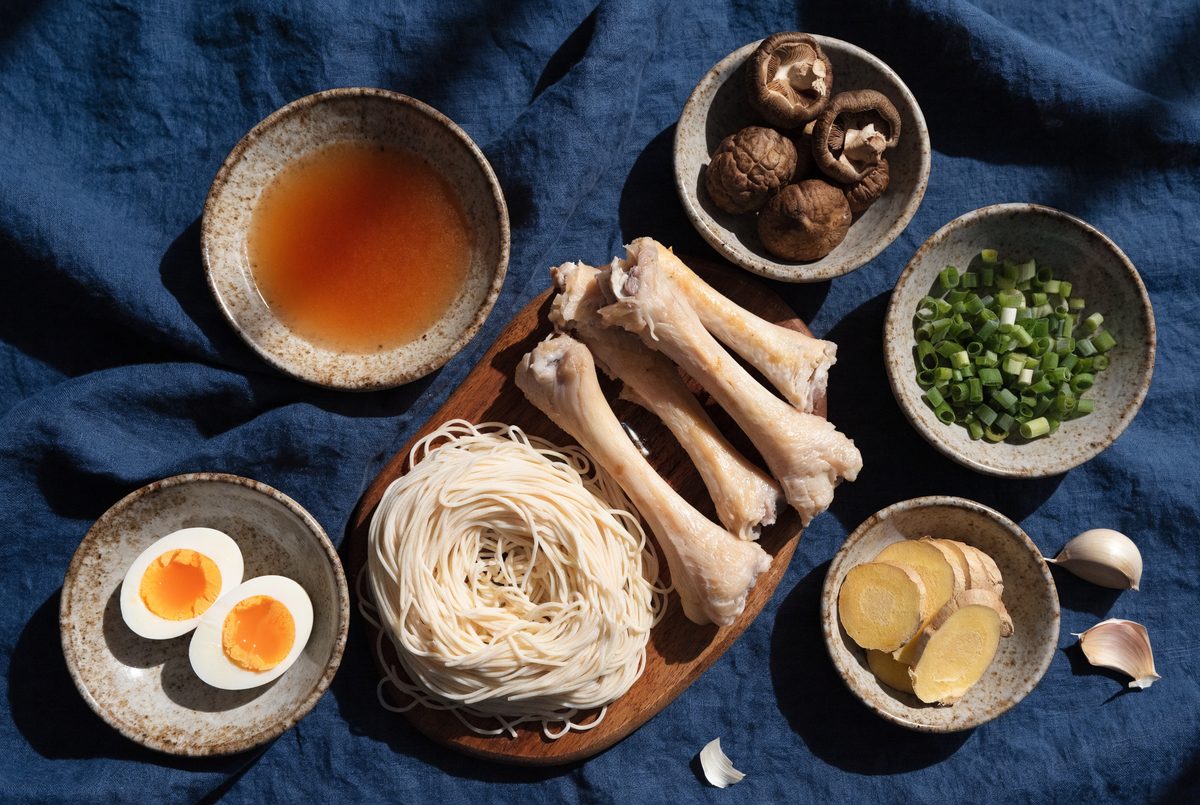
Chicken bone broth is the glycine vehicle, and reducing it slightly concentrates the gelatin. Shiitake hold their ergothioneine through cooking — the compound is notably heat-stable — so searing them costs little. Garlic, crushed and rested ten minutes before hitting the pot, maximizes allicin formation; fresh ginger supplies the gingerols. Soft-boiled eggs add complete protein and a jammy center, and scallions and nori finish the bowl.
How to make it
- Sear 200 g sliced shiitake caps in a dry, hot pan until browned and squeaky, 5–6 minutes; season and set aside.
- Simmer 1.2 litres chicken bone broth with 4 crushed-and-rested garlic cloves, a 4 cm piece of sliced ginger, and a splash of tamari for 15 minutes; strain if you want it clean.
- Lower 2 eggs into boiling water for 6.5 minutes, then shock in ice water and peel — the yolks should still be jammy.
- Cook 2 portions of ramen noodles in separate water, then divide between deep bowls.
- Ladle the hot broth over the noodles and top with the shiitake, halved eggs, sliced scallions, and a strip of nori.
- Finish with sesame or chile oil if you like; taste the broth first — bone broths vary in salt.
Serves two. Drink the broth to the bottom; the glycine is in the liquid, not the garnish.
18 PubMed citations
Small human trials report that about 3 g of glycine before bedtime improves subjective sleep quality and reduces…
16 PubMed citations
In small clinical trials, mostly pilot and open-label studies plus one randomized placebo-controlled trial of 24 older…
16 PubMed citations
In humans, blood ergothioneine levels tend to fall with age, particularly after 60, and multiple observational and…
The research behind this recipe
Primary sources for the claims above. Effects reported in these papers describe the compound or the dietary pattern studied — not this specific dish.
More muscle, connective tissue & minerals recipes
 Muscle & strength
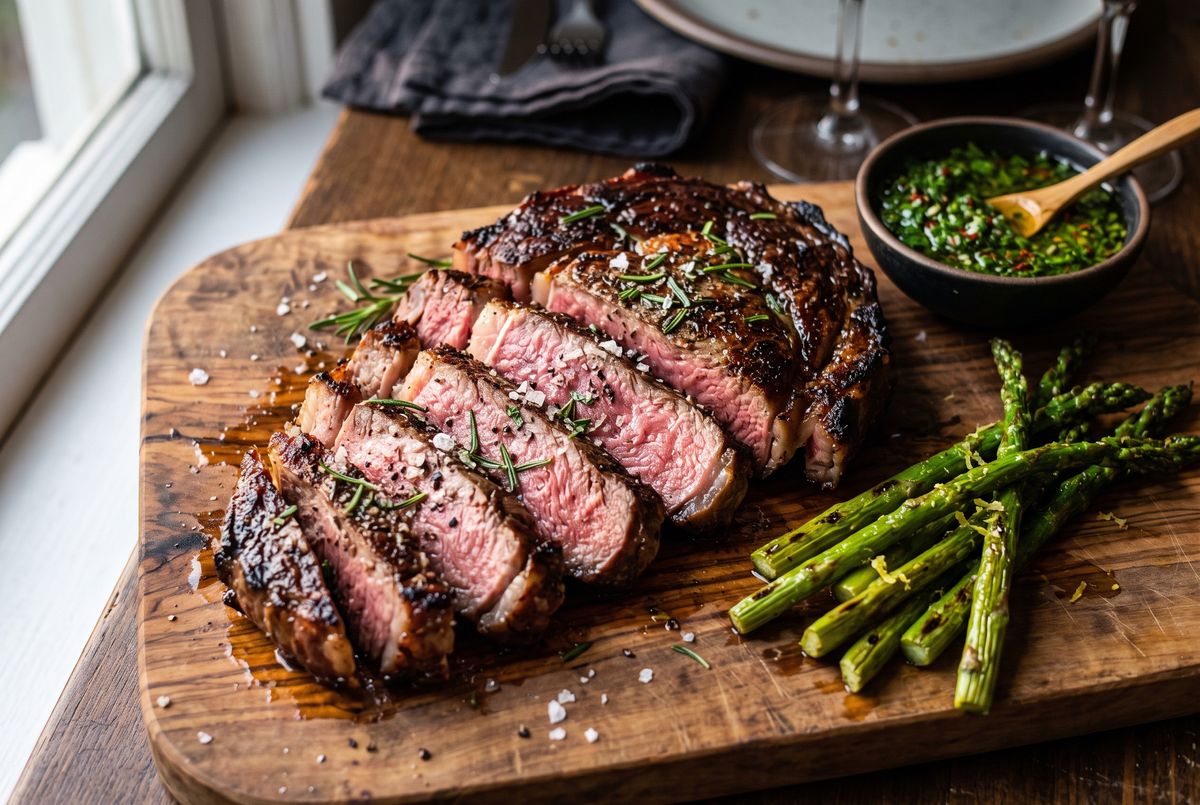
Red meat and fish are the only meaningful dietary sources of creatine — roughly a gram per pound of raw meat, and cooking costs…
 Collagen & glycine
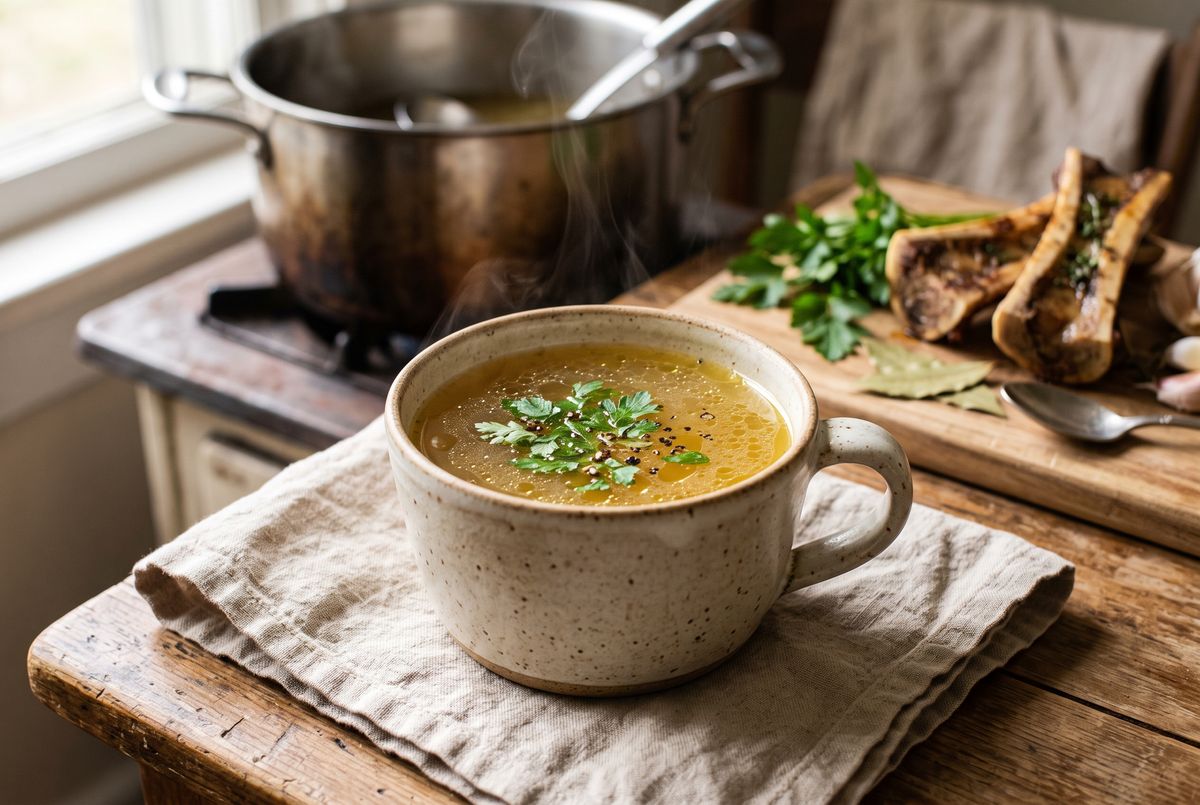
Gelatin is roughly a third glycine — the amino acid we eat least of relative to how much our connective tissue needs.
 Taurine
Shellfish are the densest food source of taurine — the amino acid whose age-related decline drew serious attention in 2023.
Keep reading
Blood pressureCollagenGlycineGlyNAC and GlutathioneThe supplement guideResearch mapPathway universe