Citrus & Berry Collagen Gelatin Cups
Grass-fed gelatin set in fresh orange juice with whole blueberries and blackberries — a dessert that doubles as a delivery vehicle for glycine, hesperidin, and anthocyanins.
- Mechanism
- Collagen & glycine
- Cited studies
- 4
Gelatin is cooked, dried collagen, and roughly a third of its amino acids are glycine — a proportion no muscle meat comes close to. A metabolic modeling paper (Journal of Biosciences, 2009) argued that human glycine synthesis falls short of what collagen turnover could ideally use, which is an interesting calculation rather than proof of a deficiency. The most direct human data are small: in a randomized crossover trial of eight athletes (The American Journal of Clinical Nutrition, 2017), 15 g of vitamin C-enriched gelatin taken an hour before jump-rope exercise roughly doubled a blood marker of collagen synthesis compared with placebo. Eight people and one biomarker — supportive of the idea, nowhere near settled.
The fruit half of these cups carries its own literature. In a randomized crossover study of healthy middle-aged men (The American Journal of Clinical Nutrition, 2011), orange juice — and hesperidin alone, at the dose the juice naturally provides — lowered diastolic blood pressure and improved measures of endothelial function. For the berries the evidence is observational: in a cohort of roughly 93,000 women followed for 18 years (Circulation, 2013), higher anthocyanin intake, mostly from blueberries and strawberries, was associated with a lower risk of heart attack. Association, not causation — but it points the same direction as the small trials, which is about as good as berry evidence currently gets.
Why this works
Grass-fed gelatin supplies glycine plus proline and hydroxyproline, the raw material of collagen; the trial above deliberately paired it with vitamin C, which the fresh orange juice and lemon juice here provide naturally, along with hesperidin from the citrus itself. Blueberries and blackberries are among the densest ordinary food sources of anthocyanins and go in whole, so their fiber and skins come along rather than being strained out. A modest spoonful of honey keeps sweetness far below commercial gelatin desserts, which is the point of making these yourself.
How to make it
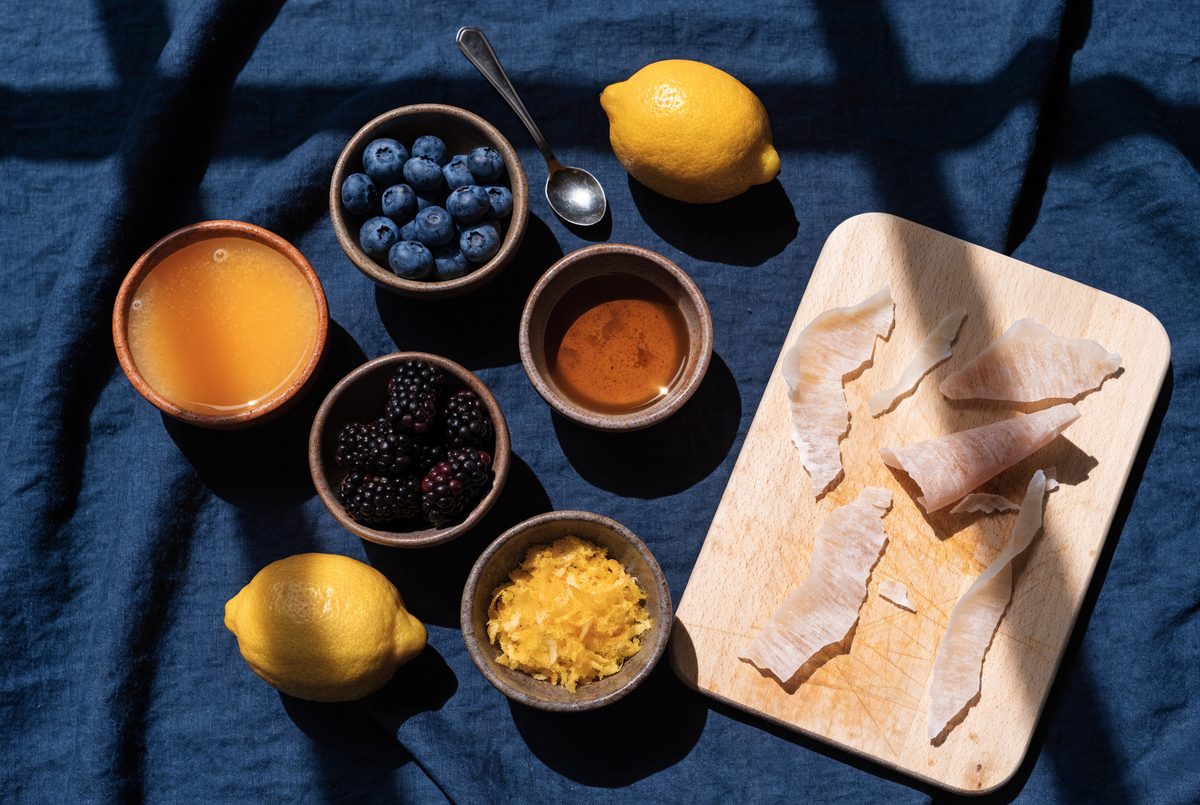
- Sprinkle 3 tablespoons of gelatin over 120 ml of cold water and let it bloom for 5 minutes.
- Warm 500 ml of freshly squeezed orange juice with 2 tablespoons of honey until steaming — not boiling, which dulls both flavor and vitamin C.
- Whisk the bloomed gelatin into the warm juice until fully dissolved, then stir in the juice of half a lemon and a teaspoon of fine zest.
- Divide a cup of blueberries and a cup of blackberries among 6 small cups or ramekins.
- Pour the citrus mixture over the berries and chill at least 4 hours, until fully set.
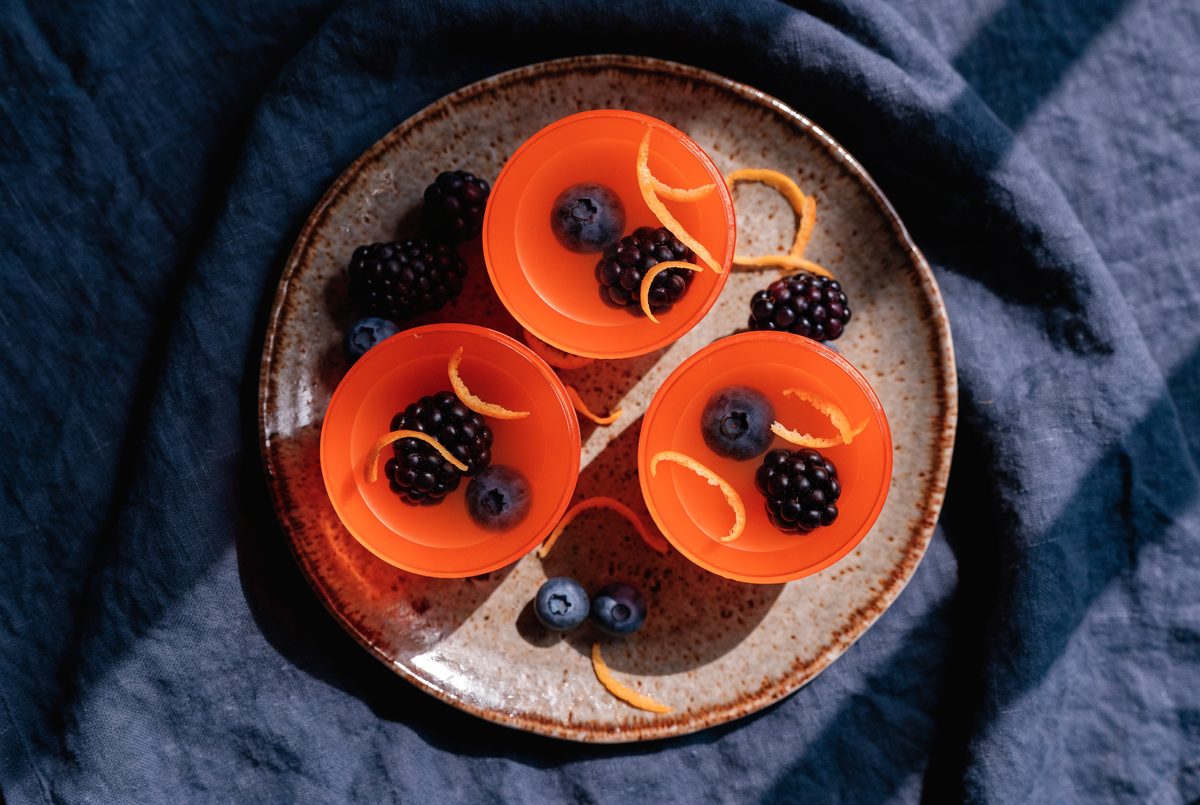
- Serve topped with a few extra berries and a curl of orange zest.
Makes 6 cups; each delivers roughly 3 g of gelatin alongside vitamin C-rich fruit — a snack-sized echo of the pairing the collagen-synthesis trial tested, not a replica of it.
18 PubMed citations
Small human trials report that about 3 g of glycine before bedtime improves subjective sleep quality and reduces…
16 PubMed citations
In small clinical trials, mostly pilot and open-label studies plus one randomized placebo-controlled trial of 24 older…
22 PubMed citations
In human trials, hesperidin or hesperidin-rich orange juice has improved endothelial function and postprandial…
The research behind this recipe
Primary sources for the claims above. Effects reported in these papers describe the compound or the dietary pattern studied — not this specific dish.
More muscle, connective tissue & minerals recipes
 Muscle & strength
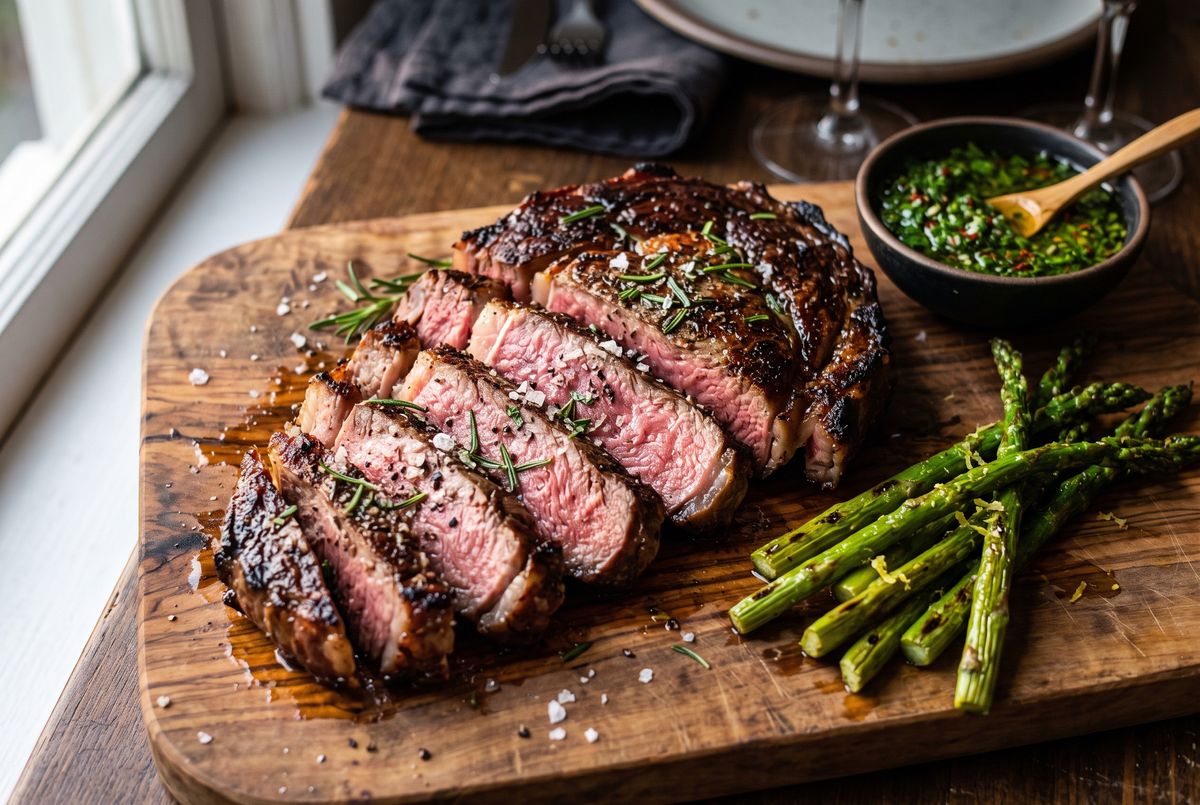
Red meat and fish are the only meaningful dietary sources of creatine — roughly a gram per pound of raw meat, and cooking costs…
 Collagen & glycine
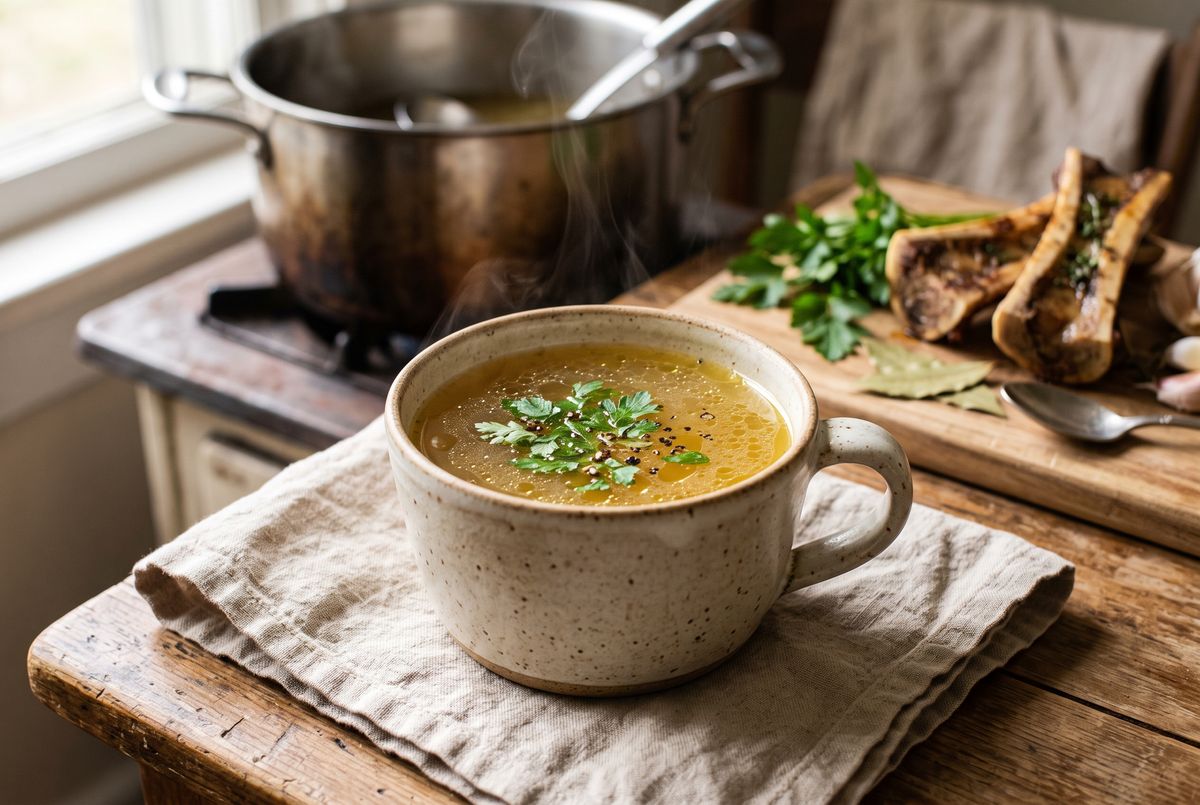
Gelatin is roughly a third glycine — the amino acid we eat least of relative to how much our connective tissue needs.
 Taurine
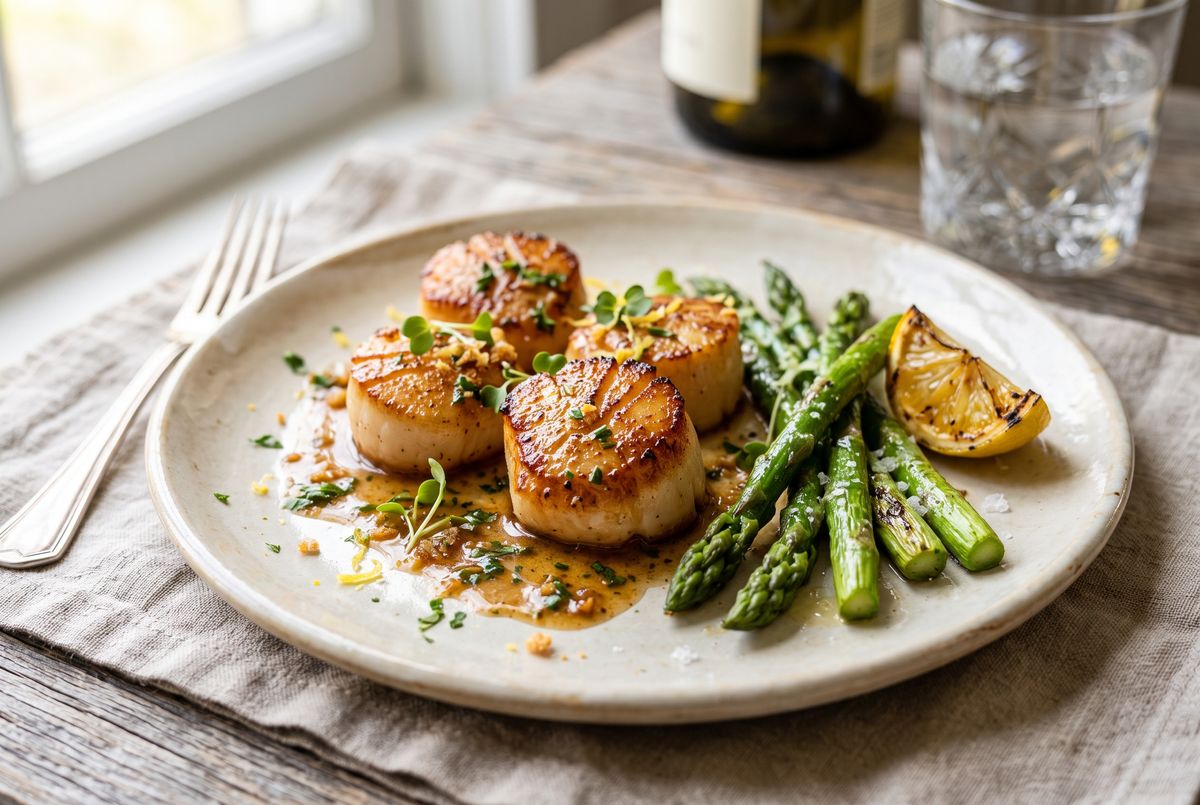
Shellfish are the densest food source of taurine — the amino acid whose age-related decline drew serious attention in 2023.
Keep reading
Blood pressureThe endotheliumCollagenGlycineGlyNAC and GlutathioneThe supplement guideResearch mapPathway universe