Crispy Salmon-Skin Rice Bowl
Salmon delivers the best-studied marine omega-3s, and its crisped skin adds the collagen-derived glycine most people throw away. A weeknight bowl built from the whole fillet, nothing discarded.
- Mechanism
- Collagen & glycine
- Cited studies
- 5
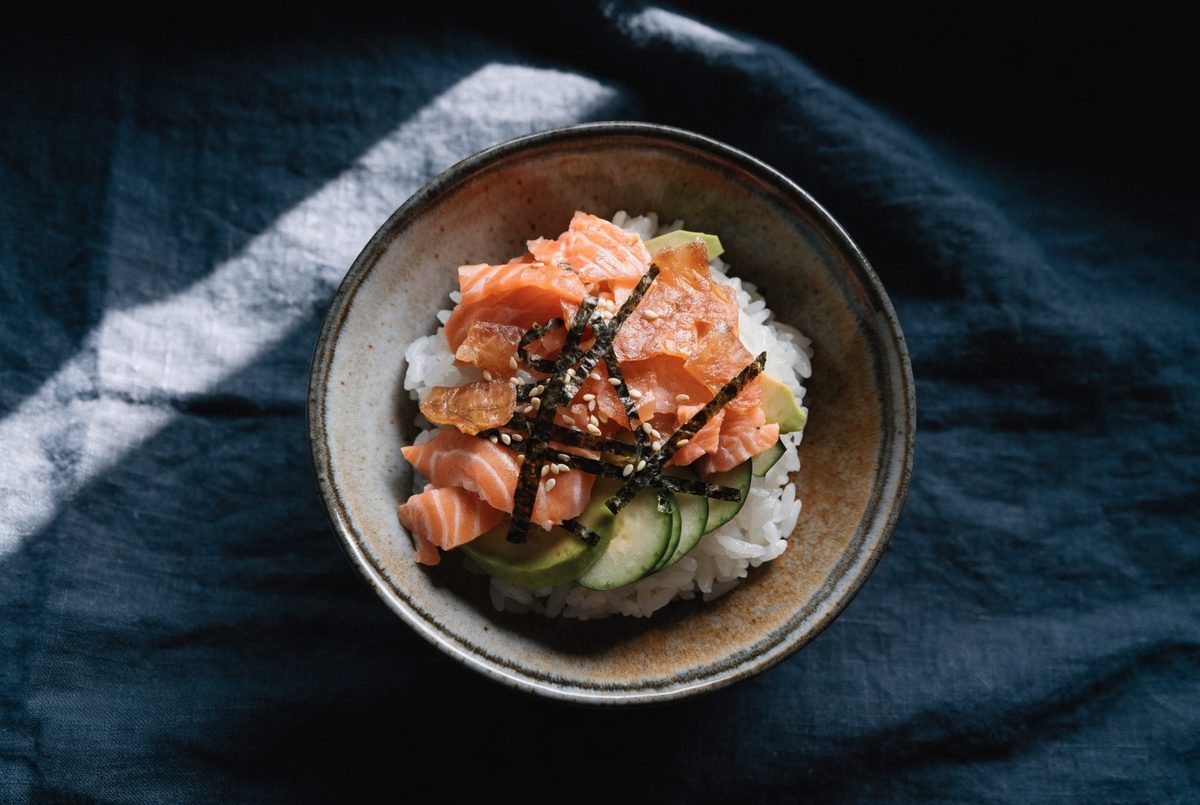
Wild salmon is the standard-bearer for EPA and DHA, and the evidence on those omega-3s is genuinely two-sided. The classic risk–benefit analysis (JAMA, 2006) tied one to two servings of oily fish per week to roughly a third lower risk of coronary death in pooled observational data, and judged fish's benefits to outweigh its contaminant risks. The VITAL randomized trial (New England Journal of Medicine, 2019) then found that 1 g per day of supplemental omega-3s did not significantly reduce major cardiovascular events overall, with a suggestive secondary signal for heart attacks. Reviews of EPA and DHA across the lifespan (Advances in Nutrition, 2012) land about where the field has: eat the fish, hold the certainty.
This bowl's twist is keeping the part most people discard. Salmon skin is largely collagen — glycine-rich connective tissue, relevant because a metabolic analysis (Journal of Biosciences, 2009) argues humans synthesize less glycine than collagen turnover ideally requires, a biochemical case still awaiting outcome trials. Crisped in its own fat, the skin turns from a chore into something closer to a chip. Salmon flesh is also a respectable source of choline, a nutrient the majority of adults under-consume relative to adequate-intake levels (Nutrition Reviews, 2009), alongside B12 and selenium.
Why this works
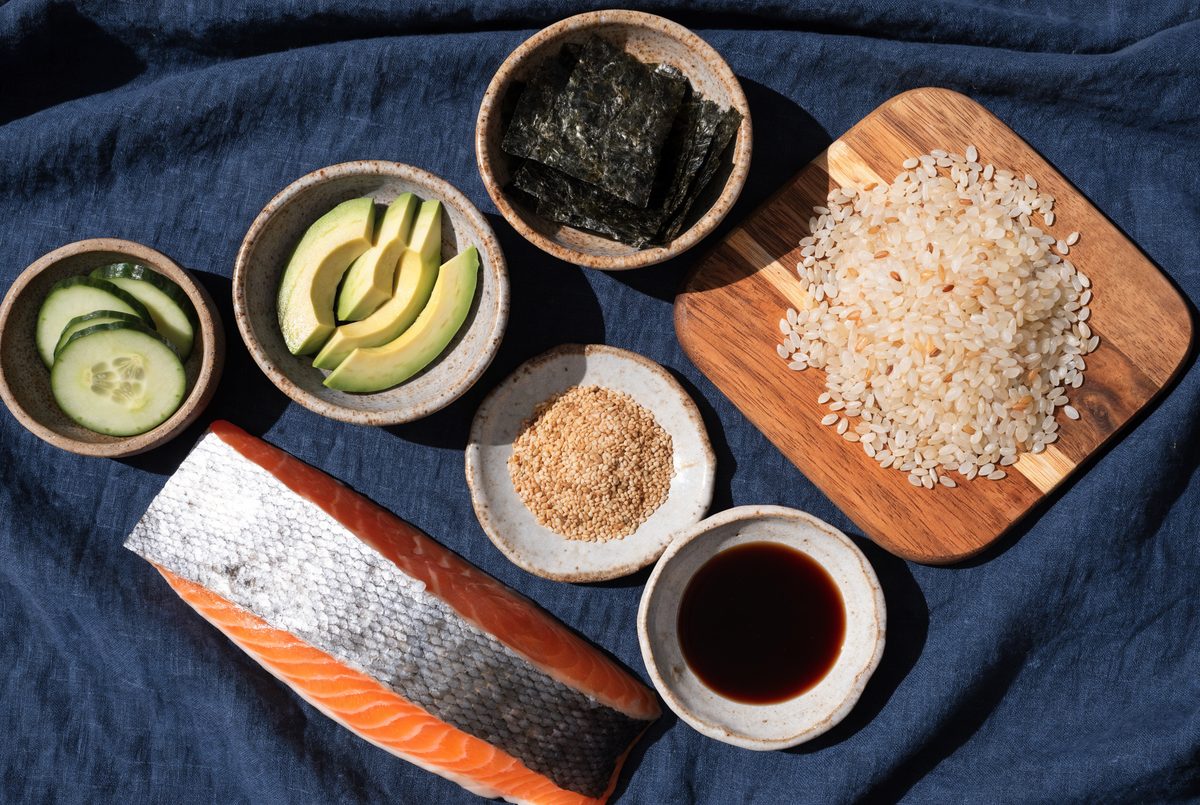
Skin-on wild salmon covers three targets at once: EPA and DHA in the flesh, glycine-rich collagen in the skin, and choline in both. Short-grain rice is the neutral base; a splash of rice vinegar makes it taste intentional. Avocado adds potassium and monounsaturated fat, cucumber adds crunch, nori brings iodine, and toasted sesame seeds with tamari finish it in the Japanese register the dish belongs to.
How to make it
- Cook 300 g short-grain rice; while it steams, season with a tablespoon of rice vinegar and a pinch of salt.
- Pat two skin-on salmon fillets very dry. Remove the skin in one sheet from each, and salt both skin and flesh.
- Lay the skins flat in a cold nonstick pan, weigh them down with a smaller pan, and crisp over medium heat until shattering, 4–6 minutes per side.
- Sear the fillets in the rendered fat, 3 minutes on the first side and 2 on the second, until just cooked through; flake into large pieces.
- Build the bowls: rice, flaked salmon, sliced avocado, and cucumber half-moons.
- Break the crisp skin into shards over the top and finish with nori strips, sesame seeds, and a drizzle of tamari.
Serves two. The skin is best within minutes of crisping — plate it last.
18 PubMed citations
Small human trials report that about 3 g of glycine before bedtime improves subjective sleep quality and reduces…
16 PubMed citations
In small clinical trials, mostly pilot and open-label studies plus one randomized placebo-controlled trial of 24 older…
22 PubMed citations
Across large randomized trials and meta-analyses, marine omega-3s reliably reduce serum triglycerides (roughly 15% at…
The research behind this recipe
Primary sources for the claims above. Effects reported in these papers describe the compound or the dietary pattern studied — not this specific dish.
More muscle, connective tissue & minerals recipes
 Muscle & strength
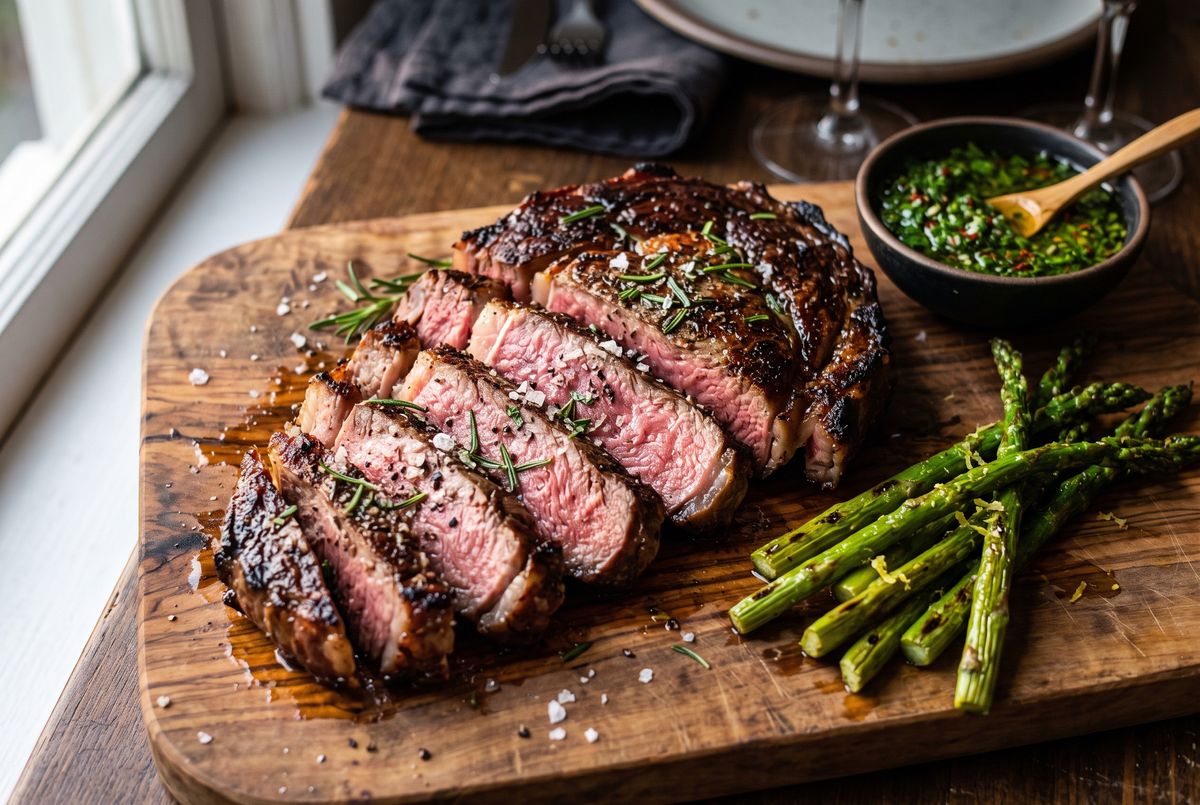
Red meat and fish are the only meaningful dietary sources of creatine — roughly a gram per pound of raw meat, and cooking costs…
 Collagen & glycine
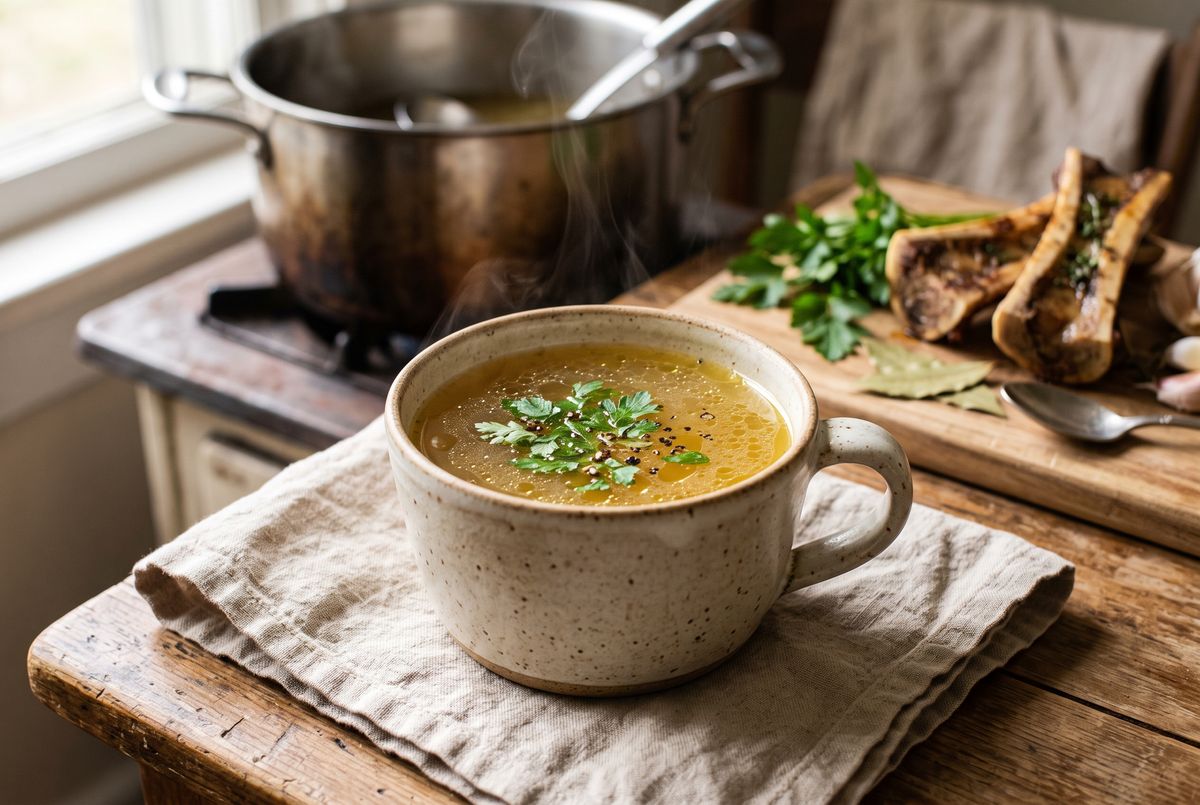
Gelatin is roughly a third glycine — the amino acid we eat least of relative to how much our connective tissue needs.
 Taurine
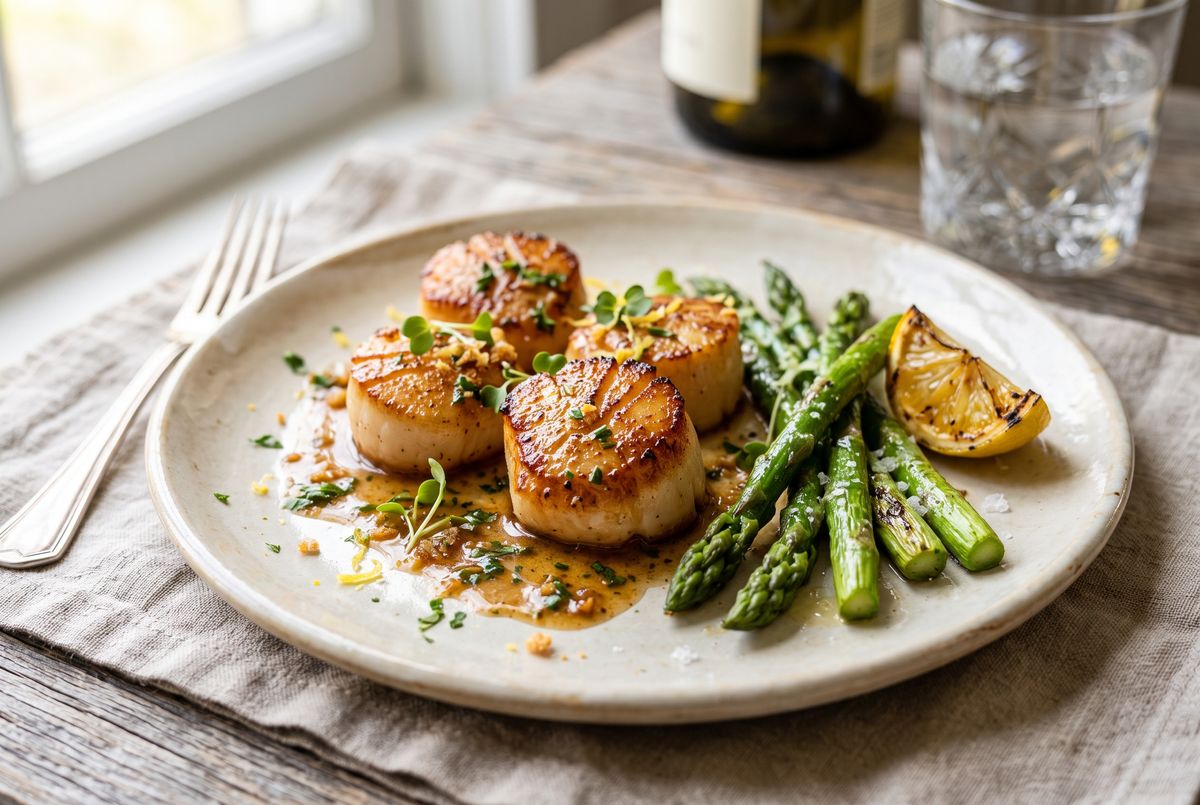
Shellfish are the densest food source of taurine — the amino acid whose age-related decline drew serious attention in 2023.
Keep reading
Omega-3CollagenGlycineOmega-3: the evidenceOmega-3 and AgingThe supplement guideResearch mapPathway universe