Jamaican Oxtail & Butter Bean Stew
Three hours of braising melt oxtail's connective tissue into glycine-rich gelatin — the amino acid one metabolic analysis argues we cannot make enough of. Butter beans and allspice make it Sunday dinner.
- Mechanism
- Collagen & glycine
- Cited studies
- 5
- Course
- Soup
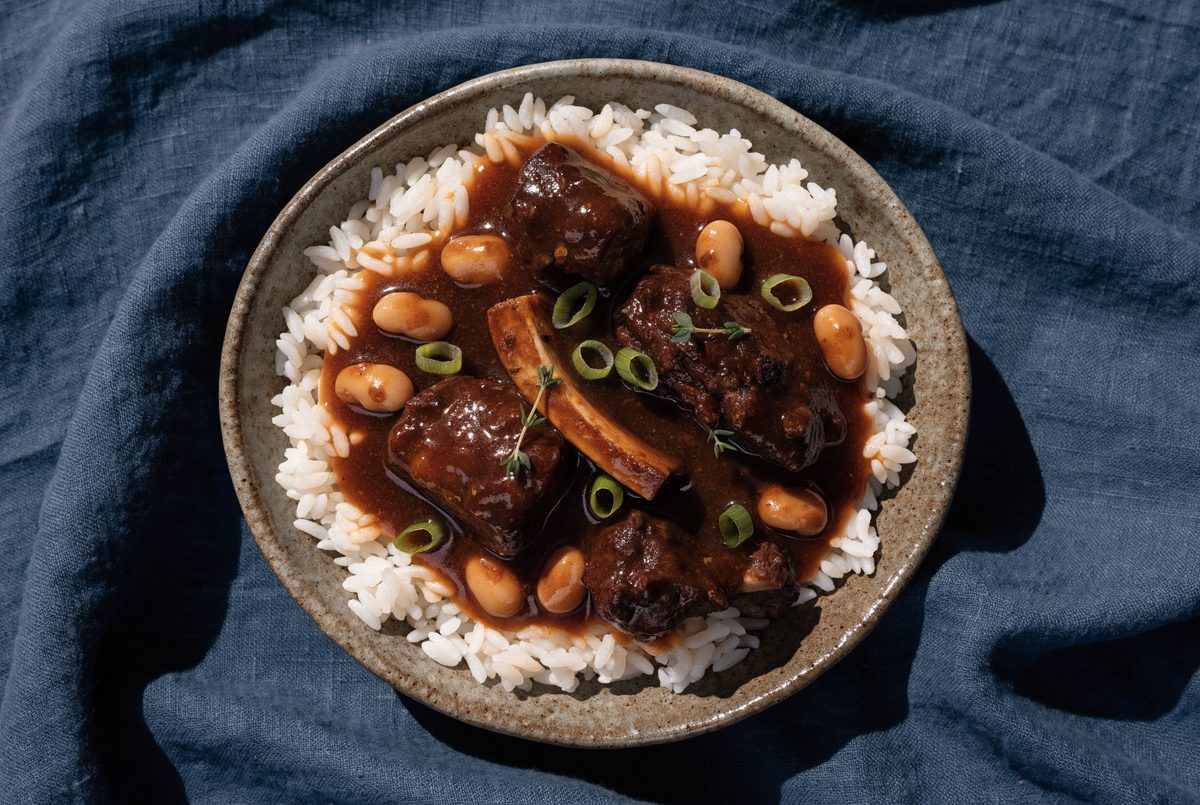
Oxtail is what happens when you braise the most collagen-dense cut on the animal for three hours: the connective tissue melts into gelatin, and gelatin is roughly one-third glycine. A metabolic modeling paper (Journal of Biosciences, 2009) has argued that humans synthesize meaningfully less glycine than optimal collagen turnover demands — a provocative biochemical case, though not an outcome trial — and a broader review (Oxidative Medicine and Cellular Longevity, 2017) catalogues glycine's record on inflammation and metabolic health, most of it preclinical. That is the honest shape of the glycine story: strong plausibility, thin randomized evidence for food doses.
The nearest human trial data come from collagen peptides, gelatin's hydrolyzed cousin: in sarcopenic older men doing twelve weeks of resistance training (British Journal of Nutrition, 2015), 15 g per day of collagen peptides improved body composition and strength beyond training alone. Oxtail also carries creatine and a solid dose of zinc, the mineral at the center of immune-cell function (Molecular Medicine, 2008), and the pot's worth of garlic connects to a meta-analysis in hypertensive adults (Journal of Nutrition, 2016) showing meaningful blood-pressure reductions — from concentrated garlic preparations, it must be said, not from stew.
Why this works
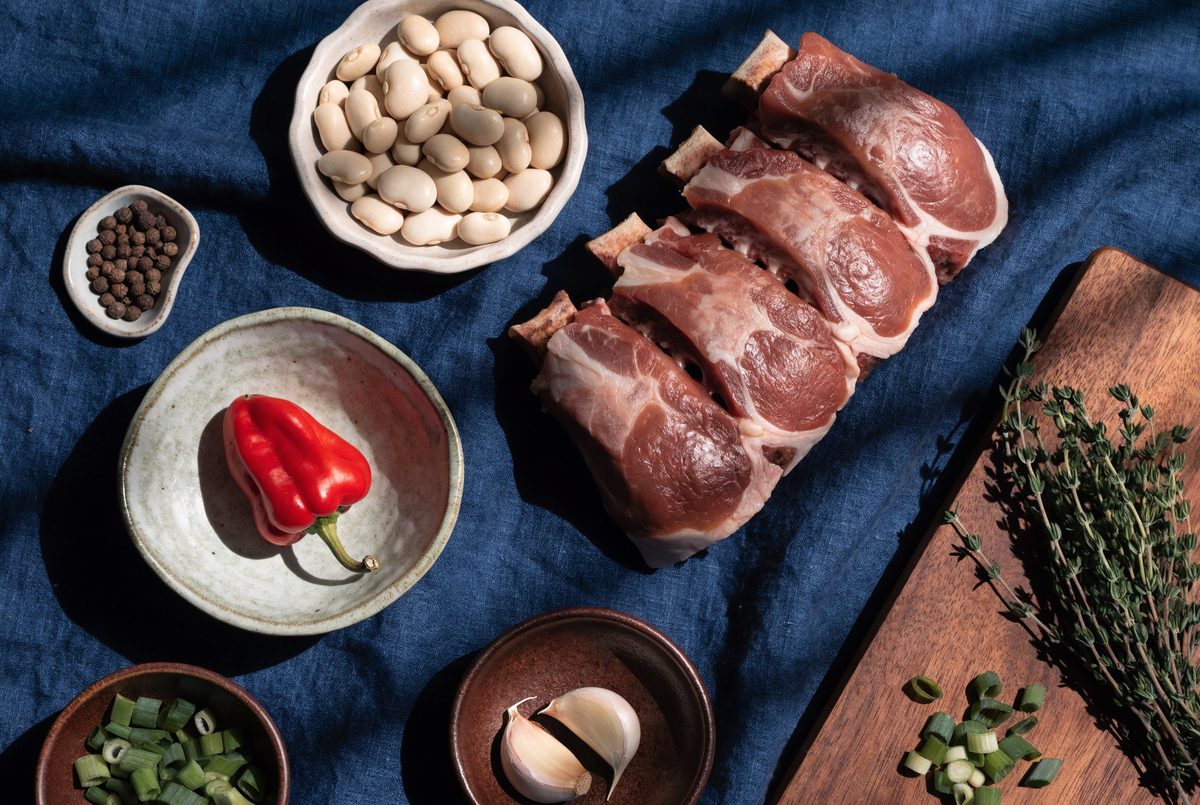
Oxtail is the glycine engine: bone, marrow, and connective tissue rendered into the gravy, plus muscle meat carrying creatine and zinc. Butter beans add fermentable fiber and potassium and soak up the braise. Allspice berries and fresh thyme are the Jamaican signature; a whole Scotch bonnet, left unbroken, perfumes without scorching. Garlic, crushed and rested ten minutes before it hits the pot, maximizes allicin formation, and scallions finish it fresh.
How to make it
- Season 1.5 kg oxtail generously with salt, pepper, and a spoon of browning or brown sugar; ideally overnight.
- Brown the pieces hard in a Dutch oven in batches, 10–12 minutes total, and set aside.
- Soften a sliced onion and the whites of 4 scallions in the drippings, then add 6 crushed-and-rested garlic cloves, 8 allspice berries, and thyme sprigs for one fragrant minute.
- Return the oxtail with stock or water to nearly cover, drop in one whole Scotch bonnet, and braise, covered, at a bare simmer for 3 to 3.5 hours until the meat slumps off the bone.
- Skim the fat, remove the Scotch bonnet before it bursts, and stir in two drained cans of butter beans for the final 20 minutes.
- Serve over rice, scattered with sliced scallion greens and thyme.
Serves five. The gravy sets to jelly in the fridge — that wobble is the gelatin you cooked for.
18 PubMed citations
Small human trials report that about 3 g of glycine before bedtime improves subjective sleep quality and reduces…
16 PubMed citations
In small clinical trials, mostly pilot and open-label studies plus one randomized placebo-controlled trial of 24 older…
23 PubMed citations
Across meta-analyses and randomized trials, creatine monohydrate combined with resistance training modestly increases…
The research behind this recipe
Primary sources for the claims above. Effects reported in these papers describe the compound or the dietary pattern studied — not this specific dish.
More muscle, connective tissue & minerals recipes
 Muscle & strength
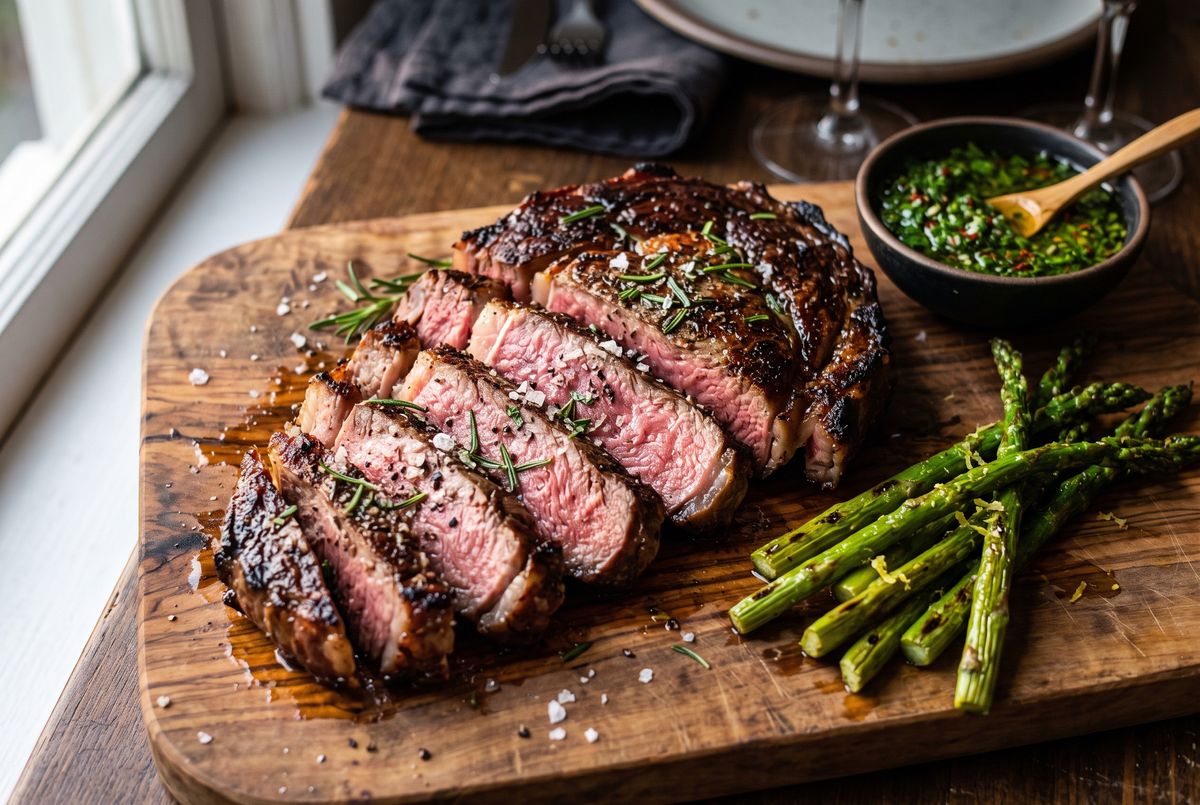
Red meat and fish are the only meaningful dietary sources of creatine — roughly a gram per pound of raw meat, and cooking costs…
 Collagen & glycine
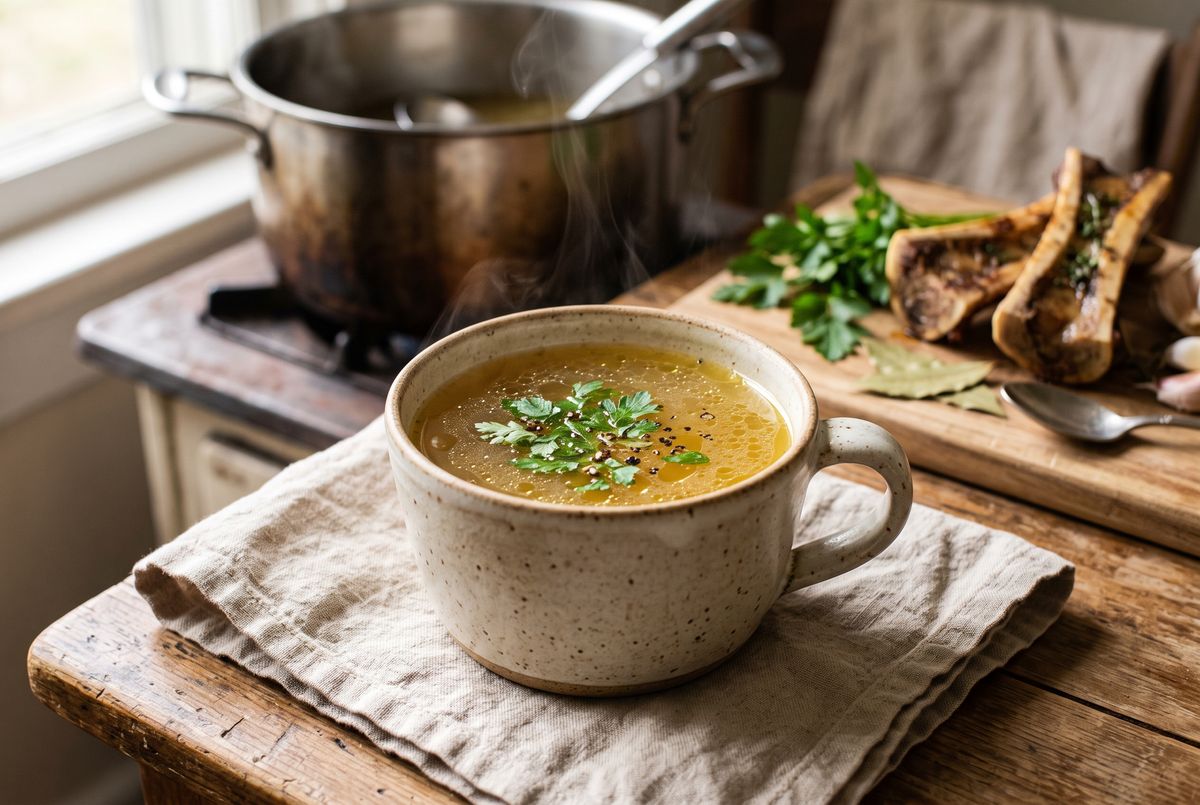
Gelatin is roughly a third glycine — the amino acid we eat least of relative to how much our connective tissue needs.
 Taurine
Shellfish are the densest food source of taurine — the amino acid whose age-related decline drew serious attention in 2023.
Keep reading
CreatineCollagenGlycineDietary fiberCreatine: the evidenceCreatine for Healthy AgingThe supplement guideResearch mapPathway universe