Olive Oil & Tomato Bruschetta
The peppery bite at the back of a good extra-virgin olive oil is the polyphenol content announcing itself — and this is the dish that shows it off.
- Mechanism
- Polyphenols
- Yield
- serves 4
- Ingredients
- 6
- Steps
- 4
- Cited studies
- 2
- Course
- Appetizer
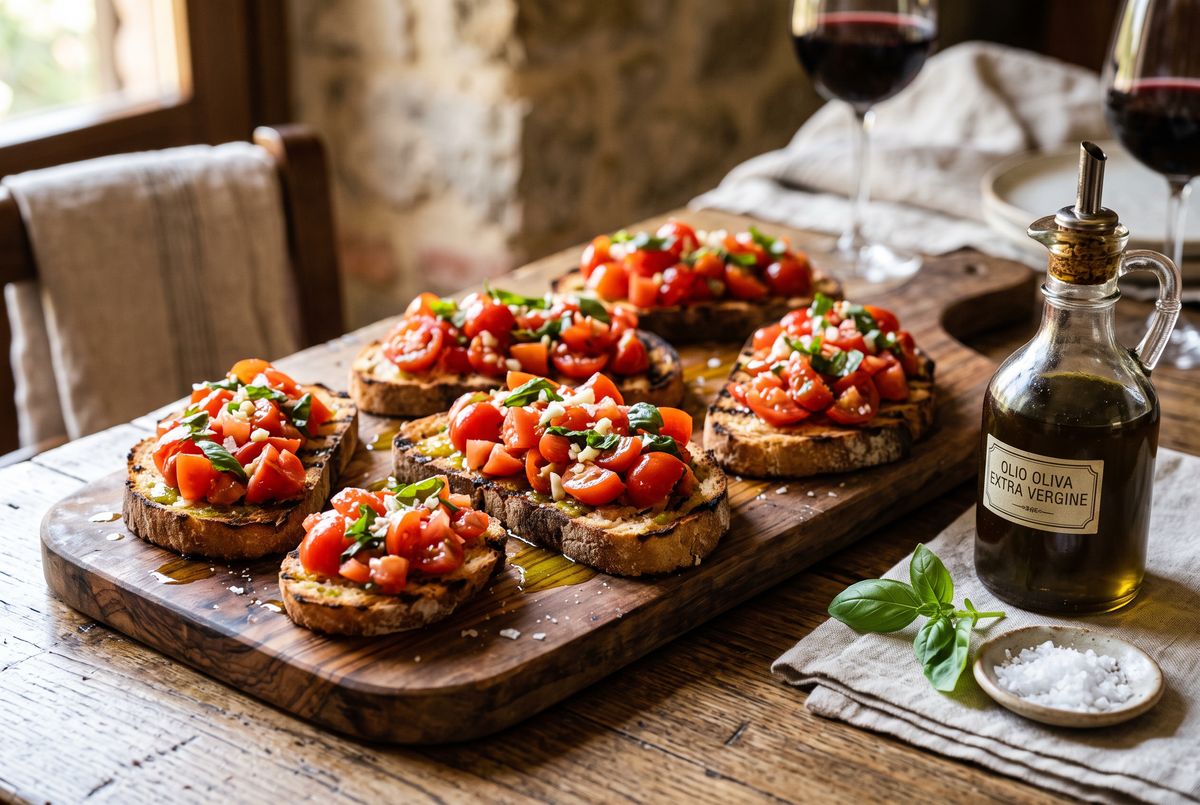
The peppery catch at the back of your throat from a good extra-virgin olive oil is its polyphenol content making itself known. Those compounds are part of why Mediterranean-style eating has held up under study: a PREDIMED substudy found that polyphenol intake from a Mediterranean diet lowered inflammatory markers related to atherosclerosis (British Journal of Clinical Pharmacology, 2017), and the Spanish cohort within EPIC reported lower mortality among closer followers of the pattern (British Journal of Nutrition, 2011). Those are findings about a whole way of eating, not proof that one dish does the work.
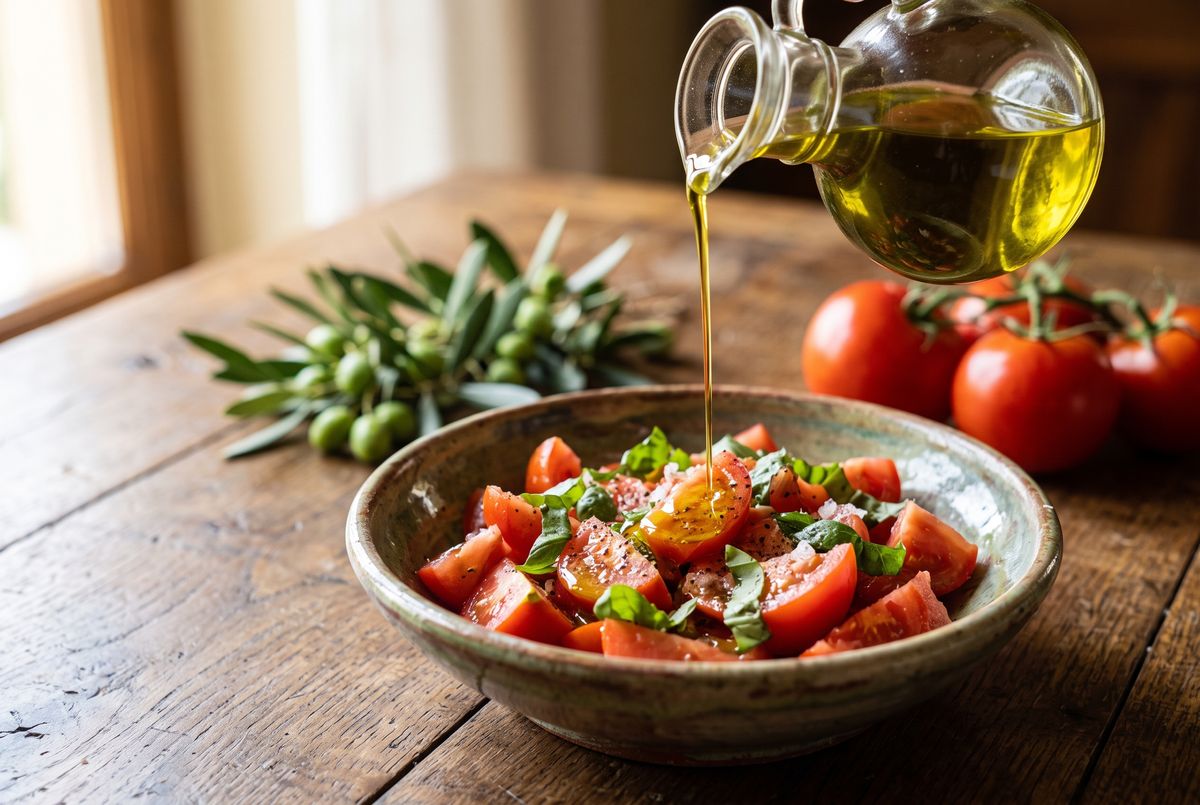
The practical limit is that these polyphenols do not survive heat or long storage well, so the most useful thing you can do with a good bottle is pour it over food cold and fresh. Bruschetta is close to the ideal vehicle: raw tomatoes, charred bread, and oil that never sees the pan.
Why this works
Every step here protects the oil. The tomatoes are drained in a sieve first, because tomato water would thin the oil and soak the toast; those ten minutes are what keep the bread crisp under a generous pour. The bread is charred rather than fried, so the heat stays in the bread and out of the oil. Rubbing the cut garlic across the hot surface leaves a trace of raw garlic without cooking it, and the basil is torn and added off the heat for the same reason. The oil goes on last, at room temperature, in a quantity you would never use for cooking.
Ingredients · serves 4
- 1 lb ripe tomatoes, diced and drained briefly
- 4 thick slices sourdough or country bread
- 1 clove garlic, halved
- A large handful of fresh basil, torn
- 3 tbsp best-quality extra-virgin olive oil
- Black pepper, a few flakes of sea salt
Method
- Dice the tomatoes, put them in a sieve for 10 minutes, and discard the watery liquid — this is what keeps the toast crisp.
- Grill or toast the bread until well charred at the edges.
- Rub each hot slice with the cut side of the garlic clove.
- Pile on the tomatoes, add the basil, then pour the olive oil over generously and finish with pepper.
Getting the most from it
Shop for olive oil the way you would for something perishable: dark glass or a tin, a harvest date on the label, and a taste that bites a little at the back of the throat. Store it in a cupboard, not beside the stove, and finish it within a few months of opening — light and heat take the polyphenols first. Keep a cheaper oil for the pan, and treat this as a habit layered on top of medical care, not a substitute for it.
Nutrition Facts
Calculated for one serving from USDA FoodData Central values for the ingredients above. An estimate, not a lab analysis.
How this was calculated. Each ingredient was converted to grams, matched to a food in USDA FoodData Central (SR Legacy, April 2018), summed, and divided by 4 servings. Cooking losses, draining and the real size of a handful all move these numbers, so treat them as a good estimate rather than a measurement. Added sugars count honey, maple syrup and table sugar only; sugar from whole fruit is not an added sugar.
- Tomatoes, red, ripe, raw, year round average
- Bread, french or vienna, toasted (includes sourdough)
- Garlic, raw
- Basil, fresh
- Oil, olive, salad or cooking
19 PubMed citations
In human trials, standardized olive leaf extract has most consistently produced modest reductions in systolic and…
21 PubMed citations
Randomized trials and meta-analyses indicate that grape seed extract can modestly lower blood pressure — pooled…
21 PubMed citations
The best human evidence concerns eye health in aging: in the landmark AREDS2 randomized trial, adding…
The research behind this recipe
Primary sources for the claims above. Effects reported in these papers describe the compound or the dietary pattern studied — not this specific dish.
More antioxidant defence & polyphenols recipes
 Nrf2 pathway
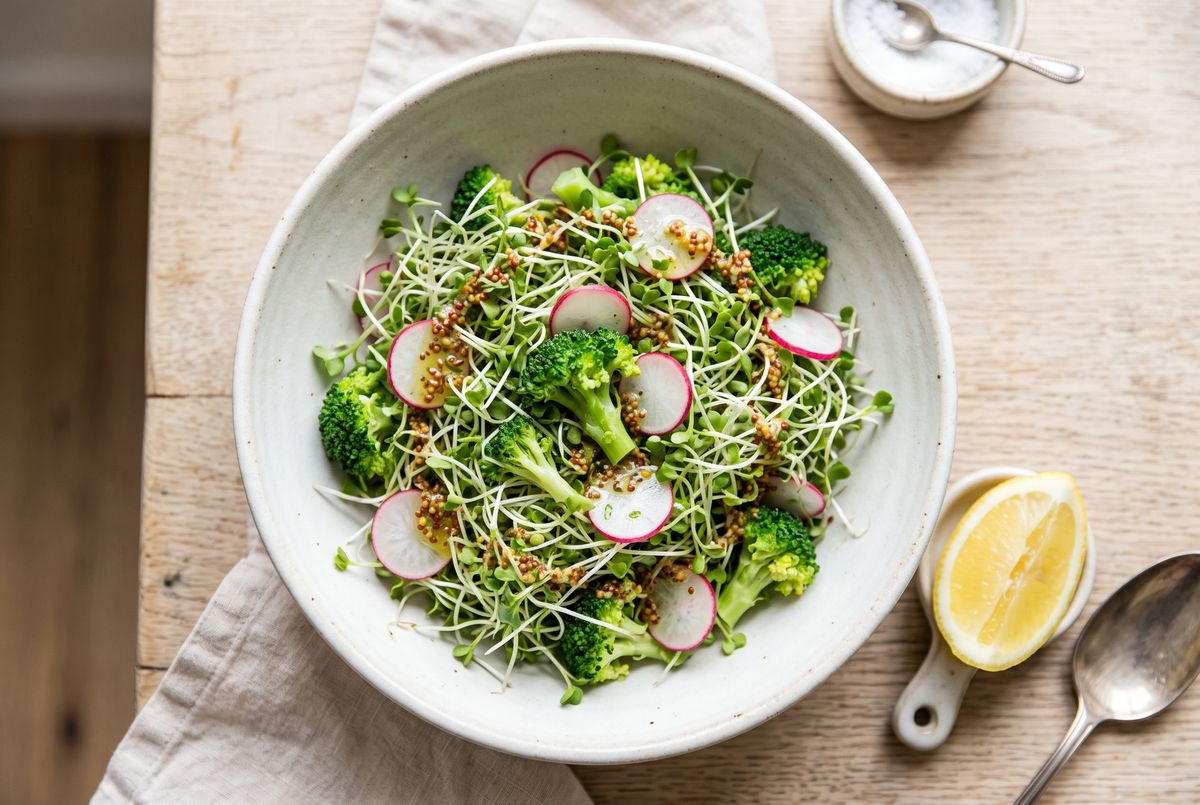
Broccoli sprouts carry many times the sulforaphane precursor of mature broccoli — and a little mustard restores the enzyme that…
 Mushrooms
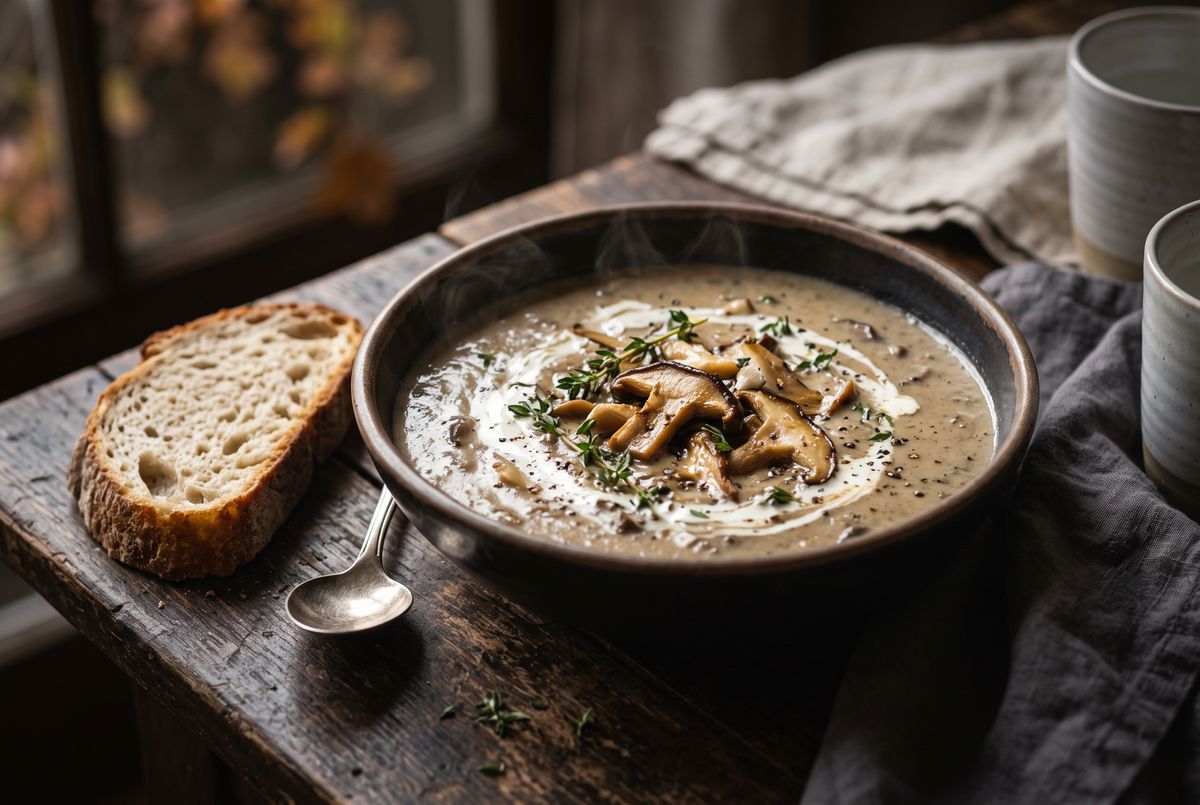
Mushrooms are effectively the only meaningful dietary source of ergothioneine, an amino acid your body has a dedicated…
 Nrf2 pathway
Charred broccoli for flavor, raw broccoli sprouts for working myrosinase: this bowl splits the sulforaphane job in two, layered…