Mushroom, Pea & Lemon Orzo with Wheat Germ
Cremini mushrooms bring ergothioneine, while wheat germ and peas bring spermidine — three ingredients with cohort data behind them, folded into a lemony, Parmesan-finished weeknight orzo.
- Mechanism
- Autophagy
- Cited studies
- 5
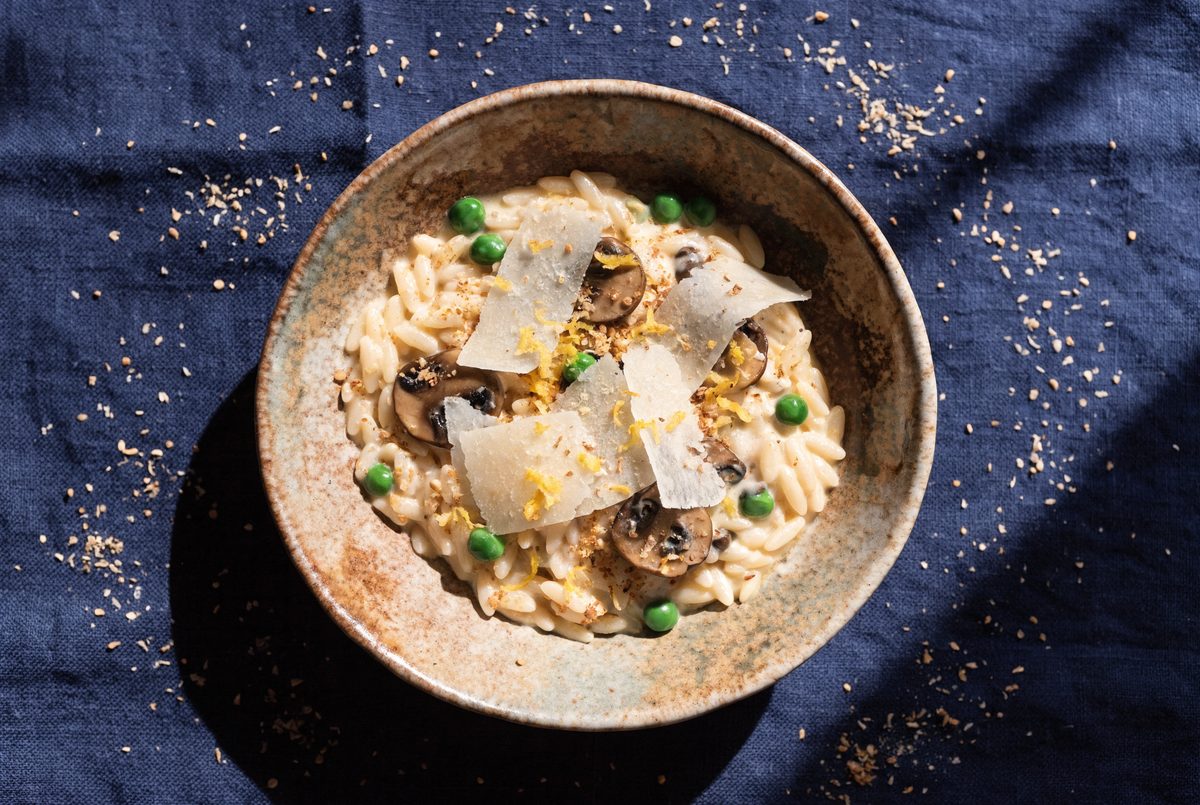
Cremini mushrooms are the everyday source of ergothioneine, an unusual sulfur-containing amino acid that humans absorb through a transporter that appears dedicated to it — a hint, though not proof, that the body has a use for the stuff. In a Swedish cohort of more than 3,200 adults, higher plasma ergothioneine was associated with lower cardiovascular disease and lower overall mortality over roughly two decades of follow-up (Heart, 2020). In a Singapore study of older adults, eating more than two portions of mushrooms a week went with about half the odds of mild cognitive impairment (Journal of Alzheimer's Disease, 2019) — a cross-sectional finding that cannot say whether the mushrooms or the sharper cognition came first.
The second thread is spermidine. Wheat germ, mushrooms and green peas all sit on the short list of spermidine-dense foods; the polyamine extends lifespan in yeast, worms and flies by inducing autophagy (Nature Cell Biology, 2009), and higher dietary intake tracked with lower all-cause mortality across 20 years of the Bruneck cohort (The American Journal of Clinical Nutrition, 2018). Add the whole-grain case — higher fiber intake was associated with 15–30% reductions in all-cause and cardiovascular mortality in a major evidence review (The Lancet, 2019) — and a weeknight orzo ends up surprisingly well-referenced. None of it, obviously, has been tested as a pasta dish.
Why this works
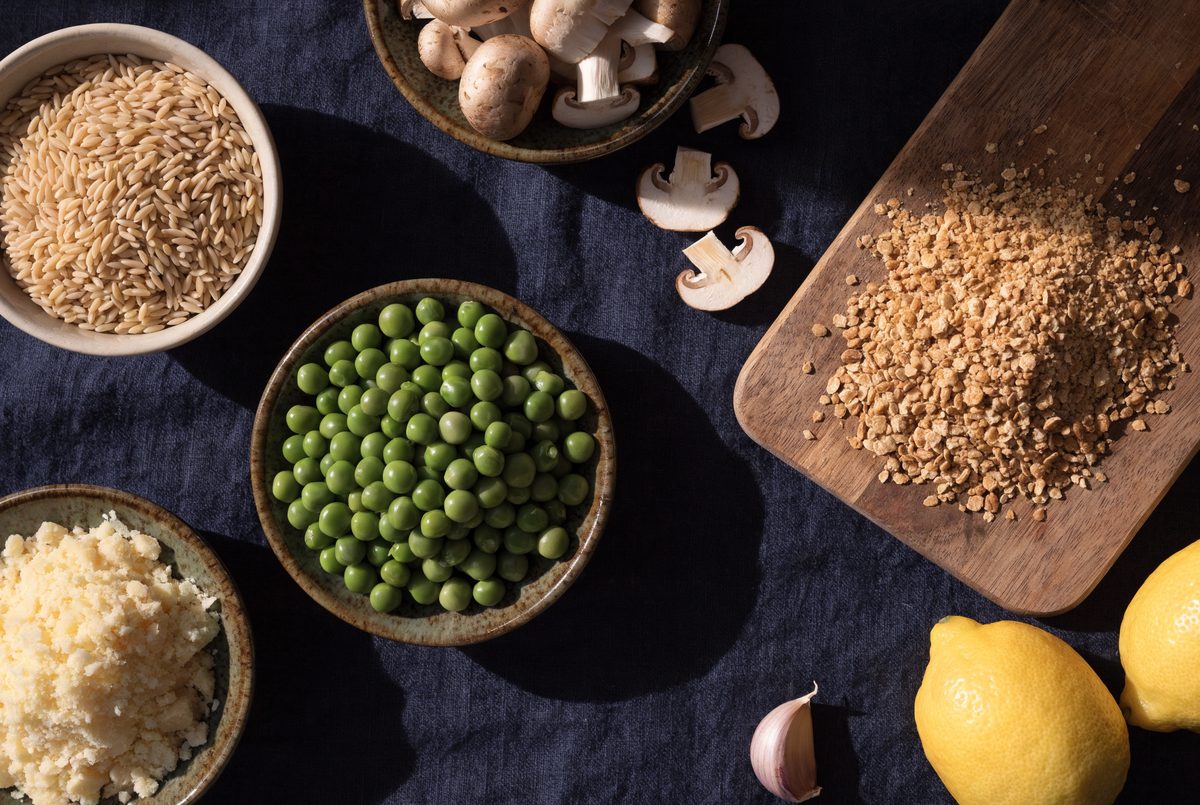
Cremini mushrooms deliver ergothioneine, which is relatively heat-stable, so a hard sauté costs little; browning them properly also builds most of the dish's flavor. Toasted wheat germ is the most concentrated common source of spermidine and gets stirred in at the end like seasoned breadcrumbs, keeping its nuttiness intact. Green peas add their own spermidine plus fiber and protein; whole-wheat orzo carries the fermentable-fiber load; Parmesan, an aged cheese, contributes a small spermidine bonus along with the savory depth; and lemon and garlic keep it tasting like dinner rather than a delivery mechanism.
How to make it
- Toast 4 tablespoons wheat germ in a dry skillet over medium heat until fragrant, 2–3 minutes; set aside.
- Sauté 250 g sliced cremini mushrooms in olive oil over high heat until deeply browned, about 8 minutes; season, then add 2 minced garlic cloves for the last minute.
- Boil 250 g whole-wheat orzo in salted water until just shy of tender; reserve a cup of the cooking water and drain.
- Return the orzo to the pot with the mushrooms, 1 cup thawed peas and a splash of cooking water; stir over low heat until glossy.
- Off the heat, fold in 40 g grated Parmesan, the zest of 1 lemon and juice of half, loosening with more pasta water as needed.
- Serve dusted generously with the toasted wheat germ, extra Parmesan and black pepper.
Serves 3 as a main. Leftovers stiffen; revive them with hot water and a fresh squeeze of lemon rather than more oil.
22 PubMed citations
In model organisms (yeast, worms, flies and mice) spermidine induces autophagy and extends lifespan, and in rodents it…
16 PubMed citations
In humans, blood ergothioneine levels tend to fall with age, particularly after 60, and multiple observational and…
21 PubMed citations
Randomized trials and meta-analyses indicate that inulin-type fructans reliably increase stool frequency and improve…
The research behind this recipe
Primary sources for the claims above. Effects reported in these papers describe the compound or the dietary pattern studied — not this specific dish.
More cellular housekeeping: autophagy, mitophagy & senescent cells recipes
 Autophagy
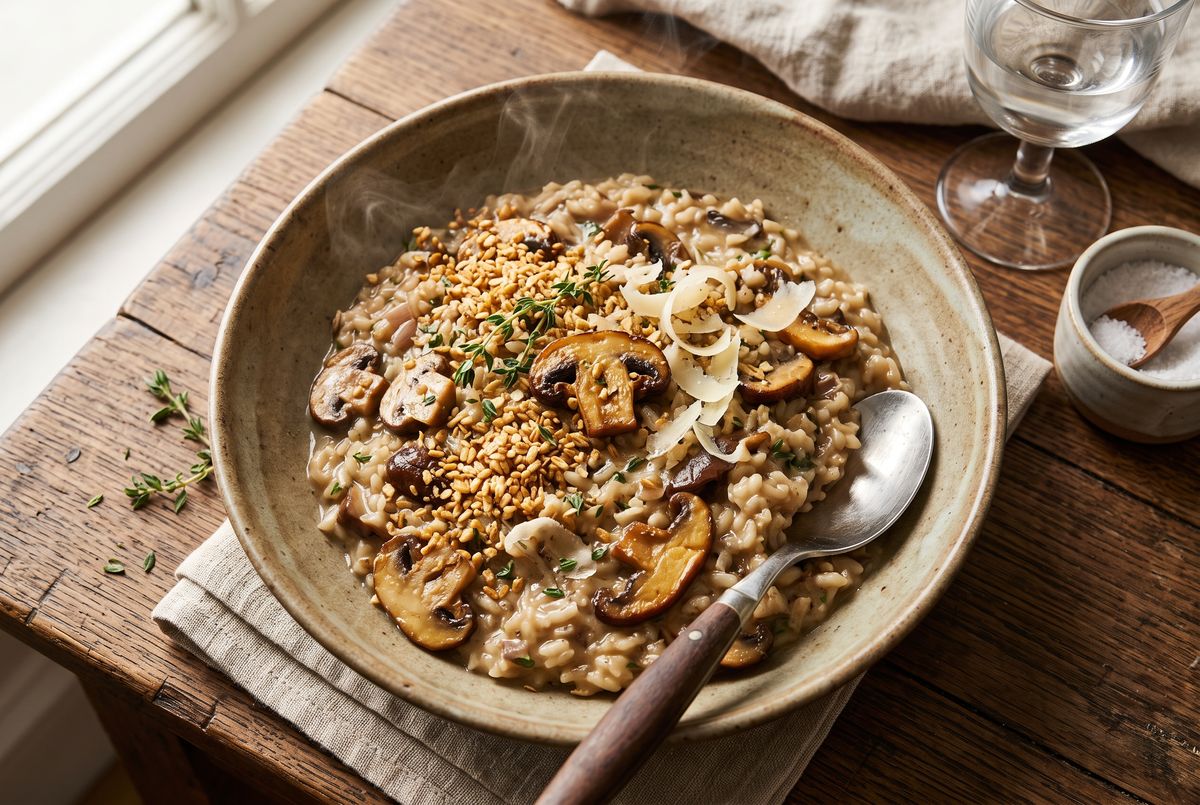
Wheat germ is the densest common food source of spermidine, the polyamine tied to autophagy — and it toasts into risotto like a…
 Mitophagy
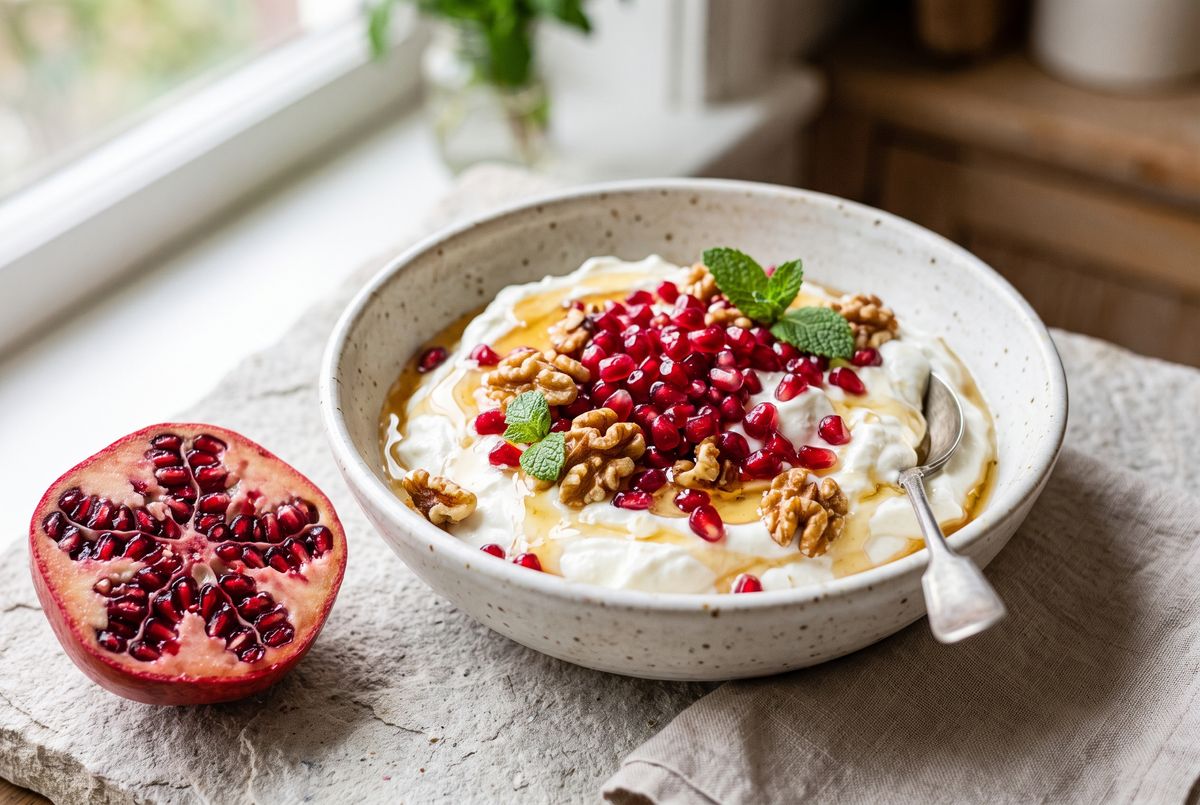
You cannot eat urolithin A directly — your gut bacteria make it from the ellagitannins in pomegranate and walnuts, and only some…
 Senolytics
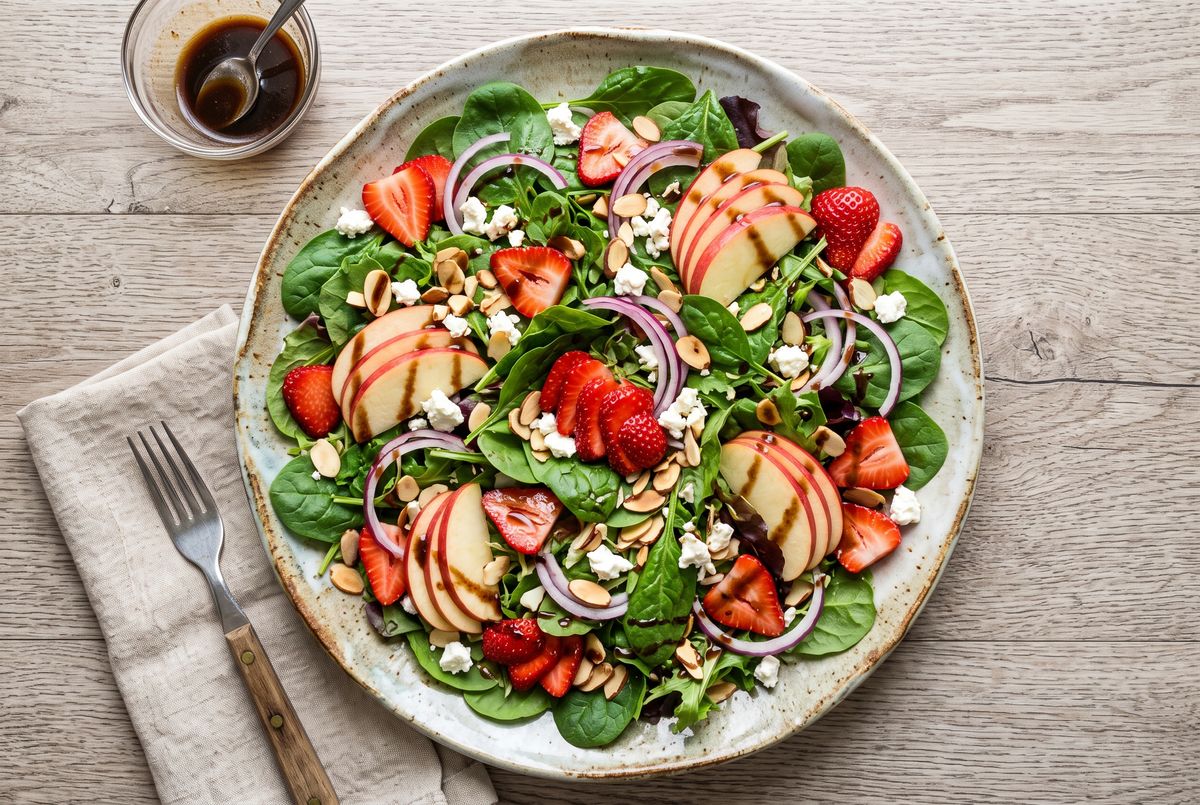
Strawberries are the leading dietary source of fisetin, the flavonoid at the center of senolytic research — though food amounts…
Keep reading
AutophagySpermidineInulinDietary fiberSpermidine: the evidenceCan Spermidine Supplements Like Purovitalis…The supplement guideResearch mapPathway universe