Greek Grilled Octopus with White Beans
Char-grilled octopus over lemony white beans: taurine from the sea, hydroxytyrosol from good olive oil, and potassium from the beans — plated the way Greek islanders have done it for generations.
- Mechanism
- Taurine
- Cited studies
- 4
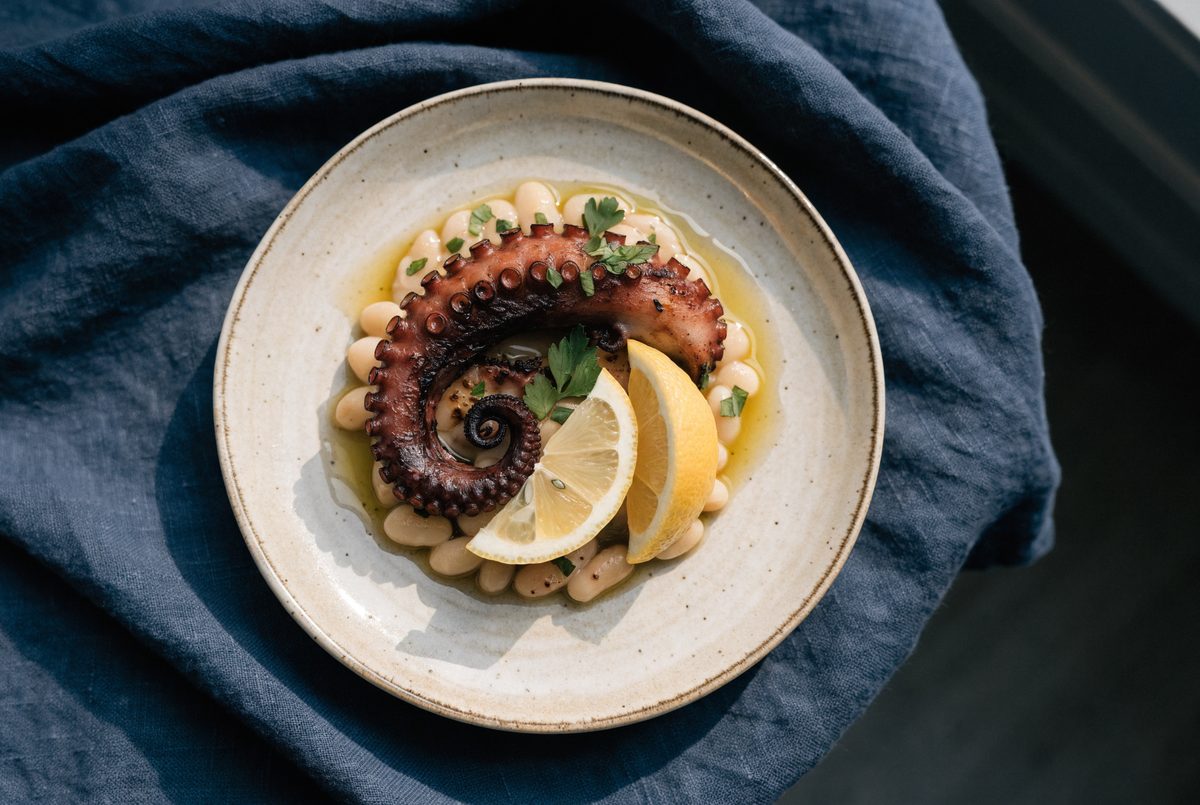
Octopus records some of the highest taurine values in food composition surveys — higher than most fish, in the same league as scallops. The reason anyone outside a Greek taverna cares is a widely covered paper (Science, 2023) showing that blood taurine declines with age across species, and that restoring it extended median lifespan in mice by 10–12% and improved bone density, muscle strength, and glucose handling in middle-aged monkeys. In humans the same paper could only show associations — lower taurine went with worse metabolic health — so a plate of octopus is best understood as a sensible way to eat, not a treatment.
Everything around the octopus here has been tested more directly. The largest Mediterranean-diet trial (The New England Journal of Medicine, 2018) — republished after a correction to its randomization, with conclusions intact — found roughly 30% fewer major cardiovascular events among people assigned a Mediterranean pattern supplemented with extra-virgin olive oil. And in a randomized crossover trial of 200 men (Annals of Internal Medicine, 2006), higher-polyphenol olive oil raised HDL and lowered markers of oxidized LDL compared with refined oil — hydroxytyrosol and its relatives are the polyphenols credited. Neither trial isolates octopus; both endorse the plate it sits on.
Why this works
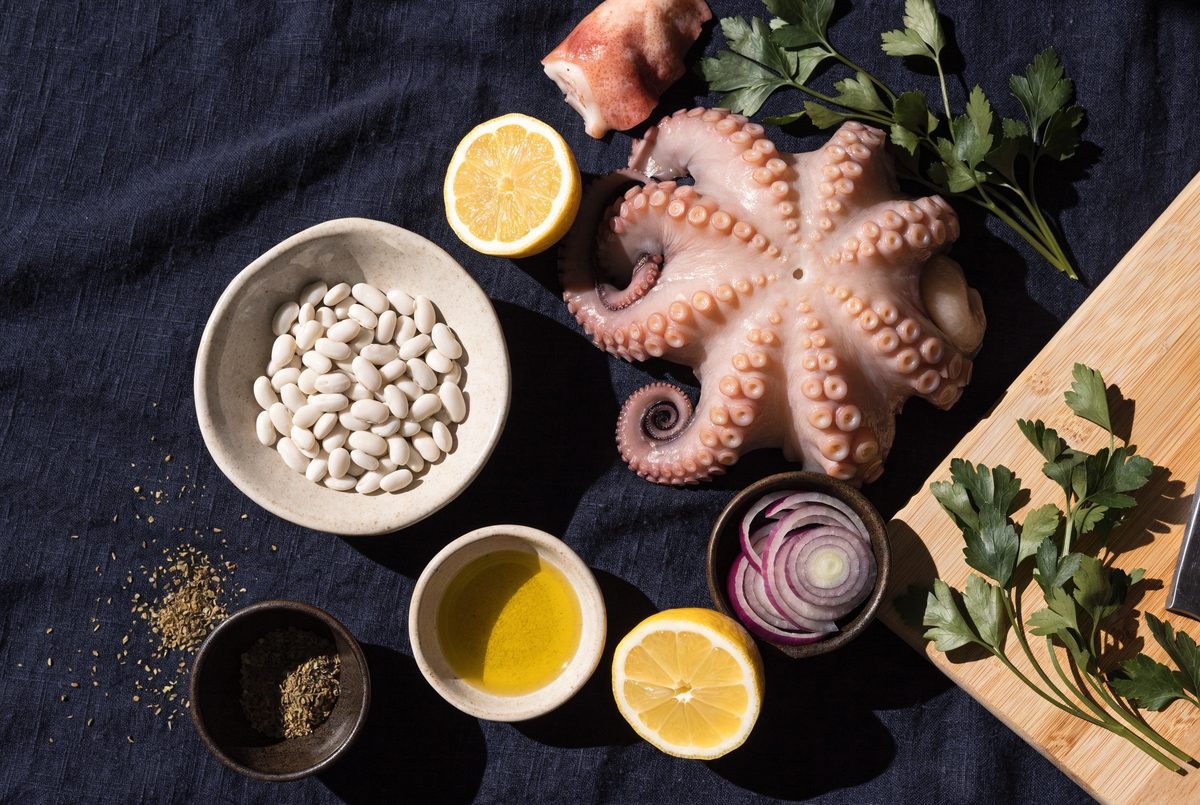
Octopus is lean protein dense in taurine and B12. White beans are one of the best potassium foods per serving; a large systematic review (BMJ, 2013) linked higher potassium intake to lower blood pressure and a 24% lower stroke risk. Extra-virgin olive oil goes on generously and mostly raw, which preserves the polyphenols the crossover trial measured. Lemon, dried oregano, red onion, and parsley are the traditional Greek finish — the onion adds a quiet dose of quercetin.
How to make it
- Simmer a whole cleaned octopus (about 1 kg) in barely bubbling salted water with a bay leaf for 45–60 minutes, until a knife slides easily into the thickest tentacle. Cool slightly and cut into tentacle portions.
- Warm 2 cups of cooked white beans with 2 tablespoons of olive oil, a squeeze of lemon, and a pinch of oregano; keep warm.
- Toss the octopus with a little oil, then grill or sear over the highest heat 2–3 minutes per side, until charred at the edges.
- Spread the beans on a platter and lay the octopus over them.
- Scatter thinly sliced red onion and parsley, add lemon wedges, and finish with your best olive oil, oregano, and flaky salt.
Serves 2–3. Leftover octopus keeps well and is excellent cold over the same beans for lunch.
19 PubMed citations
A landmark 2023 study reported that taurine declines with age in mice, monkeys, and humans and that supplementation…
19 PubMed citations
In human trials, standardized olive leaf extract has most consistently produced modest reductions in systolic and…
The research behind this recipe
Primary sources for the claims above. Effects reported in these papers describe the compound or the dietary pattern studied — not this specific dish.
More muscle, connective tissue & minerals recipes
 Muscle & strength
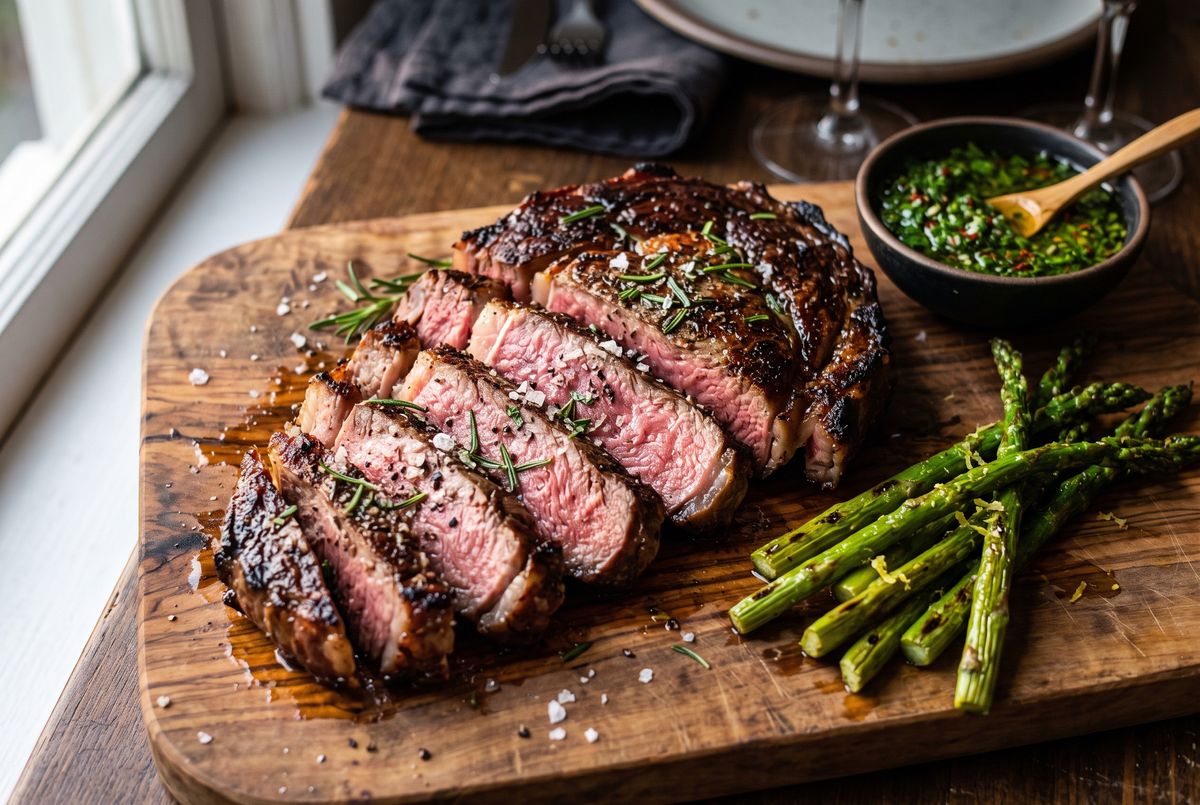
Red meat and fish are the only meaningful dietary sources of creatine — roughly a gram per pound of raw meat, and cooking costs…
 Collagen & glycine
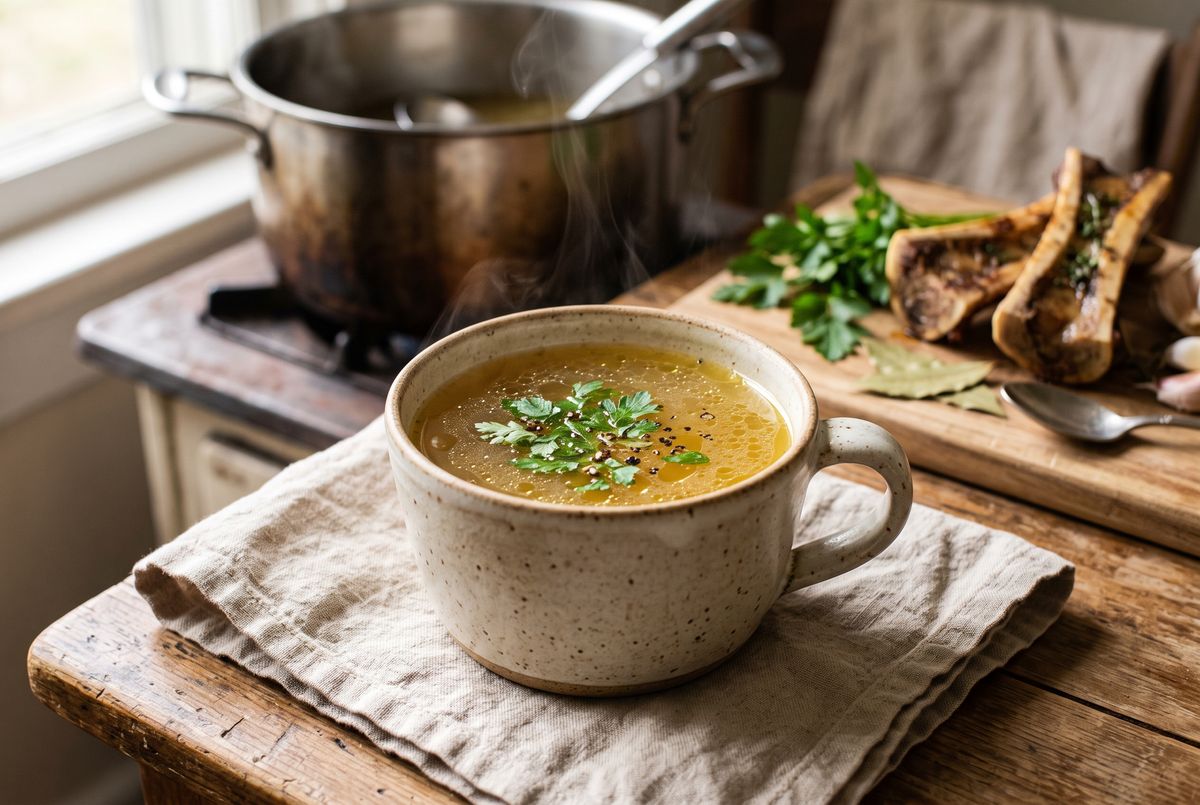
Gelatin is roughly a third glycine — the amino acid we eat least of relative to how much our connective tissue needs.
 Taurine
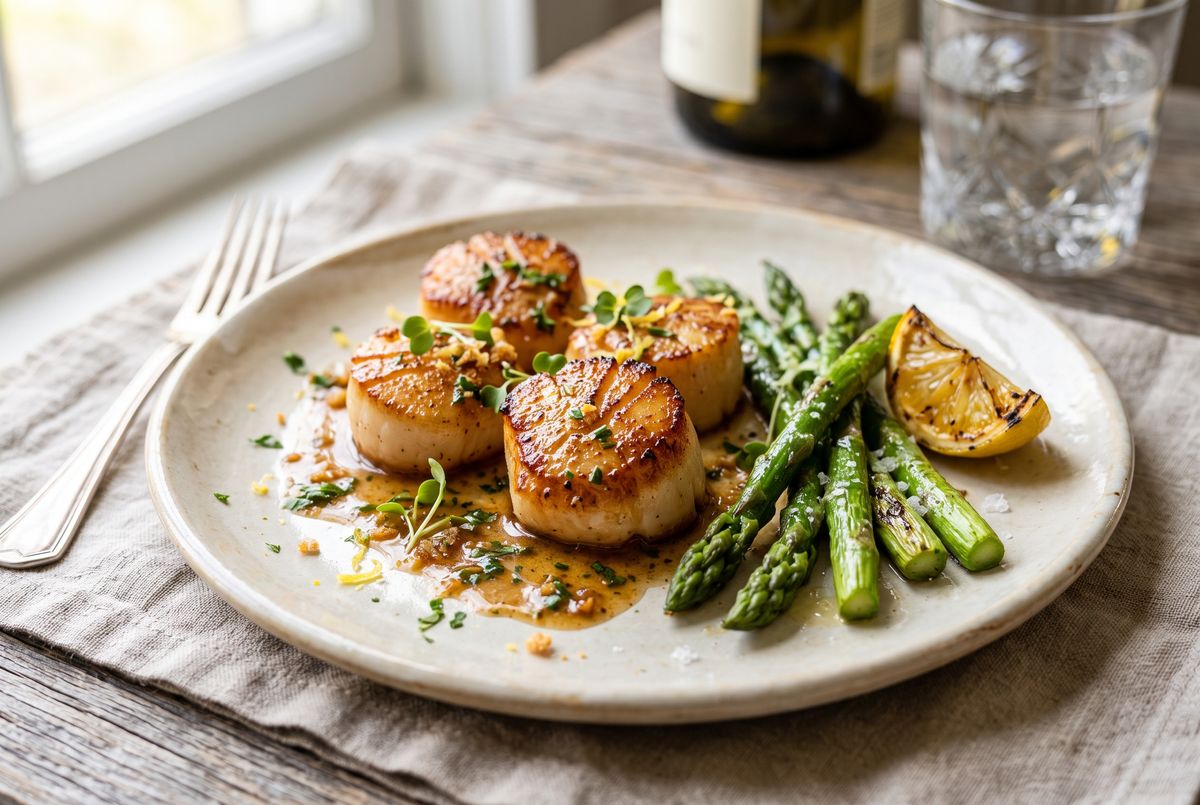
Shellfish are the densest food source of taurine — the amino acid whose age-related decline drew serious attention in 2023.
Keep reading
Blood pressureQuercetinTaurine and AgingThe supplement guideResearch mapPathway universe