Mussels in Tomato–Fennel Broth
Steamed mussels — one of the densest ordinary food sources of taurine — in a garlicky tomato-fennel broth where slow-cooked lycopene and allicin do quiet background work.
- Mechanism
- Taurine
- Cited studies
- 4
- Course
- Soup
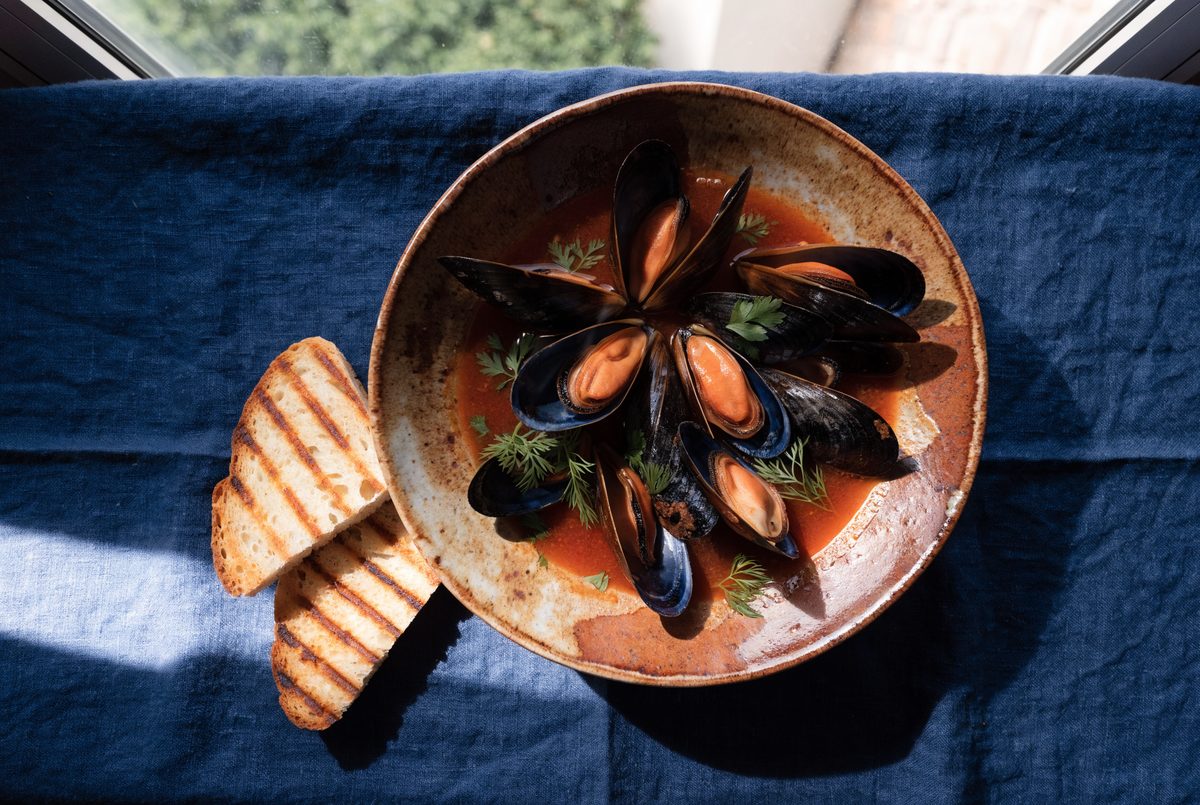
Mussels sit near the top of nearly every published table of taurine content in food, alongside scallops and clams. Taurine became a longevity story when a large collaborative paper (Science, 2023) showed that circulating taurine falls with age in mice, monkeys, and people, and that supplementing it extended median lifespan in mice by 10–12% and improved bone, muscle, and metabolic measures in middle-aged monkeys. The human portion of that paper was associative — lower taurine tracked with obesity and inflammation — and no human lifespan trial exists, so the honest reading is that eating taurine-rich shellfish is a reasonable bet, not a proven intervention.
The broth carries its own, more human-tested evidence. A systematic review and meta-analysis of intervention trials (Atherosclerosis, 2017) found that tomato products and lycopene supplementation modestly improved LDL cholesterol, blood pressure, and endothelial function — and cooked tomato, which is exactly what a simmered crushed-tomato broth is, delivers more absorbable lycopene than raw. Garlic has a similar shape of evidence: a meta-analysis of randomized trials (BMC Cardiovascular Disorders, 2008) found meaningful blood-pressure reductions in hypertensive participants, though mostly with concentrated preparations rather than the two cloves in a family pot.
Why this works
Mussels deliver taurine plus zinc and B12 in one of the cheapest, most sustainable packages at the seafood counter; zinc's central role in immune cell function is well described mechanistically (Molecular Medicine, 2008), even if food-level outcome trials are thin. Crushed tomatoes simmered in extra-virgin olive oil is the classic pairing for lycopene absorption — the carotenoid is fat-soluble, and heat frees it from the tomato's cell walls. Garlic, crushed and rested ten minutes before it hits the pan, maximizes allicin formation, and fennel brings anethole, fiber, and its clean anise sweetness. Sourdough exists to get the broth off the bowl.
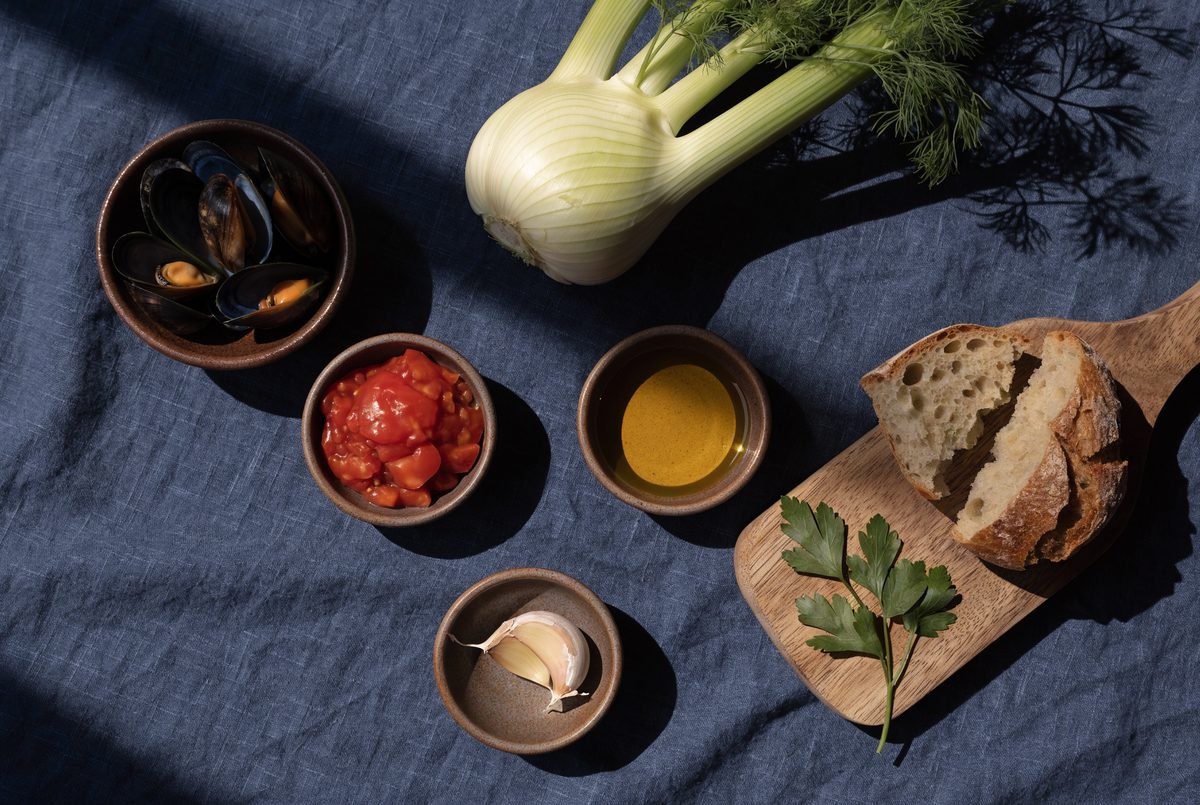
How to make it
- Crush 4 garlic cloves and let them rest 10 minutes while you slice a fennel bulb thin, saving the fronds.
- Soften the fennel in 3 tablespoons of olive oil over medium heat for 8 minutes; add the garlic and a pinch of chili for the final minute.
- Add a 400 g can of crushed tomatoes and a splash of water or white wine, season lightly, and simmer 10 minutes.
- Add 1 kg of scrubbed, debearded mussels, cover, and steam 5–7 minutes, shaking once, until they open. Discard any that stay shut.
- Shower with chopped parsley and the reserved fennel fronds.
- Serve straight from the pot with grilled sourdough for dipping.
Serves 2 generously as a main. The broth is most of the point — do not leave it in the pot.
19 PubMed citations
A landmark 2023 study reported that taurine declines with age in mice, monkeys, and humans and that supplementation…
23 PubMed citations
Multiple meta-analyses of randomized trials indicate that oral zinc, started soon after symptom onset, can modestly…
The research behind this recipe
Primary sources for the claims above. Effects reported in these papers describe the compound or the dietary pattern studied — not this specific dish.
More muscle, connective tissue & minerals recipes
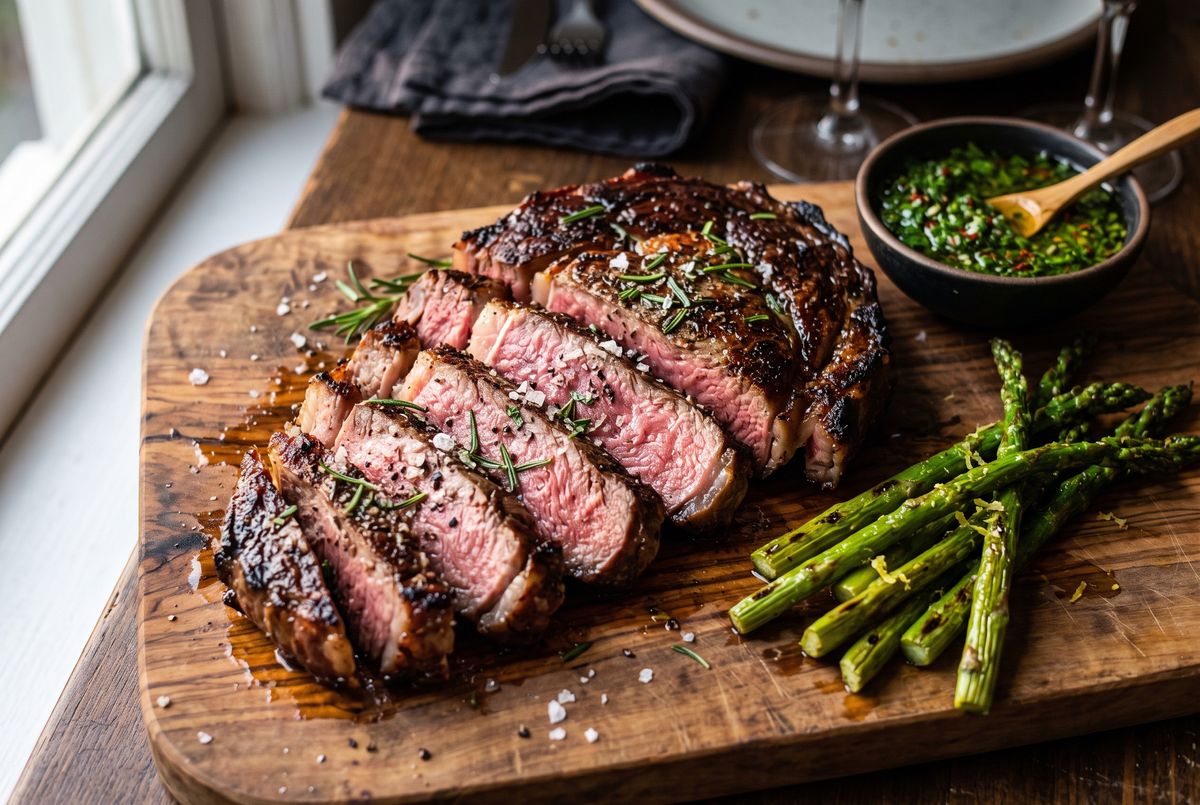 Muscle & strength
Red meat and fish are the only meaningful dietary sources of creatine — roughly a gram per pound of raw meat, and cooking costs…
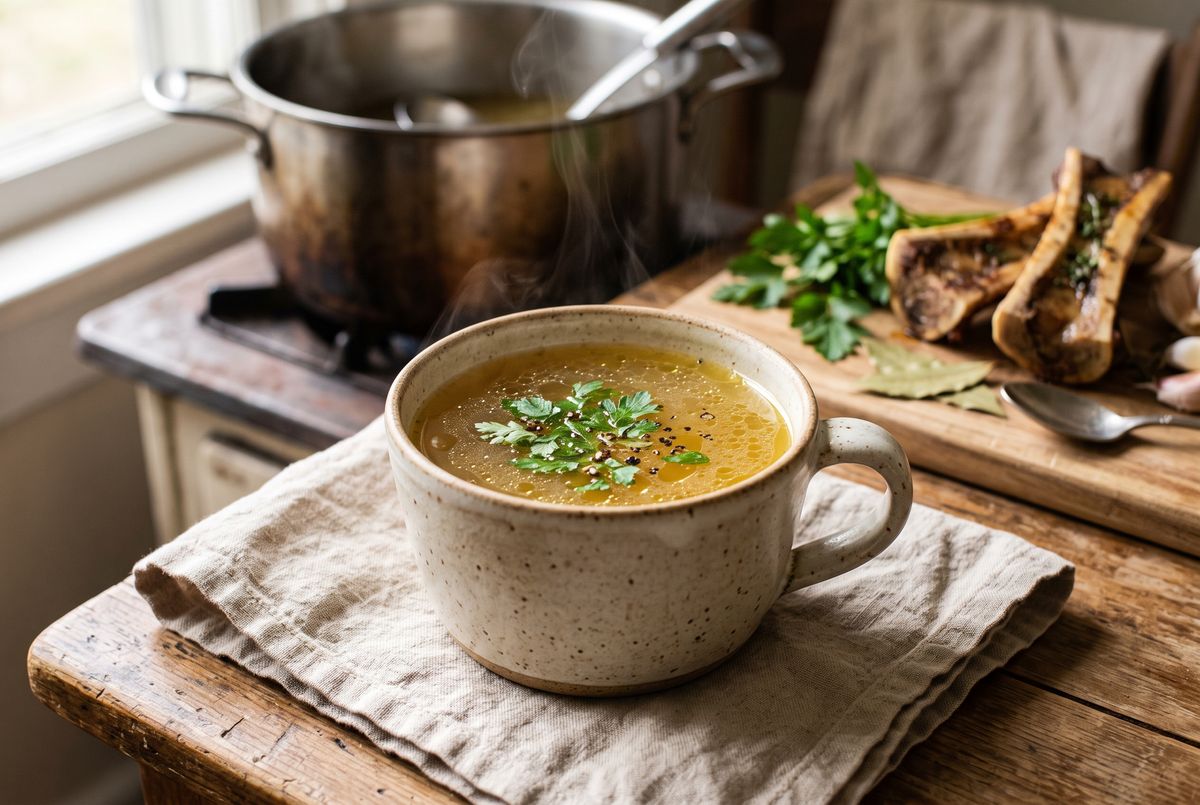 Collagen & glycine
Gelatin is roughly a third glycine — the amino acid we eat least of relative to how much our connective tissue needs.
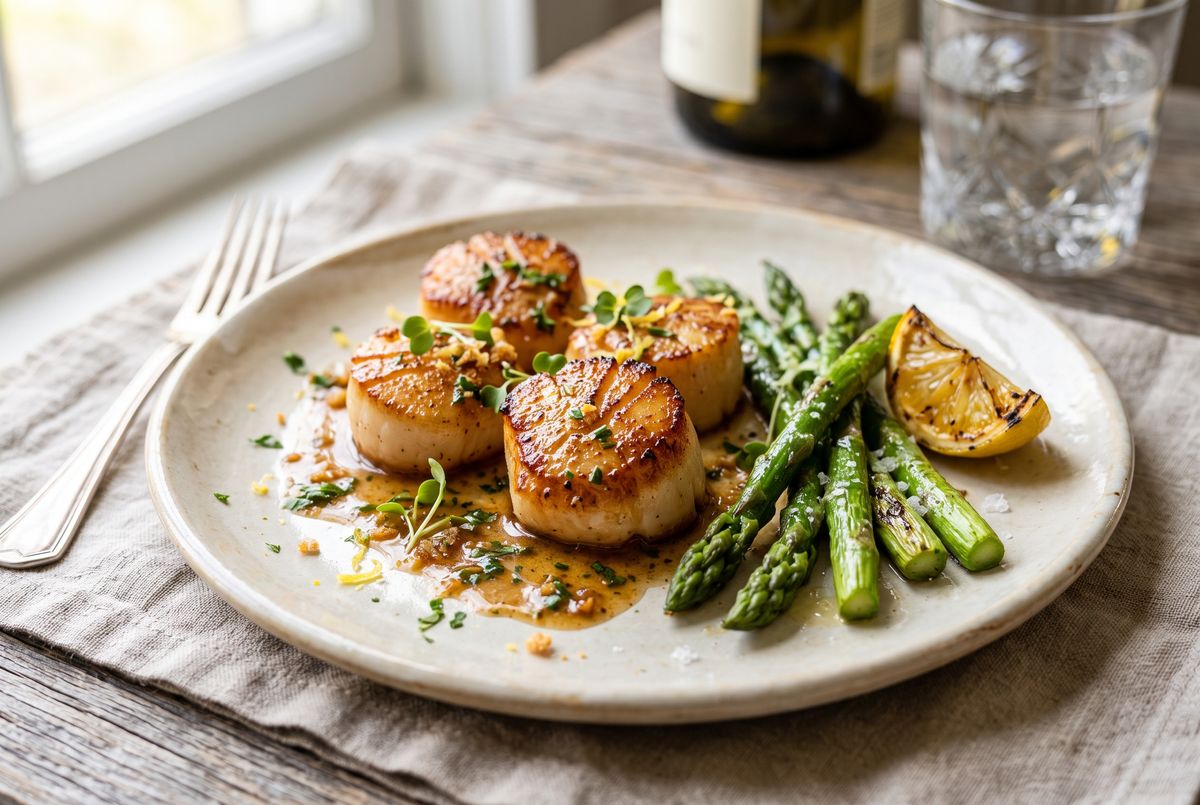 Taurine
Shellfish are the densest food source of taurine — the amino acid whose age-related decline drew serious attention in 2023.
Keep reading
Blood pressureThe endotheliumDietary fiberTaurine and AgingThe supplement guideResearch mapPathway universe