Pomegranate & Freekeh Tabbouleh
Smoky cracked green wheat stands in for bulgur in an herb-heavy tabbouleh studded with pomegranate and walnuts — whole grain, fermentable fiber, and urolithin-A precursors in one salad.
- Mechanism
- Mitophagy
- Cited studies
- 5
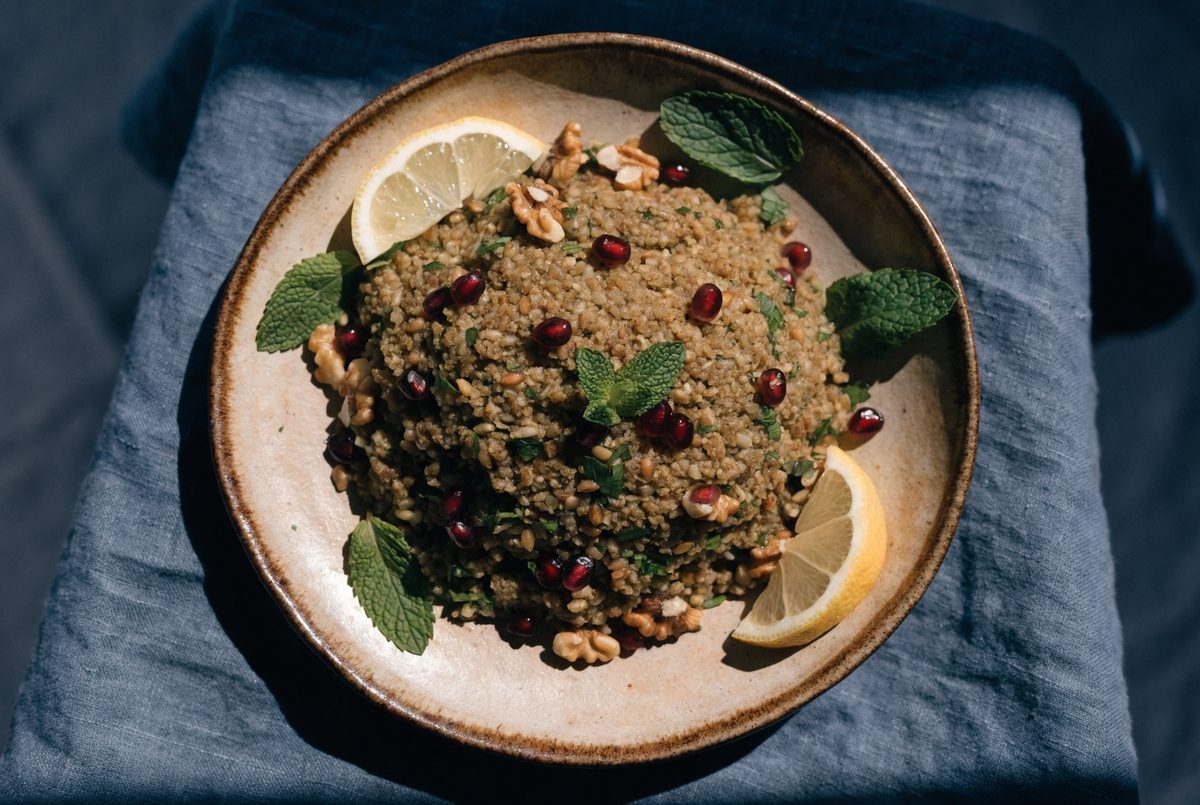
Pomegranate earns its place in a mitophagy-tagged recipe through ellagitannins, the polyphenols gut bacteria convert to urolithin A — the compound that triggered mitochondrial recycling and lifespan extension in worms and better muscle function in rodents (Nature Medicine, 2016). The human food evidence remains thin and small: the oft-quoted trial in which pomegranate juice reduced carotid artery wall thickness ran three years but enrolled only 19 patients (Clinical Nutrition, 2004), and conversion to urolithin A varies person to person with the microbiome. Treat the arils here as a plausible bet, not a prescription.
The freekeh underneath needs less hedging. Whole-grain intake around 90 g a day was associated with substantially lower cardiovascular and all-cause mortality in a dose-response meta-analysis of prospective studies (BMJ, 2016), and the Lancet series on carbohydrate quality found the 25–29 g per day of fiber achieved by diets like this one tracked with 15–30 percent reductions in mortality and major disease endpoints (The Lancet, 2019). Observational, yes — but unusually consistent across cohorts, and fiber is the rare nutrition story where randomized trials of intermediate outcomes point the same direction.
Why this works
Freekeh — wheat harvested green and fired — is a whole grain with a smoky edge, and its resistant, fermentable fiber feeds the same colonic bacteria that do the ellagitannin conversion. Pomegranate seeds and walnuts supply the ellagitannins themselves, uncooked. Flat-leaf parsley and mint are the salad, not the garnish, tabbouleh-style. Extra-virgin olive oil goes on raw, which preserves the hydroxytyrosol and related phenolics shown to improve HDL and LDL-oxidation markers in the randomized EUROLIVE trial (Annals of Internal Medicine, 2006), and lemon keeps the whole thing bright enough to eat by the bowlful.
How to make it
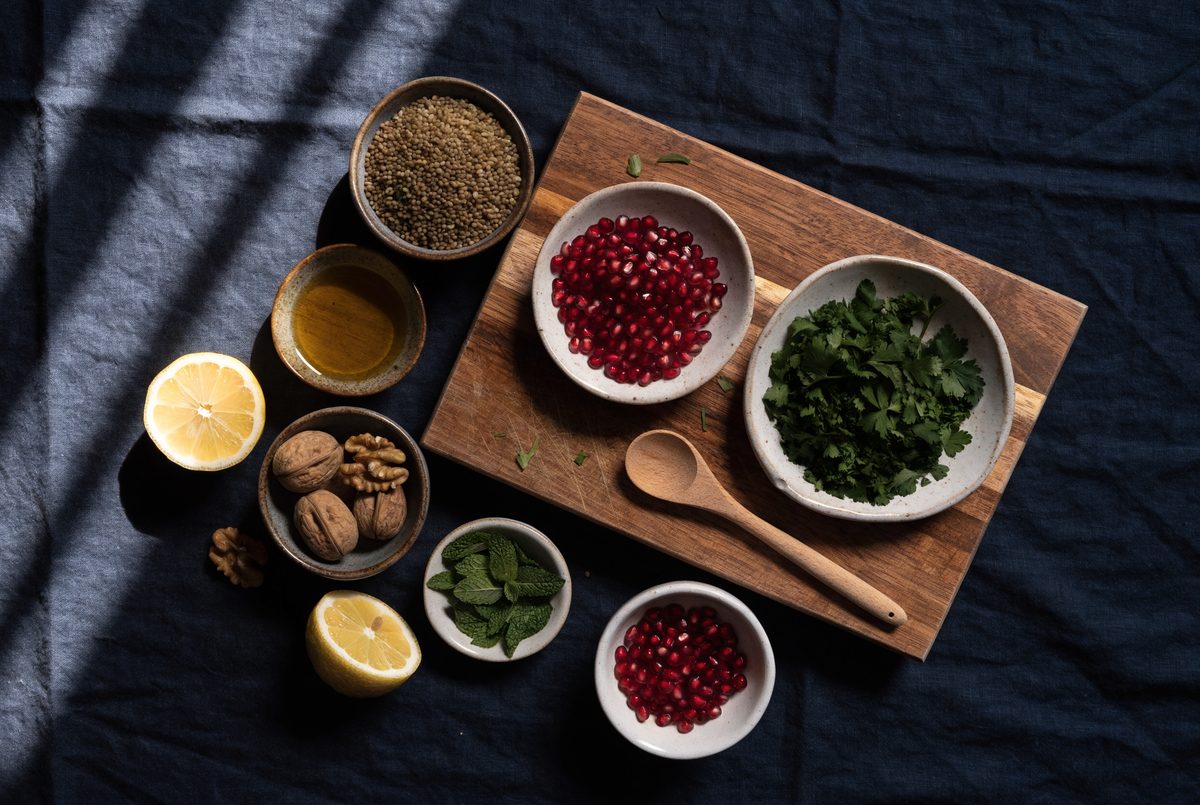
- Rinse 200 g cracked freekeh, then simmer in salted water 20–25 minutes until tender with a little chew. Drain and spread on a tray to cool.
- Finely chop two big bunches of flat-leaf parsley and the leaves of one bunch of mint.
- Toast 60 g walnuts in a dry pan and roughly chop.
- Whisk 4 tablespoons extra-virgin olive oil with the juice of 1½ lemons, a grated small garlic clove if you like, and salt.
- Toss freekeh, herbs, walnuts, and 150 g pomegranate seeds with the dressing.
- Rest 15 minutes, taste, and sharpen with more lemon before serving.
Serves 4 as a side; add feta or leftover chicken to make it lunch. Keeps a day, though the herbs dull.
20 PubMed citations
In human research, urolithin A supplementation is safe and bioavailable and improves markers of mitochondrial health.…
25 PubMed citations
In human research, the ellagitannin-derived metabolite urolithin A has improved muscle strength, endurance, and…
21 PubMed citations
Randomized trials and meta-analyses indicate that inulin-type fructans reliably increase stool frequency and improve…
The research behind this recipe
Primary sources for the claims above. Effects reported in these papers describe the compound or the dietary pattern studied — not this specific dish.
More cellular housekeeping: autophagy, mitophagy & senescent cells recipes
 Autophagy
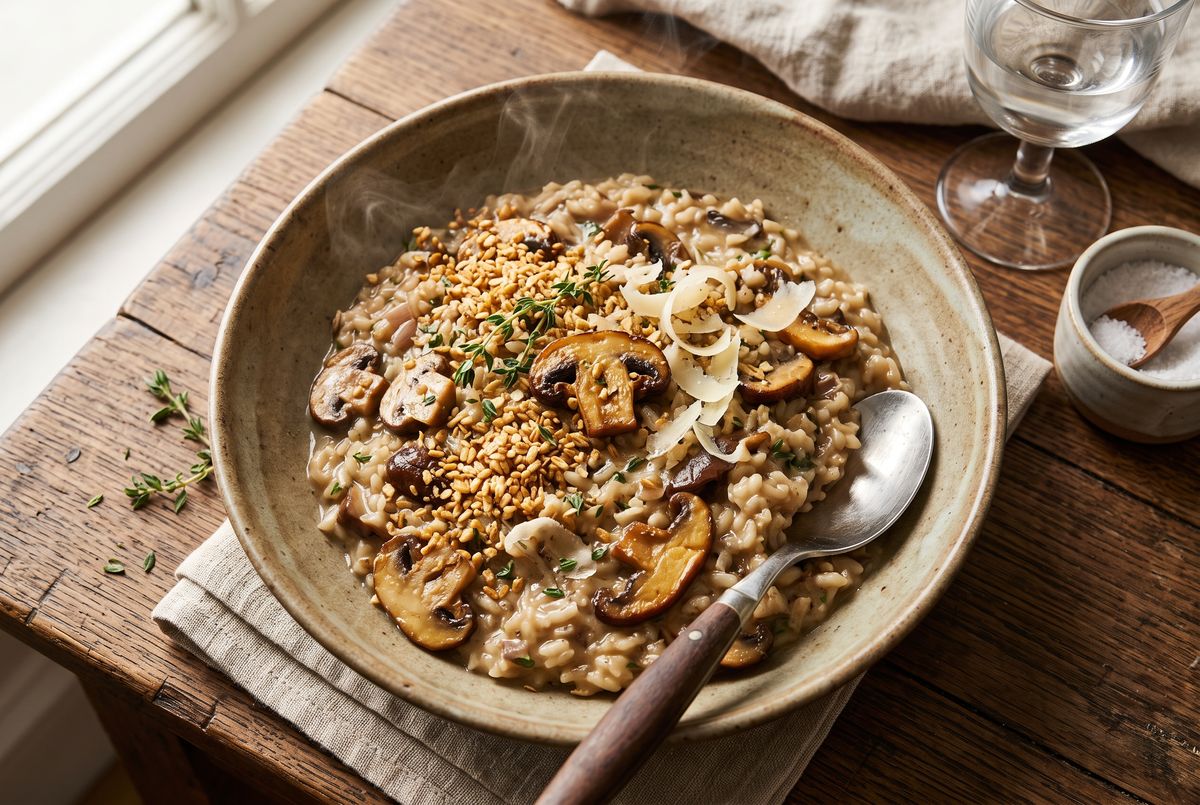
Wheat germ is the densest common food source of spermidine, the polyamine tied to autophagy — and it toasts into risotto like a…
 Mitophagy
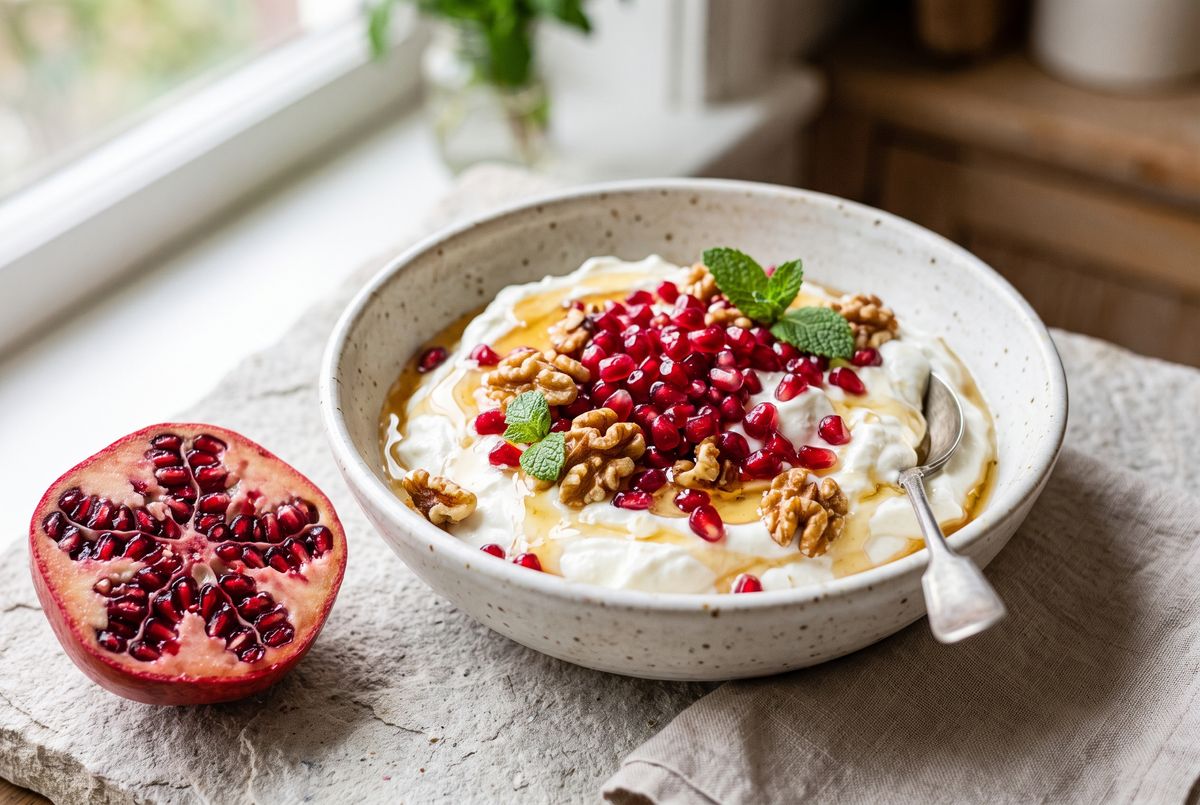
You cannot eat urolithin A directly — your gut bacteria make it from the ellagitannins in pomegranate and walnuts, and only some…
 Senolytics
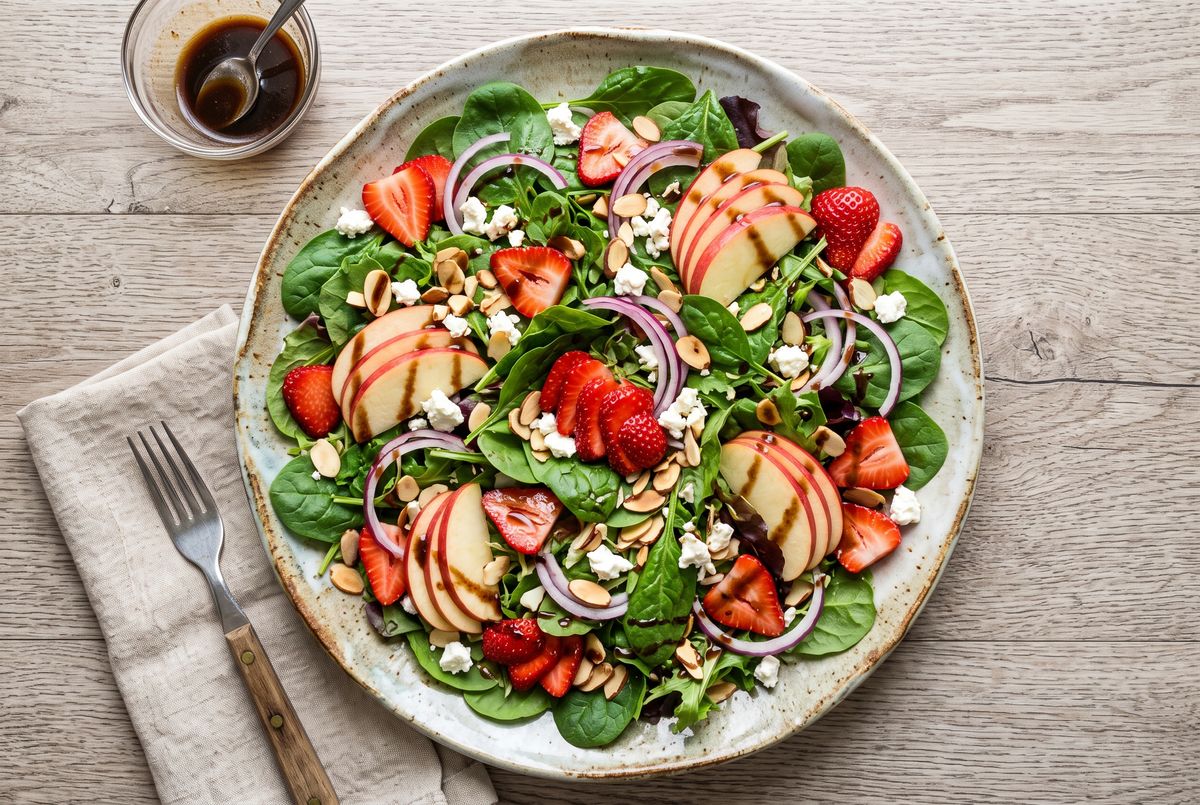
Strawberries are the leading dietary source of fisetin, the flavonoid at the center of senolytic research — though food amounts…
Keep reading
Urolithin AMitochondriaThe microbiomeInulinUrolithin A: the evidenceUrolithin A (Mitopure) and MuscleThe supplement guideResearch mapPathway universe